
Antique Cabinet Shelves
These antique cabinet shelves combine architectural utility with period timber, offering a practical framework for books and display.
Antique Cabinet Shelves
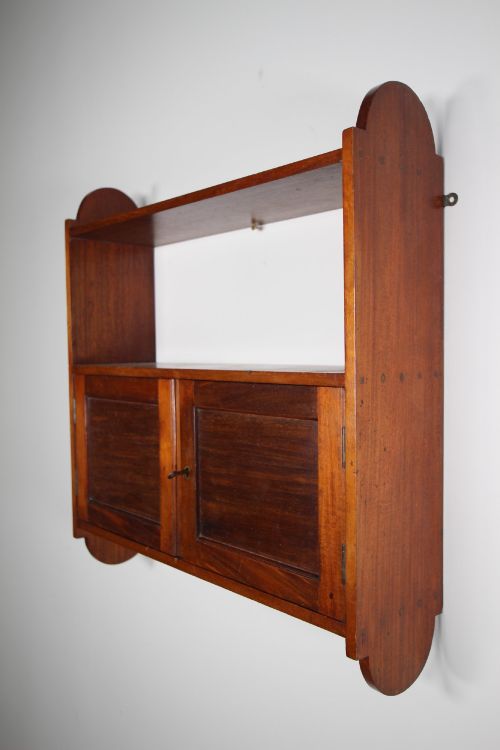
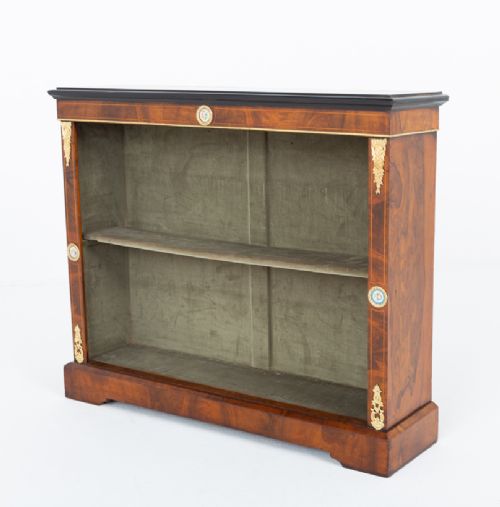
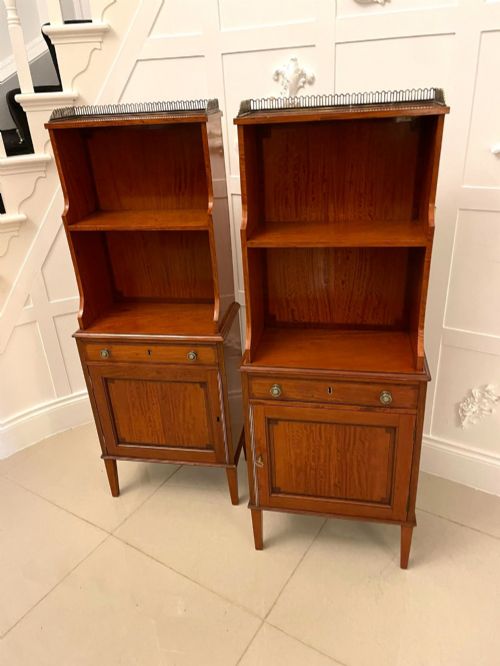
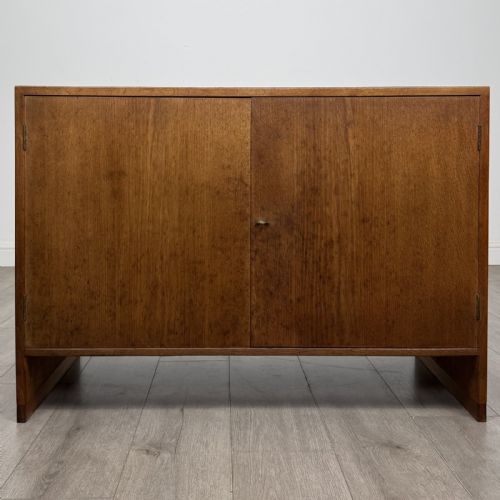
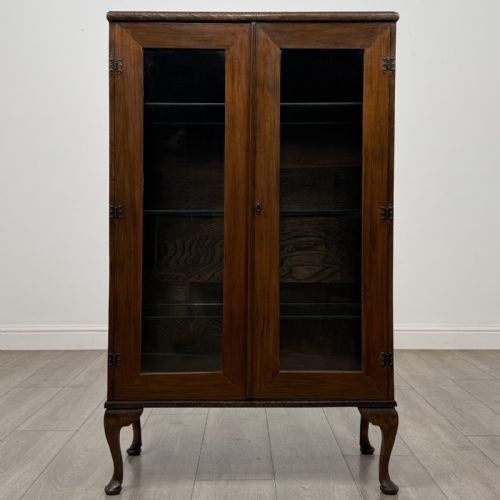
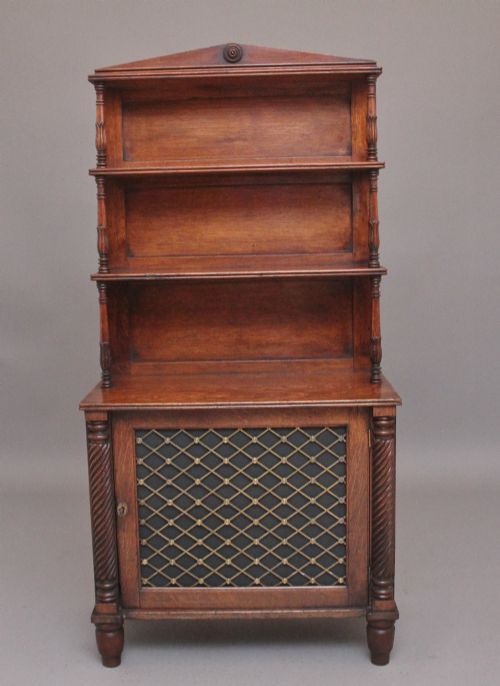
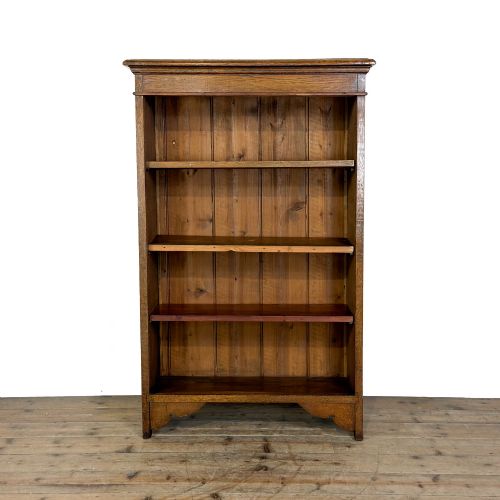
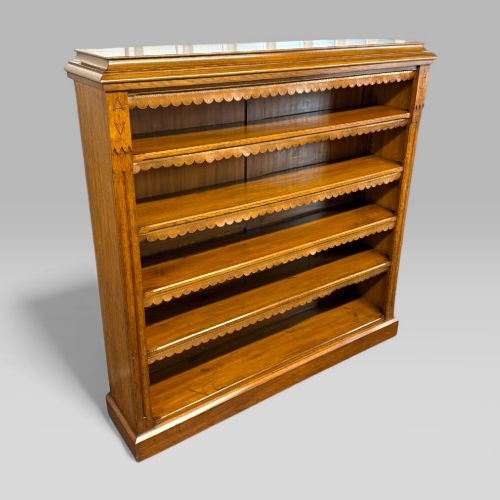
When searching for antique cabinet shelves, a buyer encounters a diverse group of storage furniture spanning the nineteenth and early twentieth centuries. These pieces range from open bookcases and adjustable shelf units to glazed display cabinets, bureaus, and sectioned systems.
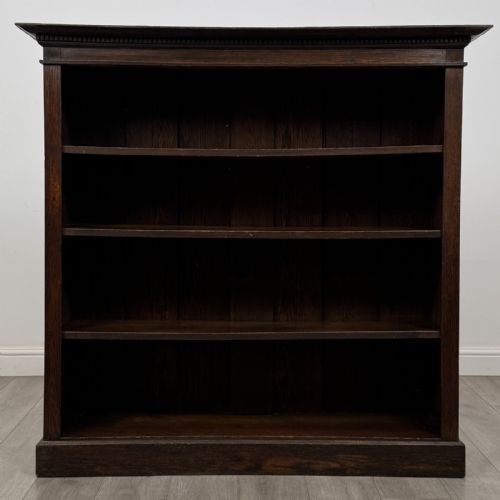
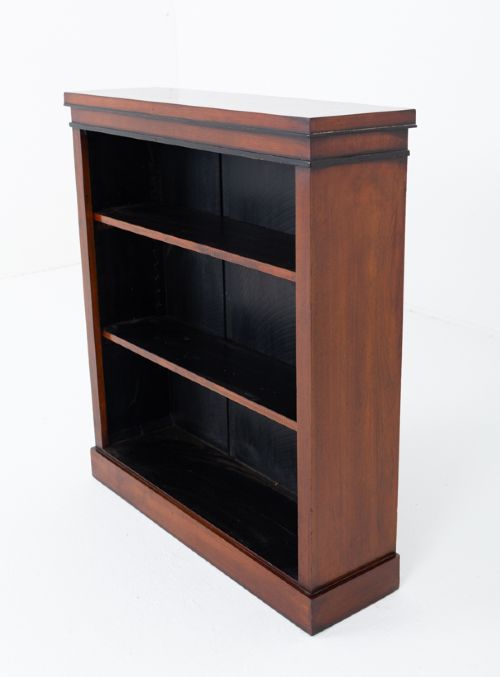
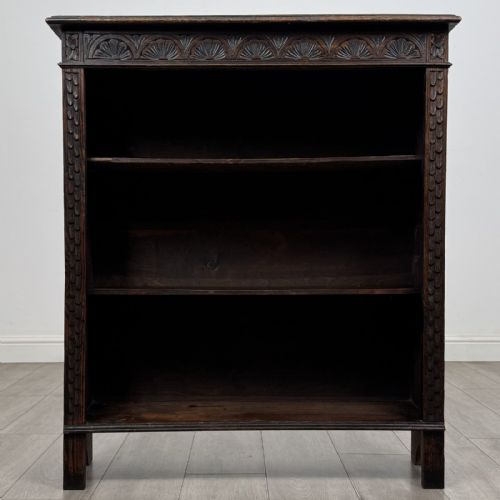
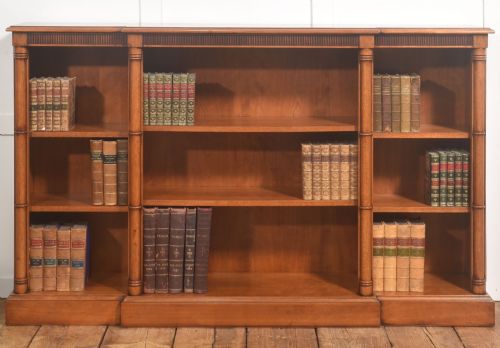
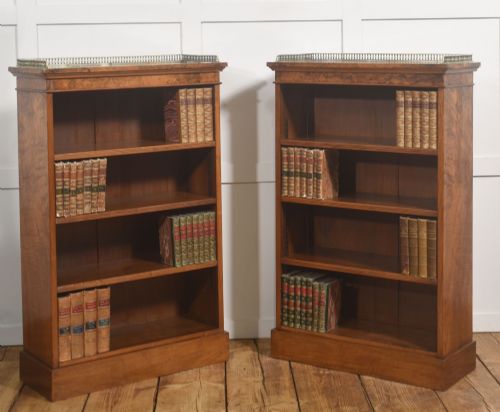
The most common forms on this page include mahogany open bookcases from the Victorian and Edwardian eras, often featuring adjustable shelving and raised galleries. Oak iterations from the Arts and Crafts and Aesthetic Movement periods also appear regularly.
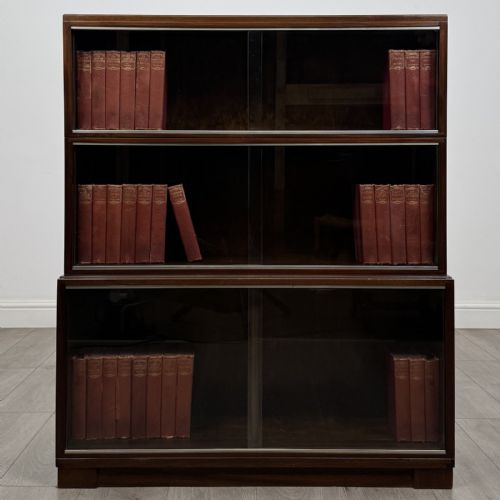
Beyond standard bookcases, the inventory encompasses specialised items such as French shodonas, mahogany breakfronts, and modular barrister bookcases. These functional structures served libraries, drawing rooms, and studies across the Victorian and Edwardian periods.
Materials and construction
Makers utilised dense hardwoods like mahogany, oak, walnut, and rosewood, frequently selecting burr walnut and satinwood for decorative grain patterns. Pine and ebonised timbers served structural and stylistic roles in regional or movement-specific pieces.
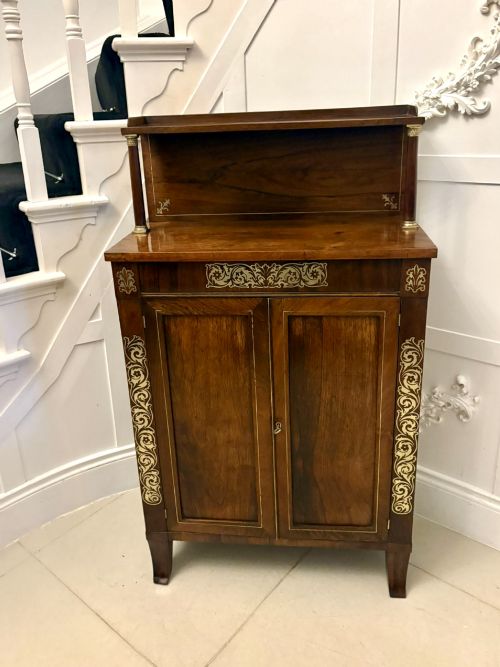
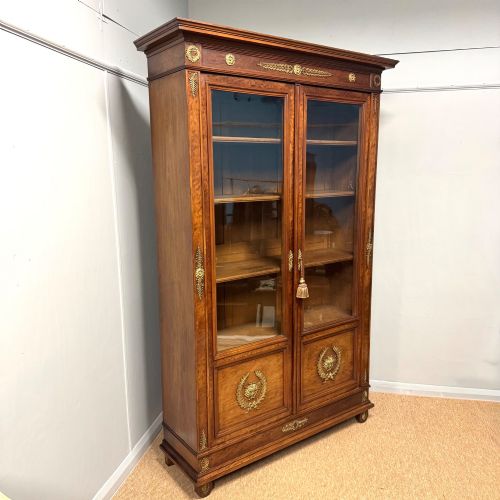
Joinery methods prioritized adaptability and longevity, integrating adjustable shelf mechanisms, brass galleries, and glazed doors. Specialised hardware, including brass mounts and ormolu detailing, reinforced the structural integrity while defining the aesthetic of the period.
Listings feature mahogany, oak, walnut, and rosewood across Victorian, Edwardian, and Regency styles.
Judging quality and execution
The distinction between standard utility pieces and high-end examples lies in timber selection and the precision of decorative elements such as inlaid details, carved panels, and brass galleries. Cohesion in proportions and the smoothness of adjustable shelving mechanisms separate superior workshop output from mass production.
Signatures of notable makers or specific retail houses elevate certain items, alongside intact original finishes that preserve the depth of the mahogany, walnut, or oak grain. The integration of specialised systems, such as sectional barrister designs, demonstrates advanced period engineering.
Gillows·John Moyr Smith·Macey·Bowman Brothers, London·Liberty
The Antique Cabinet Shelves Glossary
- Breakfront
- A piece of furniture where the central section projects forward from the flanking outer sections. This configuration creates architectural depth in large bookcases and sideboards.
- Gallery
- A raised ornamental border or railing fitted along the top edge of a cabinet or shelf. It prevents items from sliding off the surface.
- Shodona
- A Japanese cabinet or display shelf combining asymmetrical compartments and sliding doors. These pieces reflect late nineteenth-century European interest in Japanese design.
- Sectional bookcase
- A modular bookcase composed of stackable units with glass doors that lift and slide inward. Also known as a barrister or Wernicke system.
- Ormolu
- Gilt bronze mounts applied to furniture for decorative effect. It appears frequently on nineteenth-century French and English luxury cabinets.
Antique Cabinet Shelves: Frequently Asked Questions
What are antique cabinet shelves?
Antique cabinet shelves comprise furniture designed for storing books and displaying objects, produced primarily during the nineteenth and early twentieth centuries. They encompass open bookcases, glazed cabinets, and modular shelving units.
These pieces reflect the domestic storage needs and stylistic shifts of the Victorian, Edwardian, and Regency periods. They utilise traditional timbers such as mahogany, oak, and walnut.
How do I adjust the shelves?
Many period bookcases utilise wooden ratchets, metal shelf studs, or brass tracks to support removable shelves. These mechanisms allow the user to alter shelf heights according to book sizes.
Care should be taken when sliding shelves along older wooden supports to avoid damaging the interior lining or side panels.
How do I care for antique timber?
Antique timber requires stable indoor humidity levels away from direct heat sources and sunlight to prevent warping and fading. Regular dusting with a dry, soft cloth maintains the polished surface.
Applying a traditional beeswax polish periodically helps nourish hardwoods like mahogany and oak without building up sticky residue.
How are different periods identified?
Stylistic cues such as heavy carved oak indicate Victorian Arts and Crafts or Aesthetic Movement origins, while lighter inlaid mahogany often points to the Edwardian era. Regency pieces display classical architectural proportions and restrained brass details.
Construction techniques, such as the evolution from fixed shelves to adjustable mechanisms and patented sectional designs, also help establish the approximate date of manufacture.