
Antique Button Back
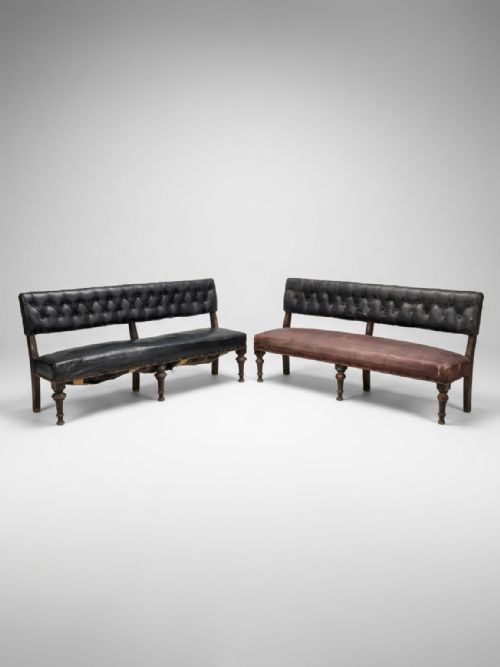
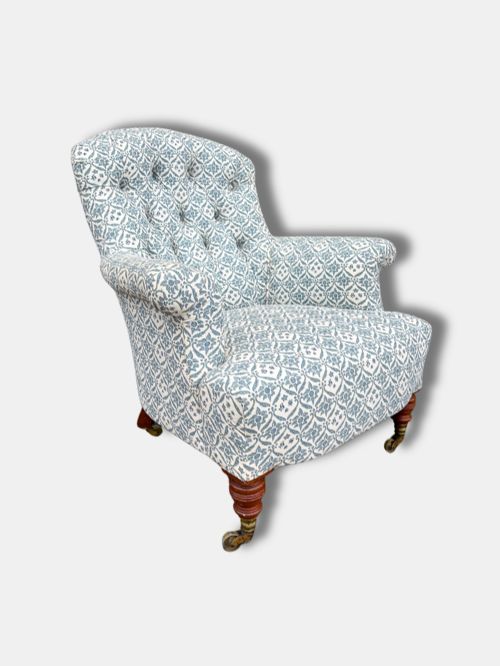
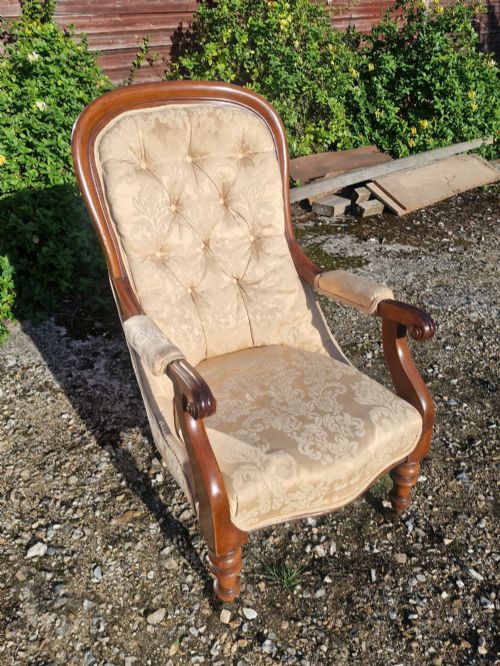
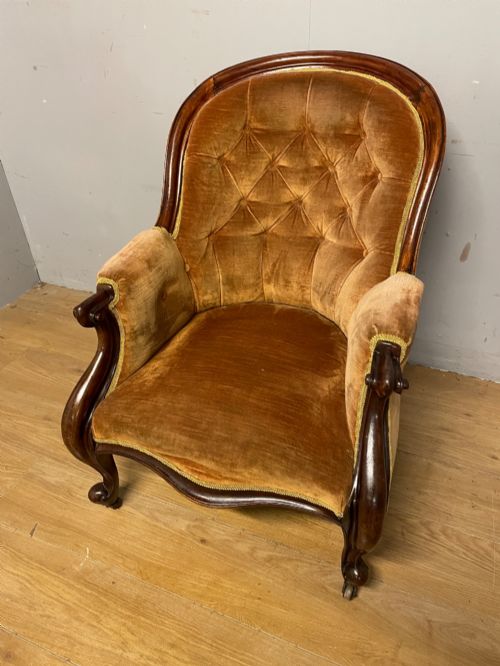
These antique button back chairs and sofas bring deep tufted comfort and rich nineteenth-century timber frames into a room.
Antique Button Back
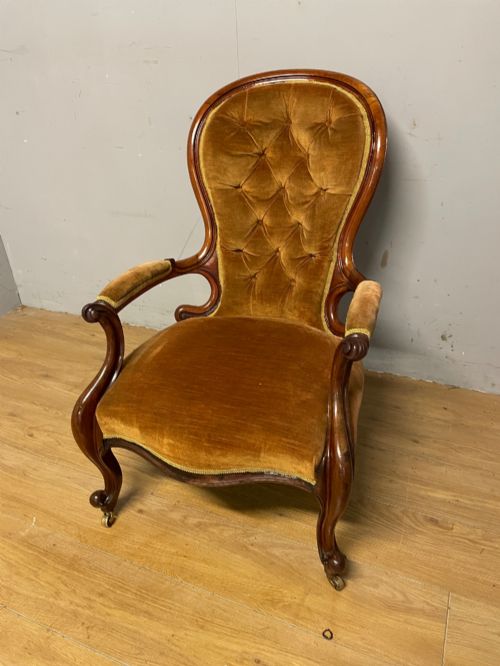
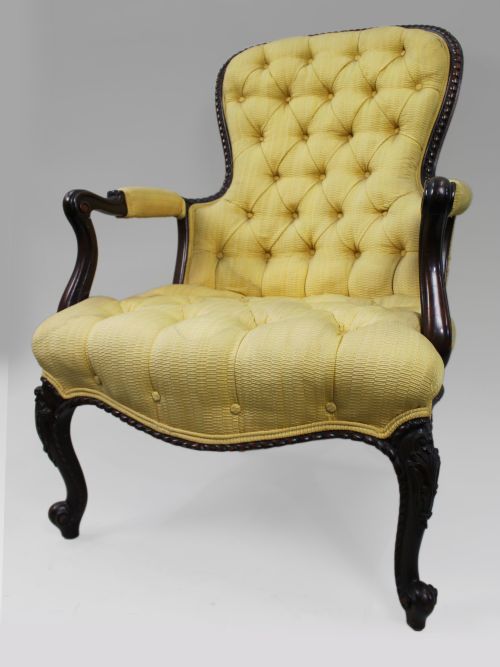
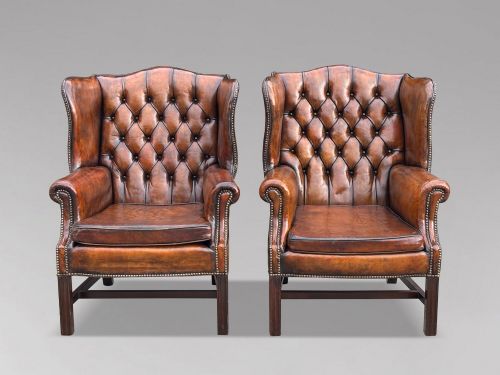
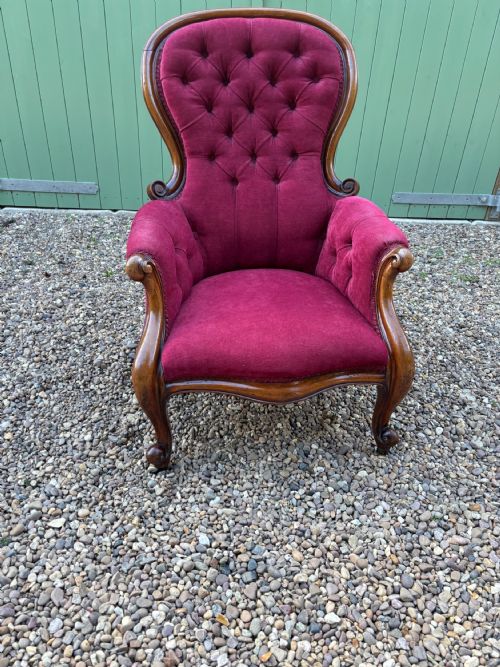
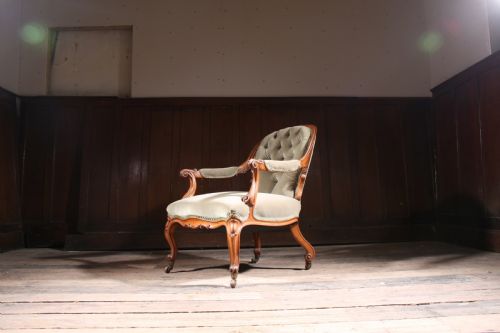
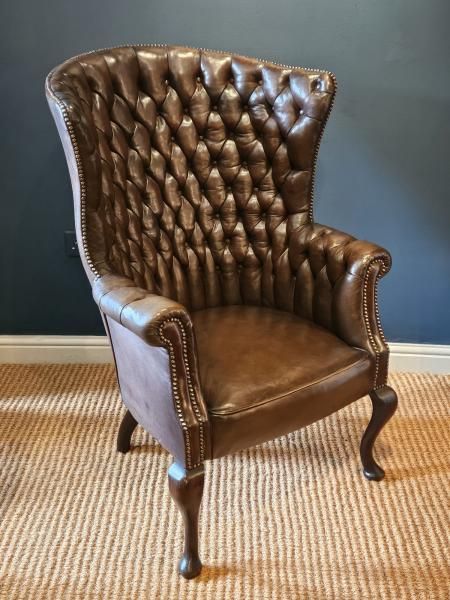
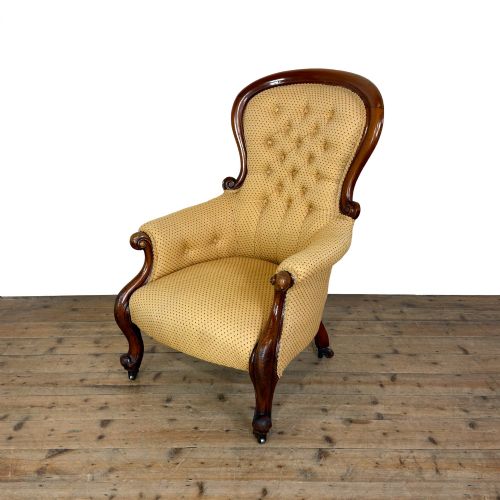
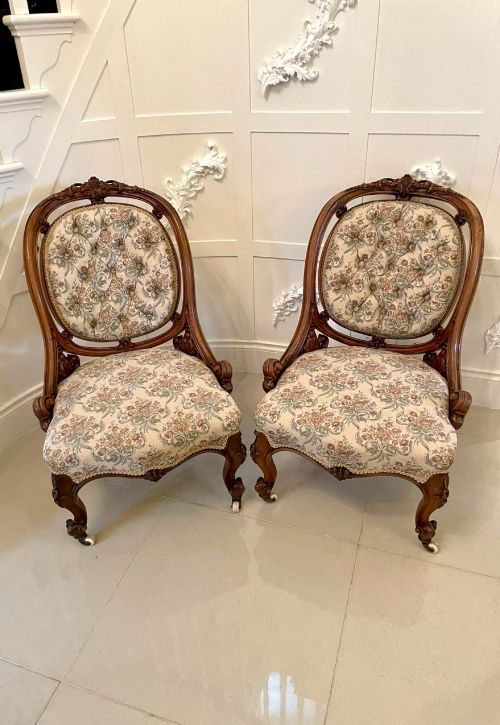
An antique button back piece defines seating where the upholstery is pulled deep into the padding with rows of fabric or leather tufts, creating a rhythmic pattern of folds across the backrest. The pieces on this page span the nineteenth century into the early twentieth century, appearing mostly as library armchairs, nursing chairs, and larger sofas.
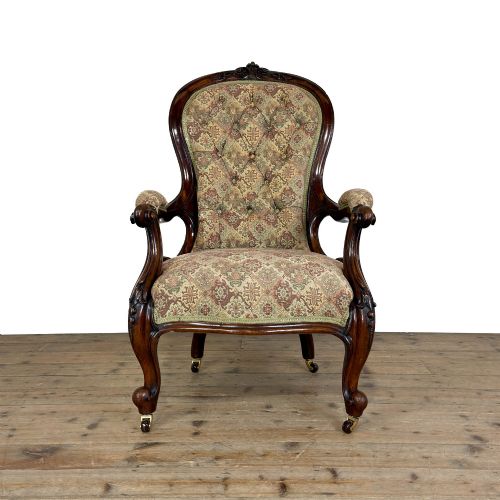
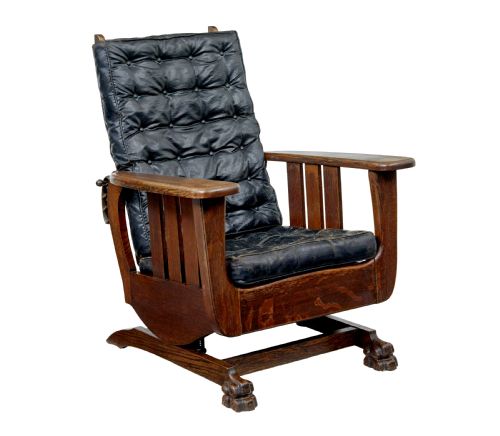
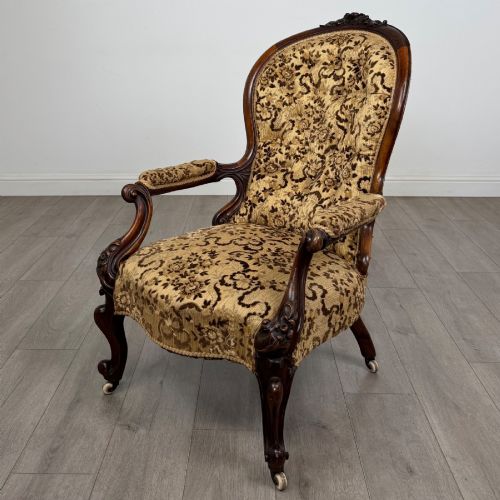
Victorian examples dominate the selection, often shaped in mahogany or walnut with carved wooden frames that show revival styles like Rococo or English Country House influences. Alongside these, buyers find Regency rosewood library chairs, Napoleon III fishtail armchairs, and sturdy oak rocking chairs.
The form exists to support long hours of sitting while presenting a stately silhouette. Whether upholstered in faded leather, velvet, or modern brocade replacements, the core character remains tied to the dense interior stuffing secured by the signature buttoning.
Materials and construction
Makers built the structural frames from dense hardwoods like mahogany, walnut, rosewood, and oak, often carving decorative flourishes along the crest rails and arm supports. These timbers provided the rigid skeleton required to bear the heavy tension of deep-sprung seats and tightly pulled backrests.
Upholstery techniques relied on webbing, coil springs, and horsehair or wool stuffing, layered deeply before the leather, velvet, fabric, or rexine was secured with rows of buttons. This method distributed pressure evenly and created the signature springy resilience expected in nineteenth-century seating.
Listings feature nineteenth-century seating in mahogany, walnut, oak, and rosewood, paired with leather, velvet, and fabric upholstery.
Judging the standard
Quality rests in the harmony between the timber frame and the upholstery tension. Superior pieces display crisp hand-carving on solid walnut or mahogany rather than soft detailing, and their frames remain structurally tight without looseness at the joints.
The execution of the buttoning itself separates standard seating from finer works. In better examples, the folds of leather or fabric radiate uniformly from each button, maintaining symmetry and firm tension across the entire backrest rather than sagging or bunching irregularly.
Howard and Sons
The Antique Button Back Glossary
- Button back
- Upholstery style where buttons are sewn deeply through the padding to form a grid of recessed tufts and padded diamonds. This technique holds internal stuffing firmly in place while creating a decorative texture.
- Library armchair
- Sturdy seating designed for nineteenth-century reading rooms, typically framed in mahogany or walnut with upholstered arms and a supportive back. They prioritize durable comfort for long periods of study.
- Nursing chair
- Low-seated Victorian chair designed to allow comfortable sitting close to a nursery fire or child. They often feature an open or spoon back shape without high arms.
- Chesterfield
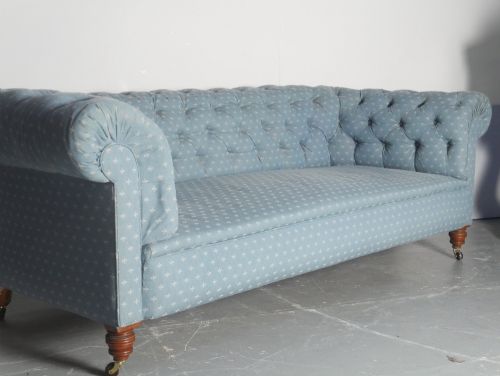
- Large sofa style characterised by arms and back of the same height, traditionally fully buttoned and upholstered in leather or heavy fabric. They provide deep, formal seating for reception rooms.
- Rococo revival
- Nineteenth-century design movement mimicking the curved, naturalistic ornamentation of the eighteenth century. It appears on chair frames through carved scrolls, flowers, and undulating wooden outlines.
Antique Button Back: Frequently Asked Questions
What is an antique button back chair?
An antique button back chair is nineteenth-century seating featuring upholstery pulled tight with recessed buttons to create a tufted pattern. These pieces include armchairs, nursing chairs, and library seats built on timber frames.
They combine structural woodwork, such as mahogany or walnut, with layered internal stuffing designed for upright support and comfort.
How do I date a button back sofa?
Dating relies on examining the timber species, frame carving styles, and under-construction methods like hand-turned legs or iron back supports. Victorian pieces often use mahogany or walnut with revival styling.
Later pieces from the early twentieth century may incorporate oak, rexine, or differing spring configurations that reflect shifting manufacturing standards.
Where were these chairs used originally?
These pieces populated Victorian libraries, drawing rooms, country house studies, and bedrooms. Library armchairs served readers, while low nursing chairs suited private chambers.
Larger settees and Chesterfield sofas occupied formal reception rooms where guests gathered for conversation and formal entertaining.