




Antique Butterfly Art
Antique butterfly art captures delicate natural specimens and painted motifs across brooches, lustre bowls, and framed prints from the nineteenth and early twentieth centuries.
Antique Butterfly Art
Antique butterfly art encompasses wearable ornaments, decorative ceramics, and framed visual works produced primarily during the Victorian, Edwardian, and Art Deco periods. Buyers seeking these items encounter a diverse selection ranging from silver and enamel brooches to hand-painted lustre bowls and framed natural history prints.
The objects span several distinct categories, with jewellery such as sterling silver wing brooches and gold pendants appearing alongside porcelain vessels and framed botanical engravings. Pieces originate from British, continental European, and Asian workshops, reflecting shifting aesthetic movements over a century of production.
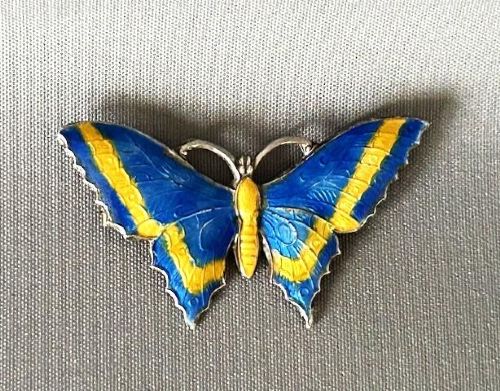
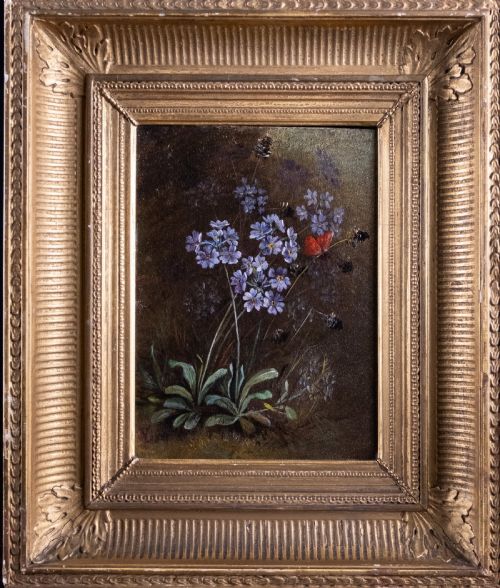
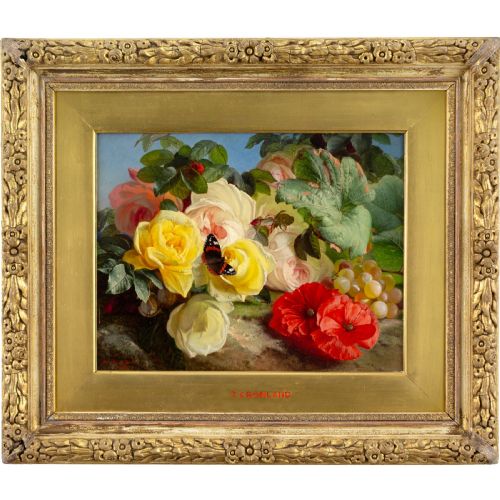
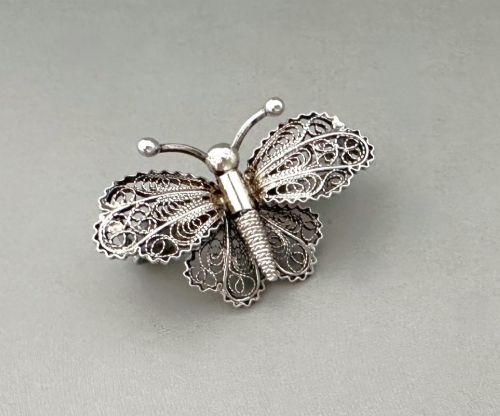
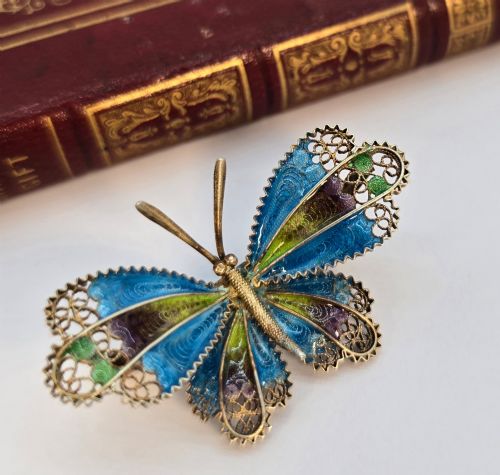
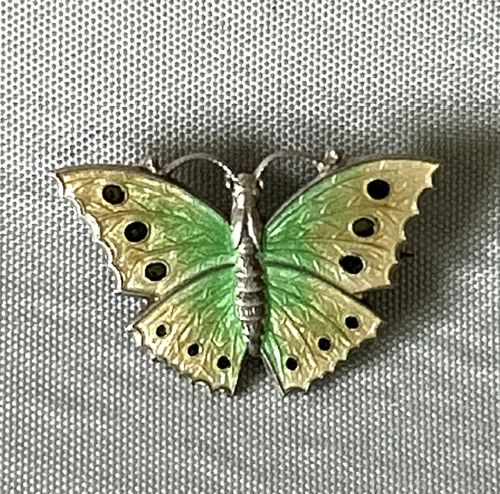
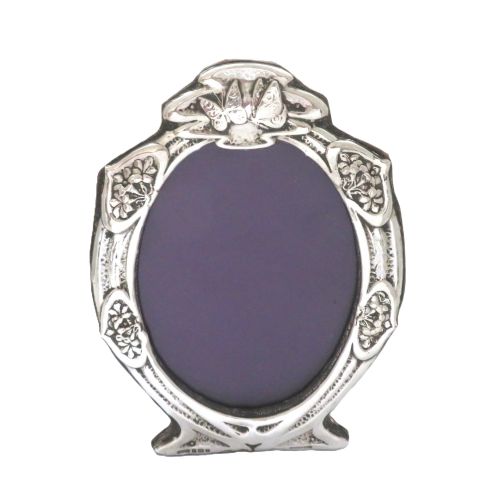
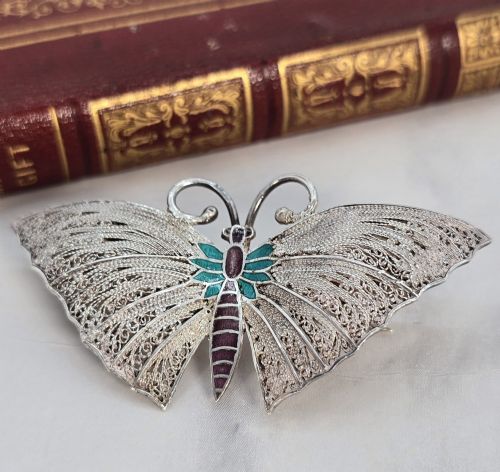
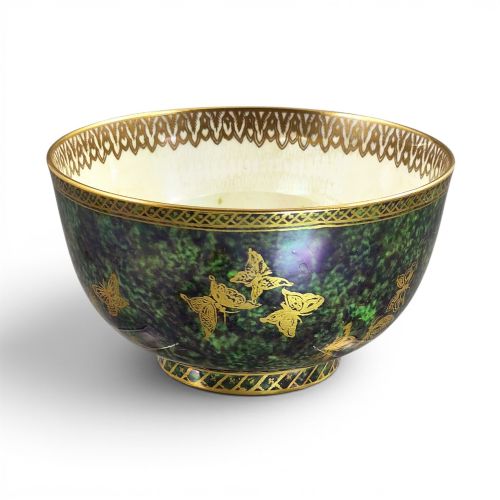
Among the most common formats are small personal accessories featuring silver filigree and colourful enamel work, alongside larger decorative bowls adorned with iridescent glazes. Wall art in this category includes nineteenth-century pith paintings, framed prints, and oil canvases depicting botanical specimens alongside insects.
Materials and methods of construction
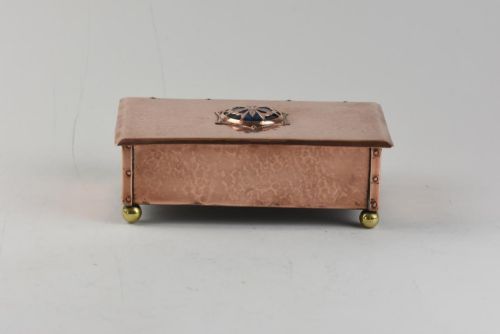
Makers utilised precious metals including sterling silver, gold, and copper to form the structural mounts for brooches, boxes, and pendants. Enamel techniques, particularly guilloche and plique-à-jour, provided translucent colour surfaces that complemented the natural hues of the insect wings or painted details.
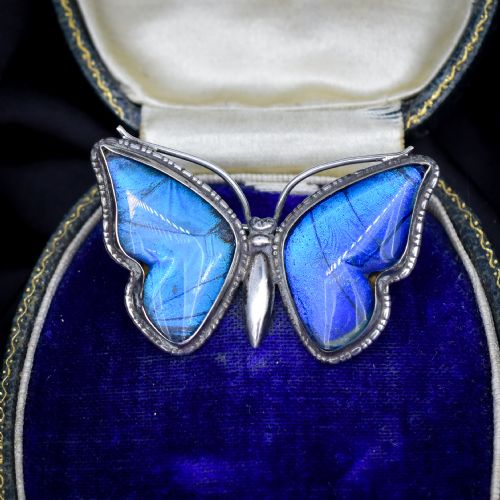
Ceramic pieces relied on specialised lustre glazes fired onto porcelain bodies to create metallic, iridescent finishes on decorative bowls and mugs. Artisans also worked with organic materials, mounting real butterfly wings beneath glass panels or assembling pith paper paintings within wooden frames.
Antique Butterfly Art Retail Price Guide 2026
Typical asking prices for butterfly art among the pieces listed under this phrase on Sellingantiques today, from the lower quarter to the upper quarter. They describe what is for sale here now, not the wider market.
Listings feature items from the 1850s to the 1930s, encompassing Victorian, Edwardian, Art Nouveau, and Art Deco design periods.
Factors influencing quality
The standard of craftsmanship in metalwork and enamelling dictates the distinction between ordinary items and finer examples. Crispness in silver filigree, precision in engine-turned guilloche patterns, and the absence of chipping in delicate enamel surfaces elevate the execution of brooches and pendants.
In painted and printed works, the fidelity of the draughtsmanship and the preservation of pigment vibrancy determine the overall merit of the piece. Ceramics show quality through the depth and iridescence of the lustre glaze, while framed insect displays rely on the intact condition of the fragile biological specimens.
Theude Grönland·Daisy Makeig-Jones·René Lalique·Argy Rousseau·Thomas L Mott·Martin Mayer
The Antique Butterfly Art Glossary
- Guilloche enamel
- A decorative technique where translucent enamel is applied over metal engraved with an intricate mechanical pattern. This method creates a repeating geometric background visible beneath the coloured glass layer.
- Lustre ware
- Pottery featuring a metallic glaze that produces an iridescent sheen when fired in a reduced oxygen kiln. Wedgwood pieces often utilised this technique to depict colourful insects against dark ceramic grounds.
- Pith painting
- Artwork created on a delicate paper-like material sliced from the pith of the Tetrapanax papyrifer plant. Nineteenth-century Chinese artisans frequently used this medium to depict natural history subjects.
- Silver filigree
- Ornamental work formed from fine twisted silver threads soldered together in openwork designs. It frequently outlines enamel sections in Edwardian and Art Deco brooches.
Antique Butterfly Art: Frequently Asked Questions
How should I clean silver butterfly art?
Gentle dusting with a soft, dry cloth preserves the delicate enamel and wing components without causing abrasion. Liquid dips and harsh chemical polishes must be avoided to protect vulnerable organic materials and surface coatings.
For glass and ceramic pieces, a slightly damp cloth removes surface dust safely. Keeping items away from direct sunlight prevents the fading of natural pigments and coloured enamels over time.
Are butterfly wing brooches fragile?
Butterfly wing jewellery relies on sealed glass covers to protect the delicate scales from physical damage and moisture. Normal care prevents impacts that might crack the glass face or dislodge the mounting.
Owners should store these pieces away from humid environments to prevent deterioration of the organic material inside. Wearing them with care ensures the delicate structural frames remain bent or unbent.
What period do lustre bowls belong to?
Most ceramic pieces decorated with iridescent insects date from the early twentieth century, specifically the Edwardian era and the First World War period. Makers such as Wedgwood produced these distinctive vessels using specialised glaze recipes.
Markings on the base often help identify the specific production year and pattern number. The vibrant metallic sheens reflect the transition from Arts and Crafts ideals to early modern ceramic design.
How do I identify Art Deco pieces?
Art Deco items typically feature geometric motifs, stylized symmetry, and streamlined metal mounts dating from the 1920s and 1930s. These designs often combine sterling silver with vibrant enamel or butterfly wing panels.
In contrast, earlier Victorian and Art Nouveau pieces display more organic, flowing lines with naturalistic floral elements. Examining the clasp styles and metal hallmarks assists in confirming the production decade.