
Antique Buffet Base
An antique buffet base brings a grounded, functional presence to a room, offering deep surface space and concealed storage built to last.
Antique Buffet Base
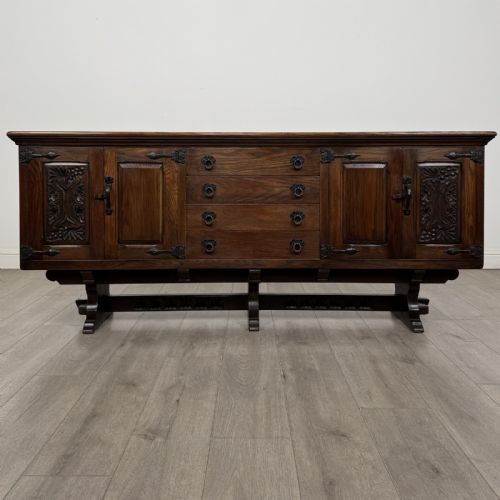
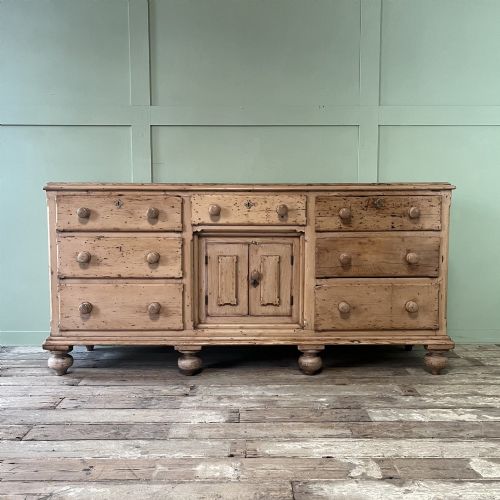
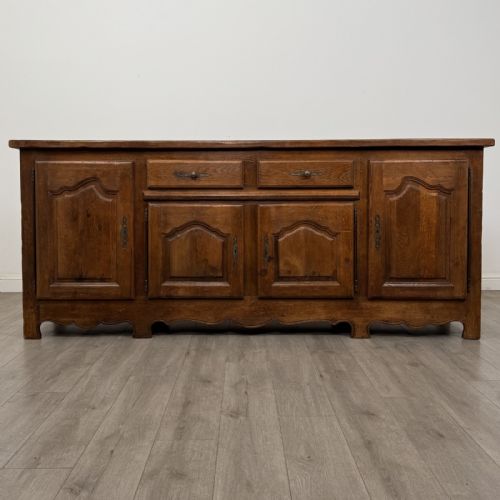
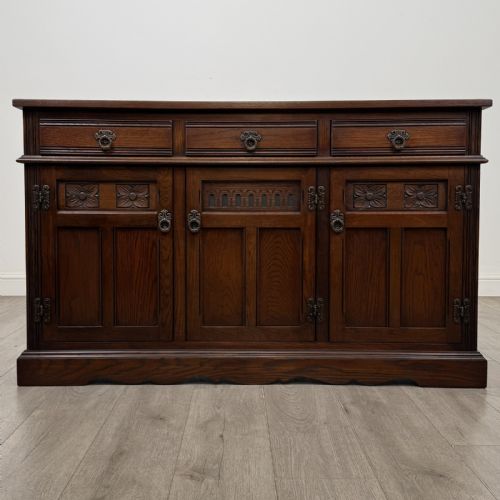
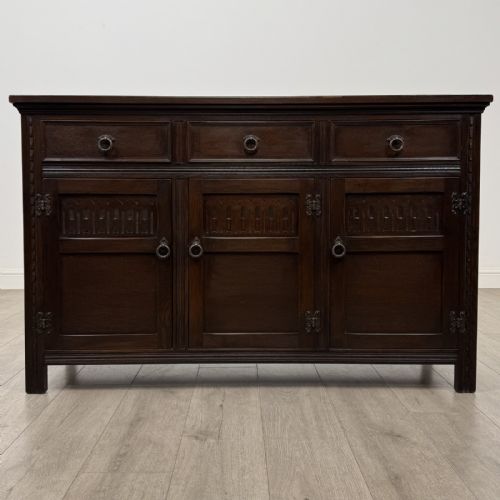
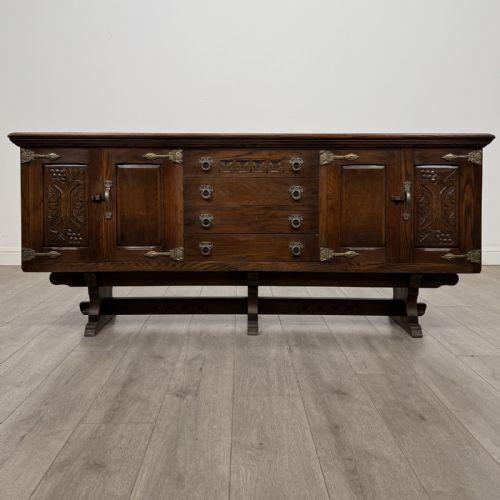
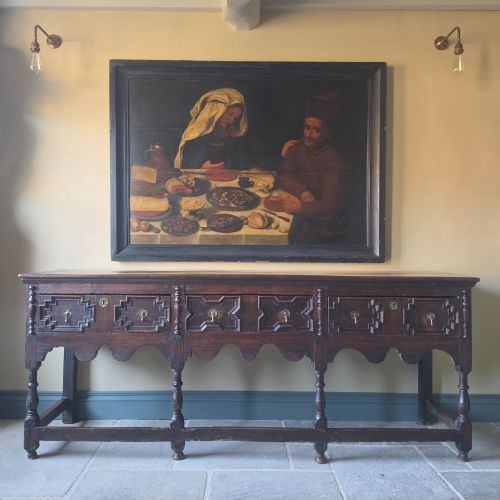
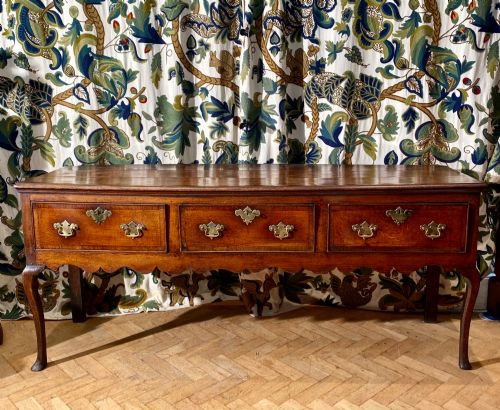
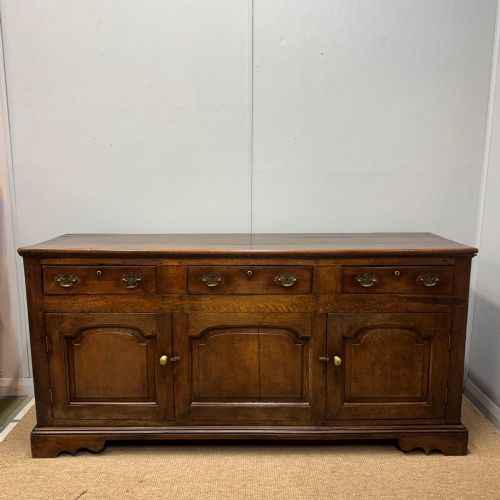
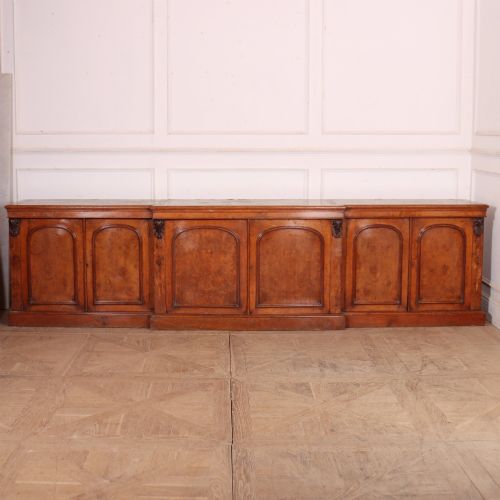
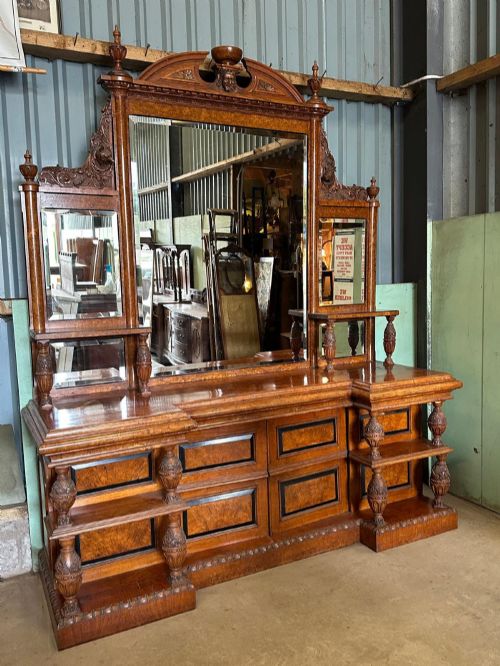
An antique buffet base represents a sturdy form of domestic furniture designed for serving and storage, often categorised alongside sideboards and dresser bases. When searching for an antique buffet base, buyers encounter substantial timber constructions intended for dining rooms and kitchens alike.
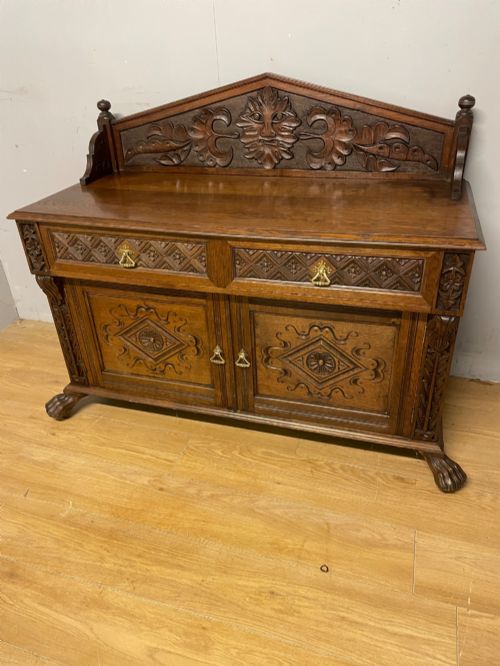
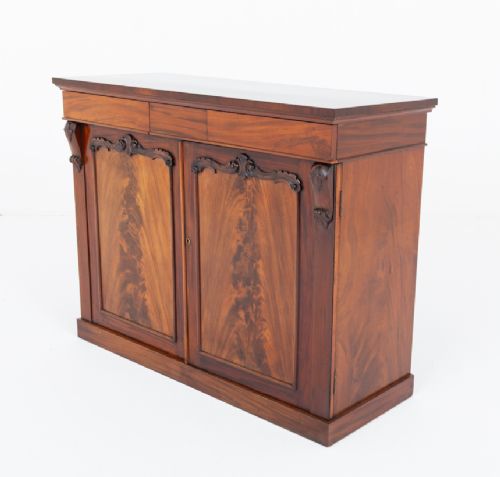
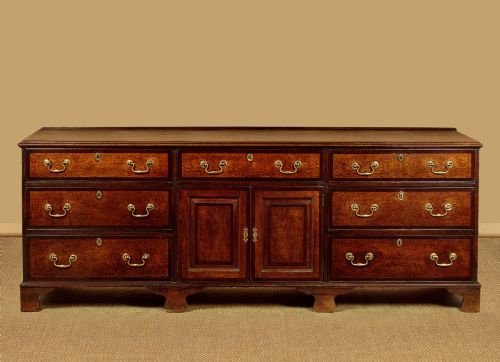
The pieces available span multiple eras, with sturdy oak examples from the eighteenth century sitting alongside mahogany Georgian designs and later Victorian iterations. Oak and pine dominate the simpler country styles, while walnut and mahogany appear in more formal Georgian and Victorian pieces.
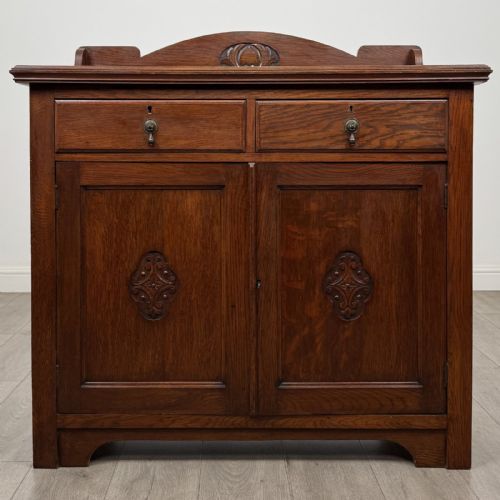
Most items on offer function as low storage units, frequently featuring drawers set above enclosed cupboards. The origins range from English regional workshops to French provincial makers, each bringing distinct regional proportions to the buffet base form.
How They Were Made
Cabinet makers relied primarily on solid timbers such as oak, mahogany, pine, and walnut, often pairing primary display woods with secondary timbers for internal framing and drawer construction. Joinery techniques involved traditional mortise and tenon joints alongside hand-cut dovetails for drawer boxes, ensuring structural rigidity over centuries of daily use.
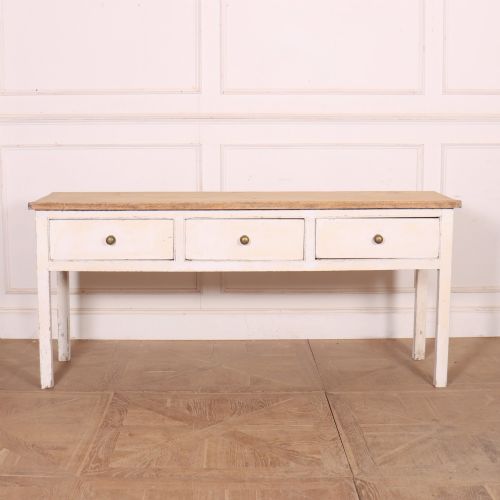
Surface finishes depended on the intended setting, ranging from wax-polished hardwoods to original painted surfaces on kitchen pieces. Decorative elements included hand-carved panels, brass drop handles, and applied mouldings, reflecting the stylistic shifts from George III austerity to Victorian exuberance.
Some nineteenth-century kitchen dressers retain their original paint, having survived generations of enthusiastic domestic cleaning without ever seeing a sander.
What Varies in Quality
The caliber of an antique buffet base rests upon the selection of timber and the crispness of its hand-carved details. Superior examples display carefully chosen grain patterns, particularly in walnut or mahogany veneers, and retain original brass hardware rather than later replacements.
Construction integrity distinguishes the finest pieces, seen in the tight fit of drawer sides and the survival of original backboards and potboards. Workshop proficiency shows in how smoothly doors hang and drawers slide without relying on modern alterations.
The Antique Buffet Base Glossary
- Potboard
- An open slatted lower shelf found beneath early dresser bases, originally designed to hold heavy earthenware pots. This open storage tier defines many eighteenth-century oak pieces.
- Dresser Base
- A low rectangular cabinet fitted with drawers and cupboards, serving as the foundational lower section of a larger kitchen dresser. These versatile units frequently double as sideboards.
- Breakfront
- A cabinet design where the central section projects forward from the flanking outer wings. This architectural arrangement creates visual depth and extra interior capacity.
- Ormolu
- Gilded bronze mountings applied as decorative ornaments to furniture during the eighteenth and nineteenth centuries. These metallic accents catch the light and highlight key architectural lines.
- Enfilade
- A long suite of rooms or, in furniture terms, a multi-door sideboard or low cabinet designed with a continuous facade. French country examples often feature three panelled doors.
Antique Buffet Base: Frequently Asked Questions
What is an antique buffet base used for?
These low cabinets serve primarily as dining room servers or kitchen storage units, providing a flat top surface for food presentation and deep drawers or cupboards underneath for tableware and linens.
Their robust construction makes them suitable for modern living spaces as media consoles or hallway credenzas, combining historical character with practical everyday storage.
How do I date an antique buffet base?
Dating relies on examining construction methods, timber choices, and stylistic traits. Eighteenth-century pieces typically feature pegged oak joinery and hand-sawn boards, while Victorian examples often incorporate machine-cut elements and darker, heavily carved walnut or oak.
Secondary woods inside drawers and the style of the hardware also offer reliable clues to the exact manufacturing decade.
Are buffet bases and sideboards the same thing?
The terms are frequently used interchangeably by dealers and collectors, though subtle distinctions exist in their origins. Dresser bases and buffet bases often originate from kitchens or country houses, featuring potboards or simpler panelled doors.
Sideboards generally emerged later as formal dining room furniture, often featuring more refined mahogany veneers and dedicated cutlery drawers.
How do I care for an antique wooden buffet?
Maintenance requires keeping the wood away from direct heat sources and strong sunlight, which can dry out the timber and cause splitting. Regular application of a traditional beeswax feed helps preserve the moisture and lustre of the historic finish.
Avoid modern silicone polishes, as they build up over time and damage the underlying patina.