
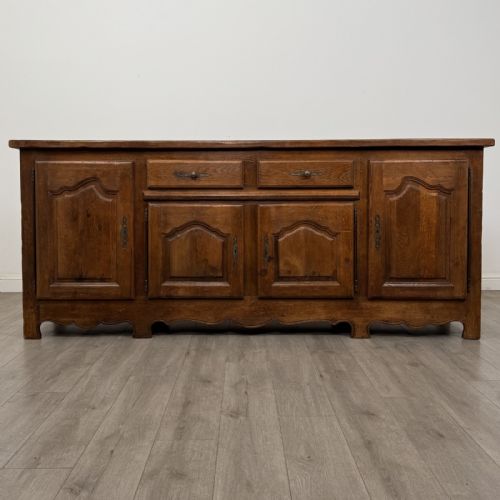
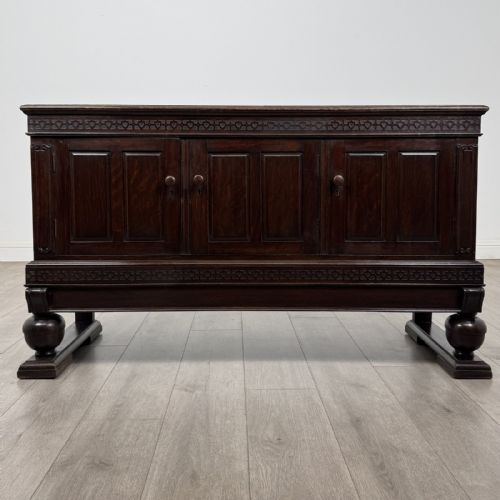
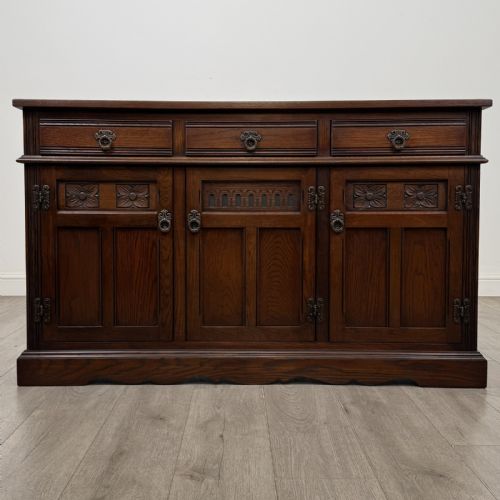
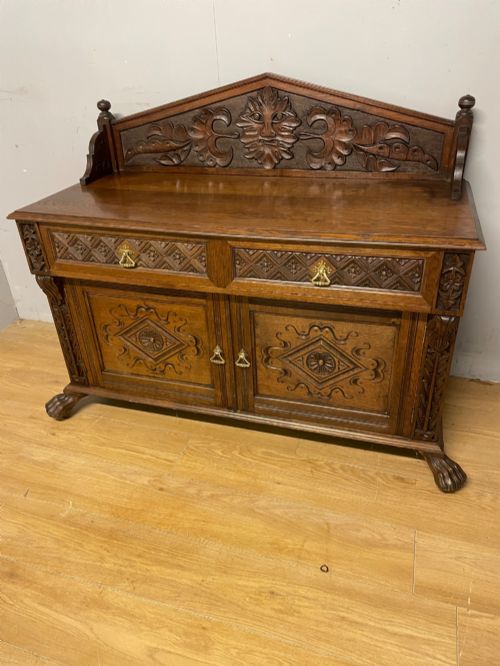
Antique Brown Buffet Server
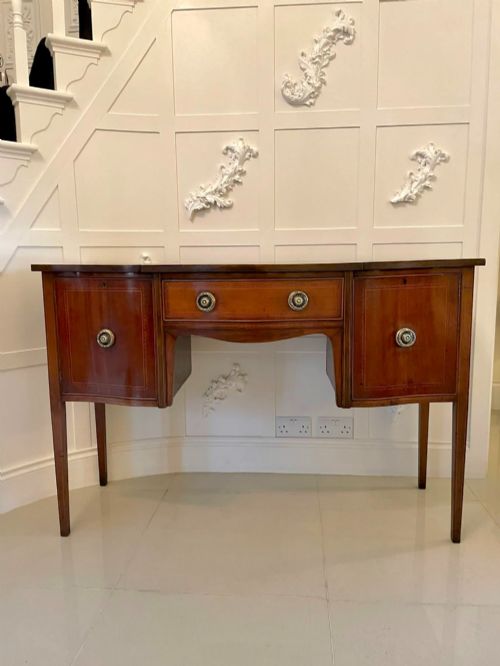
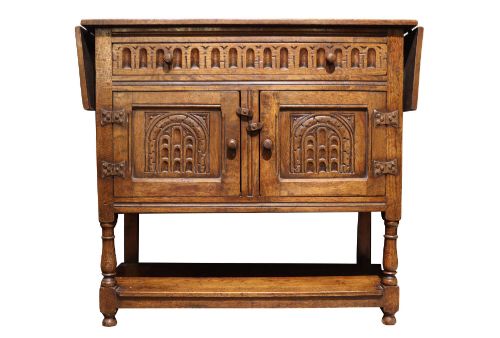
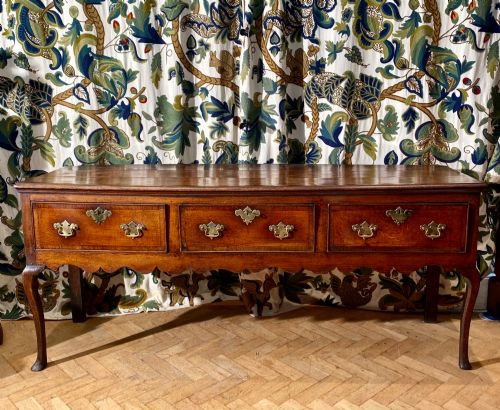
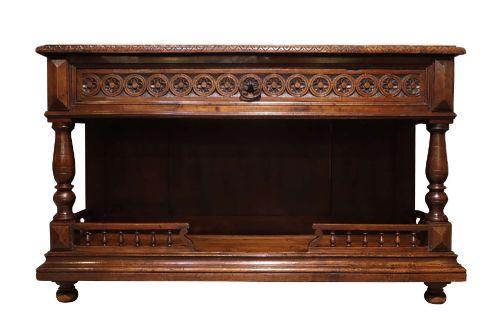
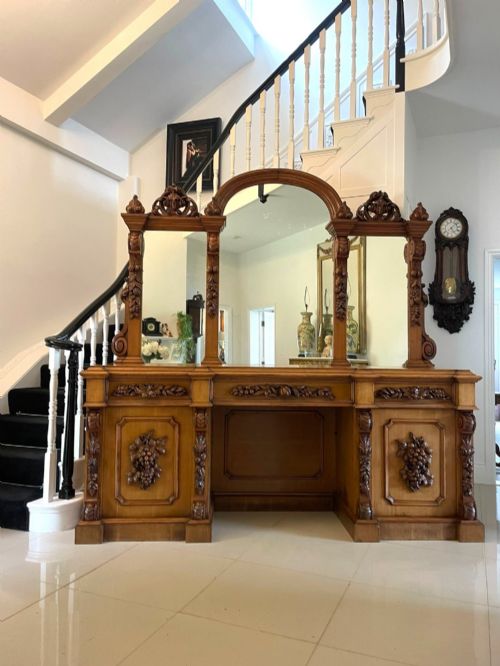
An antique brown buffet server is a substantial dining room piece designed to hold silver, linen and serving dishes.
Antique Brown Buffet Server
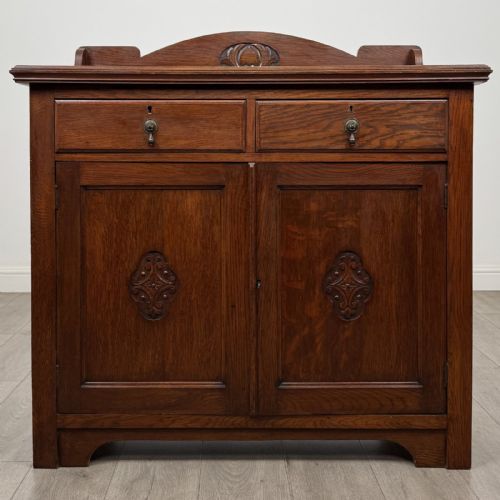
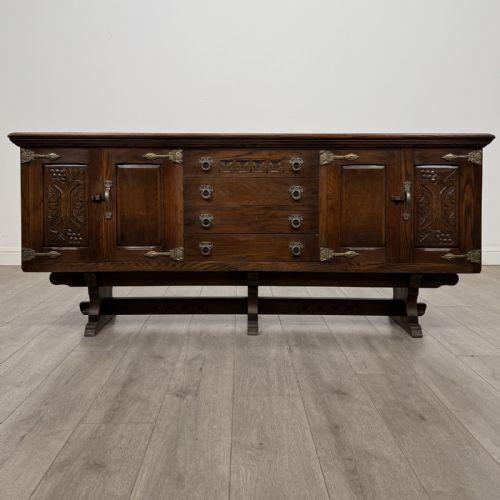
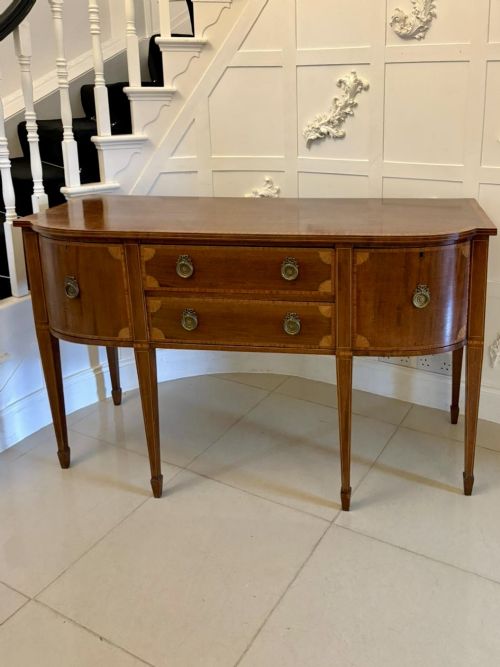
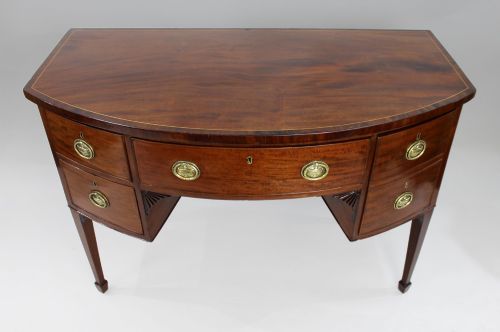
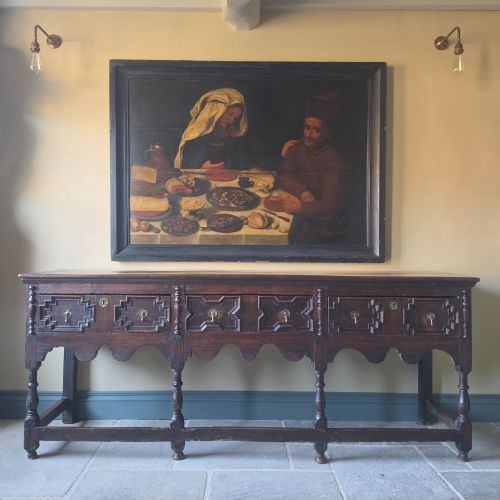
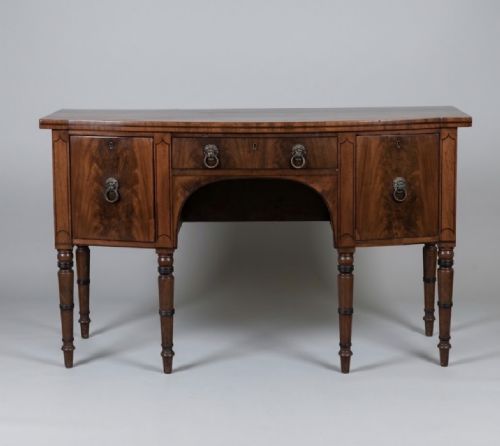
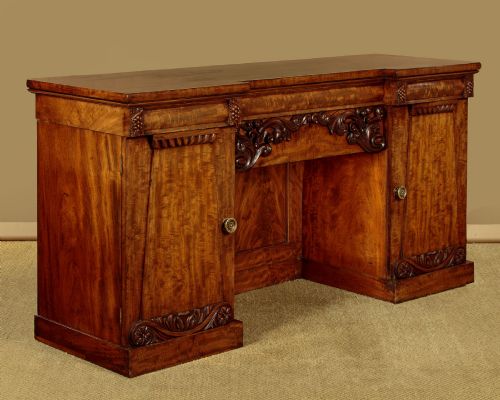
When you search for an antique brown buffet server, you encounter sideboards, dresser bases, serving tables and dumbwaiters spanning the eighteenth, nineteenth and early twentieth centuries. These brown wood storage pieces range from austere Georgian and Regency designs to heavily carved Victorian and Edwardian oak interpretations.
The most common examples on this page are mahogany and oak sideboards featuring bow fronts, breakfronts or serpentine shapes. They served as the central station for dining rooms during periods when heavy hospitality required dedicated furniture for service and storage.
Earlier pieces from the eighteenth century focus on clean architectural proportions and inlaid details, whereas nineteenth-century versions lean towards deep relief carvings and substantial proportions. Later twentieth-century server variations introduce figured burr walnut and modernist influences while retaining the traditional brown wood tone.
Materials and construction
Makers constructed these servers primarily using solid oak and mahogany, often applying figured veneers such as burr walnut, pollard oak and satinwood to primary surfaces for visual depth. Secondary woods like pine or deal frequently appear in drawer linings and internal framing.
Joinery methods relied on traditional hand-cut dovetails for drawers and tenon framing for carcases, ensuring structural stability over centuries of use. Details such as boxwood stringing, marquetry inlay, brass handles and carved panels define the decorative finish of each period.
Listings feature oak, mahogany, burr walnut and satinwood across periods from the eighteenth century to the 1930s.
Assessing craftsmanship
Quality reveals itself in the selection of timber figures and the precision of the grain matching across drawer fronts and doors. Superior examples utilise dense, well-figured mahogany or burr walnut rather than plain cuts, paired with book-matched veneers that mirror each other.
The crispness of hand-carved details and the subtlety of inlaid stringing distinguish workshop-produced pieces from mass-manufactured equivalents. Smooth drawer operation, original brass hardware and untouched timber patination further separate standard storage furniture from exceptional examples.
Hewetsons London·Maurice Adams·Ambrose Heal·Whytock and Reid
The Antique Brown Buffet Server Glossary
- Bow front
- A convex curved cabinet front that projects outward in a smooth arc. This shape gained popularity during the Georgian period to soften the corners of dining rooms.
- Serpentine
- A front configuration featuring a convex centre flanked by concave curves, forming a continuous wave. It requires high skill in veneer matching and cabinetmaking.
- Dresser base
- An open or closed lower cabinet traditionally used in country houses for storing kitchen and dining utensils. These pieces often feature potboards or multiple drawers.
- Dumbwaiter
- A tiered serving stand fitted with revolving or stationary shelves used to hold dishes near a dining table without requiring a servant present.
- Breakfront
- A piece of furniture where the central section projects forward from the flanking outer sections. This creates a distinct architectural shadow line across the front.
Antique Brown Buffet Server: Frequently Asked Questions
What is a buffet server used for?
These pieces served as auxiliary tables during large meals to hold dishes, cutlery and glassware. They kept dining surfaces clear while providing enclosed storage underneath for table linens and silver.
Modern homes utilise them as sideboards in dining rooms, media consoles in living spaces or statement storage pieces in hallways.
How do I date an oak sideboard?
Examination of construction marks, hardware and timber cut reveals the period of manufacture. Eighteenth-century pieces feature hand-sawn timber and pegged joints, whereas Victorian versions incorporate machine-cut elements and heavier applied mouldings.
Secondary woods inside drawers also help determine age, as deal and pine replaced oak linings in later nineteenth-century production.
What is the difference between a sideboard and a buffet?
Traditional usage often distinguished sideboards as formal dining room pieces with deep storage, while servers and buffets were slightly smaller or lower tables designed for presenting food.
Over time, these terms became interchangeable in marketplace descriptions, covering any long wooden storage furniture intended for dining spaces.
How do I care for antique brown wood?
Maintaining the finish requires keeping wooden furniture away from direct sunlight and sudden temperature changes that cause timber to split. Regular dusting with a dry, soft cloth preserves the natural wax patination.
Avoid silicone-based sprays, applying traditional beeswax sparingly only when the surface appears dry to the touch.