
Antique Brass Inlay
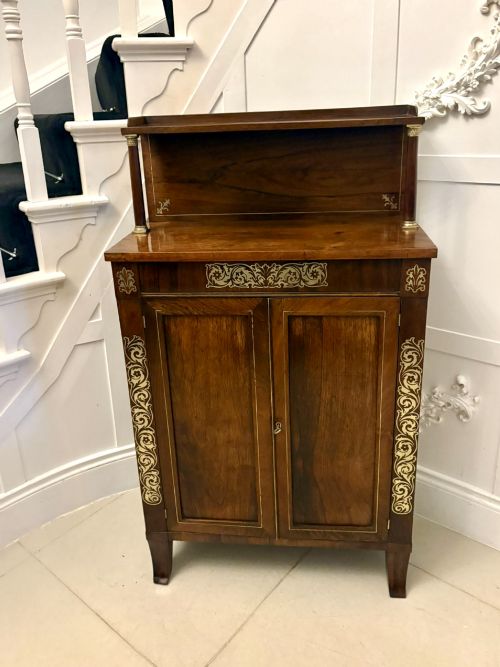
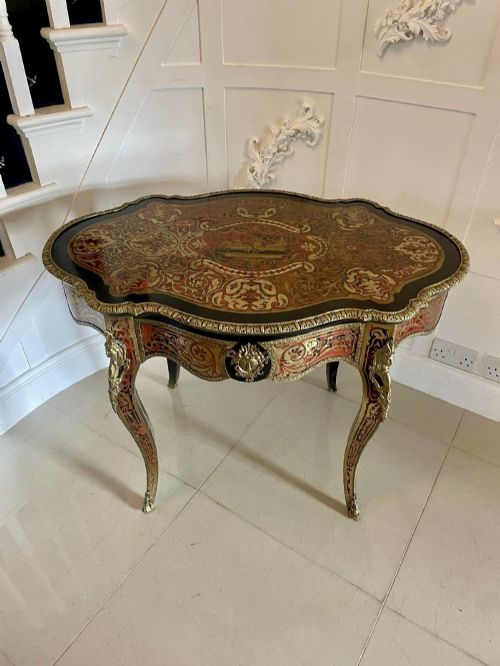
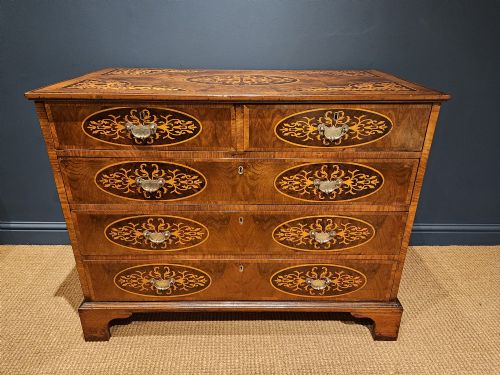
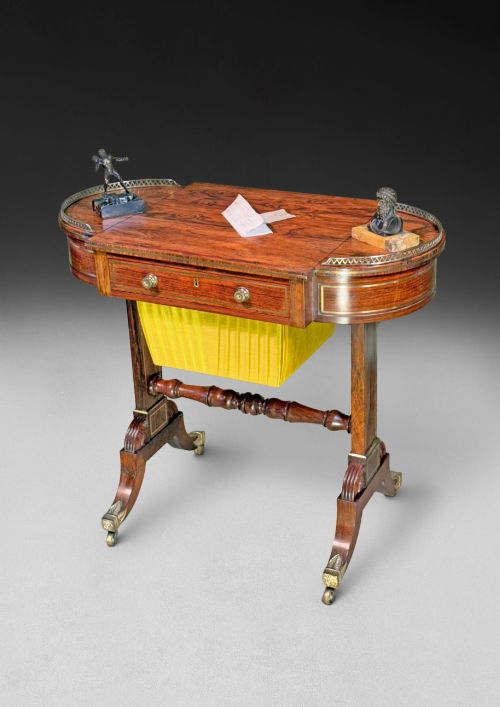
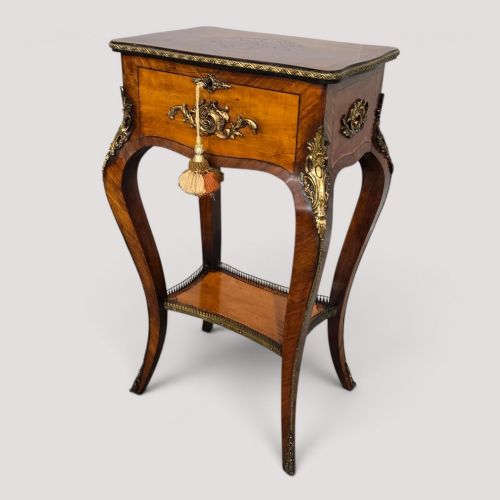
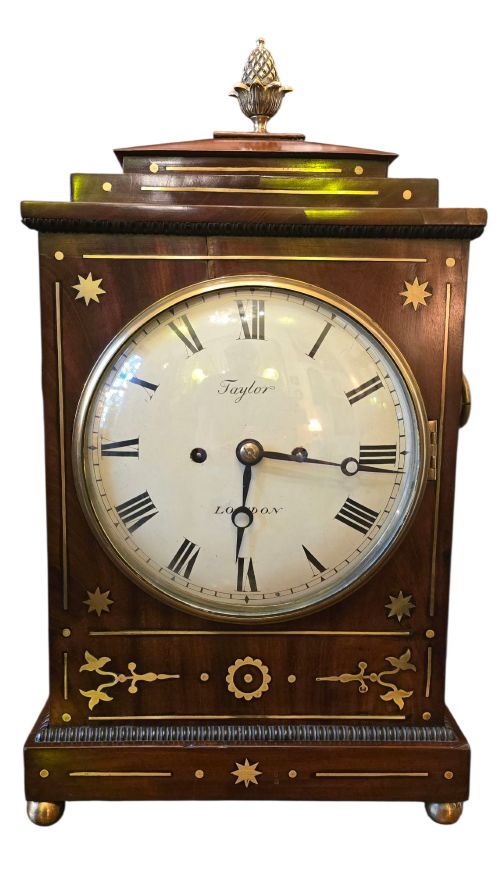
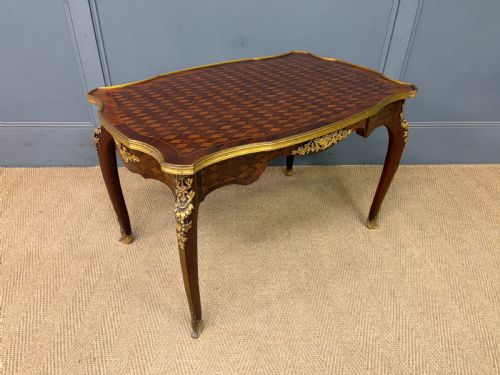
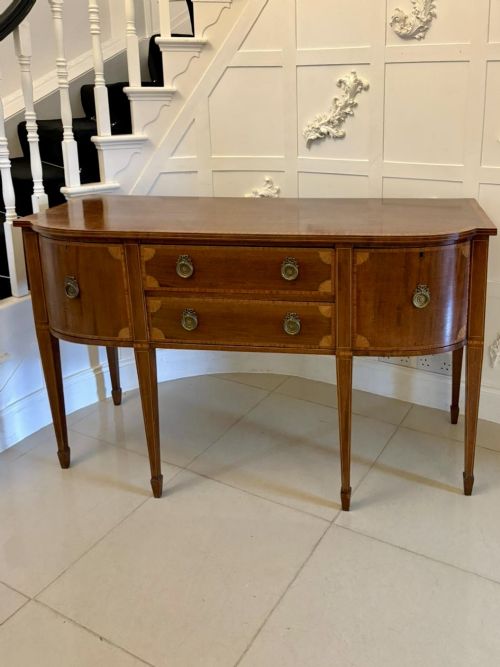
When you examine antique brass inlay, you find precision metalwork set into rich timbers like rosewood and mahogany across Regency and Victorian furniture.
Antique Brass Inlay
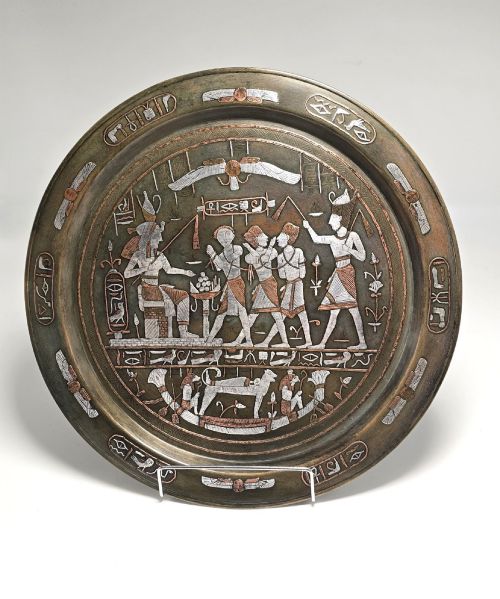
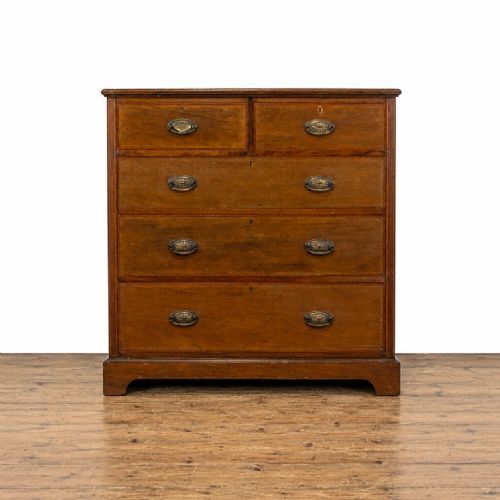
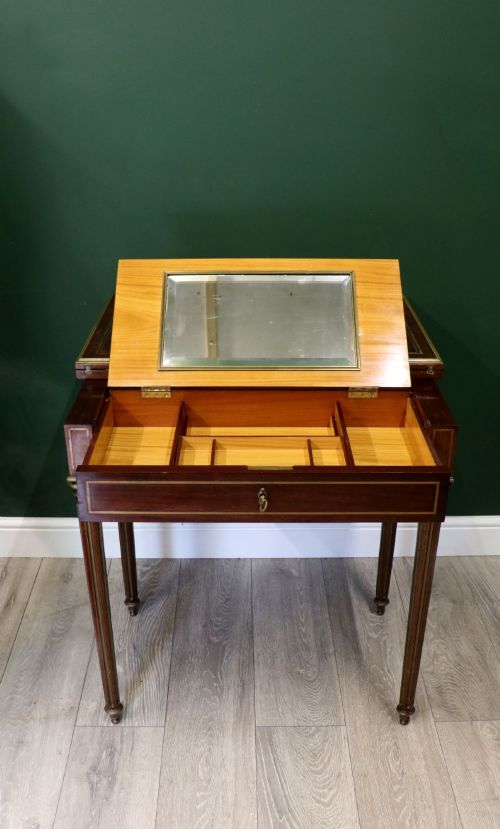
Pieces featuring antique brass inlay span functional household objects and formal furniture, notably card tables, writing slopes, and cabinet pieces. The selection on this page centres predominantly on nineteenth-century Regency and Victorian examples where metal strips form geometric or floral motifs within dark wood surfaces.
Buyers encounter everything from small jewellery boxes and serving trays to large dining chairs and side cabinets. The technique enhances the visual weight of mahogany and rosewood surfaces, creating distinct contrast across panels and borders.
Origins stretch from English workshops to French cabinet makers, utilising contrasting timber grounds. The surviving examples demonstrate how metal ornamentation was applied to both utilitarian storage and formal drawing-room items.
Materials and construction methods
Craftsmen cut precise channels into dense cabinet timbers such as mahogany, rosewood, and satinwood to receive thin sheets of brass. This metal was shaped by hand, pressed into the prepared wooden recesses, and secured with adhesives or tiny pins.
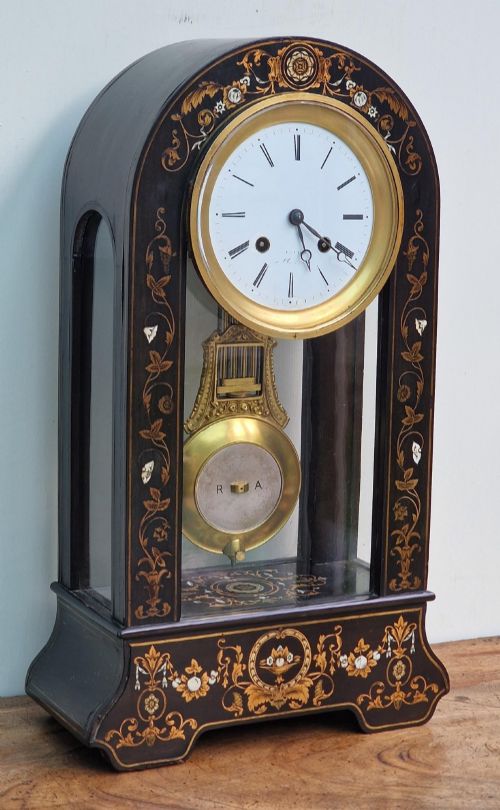
Surfaces were subsequently scraped and polished flush so the metal inlay sat level with the surrounding wood grain. Additional decorative elements like boxwood stringing, ebony, and mother-of-pearl frequently accompanied the metal work to build complex borders.
Shoe snuff boxes prove that historical craftsmen inlaid brass into almost any available wooden surface.
Distinguishing quality across pieces
Quality depends upon the precision of the metal insertion and the tightness of the surrounding timber joints. Superior examples display microscopic gaps between the brass and the wood, whereas simpler items show wider margins filled with dark stopping.
The choice of ground timber dictates the overall calibre of the piece. Dense, highly figured rosewood, burr walnut, and rich mahogany receive finer, more intricate brass designs than utilitarian woods.
George Bullock·Maple and Co·Hewetsons London·Tahan Paris
The Antique Brass Inlay Glossary
- Inlay
- A technique where a material is embedded into a recess flush with the surface of a solid wood or veneered ground. This method defines the appearance of decorative panels.
- Regency
- A style period spanning the early nineteenth century characterised by classical restraint and polished dark timbers. Pieces from this era frequently employ bold metal lines.
- Rosewood
- A dense, heavily figured tropical timber prized for its dark grain and oily lustre. It serves as a primary ground for contrasting metal decoration.
- Escutcheon
- A protective plate surrounding a keyhole, often fashioned from brass to match decorative inlay on boxes and drawers.
Antique Brass Inlay: Frequently Asked Questions
How do I clean brass inlay?
Wipe surfaces gently with a dry or barely damp microfibre cloth to remove dust without disturbing the timber.
Avoid liquid metal cleaners that might seep into the surrounding wood grain and stain the polished surface.
Can missing brass inlay be replaced?
Skilled restorers can cut matching brass sections to fill vacant channels in historical furniture pieces.
Matching the patina of aged metal requires specialised treatment so new sections do not stand out too brightly.
Why does brass inlay sometimes lift?
Wood expands and contracts with changes in household humidity while metal remains rigid, causing bonds to fail over decades.
Gentle pressure and appropriate animal glues typically secure loose strips back into their original wooden channels.
How do I date these pieces?
Examine the underlying furniture construction, secondary woods, and stylistic motifs alongside the metalwork.
Regency and Victorian items show distinct carcass designs and joinery methods that help narrow the decade of production.