

Antique Brass Column
These antique brass column pieces combine classical architectural form with domestic function, bringing structured vertical presence to a room.
Antique Brass Column
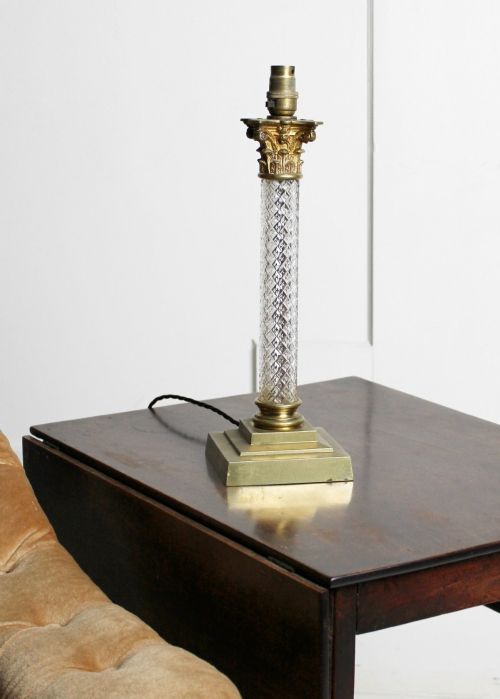
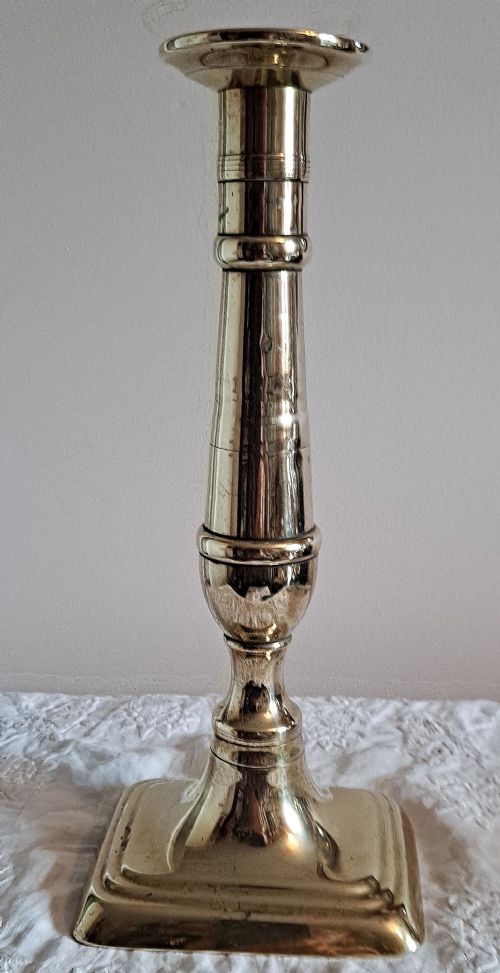
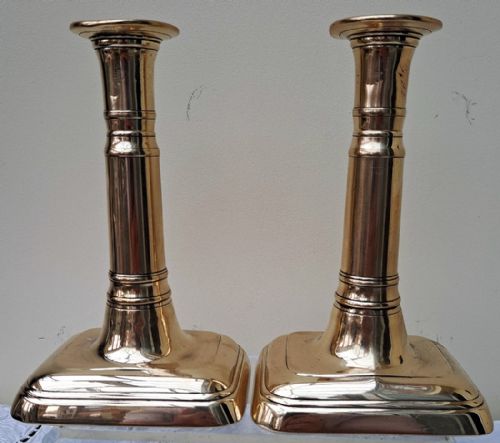
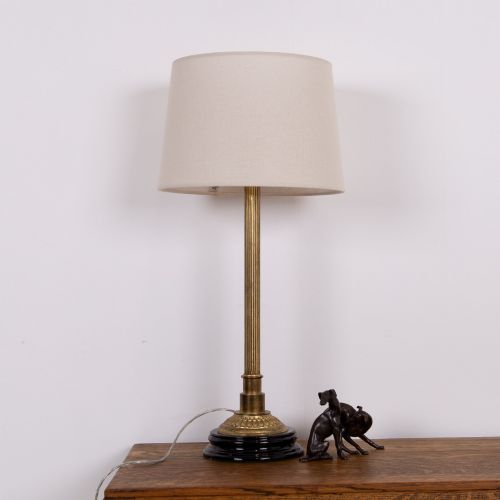
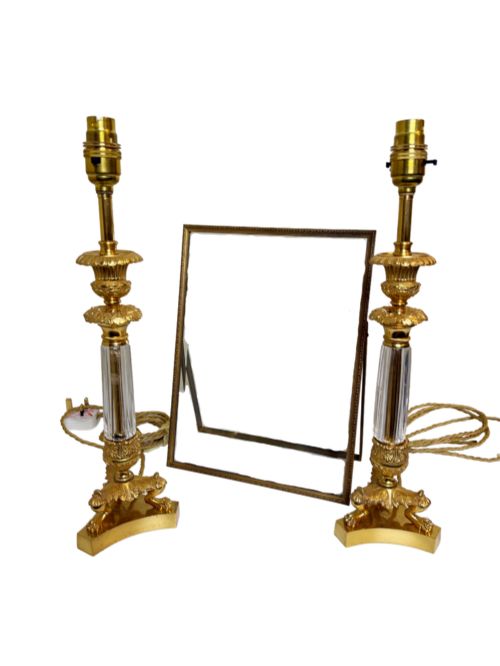
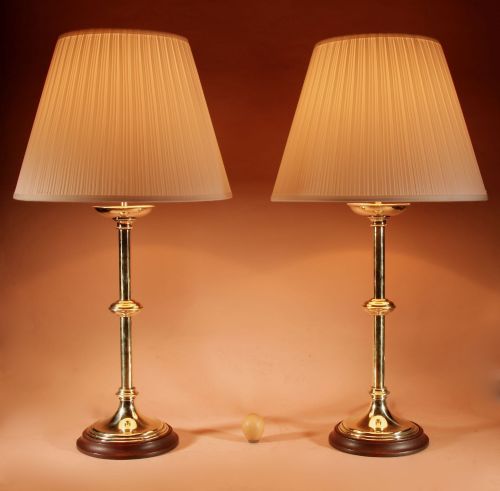
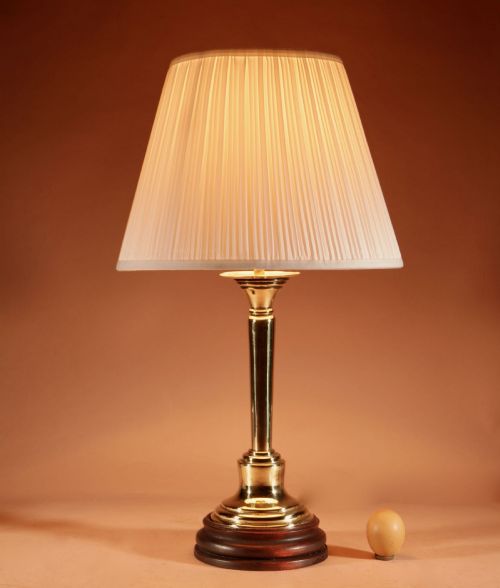
When you search for an antique brass column, you encounter a distinct group of decorative and functional objects drawn from the nineteenth and early twentieth centuries. These pieces manifest primarily as table lamps, oil lamps, candelabras, and candlesticks, where the structural support takes the form of a classical column.
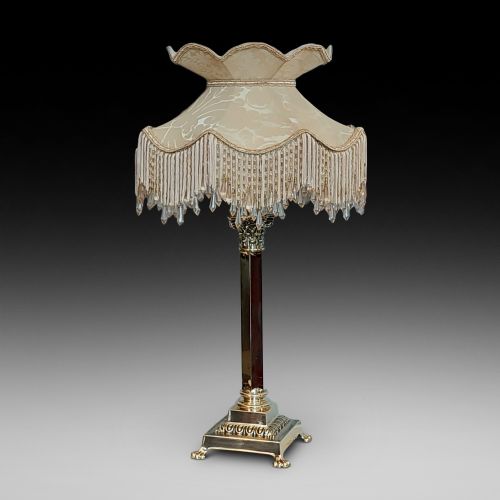
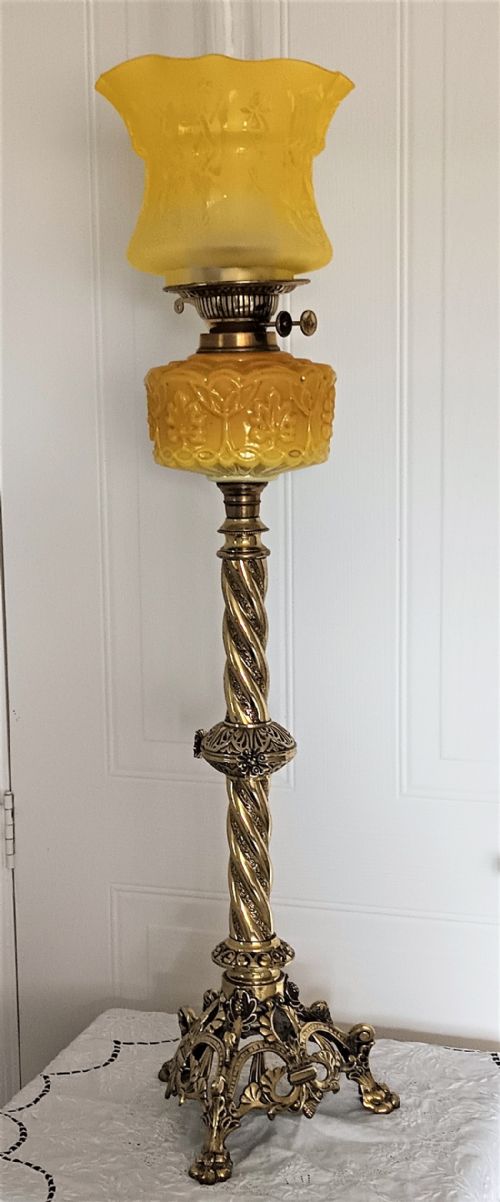
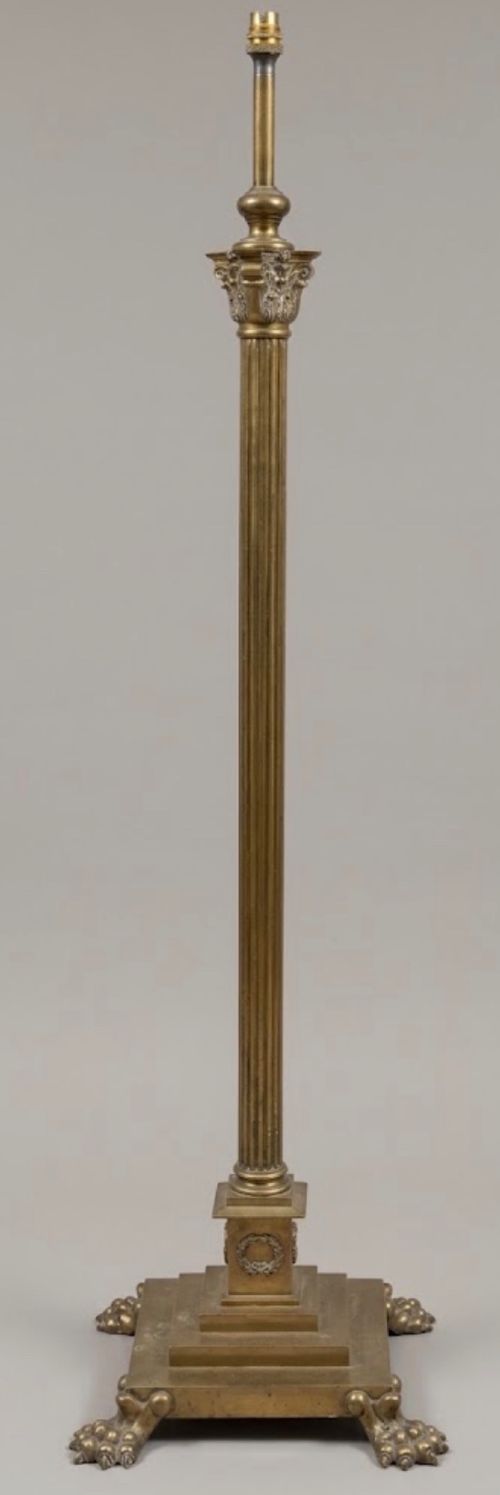
The most frequent examples on this page are oil lamps and table lamps dating from the Victorian and Edwardian periods. These domestic lighting pieces adapt architectural orders, most notably the Corinthian style, into domestic settings using cast and turned metal components.
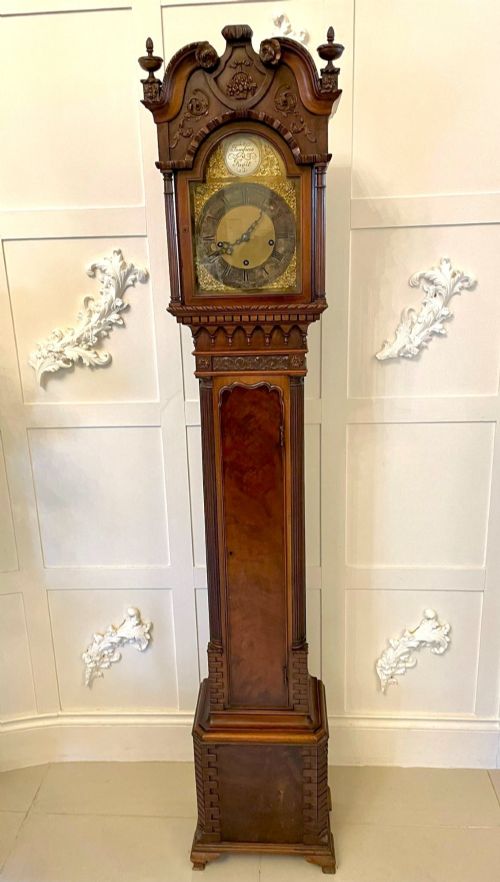
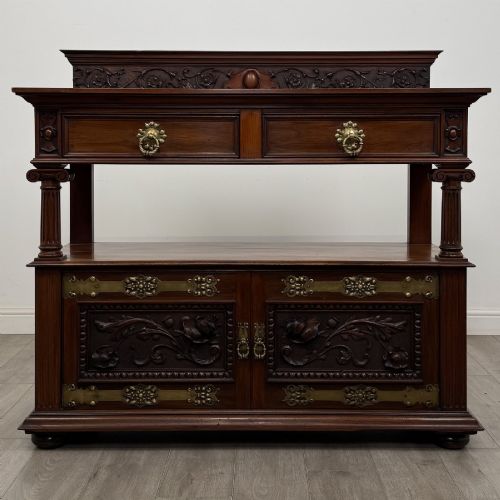
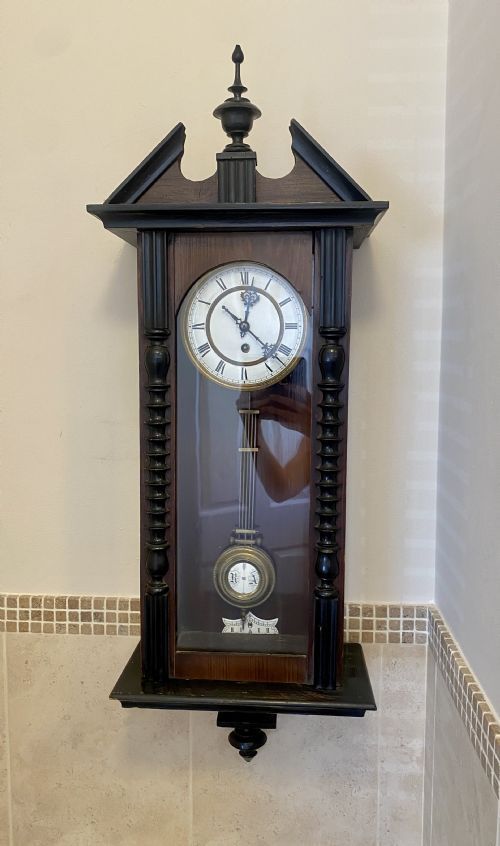
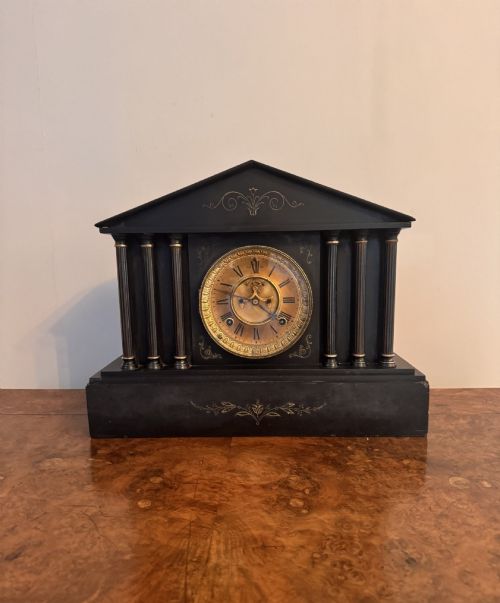
Beyond lighting, the listings include occasional furniture and clocks incorporating brass columns or mounts, spanning Regency, Georgian, and later classical revival styles. The unifying element across these disparate object types is the upright columnar form rendered in brass.
Materials and construction
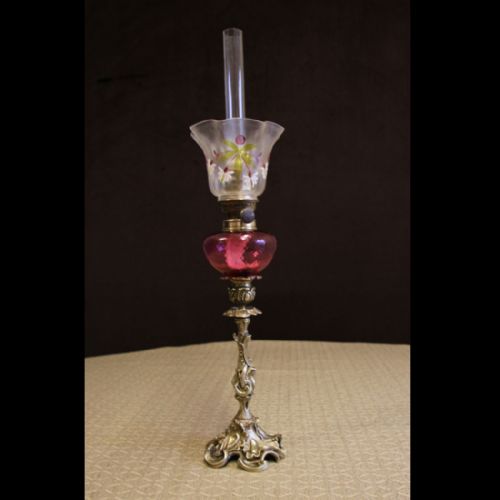
The primary material, brass, is utilised alongside supporting elements of glass, marble, and hardwoods such as mahogany and rosewood. Lamps and candlesticks typically combine cast brass capitals and bases with hollow or weighted metal shafts, occasionally paired with cranberry glass fonts or etched glass shades.
Manufacturing techniques involve metal casting for detailed capitals, such as the acanthus leaves of the Corinthian order, alongside turning and spinning for the column shafts. Where columns support furniture or clocks, they are integrated into wooden cabinetry or mounted upon marble bases using traditional joinery and metal fixings.
Antique Brass Column Retail Price Guide 2026
Typical asking prices for brass column among the pieces listed under this phrase on Sellingantiques today, from the lower quarter to the upper quarter. They describe what is for sale here now, not the wider market.
Several Victorian lamps retain their original winter snow scene shades, proving that even a nineteenth century parlour appreciated a touch of seasonal weather.
Factors that distinguish quality
Quality in these pieces is dictated by the crispness of the metal casting and the fidelity of the classical detailing. Finer examples display deeply chased acanthus leaves on Corinthian capitals and solid, heavy gauge brass components rather than thin, pressed metal plating.
The integration of secondary materials also separates standard production from superior items. Lamps featuring undamaged cranberry glass fonts, heavy marble bases, or patinated surfaces reflecting age demonstrate a higher standard of original manufacture and preservation.
The Antique Brass Column Glossary
- Corinthian column
- An architectural column order featuring an ornate capital decorated with rows of acanthus leaves. This style is frequently adapted for the shafts of nineteenth century oil lamps and candlesticks.
- Duplex burner
- A double wick burner mechanism common on larger nineteenth century oil lamps. It provides a brighter illumination and requires a wider gallery.
- Font
- The oil reservoir of a lamp, often rendered in coloured glass such as cranberry glass to contrast with the polished brass column below.
- Candelabrum
- A branched candlestick holder designed to support multiple candles simultaneously. These often utilise central brass columns for structural elevation.
- Patinated brass
- Metal surfaces that have developed a soft, oxidised coating over time through age and handling. This coloration indicates genuine period use rather than modern polishing.
Antique Brass Column: Frequently Asked Questions
How do I date an antique brass column lamp?
Dating relies on examining the burner mechanisms, wiring methods, and associated materials like glass fonts or marble bases. Victorian and Edwardian examples often feature specific burner stamps or manufacturing patents alongside stylistic cues from classical revival periods.
Later twentieth century reproductions generally lack the hand-finished casting details and heavy gauge metal found in nineteenth century pieces. Comparing the proportion of the brass capital to the shaft helps determine the era of classical design revival.
Were all brass column lamps originally oil lamps?
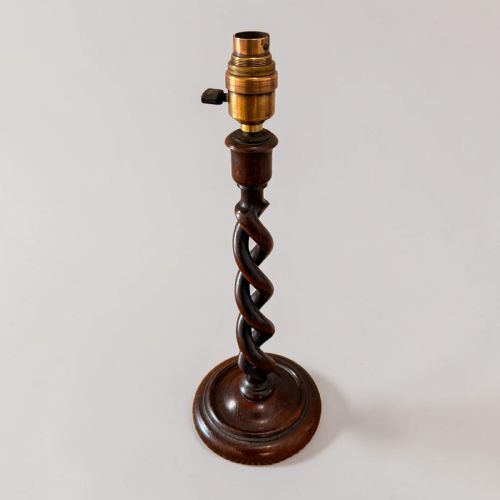
Many surviving examples began as burning lamps fuelled by oil before undergoing later conversion to electricity. This adaptation process is standard for nineteenth century lighting and is typically executed to allow safe domestic use today.
Original oil lamp components, including burners and internal collars, often remain intact even when wired for modern bulbs. Standard table lamps were also manufactured specifically for electrical use by the early twentieth century.
How should I clean a brass column without damaging it?
Maintenance requires gentle dusting and occasional wiping with a soft, dry cloth to preserve the natural aged surface. Aggressive metal polishes strip away historical patination and can damage delicate chased details on cast capitals.
If cleaning is necessary, use a mild non-abrasive cleaner formulated specifically for brass, taking care to avoid surrounding glass or wooden elements. Retaining a warm, darker tone on the metal is generally preferred by collectors over a bright, mirror-like shine.
What is the difference between a candlestick and a column lamp?
Candlesticks are solid or weighted single-light holders designed strictly for wax candles, featuring simpler tops without burner assemblies. Column lamps incorporate functional reservoirs, galleries, or electrical fittings designed to project light upward.
While both share the vertical architectural shaft, lamps are substantially taller and heavier to support shades or glass chimneys safely.