


Antique Brass Caddy
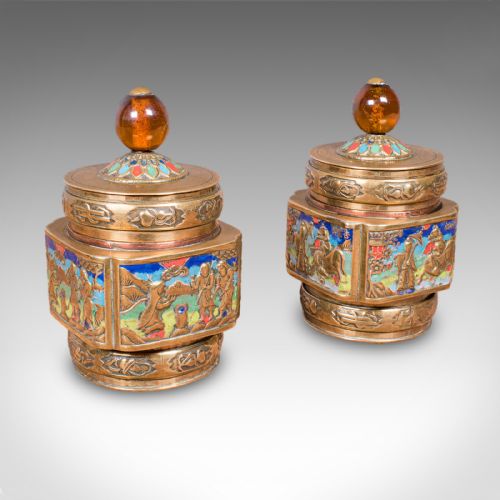
An antique brass caddy brings the refined craftsmanship of Georgian and Victorian storage vessels into modern interiors.
Antique Brass Caddy
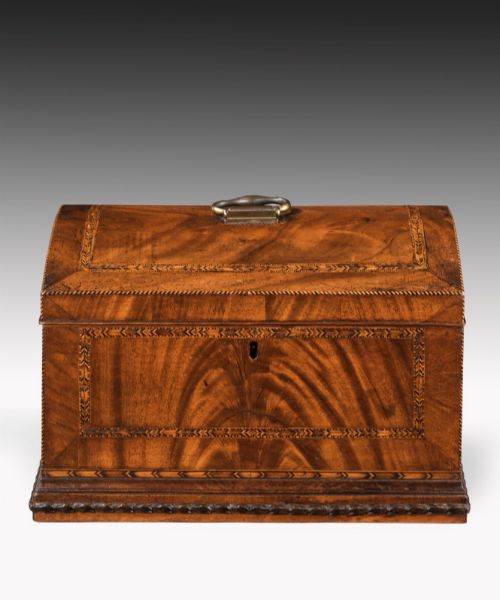
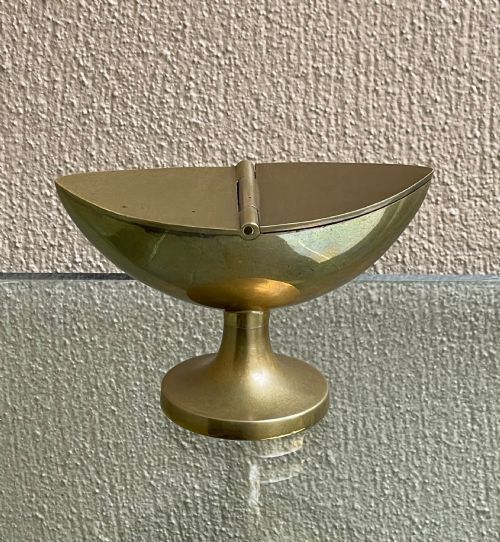
The search for an antique brass caddy reveals domestic receptacles primarily made for storing tea, organising correspondence, or holding stationery. These objects span the eighteenth, nineteenth, and early twentieth centuries, reflecting changing domestic habits across the Georgian, Regency, and Victorian periods.
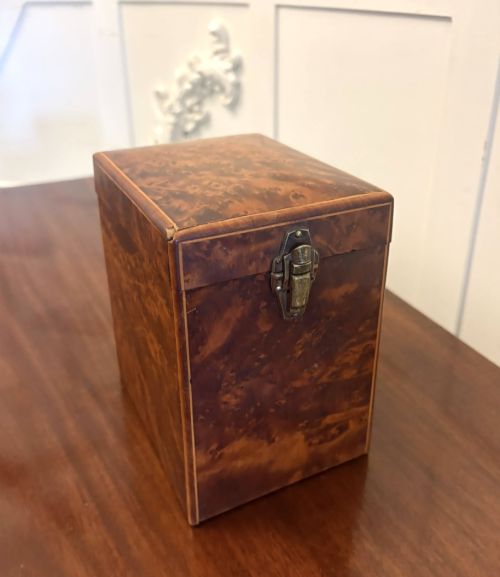
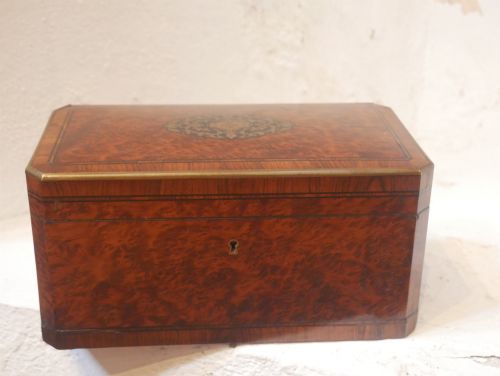
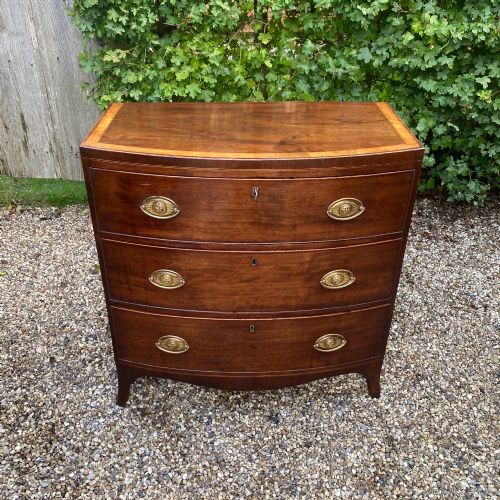
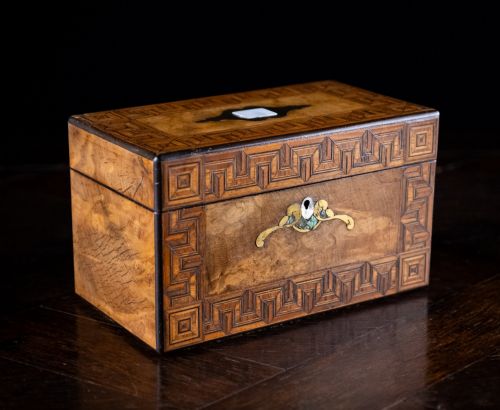
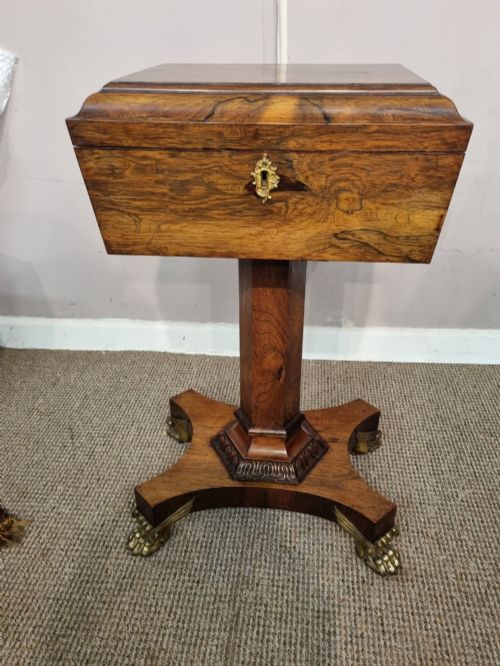
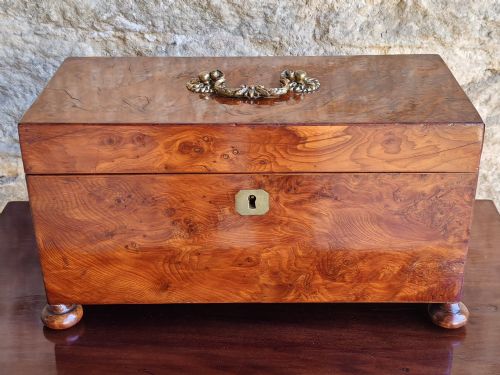
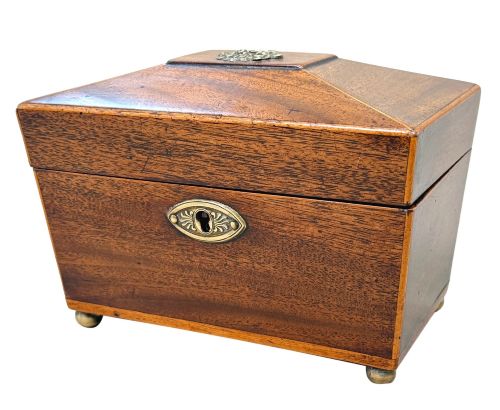
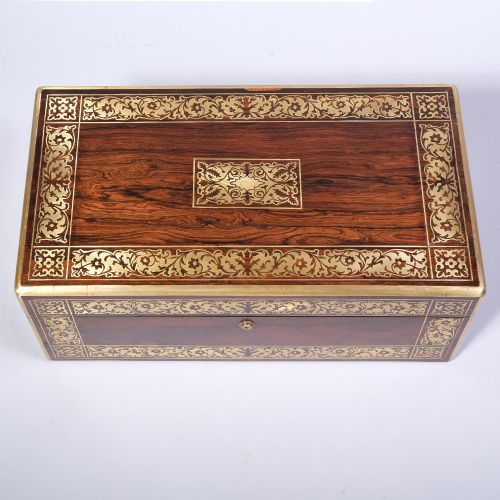
Most examples combine timber structures with brass elements, encompassing tea caddies, letter holders, and stationery boxes. Buyers frequently encounter rosewood, mahogany, and walnut bodies augmented with brass stringing, escutcheons, bindings, or inlaid motifs.
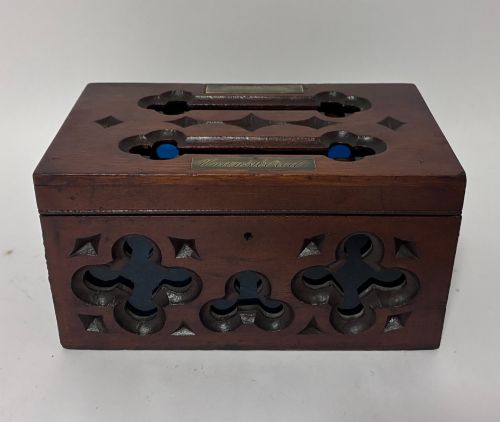
Beyond tea storage, surviving pieces include campaign-style boxes, French stationery holders, and coopered vessels. The variety extends from compact domestic tea chests to larger desk tidies and post racks intended for Victorian writing tables.
How They Were Made
Maker construction relies heavily on dense hardwoods such as mahogany, rosewood, burr walnut, and oak, often formed over sturdy pine or cedar carcases. Cabinetmakers shaped these woods into sarcophagus, domed, or rectangular forms, utilising precision dovetail joints for durability.
Brass enrichment defines the visual language of these pieces, applied through fine stringing, cut-out mounts, escutcheons, and campaign bands. Artisans embedded brass inlay flush into the timber surfaces, frequently pairing the metal with mother-of-pearl, pewter, or ebony details.
Several Victorian oak caddies were specifically designated for sorting incoming daily post and postcards.
What Varies in Quality
Quality rests upon the precision of the cabinetwork and the execution of the metal inlay. Superior items display tight, unblemished dovetailing, perfectly flush brass stringing, and well-fitted internal compartments that retain their original lids or mixing bowls.
The choice of primary timber and secondary veneers heavily dictates the standing of a piece. Finer examples employ highly figured rosewood, burr walnut, or padouk, paired with secondary woods like oak and satinwood, whereas lesser items rely on plain surfaces with minimal decorative enhancement.
Tahan Paris·Mappin & Webb
The Antique Brass Caddy Glossary
- Escutcheon
- A protective plate surrounding a keyhole, frequently cast or engraved in brass. This hardware prevents the surrounding wood from wearing down through repeated use of the key.
- Stringing
- Thin lines of contrasting wood or metal inlaid into the surface of a box. In these pieces, fine brass stringing frames the lid and panels.
- Sarcophagus
- A box shape featuring a convex-sloped lid rising to a flat top, resembling a classical stone coffin. Regency and Georgian makers utilised this silhouette extensively for grand tea caddies.
- Campaign style
- Portable furniture and storage boxes designed for military travel, characterised by recessed brass handles and corner brackets. These robust mounts protected the edges during transit.
- Treen
- Small domestic wooden objects fashioned by turning or carving. This category covers coopered vessels and fruitwood boxes.
Antique Brass Caddy: Frequently Asked Questions
What was an antique brass caddy used for originally?
These boxes served primarily to store and preserve expensive dry tea leaves under lock and key in Georgian and Victorian households.
Over time, the form expanded to encompass stationery caddies, letter racks, and postcard holders designed for desks and hall tables.
How do I identify a Regency period caddy?
Regency examples frequently showcase dark rosewood bodies enhanced with precise, geometric brass inlay and sarcophagus or rectangular proportions.
They often retain lion mask ring handles and original internal compartments for loose tea leaves.
Are original mixing bowls commonly found inside?
Original glass or crystal mixing bowls survive in a small portion of surviving tea caddies, though many were lost or replaced over generations of use.
Their presence adds historical completeness to the piece, sitting centrally between lidded storage canisters.
How should I care for brass inlay on wood?
Maintenance requires gentle dusting with a dry, soft cloth to prevent moisture from settling into the seams between the metal and timber.
A light application of appropriate wax helps nourish the surrounding wood without tarnishing the brass elements.