




Antique Brandy Glass
An antique brandy glass or decanter holds spirits with weight and clarity, bringing tactile history directly to your sideboard.
Antique Brandy Glass
When you search for an antique brandy glass, you encounter vessels designed to hold and pour fine spirits, encompassing both individual glassware and the decanters that serve them. The items on this page span the Georgian, Victorian, and Edwardian eras, alongside later mid-twentieth century examples.
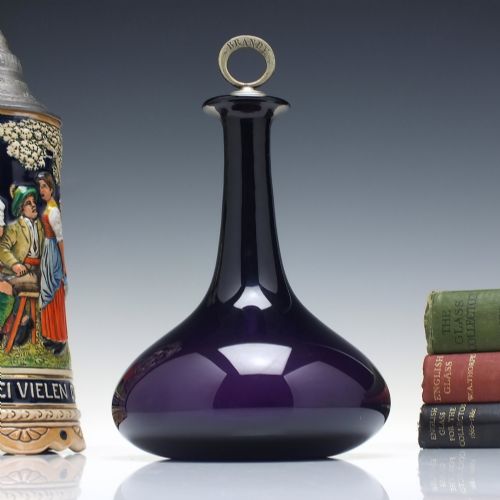
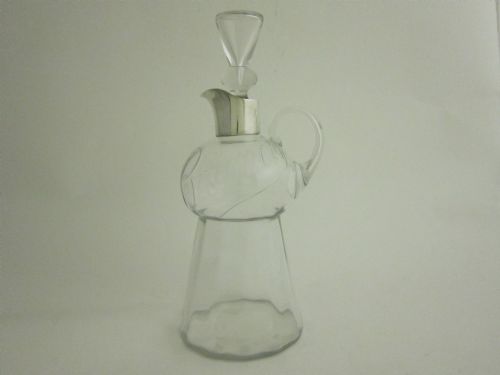
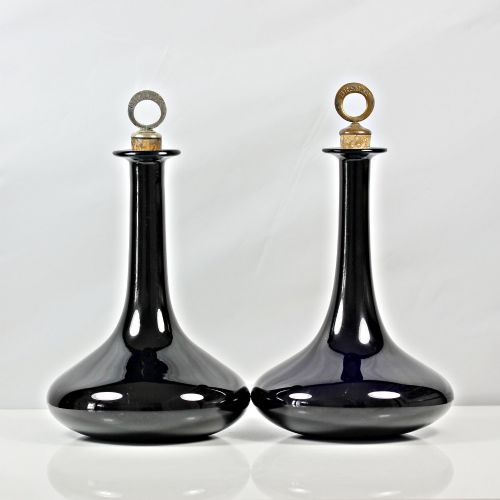
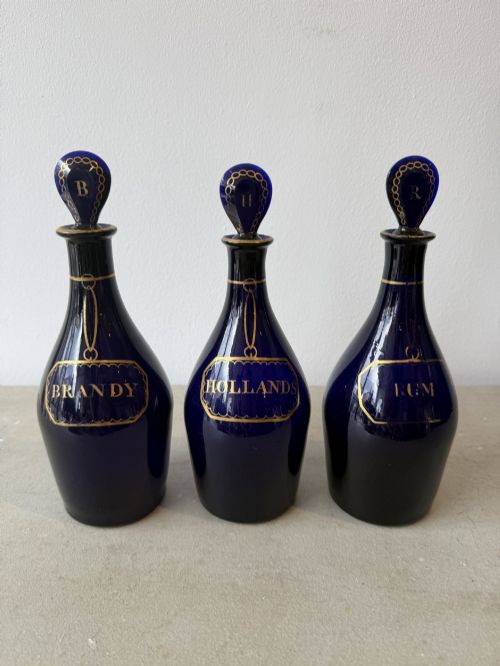
The selection here includes personal decanters, pairs of coloured mell decanters, spirit dispensers, and mounted bottles. Materials range from clear crystal and amethyst glass to Bristol blue and ruby glass, often enhanced by silver mounts or silver plating.
Origins stretch across English workshops and makers, showcasing forms from small personal bottles to large brewery dispensers. Buyers are most likely to meet Victorian and Edwardian glass decanters featuring etched labels or precious metal collars.
How they were made
Vessels in this range rely on traditional glassblowing techniques, including optical blowing to create internal ribbed patterns within the metal of the glass. Workshops shaped molten material by hand before cooling and finishing.
Metalwork complements the glassware through sterling silver collars, silver gilt mounts, and heavy silver plated frames. Artisans applied hand-engraving directly onto the crystal surfaces to label specific contents like brandy.
Antique Brandy Glass Retail Price Guide 2026
Typical asking prices for brandy glass among the pieces listed under this phrase on Sellingantiques today, from the lower quarter to the upper quarter. They describe what is for sale here now, not the wider market.
A massive glass fountain once served brandy directly from a brewery in Watford.
What varies in quality
The distinction between standard vessels and exceptional pieces lies in the depth of hand-engraving and the purity of the coloured glass used. Rich tones like Bristol blue or amethyst require skilled chemical composition during manufacture.
Hardware details also elevate a piece, such as fully hallmarked sterling silver mounts rather than basic plating. Maker attribution from notable firms adds documented provenance to the craftsmanship.
James Powell London·Freeman And Son Ltd
The Antique Brandy Glass Glossary
- Mell decanter
- A specific bottle shape with a rounded body and a tapering neck, often produced in coloured glass during the nineteenth century.
- Tantalus
- A locked wooden or metal frame holding spirit decanters securely while displaying the bottles inside without granting access to the contents.
- Bristol blue
- A deep cobalt-blue glass historically produced in the English city, prized for its intense colour and depth.
- Silver gilt
- Silver objects that have been coated with a thin layer of gold on the surface, providing a rich dual-tone finish.
Antique Brandy Glass: Frequently Asked Questions
What is a spirit tantalus?
A spirit tantalus is a locking frame designed to secure decanters of brandy or whisky, preventing unauthorized pouring while displaying the bottles.
These pieces typically feature a wooden or metal framework with a locking bar that catches the stoppers, allowing hosts to control access to their drinks.
How do I identify Bristol blue glass?
Bristol blue glass is recognised by its deep, vibrant cobalt coloration, which was achieved through specific mineral additions during the manufacturing process in English glasshouses.
Pieces often date from the Georgian and Victorian eras, appearing in forms such as mell decanters and serving sets.
Where were these decanters made?
The majority of these pieces originate from English workshops and factories, utilising traditional glassblowing and silversmithing techniques.
Maker signatures or silver hallmarking on the mounts often point to London-based craftsmen and firms.
How should I care for antique glass?
Antique glass requires gentle hand washing in lukewarm water with mild soap, avoiding sudden temperature changes to protect the material.
Decanters with silver collars or gold leaf details should be dried promptly and kept away from harsh chemical abrasives.