





Antique Botanical Specimens
Antique botanical specimens are tangible records of the natural world, offering collectors a direct link to historical natural history and domestic science.
Antique Botanical Specimens
Antique botanical specimens encompass a varied group of objects connected to the study and display of plant life, ranging from framed flower pressings to teaching models. When exploring antique botanical specimens, a buyer encounters items dating from the nineteenth and early twentieth centuries, including the Victorian and Edwardian eras. These pieces bridge scientific documentation and decorative arts, reflecting a past era's fascination with natural history.
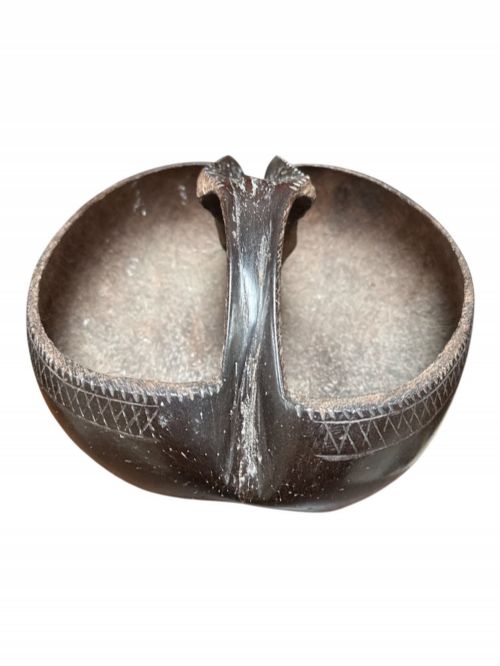
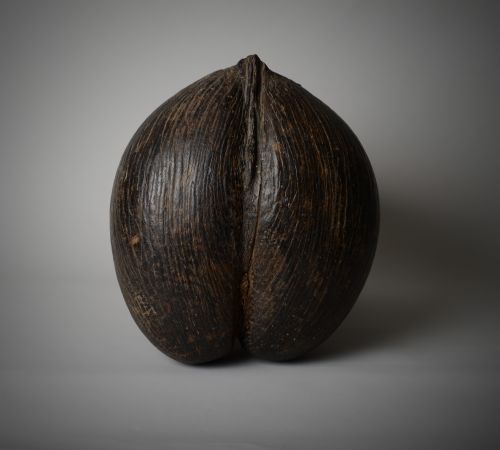
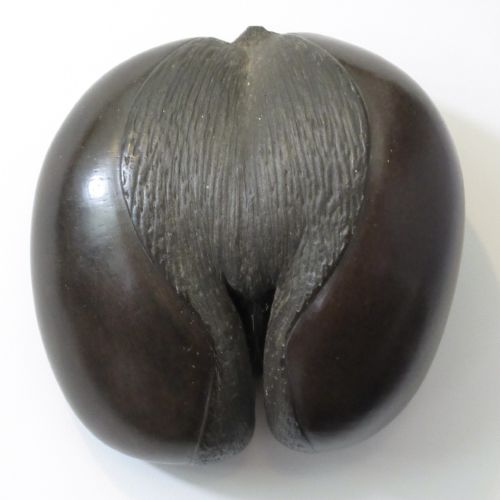
The items found within this category include educational aids such as mushroom models alongside framed herbarium pages and preserved seed pods. Coco de mer shells and seed pods also appear, reflecting the broad nineteenth-century taste for curiosities from distant lands. Traditional botanical artwork and pressed flower arrangements represent the more domestic side of this collecting field.
Victorian and Edwardian utilitarian pieces, alongside items from the Aesthetic Movement and cabinet of curiosities traditions, form the core of what is available. English and Italian origins feature prominently in the present selection, showing how different cultures approached the preservation and display of plant material. Each piece offers a distinct physical record of historical botany and craftsmanship.
How they were made
Makers utilised wood, paper, glass and plaster to construct these scientific and decorative pieces, often combining organic matter with manufactured frames and containers. Dried flora and plant pressings required careful handling and mounting onto paper sheets, sometimes protected beneath glass domes or within wooden display cases. Pine and other timbers provided the structural support for seed chests and collector tables.
Plaster served as the primary medium for three-dimensional teaching aids like botanical models, which were then painted to replicate natural specimens accurately. Brass hardware frequently secured display domes and cabinetry, adding durability to educational and domestic pieces. Folk art frames utilised simple woodworking techniques to enclose delicate paper herbarium sheets.
Antique Botanical Specimens Retail Price Guide 2026
Typical asking prices for botanical specimens among the pieces listed under this phrase on Sellingantiques today, from the lower quarter to the upper quarter. They describe what is for sale here now, not the wider market.
Materials recorded across the inventory comprise wood, paper, glass, coco de mer shell, pine, brass, dried flora and plaster.
What varies in quality
The standard of preservation in the organic material dictates much of the physical integrity across these items. Intact pressed flora and undamaged plaster models represent the more resilient examples of historical botanical preparation. Fading or structural loss in delicate plant matter changes the visual weight of a piece.
The quality of the housing, whether a glass clock case, an inlaid occasional table or a folk art frame, influences the overall character of the object. Finer cabinetry work and careful joinery in seed chests and display tables distinguish standard utility items from more ambitious commissions. The precision of the botanical or anatomical detailing on teaching models also separates basic school equipment from finer anatomical representations.
The Antique Botanical Specimens Glossary
- Herbarium
- A collection of preserved plant specimens and associated data used for scientific study. These sheets are typically pressed and mounted on heavy paper.
- Cabinet of Curiosities
- An early form of museum room or display case where collectors gathered a wide variety of natural history specimens and artefacts. These assemblages reflected Renaissance and Victorian curiosity about the natural world.
- Coco de Mer
- A palm species native to the Seychelles, known for producing the largest seed in the plant kingdom. Victorian collectors prized these distinctive double-lobed seed pods as exotic natural oddities.
- Educational Natural History
- Specimens and models created specifically for classroom instruction during the nineteenth and early twentieth centuries. They combined scientific accuracy with robust materials for regular handling.
- Aesthetic Movement
- A late nineteenth-century design style that emphasised visual beauty over narrative or moral content. Objects from this period often integrated natural motifs into domestic furniture.
Antique Botanical Specimens: Frequently Asked Questions
What are antique botanical specimens?
Antique botanical specimens are preserved plants, scientific models, and display pieces originating from the nineteenth and early twentieth centuries. They include herbarium sheets, pressed flowers, and teaching aids.
These items reflect the historical intersection of scientific study, education, and domestic decoration during the Victorian and Edwardian periods.
How were botanical specimens displayed?
Victorian collectors typically housed delicate specimens inside glass domes, display cases, or specialised collector tables to protect them from dust and damage. Framed herbarium pages and pressings hung directly on walls as decorative artwork.
Educational models stood in classrooms or lecture halls, while exotic seed pods rested on tables within cabinets of curiosities.
How do I care for antique specimens?
Preserved plant material and paper require protection from direct sunlight to prevent fading of the natural colours. Keeping them in stable humidity conditions prevents the deterioration of organic matter and paper supports.
Glass domes and enclosed cabinets should remain sealed to protect fragile interior elements from physical contact.
How can I tell the period of a piece?
Dating relies on the materials, framing techniques, and accompanying documentation associated with the object. Victorian and Edwardian pieces often utilise specific woods like pine alongside hand-written botanical labels.
Stylistic cues from movements such as the Aesthetic Period or specific manufacturing techniques in plaster models also help narrow down the decade of origin.