



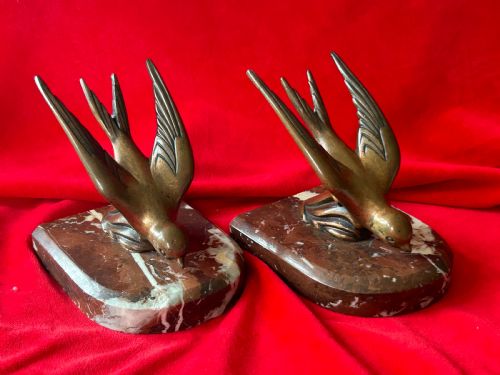


Antique Book Sculpture
These antique book sculpture pieces combine literary devotion and sculptural craft to anchor a study or library table.
Antique Book Sculpture
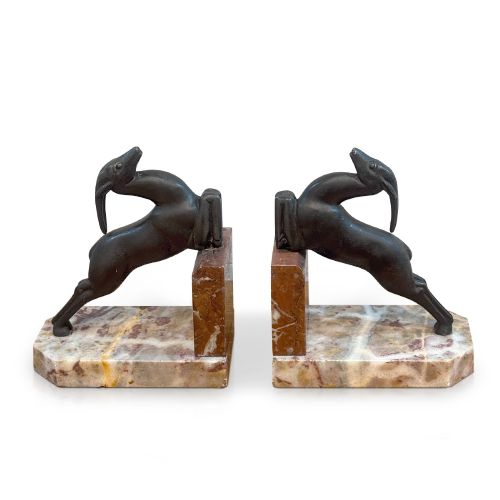
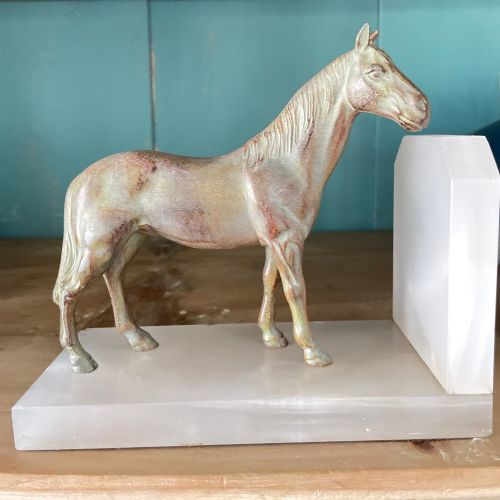
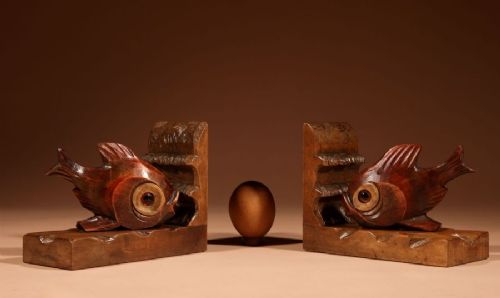
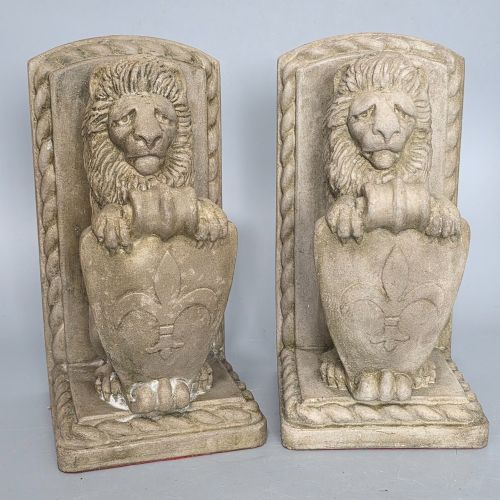
When you search for antique book sculpture, you encounter functional objects and figures including bookends, lecterns, and free-standing carvings that celebrate literature and reading. The selection relies heavily on bookends featuring animals and figures, alongside substantial oak lecterns and bronze sculptures.
Most examples date from the Victorian, Edwardian, and Art Deco periods, spanning the nineteenth and early twentieth centuries. These pieces reflect diverse aesthetics, ranging from Black Forest and Gothic Revival to French Art Deco.
Forms vary from practical pairs of animal bookends supporting volumes to large figural sculptures and church-style eagle lecterns. You will find works originating from England, France, Italy, and Bolivia among the current selection.
Materials and methods
Maker's hands shaped these pieces using traditional methods across bronze, carved wood, marble, oak, and ceramic. Bronze and spelter versions often utilise casting techniques, finished sometimes with cold painting or gilt details.
Woodworking traditions appear in carved pine, oak, and hardwood sculptures and lecterns, particularly within Black Forest and Gothic Revival styles. Artisans also employed ceramic and glass media to execute figural designs.
Antique Book Sculpture Retail Price Guide 2026
Typical asking prices for book sculpture among the pieces listed under this phrase on Sellingantiques today, from the lower quarter to the upper quarter. They describe what is for sale here now, not the wider market.
Listings feature materials spanning bronze, marble, oak, glass, and chrome across the nineteenth and twentieth centuries.
Quality distinctions
The standard of carving or casting defines the upper tier, where anatomical precision in animal figures and sharpness in facial expressions distinguish master craftsmanship from mass production. Signatures from established artists or potteries elevate individual pieces significantly.
The choice of dense hardwoods and patinated bronzes over softer materials indicates superior creation. Preserved surface finishes and original painted details retain the integrity intended by the maker.
C Omin·V Ramirez·Compton Potters Art Guild·Moreau·Herzig
The Antique Book Sculpture Glossary
- Lectern
- A reading desk with a sloped top, typically designed to support large books or manuscripts in a church or study. Historic examples frequently incorporate carved wood or brass depictions of eagles.
- Bookends
- A pair of heavy objects placed at either end of a row of books to keep them upright. They often take sculptural forms such as animals, human figures, or architectural elements.
- Spelter
- An alloy of zinc and lead used widely as a cheaper substitute for bronze in Art Deco figural casting. It is commonly painted to imitate bronze or other metals.
- Cold painted
- A method of decorating bronze sculptures where oil-based paint is applied to the cold metal without heat firing. This technique produces detailed polychrome finishes on small animal and figural subjects.
- Black Forest
- A style of intricate wood carving originating from the mountainous region of Central Europe. Pieces in this tradition often feature realistic depictions of local wildlife.
Antique Book Sculpture: Frequently Asked Questions
What is an antique book sculpture?
These items encompass decorative and functional objects sculpted to celebrate literature, reading, and learning. They include carved wooden bookends, cast metal figural sculptures, and ecclesiastical lecterns.
Most pieces serve a practical purpose on a desk or shelf while displaying the artistic styles of their respective eras, such as Art Deco or Victorian revivalism.
How do I date an antique lectern?
Dating relies heavily on the timber species used, the depth and tool marks of the carving, and the overall architectural style. Oak and pine pieces often display stylistic clues tied to Georgian Revival or Gothic Revival movements.
Examining construction joints and the wear patterns on the book-rest provides further evidence of the period of manufacture.
Where should I place book sculptures?
These pieces suit studies, libraries, and living rooms where they can function as desk accessories or mantel ornaments. Heavy metal and stone bookends safely support rows of heavy volumes on open shelves.
Free-standing figures and smaller carvings work well on side tables or within dedicated display cabinets away from direct sunlight.
How do I identify Art Deco bookends?
Art Deco examples typically feature streamlined geometric forms, stylised animal motifs such as sea lions, and materials like chrome, glass, and patinated spelter or bronze. Many date from the 1920s and 1930s.
Signatures from period artists or foundries frequently appear on the bases of these modernist sculptures.