




Antique Bon Bon Dishes
Antique bon bon dishes are charming vessels for sweets that bring tactile elegance and historical character to any table.
Antique Bon Bon Dishes
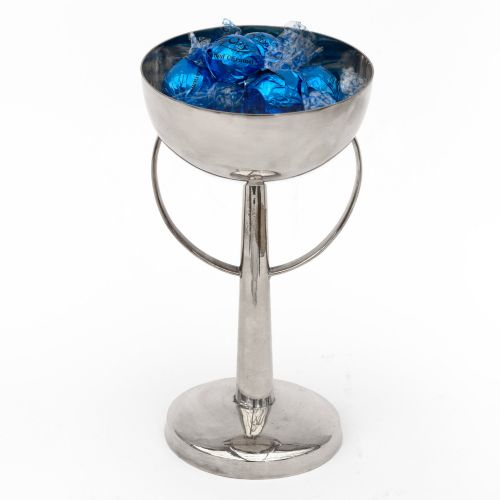
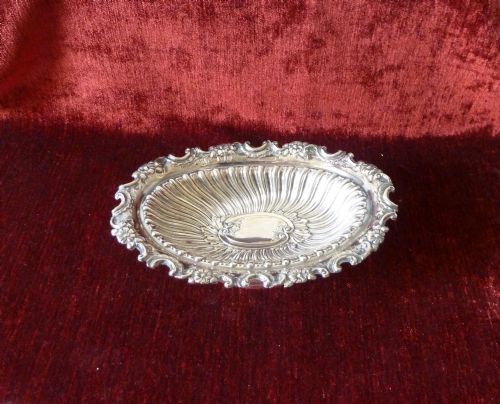
Antique bon bon dishes are decorative tableware items designed specifically to hold small confectioneries, sweetmeats and nuts during formal dining and tea services. When searching for antique bon bon dishes, buyers encounter an array of tabletop forms including small bowls, handled baskets and footed dishes. The pieces on offer span the nineteenth century, the Edwardian era and into the early decades of the twentieth century.
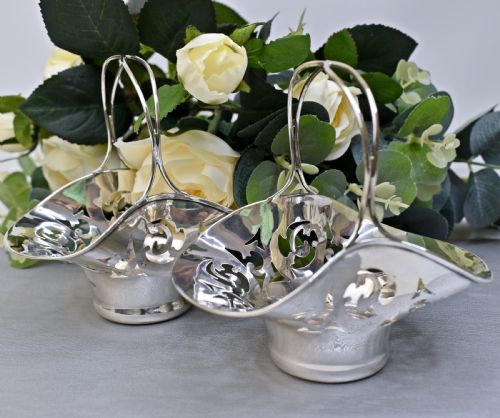
The most prevalent examples on this page encompass sterling silver and silver plate constructions, alongside striking expressions in cranberry glass, pink opaque glass and bone china. Stylistic influences shift from the florid curves of Victorian and Art Nouveau designs to the cleaner geometries of Art Deco and the refined classicism of the Edwardian period. Many incorporate pierced metalwork or swing handles, balancing decorative flourish with practical utility.
How they were made
Makers utilised traditional silversmithing techniques such as casting, piercing and chasing to shape sterling silver and silver plate into intricate baskets and sweetmeat dishes. Pierced work required steady hand-cutting through sheet metal to create openwork lattice patterns while maintaining structural integrity.
Glass vessels relied on hand-blown techniques, often employing coloured mineral oxides to achieve rich cranberry or cobalt blue hues within the molten batch. Ceramic dishes like those from Royal Worcester combined fine bone china bodies with detailed hand-painted fruit motifs, fixed with high-temperature kiln firings.
Antique Bon Bon Dishes Retail Price Guide 2026
Typical asking prices for bon bon dishes among the pieces listed under this phrase on Sellingantiques today, from the lower quarter to the upper quarter. They describe what is for sale here now, not the wider market.
Some nineteenth-century makers evidently believed that crystallized sugar deserved architecture just as grand as a Victorian parlor.
What varies in quality
Quality rests upon the crispness of the casting, the precision of any pierced metalwork and the preservation of original surface finishes. Heavier gauge silver and robustly blown glass signal superior construction that withstands generations of handling.
Artistic attribution and maker reputation elevate certain vessels, particularly those bearing recognised design signatures or documented model numbers. The integration of materials, such as a glass liner perfectly fitted to an ornate silver mount, demonstrates the maker's overarching standard of execution.
Fenton Brothers·Roberts and Belk·Royal Worcester
The Antique Bon Bon Dishes Glossary
- Sweetmeat
- A small confection, sweet, or fruit preserve served at the conclusion of a meal. These dishes were specifically sized to hold such treats.
- Pierced work
- Metal sheet that has been cut through in decorative patterns to create openwork designs. This technique lightens the visual weight of silver baskets.
- Cranberry glass
- A rich red glass produced by adding gold chloride to the molten batch. It is characteristic of nineteenth-century decorative tableware.
- Silver plate
- A base metal coated with a thin layer of silver. This offered consumers the appearance of solid silver at a more accessible cost.
Antique Bon Bon Dishes: Frequently Asked Questions
What were antique bon bon dishes used for?
These vessels were placed on dining tables and drawing room sideboards to hold bite-sized sweets, sugared almonds, or small delicacies during social gatherings.
Hosts offered these confections to guests as a polite gesture of hospitality at the end of a meal or during afternoon tea.
How do I care for silver bon bon dishes?
Sterling silver and silver plate require gentle cleaning with a soft cloth and specialised silver polish to maintain their lustre without abrading the surface. Avoid harsh chemical dips that can strip away desirable age patinas in recessed ornament.
Glass and ceramic portions should be washed by hand in warm soapy water rather than placed in modern automated dishwashers.
How can I tell Victorian from Edwardian pieces?
Victorian designs often favor heavier, more exuberant ornamentation with dense floral chasing and florid Art Nouveau curves. They reflect the ornate tastes of the nineteenth century.
Edwardian pieces tend toward lighter constructions, frequently utilising delicate pierced silver baskets and brighter, airier aesthetics that mirror the shift into the twentieth century.