
Antique Blue Plate
An antique blue plate brings centuries of hand-painted cobalt pigment and ceramic craft straight to your table.
Antique Blue Plate
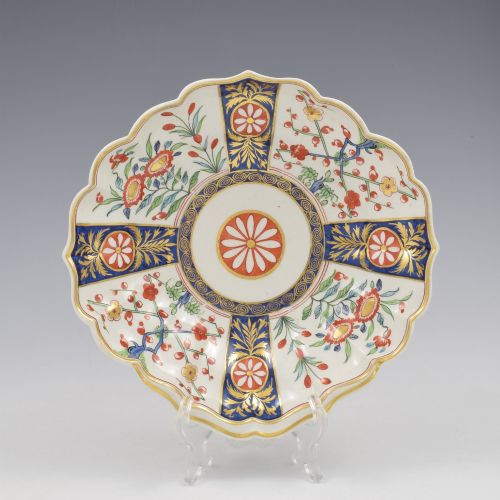
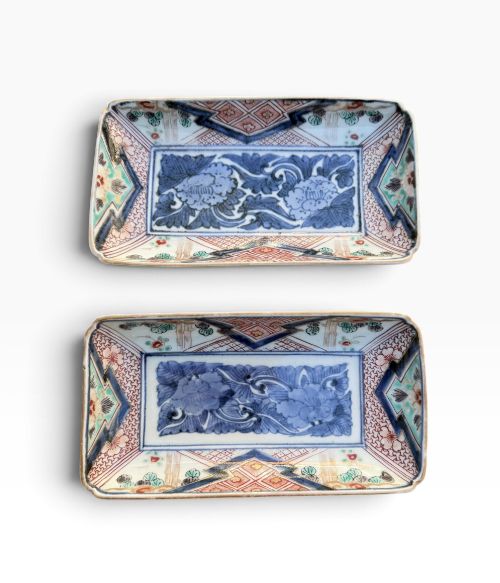
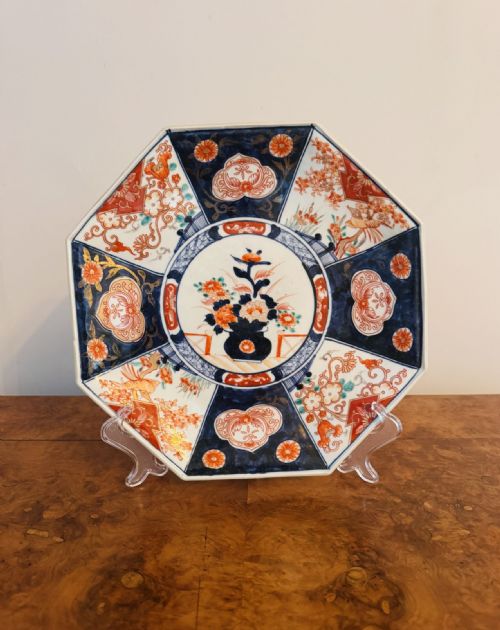
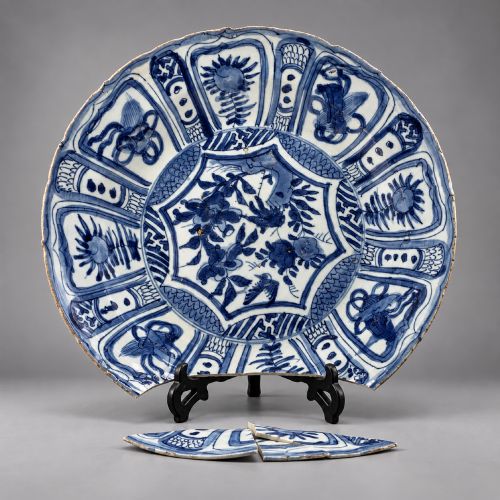
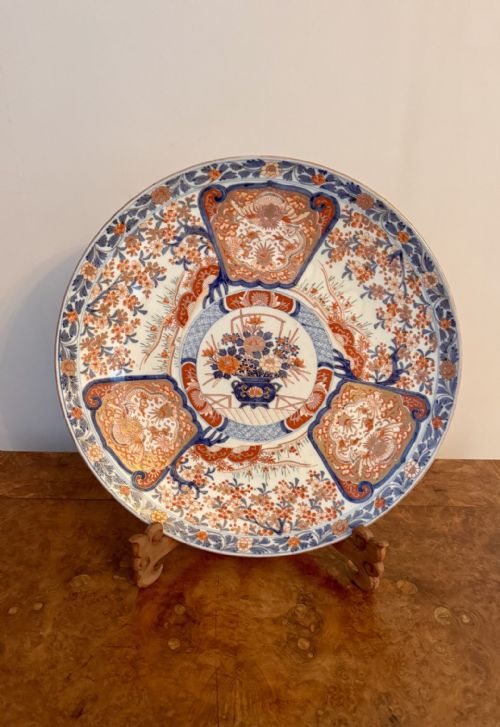
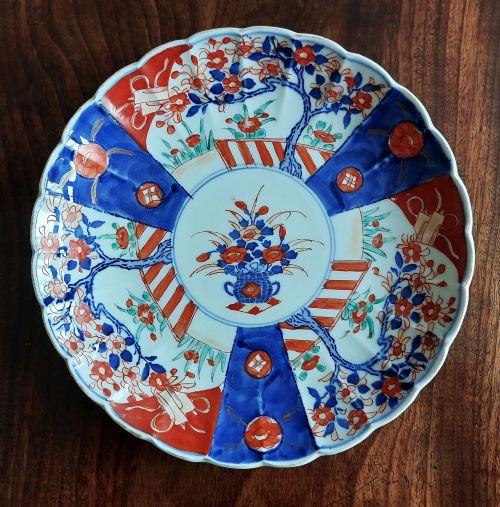
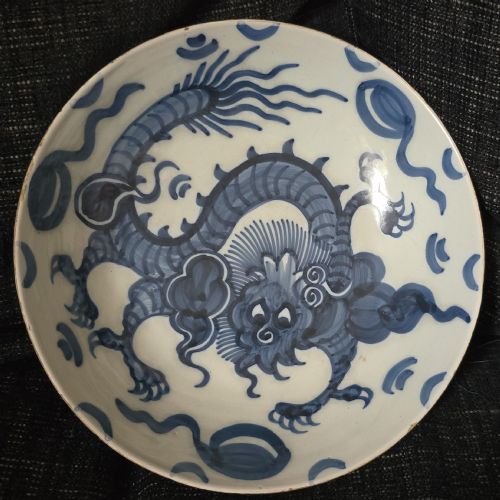
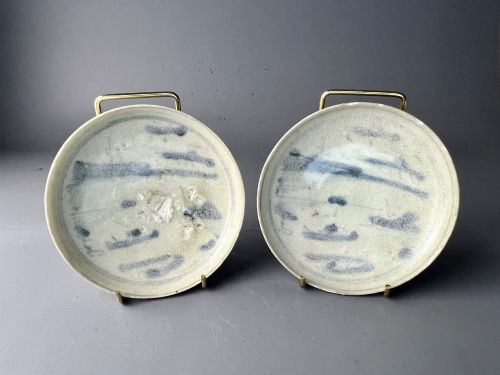
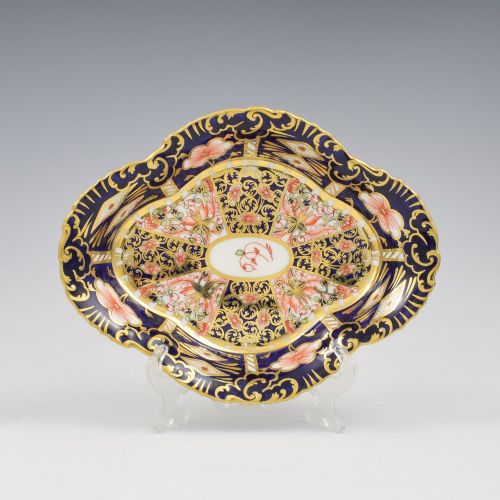
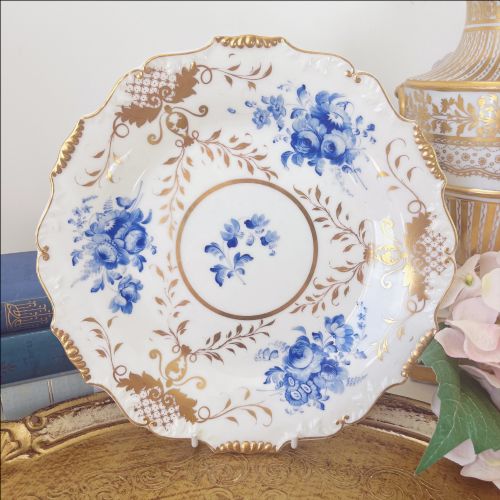
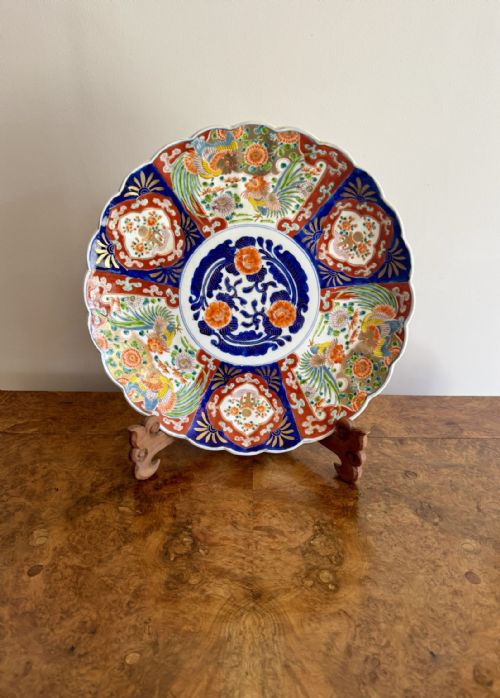
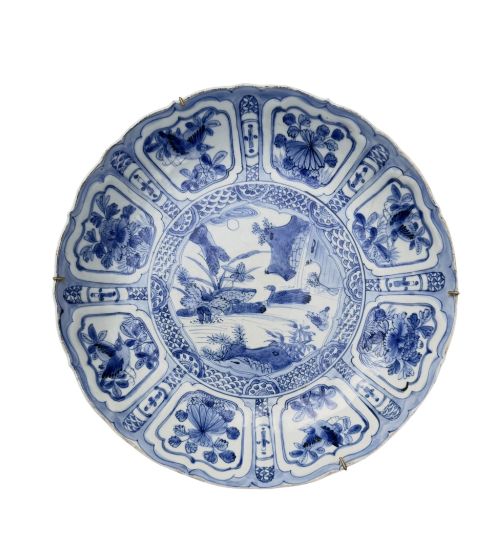
When you search for an antique blue plate, you encounter a variety of forms including cabinet plates, chargers, and serving dishes spanning multiple centuries. The selection ranges from English earthenware and bone china to Chinese export porcelain and Japanese Imari wares.
You are most likely to meet pieces originating from the eighteenth and nineteenth centuries, alongside significant examples from earlier dynasties and the Japanese Meiji period. These items encompass both utilitarian tablewares and purely decorative chargers designed for display.
Materials and techniques
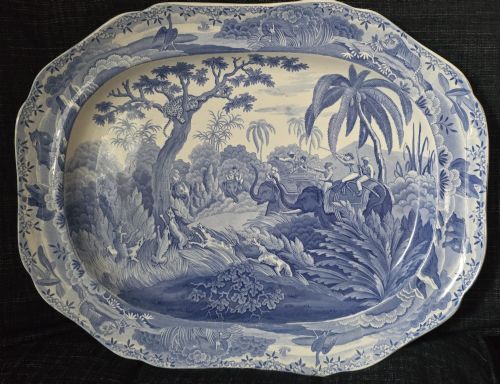
Potters utilised fine porcelain, bone china, and earthenware bodies, coating them in clear or tin-based glazes before applying cobalt underglaze decoration. Many English and Asian works relied on hand-painted pigments or transfer printing to achieve intricate patterns.
Specialised firing techniques in kilns ensured the durability of the cobalt blue against high temperatures, occasionally supplemented with overglaze enamels, gilding, or ormolu mounts.
Some nineteenth-century potters shaped their ceramic plates directly into the form of a swimming fish.
Assessing craftsmanship
The standard of an antique blue plate rests upon the precision of the brushwork and the clarity of the cobalt underglaze. Superior examples display crisp definition in the painted motifs without blurring or pooling of the pigment in the glaze.
The refinement of the ceramic body itself, whether porcelain or delftware tin-glazed earthenware, distinguishes finer production from utilitarian output. Additionally, the crispness of moulded edges and the presence of hand-applied gilt or enamelled highlights elevate the piece.
Royal Crown Derby·Spode·H and R Daniel·William Smith and Company·Doulton Lambeth
The Antique Blue Plate Glossary
- Cobalt underglaze
- A blue metallic oxide pigment applied to pottery before glazing and firing. It withstands high kiln temperatures without fading.
- Imari palette
- A style of ceramic decoration originating in Japan using underglaze blue, iron red, and gold. It was widely copied by European factories.
- Tin-glazed earthenware
- Pottery covered with a glaze containing tin oxide to produce an opaque white surface. It serves as the base for English delftware.
- Transferware
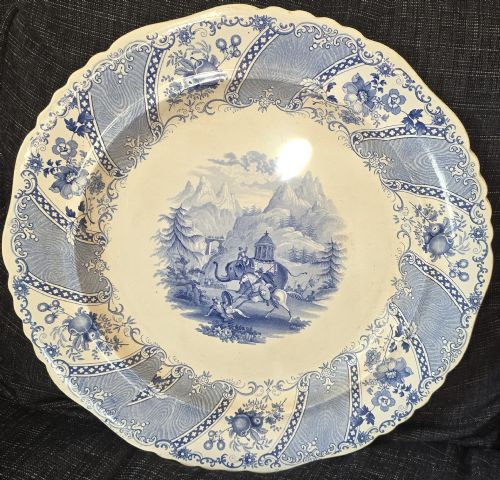
- A method of applying printed designs to ceramics using an engraved copper plate and tissue paper. This technique mechanised pattern production in the nineteenth century.
Antique Blue Plate: Frequently Asked Questions
How were antique blue plates used?
These pieces served practical dining functions, such as serving meat dishes, bread and butter, or dessert courses. Larger chargers were often displayed upright on sideboards or walls purely for decoration.
Over time, many decorative plates transitioned entirely into cabinet pieces meant to showcase wealth, status, and artistic taste in formal rooms.
How do I care for antique blue plates?
Wash these items by hand using mild soap and lukewarm water, avoiding abrasive sponges or modern dishwashers. Sudden temperature changes can crack the historic ceramic body or damage the glaze.
Store them securely on padded plate stands or stacked with felt dividers between each piece to protect the edges from chips.
How can I tell English plates from Asian exports?
Examine the composition of the ceramic body and the characteristics of the blue pigment used in the design. English pieces often utilise earthenware, bone china, or refined ironstone, whereas Asian works typically feature true hard-paste porcelain.
Base markings, potting rings, and stylistic motifs also provide strong clues regarding the geographic origin of the item.
What is the difference between a plate and a charger?
A charger is substantially larger than a standard dining plate, usually measuring over thirty centimetres in diameter. They functioned historically as base settings beneath smaller courses or as decorative wall platters.
Plates were sized specifically for individual portions of food during meals or dessert services.