
Antique Blanket Trunk
An antique blanket trunk provides robust storage, bringing enduring craft and rich timber character into modern rooms.
Antique Blanket Trunk
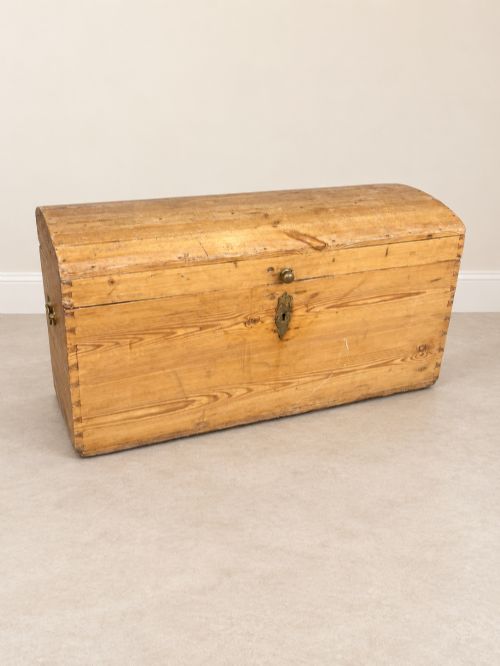
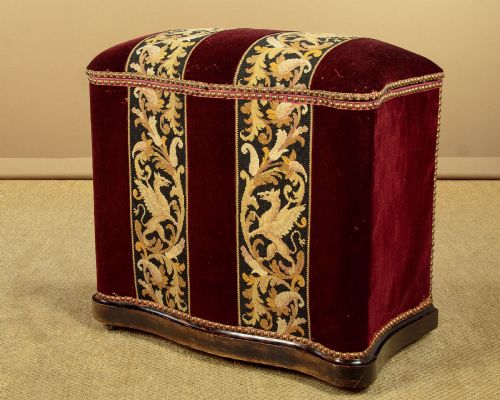
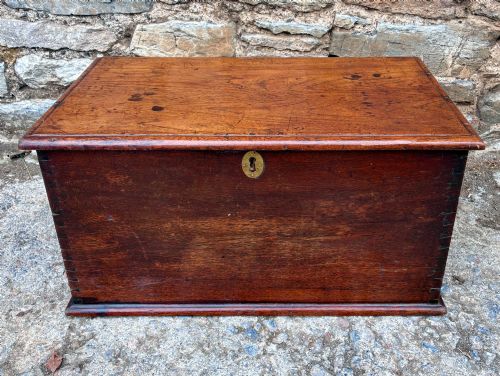
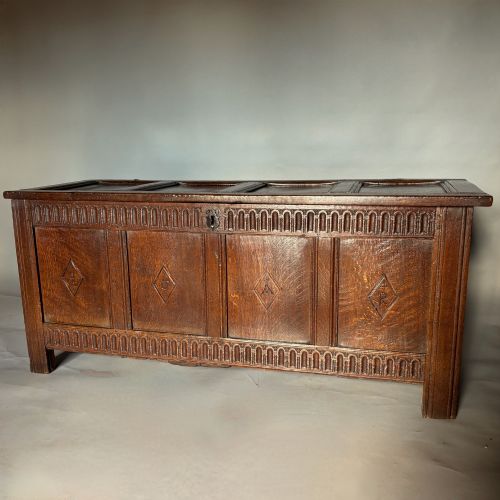
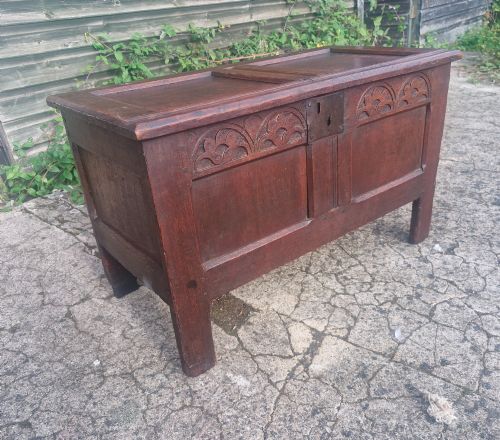
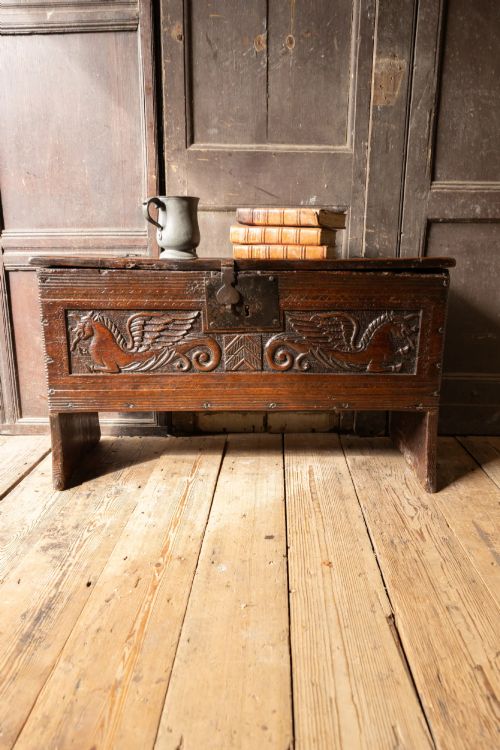
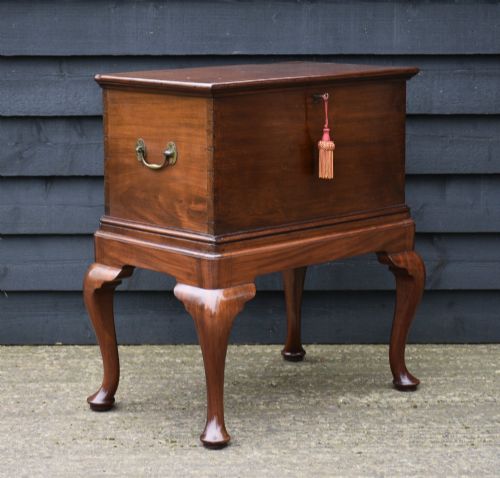
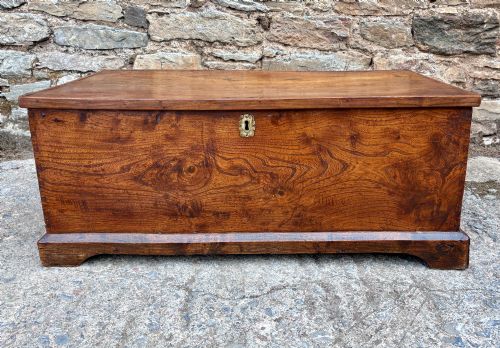
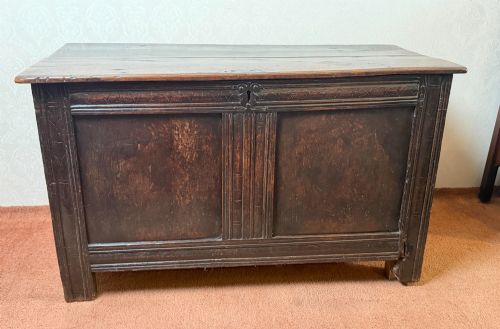
An antique blanket trunk serves as a capacious storage container, frequently taking the form of a coffer, mule chest, or blanket box. These pieces emerge primarily from the 17th, 18th, and 19th centuries, though earlier Elizabethan examples and later Victorian or Edwardian interpretations appear.
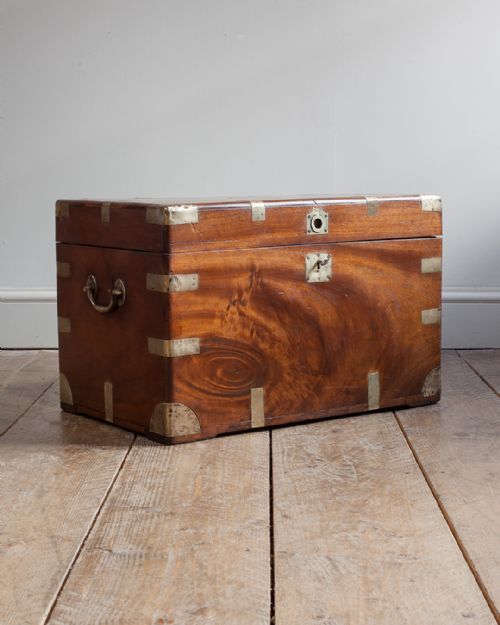
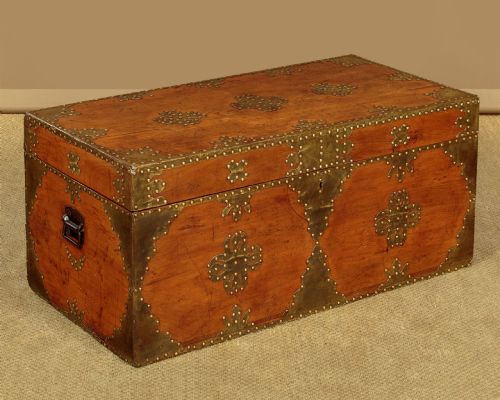
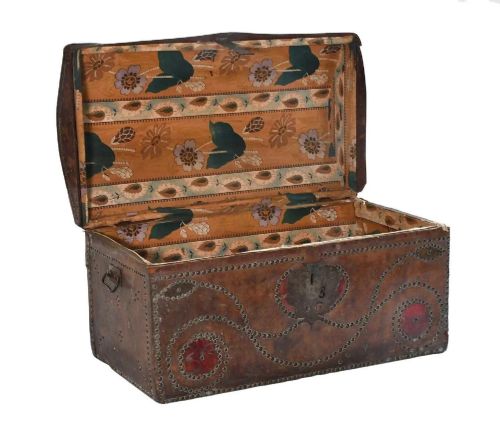
The versions most commonly met on this page include sturdy pine and oak boxes alongside specialised regional pieces like Welsh coffer bachs, camphor wood campaign chests, and leather-bound travel trunks. They function today as practical household storage or statement coffee tables while retaining their historic integrity.
How they were made
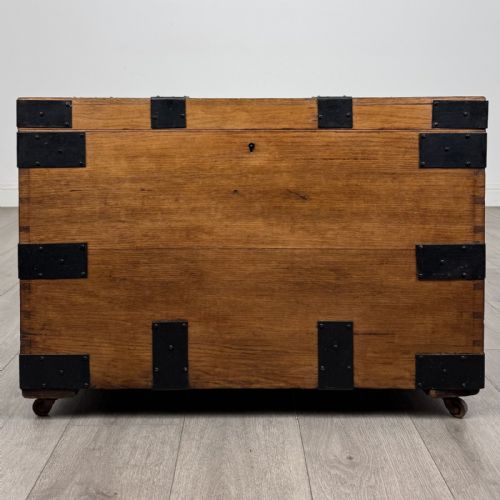
Joinery techniques define the older pieces, utilising solid oak, elm, and walnut assembled through panelled construction, planking, or pegged joints. Iron and brass hardware, from decorative hinge work to side carrying handles, reinforced the timber structures.
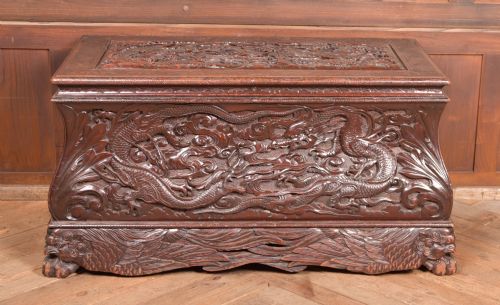
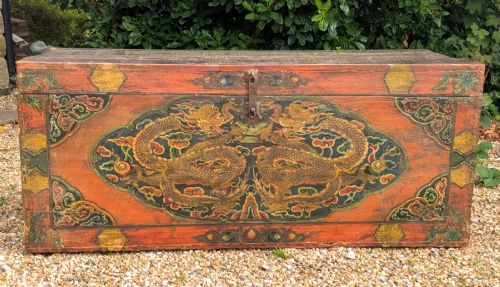
Later 19th-century and early 20th-century trunks incorporate softer woods like pine, alongside exotic imports in teak, padouk, and camphor wood. Surface treatments range from natural wax finishes and polychrome paint to lacquered Chinese and Japanese decorative schemes.
Listings feature timbers spanning native oak, elm, and pine alongside imported teak, camphor wood, and padouk.
What varies in quality
The integrity of the timber and the depth of the patination establish the grade of a piece, with unblemished native hardwoods holding greater presence than heavily restored examples. Superior execution shows in crisp hand-carving, original iron or brass mounts, and tight, stable joints that withstand centuries of use.
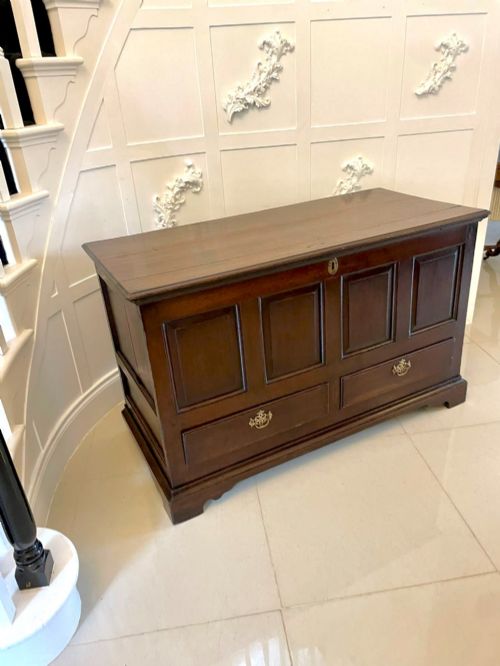
Regional rarity and specialised forms, such as early mule chests with lower drawers or exotic camphor wood campaign boxes, separate utilitarian containers from masterwork items. The preservation of original decorative elements, including polychrome painted surfaces or studded leather, dictates the higher tier.
The Antique Blanket Trunk Glossary
- Coffer
- A large wooden chest used for storing valuables and textiles. These box forms often feature heavy oak construction and early joinery.
- Mule chest
- A storage chest characterised by one or more drawers built into the base beneath the main lift-top compartment. They bridge the gap between simple coffers and full chests of drawers.
- Coffer bach
- A small Welsh chest traditionally made of oak. The term translates literally as little coffer.
- Campaign chest
- Portable furniture designed for military officers on the move. These pieces frequently utilise camphor wood or teak with brass fittings.
- Boarded chest
- An early chest constructed from thick planks nailed or pegged together rather than framed in panels. They represent some of the oldest surviving domestic woodwork.
Antique Blanket Trunk: Frequently Asked Questions
How do I use a blanket trunk today?
These trunks provide deep, enclosed storage for extra bedding, winter woollens, and bulky household items while serving as stable surface furniture.
Many owners place them at the foot of a bed or utilise them as living room coffee tables that double as hidden storage.
What is the difference between a coffer and a mule chest?
A coffer is a simple storage box accessed entirely through a hinged lid at the top.
A mule chest incorporates one or more functional drawers beneath the main compartment, offering easier access to smaller garments.
How can I identify an 17th-century oak chest?
Seventeenth-century pieces typically display heavy oak construction with hand-pegged joints, panelled fronts, and often carved detailing unique to the period.
The timber exhibits deep natural patination and tool marks from manual processing rather than modern machinery.
Are camphor wood trunks suitable for clothes?
Camphor wood naturally repels insects, making these chests traditionally ideal for storing wool, blankets, and delicate textiles.
The aromatic timber keeps stored fabrics safe from moth damage while imparting a distinct, clean scent.