


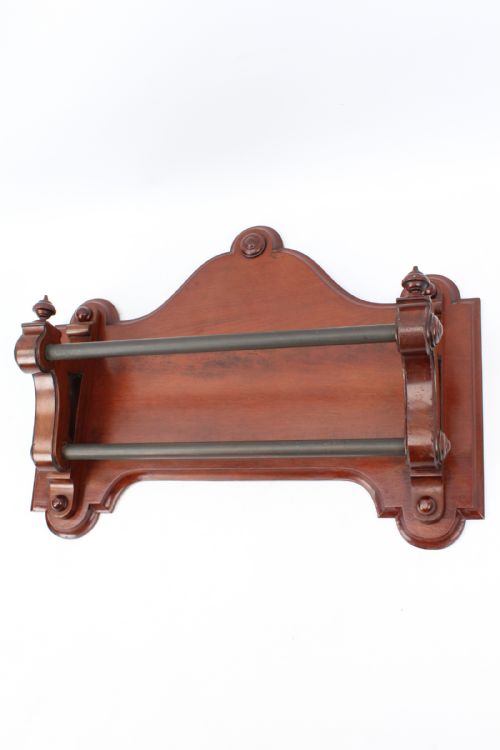


Antique Bathroom Towel Rail
An antique bathroom towel rail brings solid timber and functional utility to a room, offering a period alternative to modern fittings.
Antique Bathroom Towel Rail
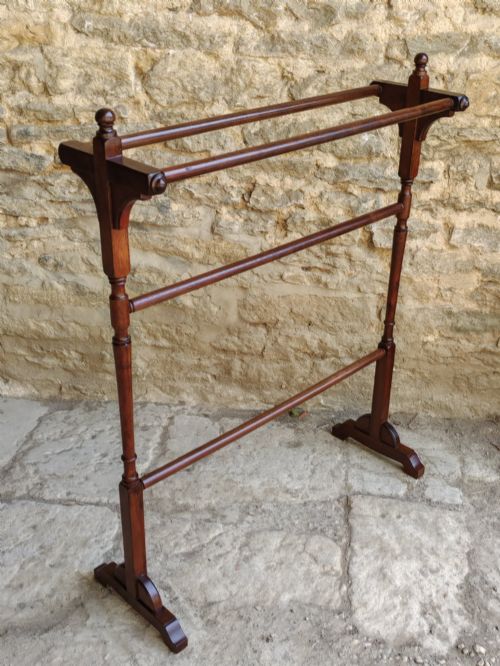
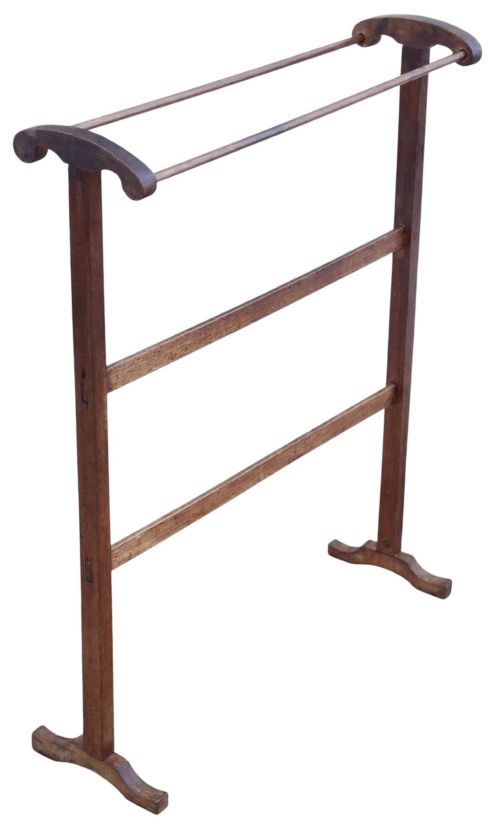
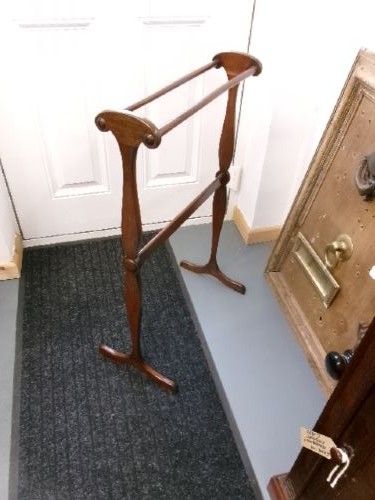
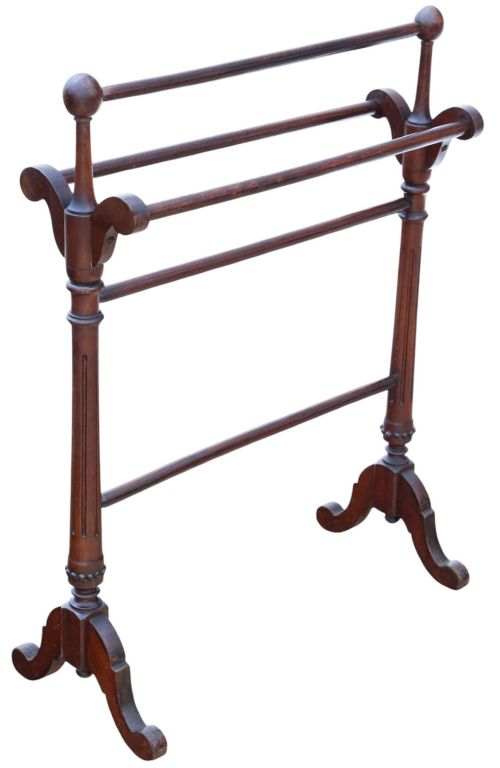
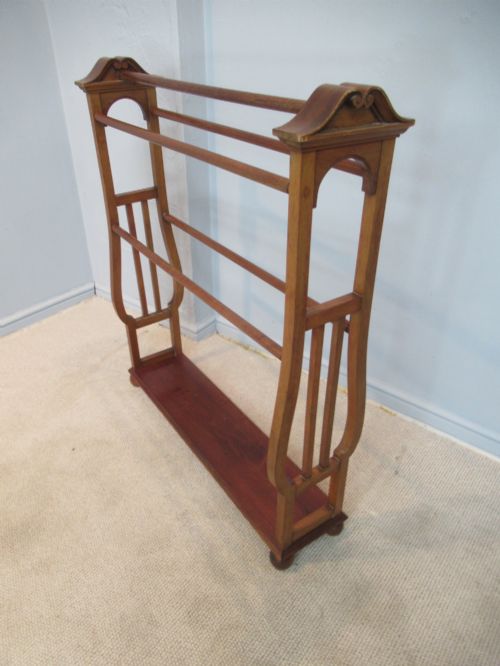
When you search for an antique bathroom towel rail, you encounter freestanding stands, floor-standing airers, and wall-mounted fixtures. The versions most frequently met on this page are freestanding mahogany towel rail stands dating from the Victorian and Edwardian eras.
These items originate across the nineteenth and early twentieth centuries, spanning periods from Regency and Early Victorian through to Art Deco. Alongside mahogany, you find pieces constructed from walnut, oak, pine, and combinations of glass and chrome.
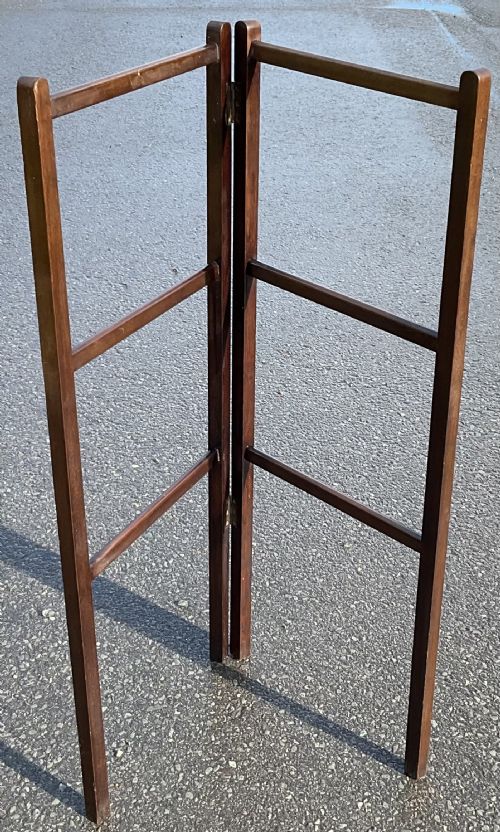
Forms vary from single bars and folding three-fold frames to large five-bar stands and specialised maritime drying racks. Such pieces reflect the domestic habits of country houses, town properties, and shipboard quarters alike.
How they were made
Cabinetmakers constructed these towel rails using native and imported hardwoods like mahogany, walnut, oak, and pine, occasionally incorporating satinwood inlay for decorative effect. Timber frames were joined with traditional woodworking techniques to withstand daily damp environments.
Later pieces introduce industrial materials, pairing glass rods with chrome mountings to suit early twentieth-century interiors. Surface treatments range from polished wood finishes and black ebonisation to traditional painted pine.
Antique Bathroom Towel Rail Retail Price Guide 2026
Typical asking prices for bathroom towel rail among the pieces listed under this phrase on Sellingantiques today, from the lower quarter to the upper quarter. They describe what is for sale here now, not the wider market.
Listings span from the Regency period through Victorian Gothic Revival and Arts and Crafts up to nineteen-twenty glass and chrome designs.
What varies in quality
The distinction between standard utility items and finer pieces lies in the choice of timber, the presence of decorative details such as satinwood inlay, and the robustness of the frame construction. Heavier woods like mahogany and walnut, alongside structured multi-bar designs, denote superior workshops.
Proportion and scale also separate simpler domestic stands from large country house pieces or specialised variants like maritime drying racks. The integration of materials, whether finely turned wooden spindles or secure chrome mountings on glass rails, dictates the standing of each piece.
The Antique Bathroom Towel Rail Glossary
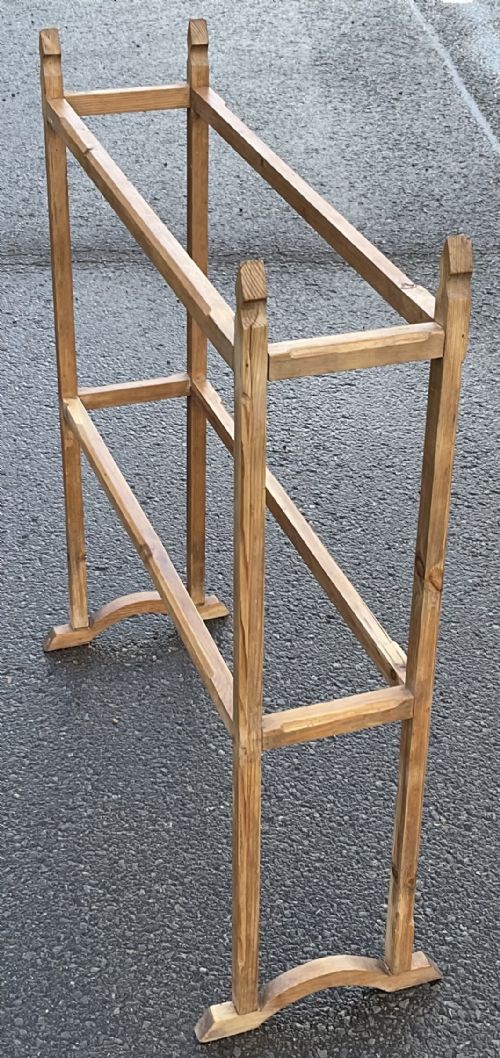
- Towel Rail Stand
- A freestanding wooden or metal frame designed to hold damp linens without wall fixings. These pieces can be moved easily around a room as needed.
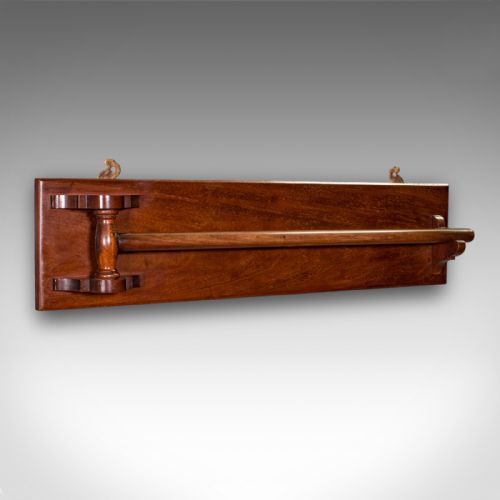
- Hanging Double Towel Rail
- A wall-mounted or bracketed fixture featuring two parallel bars for multiple linens. This form saves floor space in compact bathrooms.
- Folding Towel Rail
- A multi-section frame hinged to open out for drying or fold flat when not in use. It appears frequently in Edwardian and Victorian listings.
- Chrome Mountings
- Metal brackets plated in chromium used to secure glass rods to walls or surfaces. They emerge in pieces from the nineteen-twenties.
- Maritime Drying Rack
- A specialised ship's towel rail designed for use in confined quarters at sea. These items reflect nautical utility and compact design.
Antique Bathroom Towel Rail: Frequently Asked Questions
Can I use an antique towel rail in a modern bathroom?
These pieces function well in contemporary spaces, though freestanding wooden versions require consideration of room humidity. Regular ventilation helps preserve the timber.
Wall-mounted glass and chrome fixtures integrate easily into tiled settings, while wooden stands fit neatly beside modern baths.
How do I date a wooden towel rail?
Dating relies on timber choice, construction methods, and stylistic cues from the period. Victorian pieces often use solid mahogany or walnut with turned supports.
Edwardian examples frequently incorporate inlaid satinwood or simpler pine frames, while nineteen-twenties items introduce glass and chrome.
What is the difference between a stand and a hanging rail?
Stands are freestanding floor units that offer multiple bars and folding frames for larger quantities of linen. They require no permanent installation.
Hanging rails fix directly to walls or doors, making them suitable for smaller rooms where floor space is limited.
Are these rails strong enough for heavy bathsheets?
Most period stands are built from sturdy hardwoods like oak and mahogany, designed to bear the weight of damp linens. Multi-bar and five-bar configurations distribute weight evenly across the frame.
Lighter pine or folding models suit hand towels and smaller garments rather than oversized heavy bathsheets.