
Antique Art Stand
An antique art stand gathers diverse domestic utility, placing support and display firmly within Arts and Crafts, Art Nouveau and Art Deco ideals.
Antique Art Stand
An antique art stand encompasses a wide variety of furniture and decorative objects designed to display, hold or support items within the home. When exploring this selection, buyers encounter practical domestic forms originating predominantly from the Victorian, Edwardian and early twentieth century periods.
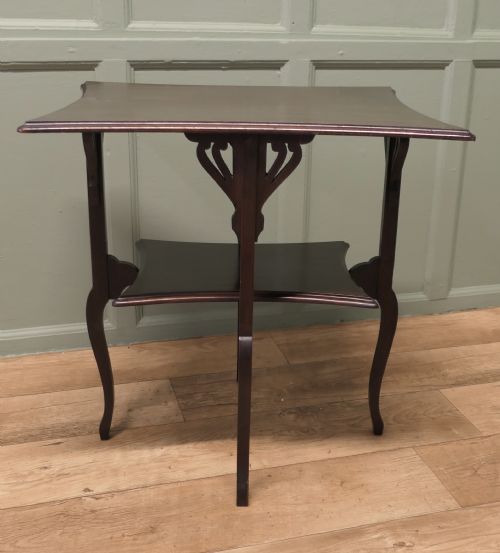
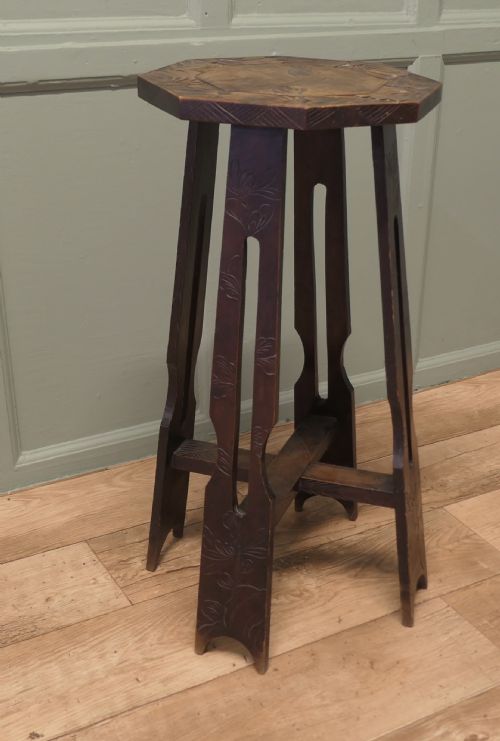
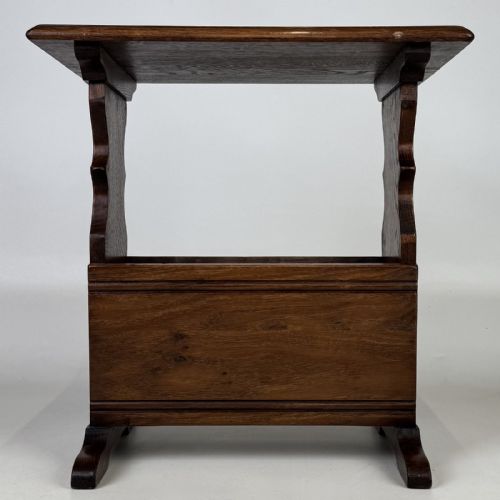
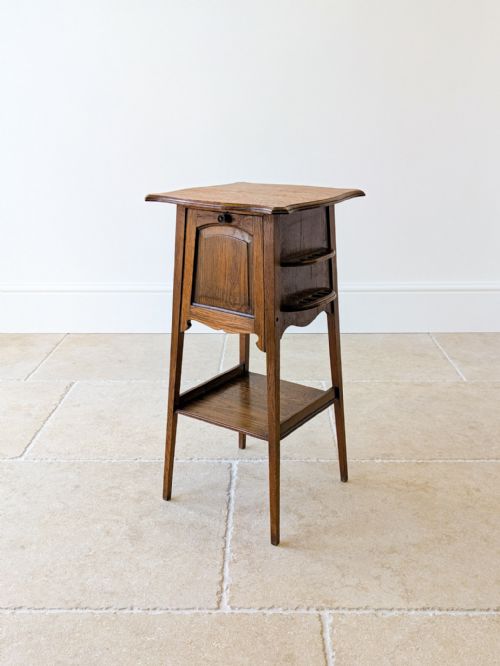
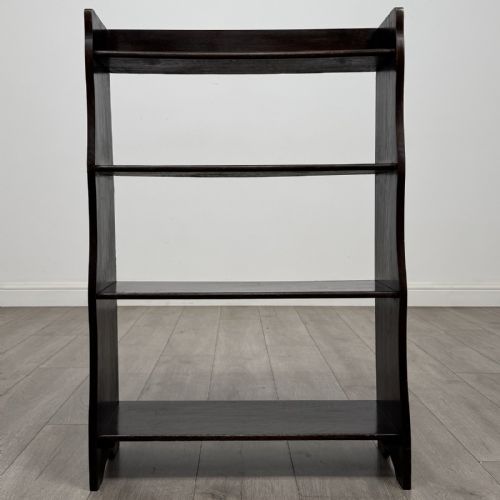
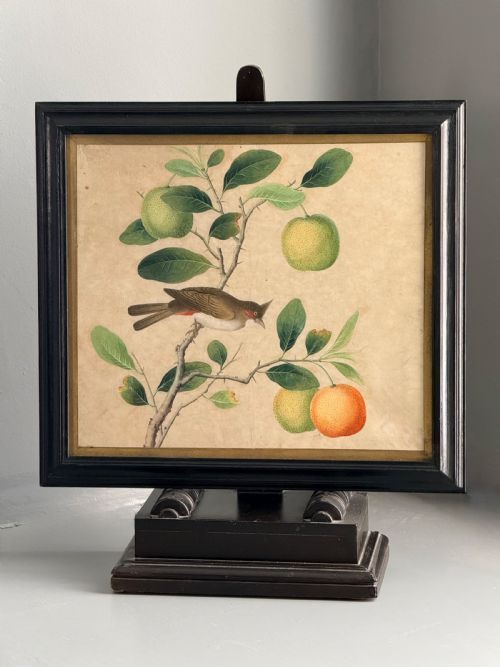
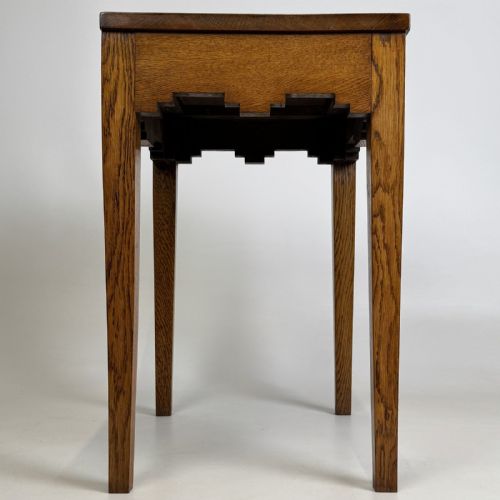
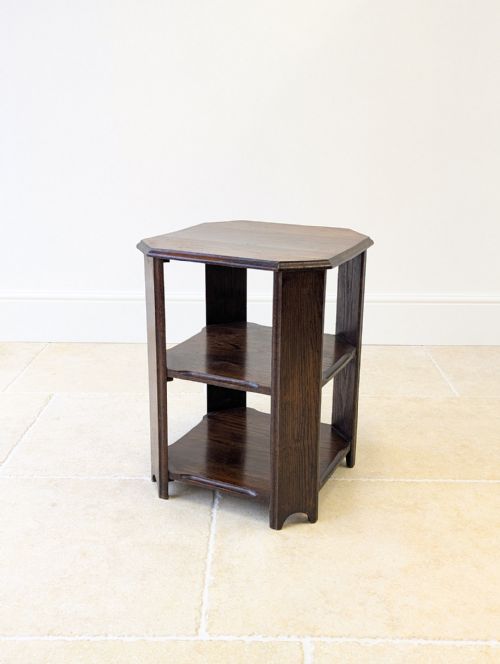
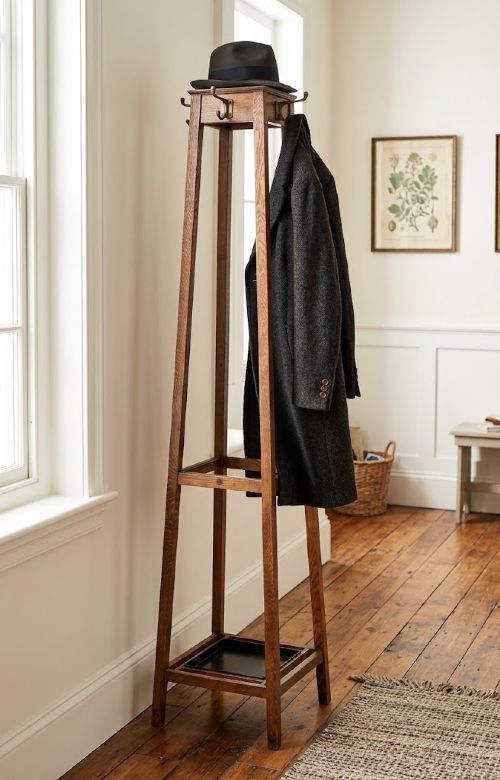
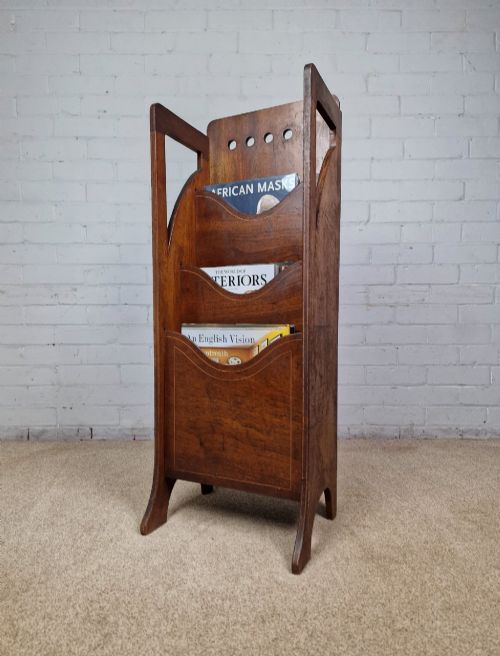
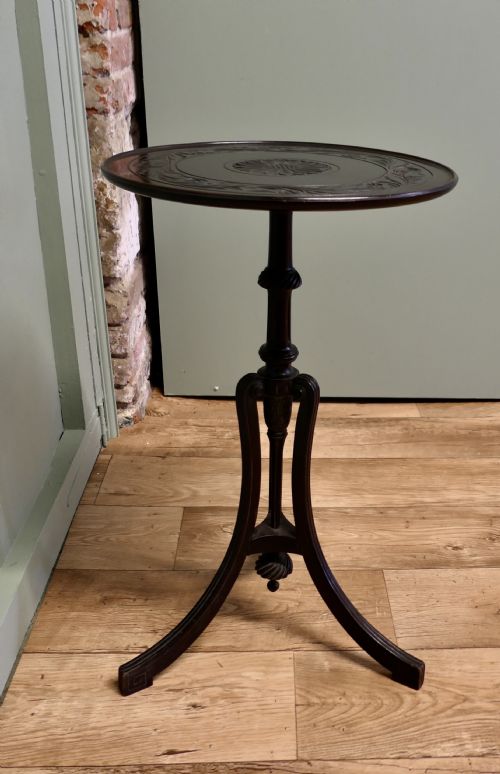
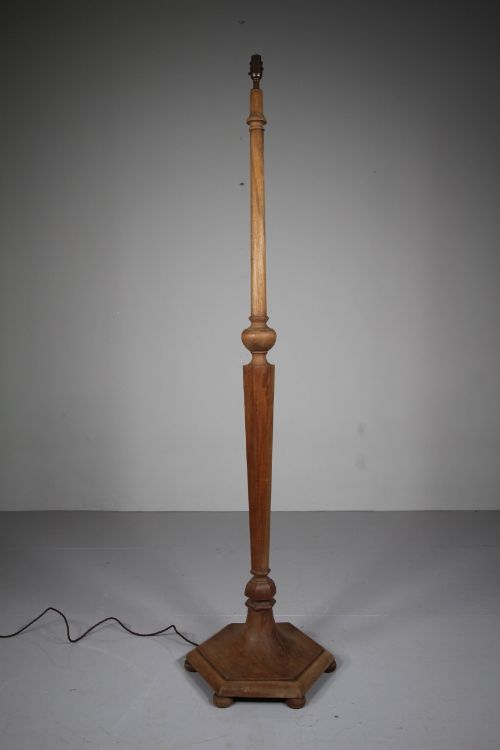
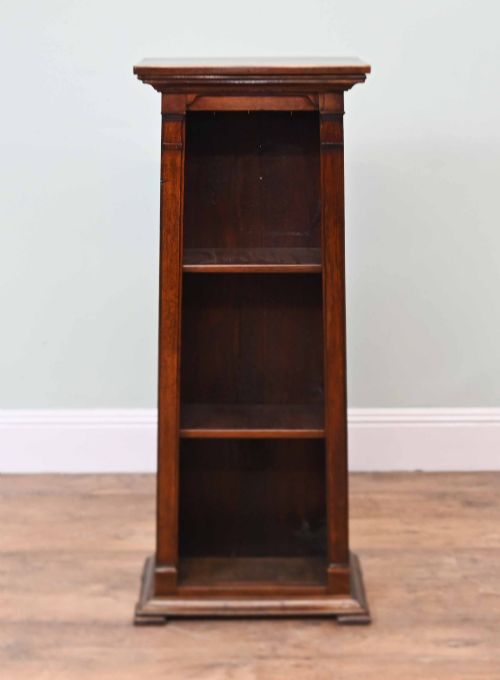
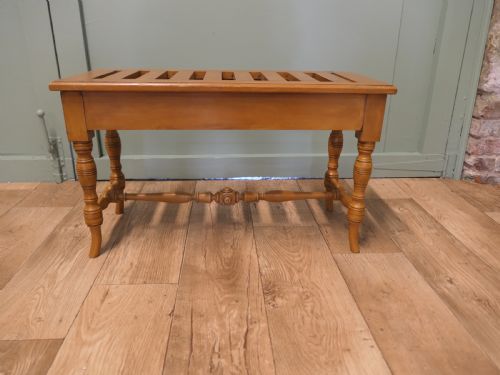
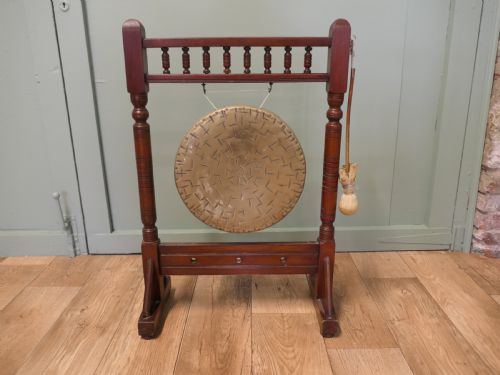
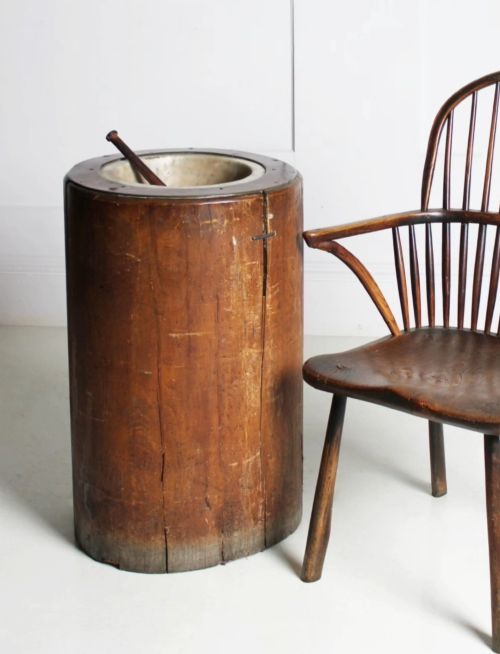
The objects span multiple domestic categories rather than a single standardised furniture type. Frequent examples include occasional tables, plant stands, umbrella stands, floor lamps, reading tables, bookstands, menu holders and artists' easels.
The stylistic lineage leans heavily toward Arts and Crafts, Art Nouveau and Art Deco movements. Pieces often reflect the honest construction methods and distinct artistic philosophies popular around nineteen hundred and the subsequent decades.
How they were made
Construction relies primarily on timbers such as oak, walnut, mahogany and ebonised wood, alongside metals including brass, copper, bronze, pewter and silver. Craftspeople utilised these materials to build sturdy floor-standing furniture, adjustable lamps, display easels and small tabletop accessories.
Design characteristics demonstrate hand-finished joinery, hammered metal surfaces, carved details and tiled top surfaces. Many pieces combine wood structures with metal mounts, glass panels or onyx bases to achieve the distinctive aesthetic of the period.
A carved wooden parrot perched on a brass stand keeps a silent, colourful watch over the room.
What varies in quality
Quality rests upon the integrity of the materials and the pedigree of the maker or workshop. Solid timber construction, such as golden oak or burr walnut, alongside marked metalwork or documented studio output, elevates an object above standard commercial production.
The refinement of execution distinguishes finer examples. Subtle decorative choices, such as silver inlays, hand-hammered pewter textures, custom ceramic tiles or carefully carved structural elements, reveal the hand of a skilled artisan rather than routine factory assembly.
Finnigans·Bulstrode Cambridge·Heals·Liberty and Co·Archibald Knox·WMF·Shapland and Petter
The Antique Art Stand Glossary
- Arts and Crafts
- A design movement advocating for traditional craftsmanship, simple forms and honest materials. It rejected mass production in favour of visible construction and hand-finished surfaces.
- Art Nouveau
- A style characterised by flowing, organic lines, plant motifs and sinuous floral shapes. It influenced decorative metalwork, lighting and small display objects.
- Art Deco
- A later twentieth-century style embracing geometric shapes, streamlined forms and modern industrial materials. It appears frequently in floor lamps, metalware and occasional furniture.
- Occasional table
- A small, movable table designed for a specific, intermittent domestic use. Examples include wine tables, reading stands and tiled top smoking or plant tables.
- Chevalet
- A specific type of artists' easel designed for holding canvases while working. They often feature adjustable frameworks and substantial wooden supports.
Antique Art Stand: Frequently Asked Questions
What defines an arts and crafts stand?
These pieces focus on visible timber grain, sturdy construction, and straightforward utility without excessive ornamentation. They often incorporate golden oak or hammered metal elements.
Such items were built to serve everyday domestic roles, ranging from bookstands to umbrella storage, while reflecting the hand of the maker.
Where were these stands used originally?
These objects served functional purposes in hallways, libraries, parlours and studios of Victorian and Edwardian homes. They held books, displayed plants, illuminated dark corners or stored wet umbrellas.
Their placement depended entirely on the specific form, matching the specialised needs of daily domestic life at the time.
Are these items suitable for modern interiors?
The compact proportions and natural timber or metal finishes allow these stands to integrate easily into contemporary rooms. They provide practical surface space or lighting while adding historical character.
Living with them requires simply placing them where their specific utility, such as holding a book or a lamp, remains useful.