

Antique Art Figure
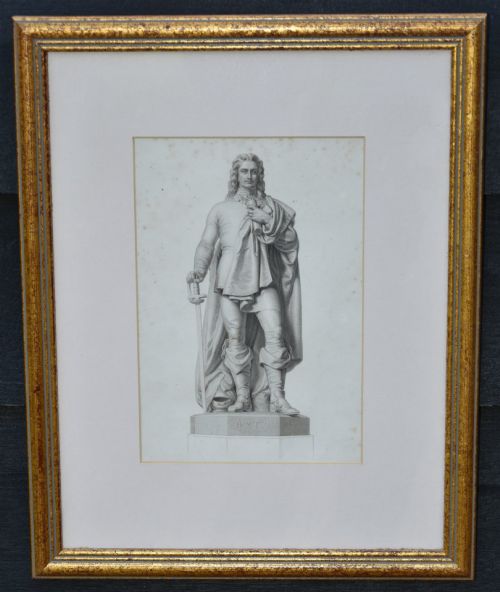
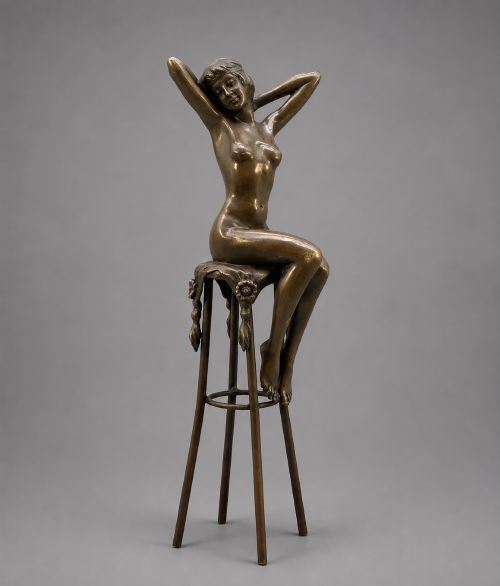
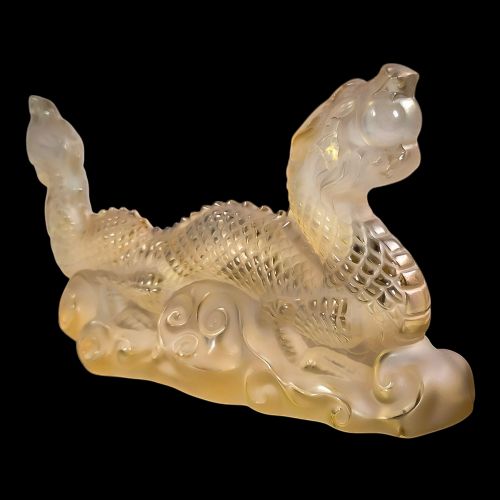
When you search for an antique art figure, you are looking at sculpted representations of humans and animals rendered across centuries in bronze, wood, terracotta, and marble.
Antique Art Figure
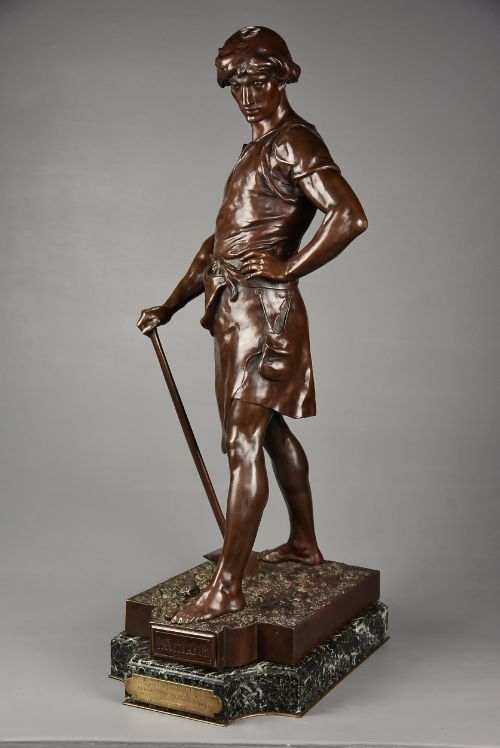
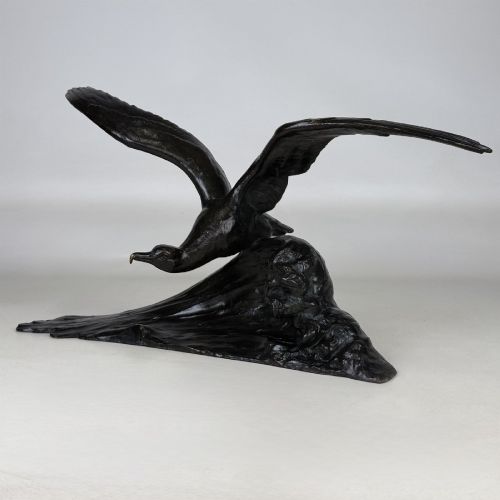
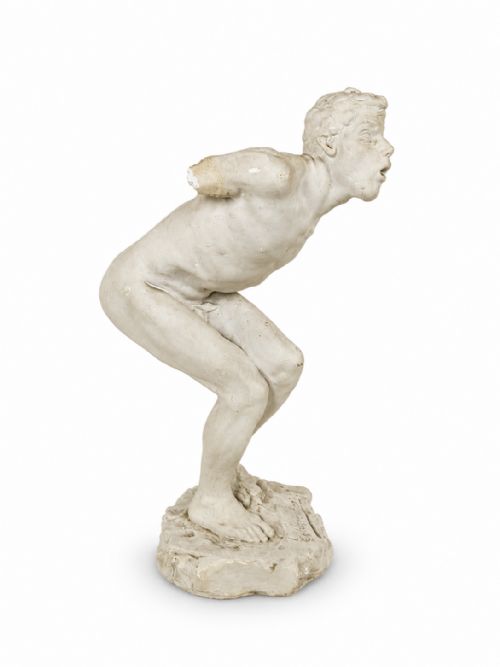
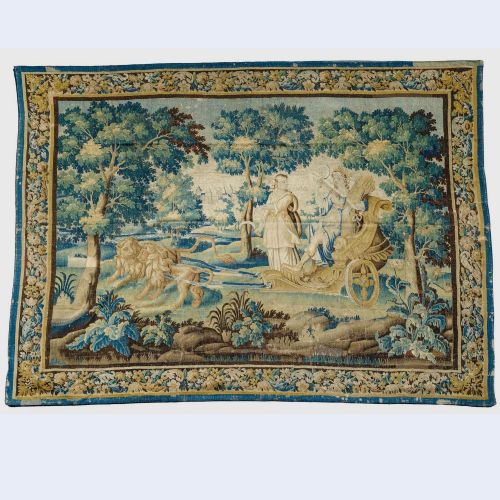
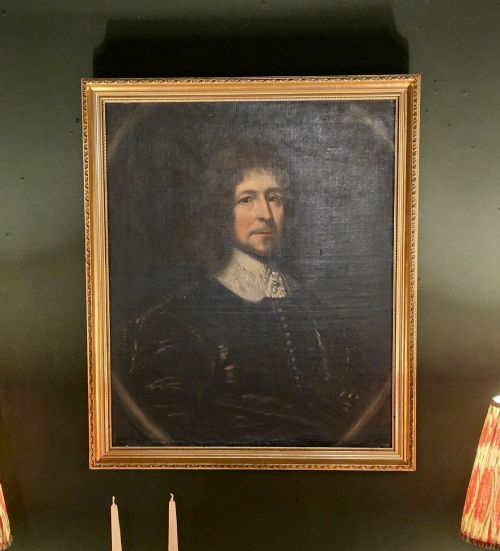
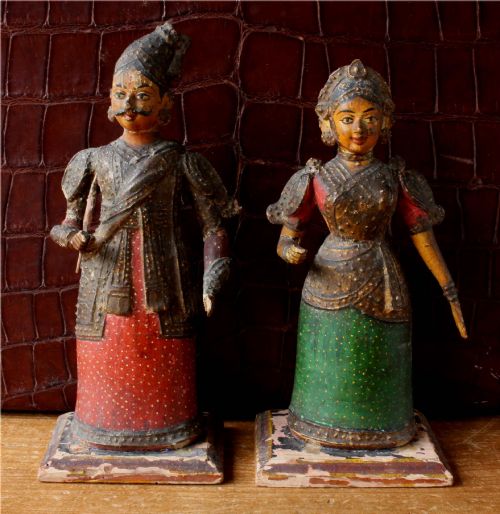
An antique art figure encompasses a diverse array of sculptural objects, ranging from religious icons and devotional waxes to secular bronzes and carved wooden folk art. When exploring this category, the pieces most frequently encountered bridge the nineteenth and twentieth centuries, capturing shifts in aesthetic taste from classical realism to modernist styling.
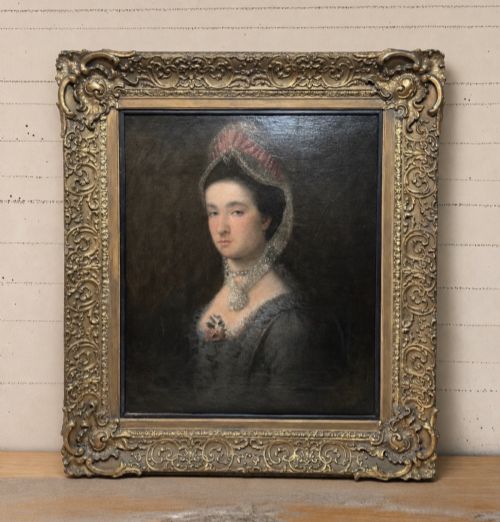
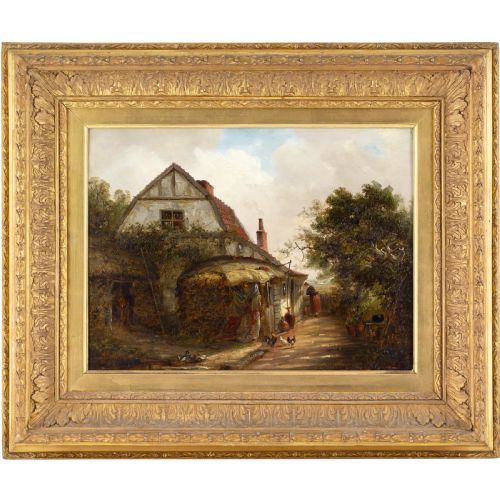
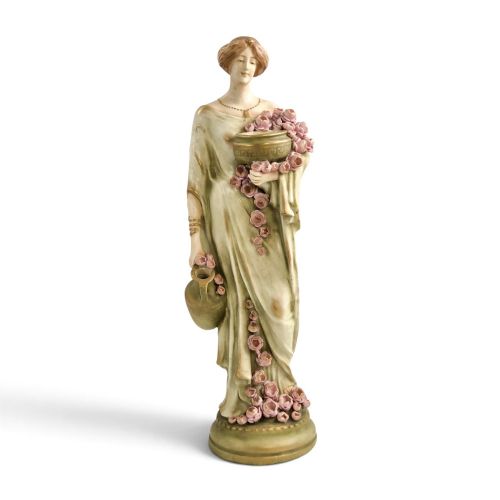
Makers utilised various traditional media to give these forms physical presence, producing everything from intricate cold-painted desk accessories to monumental busts and dancers poised on marble bases. Subjects span portraits of nobility, genre scenes of peasants, mythological deities, and stylised athletes.
The provenance of these works stretches across European workshops, Asian carving traditions, and British studios, reflecting the stylistic preoccupations of periods such as Art Deco, Art Nouveau, and the Victorian era. Each physical manifestation serves as a tangible record of the sculptural techniques valued in its specific decade.
Materials and Methods
Bronze casting relies primarily on the lost-wax method, allowing artisans to capture intricate muscle tone and drapery before finishing the metal with patination or cold-painted pigments. Spelter frequently appears as an accessible alternative, offering similar decorative potential through electroplating or surface painting.
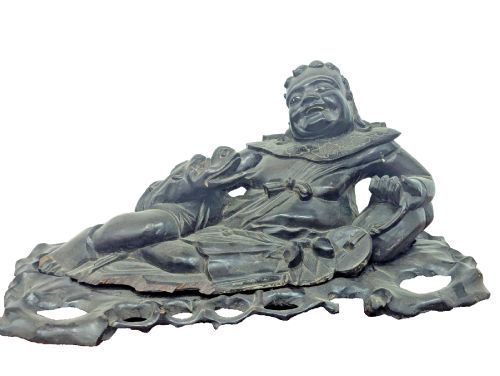
Carved wooden figures utilise hardwoods and cedars, shaped with chisels and gouges to accentuate grain patterns and surface textures. Terracotta and alabaster employ additive modelling and reductive stone carving, resulting in matte finishes that highlight the natural porosity and veining of the medium.
Antique Art Figure Retail Price Guide 2026
Typical asking prices for art figure among the pieces listed under this phrase on Sellingantiques today, from the lower quarter to the upper quarter. They describe what is for sale here now, not the wider market.
Listings feature periods spanning from the seventeenth century through to the 1930s, utilising materials such as bronze, wood, terracotta, and marble.
Defining Quality and Execution
The standard of an antique art figure depends heavily upon the crispness of the casting or the precision of the carving, where inferior examples lose fine anatomical details in softened edges. Superior pieces retain clear chisel marks or sharp foundry chasing that accentuates expression and movement without relying entirely on surface paint.
Material integrity distinguishes superior examples, such as genuine patinated bronze versus hollow spelter, or solid carved hardwoods over composite substitutes. Furthermore, the presence of an artist signature or foundry stamp elevates a piece through documented attribution.
Goldscheider·Auguste Moreau·Gustave Dussart·Lavroff·Jean de Roncourt
The Antique Art Figure Glossary
- Cold painted
- A technique where oil paint is applied to a bronze object without heat-firing, making the pigment vulnerable to chipping over time if handled roughly.
- Spelter
- A zinc alloy frequently used as a cost-effective substitute for bronze in decorative sculptures during the nineteenth and twentieth centuries.
- Patina
- The surface sheen and colour acquired by materials like bronze or wood through natural oxidation, age, and handling.
- Terracotta
- Fired clay moulded into sculptural forms, often finished with polychrome pigments or glazes to enhance decorative appeal.
- Chasing
- The manual refinement of a metal casting using small punches and hammers to sharpen details and remove surface flaws.
Antique Art Figure: Frequently Asked Questions
What is a cold-painted bronze?
A cold-painted bronze is a metal sculpture decorated with paint that is applied without heat-firing, a method popular in Vienna during the late nineteenth and early twentieth centuries.
Because the paint sits on the metal surface rather than fusing with it, collectors examine these pieces closely for flaking or touch-ups.
How do I care for wooden figures?
Wooden sculptures require stable indoor humidity and protection from direct sunlight to prevent the timber from splitting or warping over time.
Light dusting with a dry, soft cloth preserves the original finish without introducing moisture or chemical residues.
What is spelter?
Spelter is a zinc-based alloy that mimics the appearance of bronze and was widely utilised for decorative figures and lamp bases during the Art Deco period.
It is lighter and more brittle than bronze, often identifiable by a magnetic response or characteristic surface wear.
How do I identify Art Deco figures?
Art Deco figures typically feature streamlined geometry, stylised human forms, and materials such as ivory, onyx, silvered bronze, and alabaster.
These pieces often depict dancers, athletes, or animals in motion, reflecting the modern industrial aesthetic of the interwar years.