
Antique Art Display
These pieces of antique art display bring together functional cabinetry and striking decorative design from the Victorian, Edwardian, and Art Deco periods.
Antique Art Display
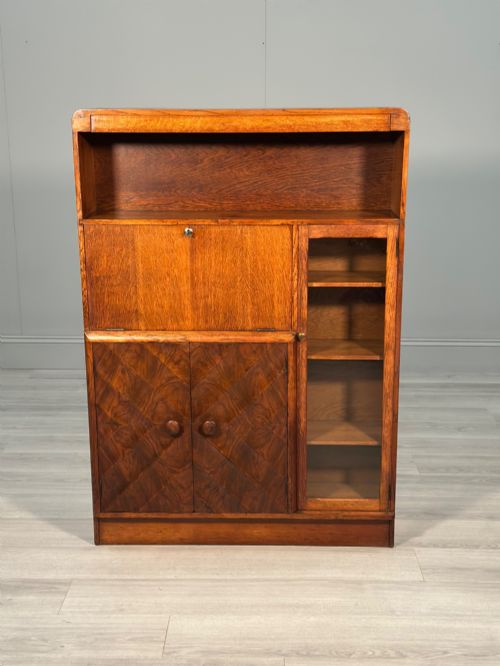
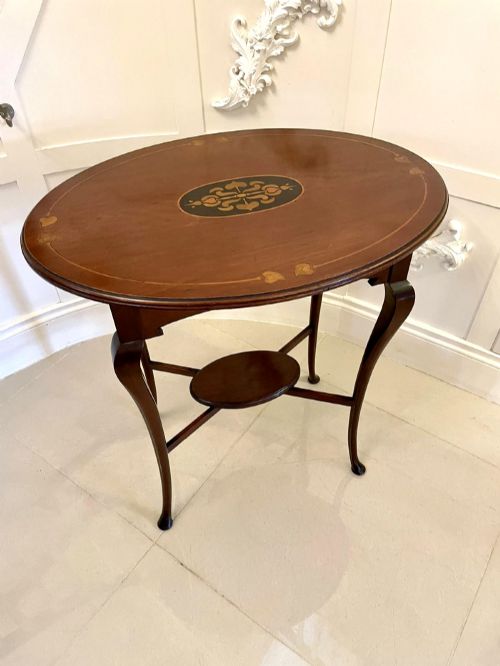
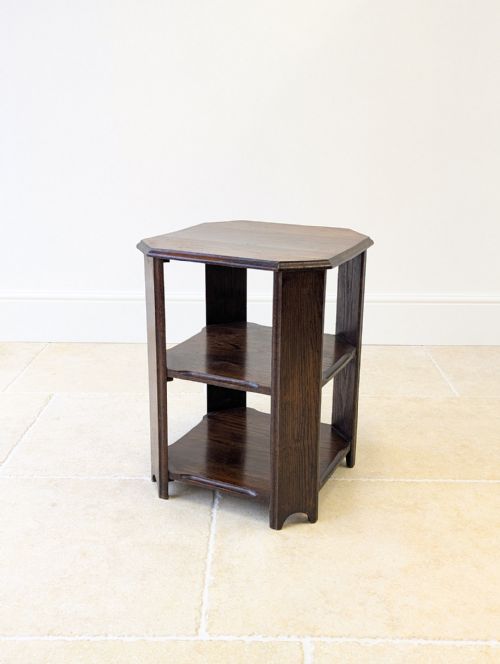
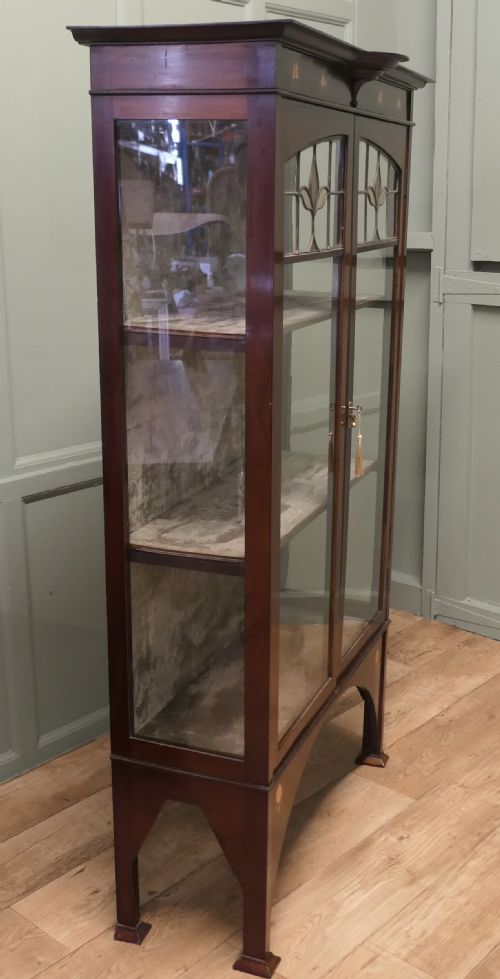
An antique art display encompasses a varied collection of cabinets, bookcases, easels, and side tables designed to showcase objects and books. You will frequently encounter forms originating from the Victorian and Edwardian eras, alongside later Art Deco iterations.
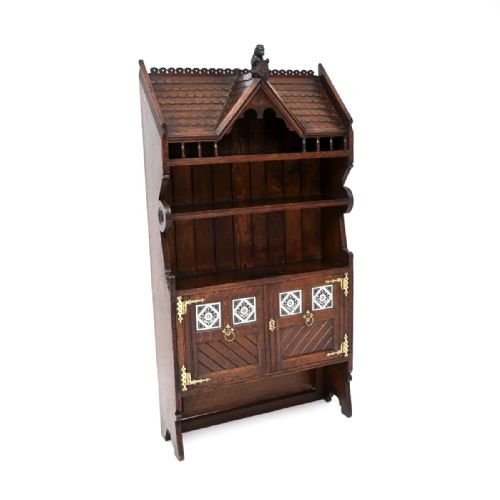
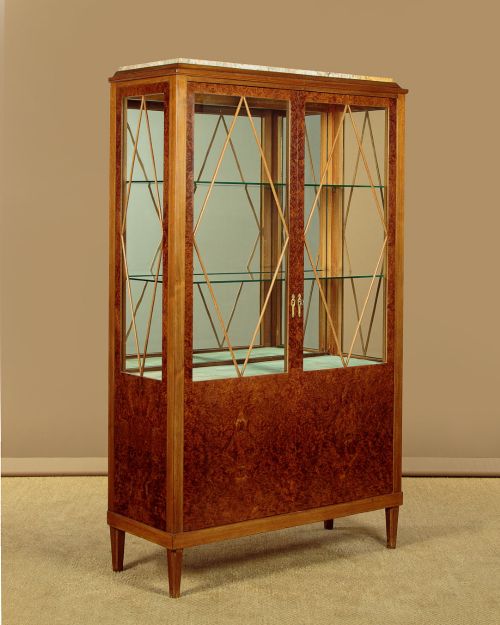
The selection ranges from tall glazed display cabinets and wall cupboards to artist easels and plant stands. Pieces associated with the Arts and Crafts and Aesthetic movements appear regularly among the listings.
Makers and designers working in these styles utilised solid timbers and glass to create functional furniture that doubles as an aesthetic feature. Each form serves to present collections or display items within domestic interiors.
How they were made
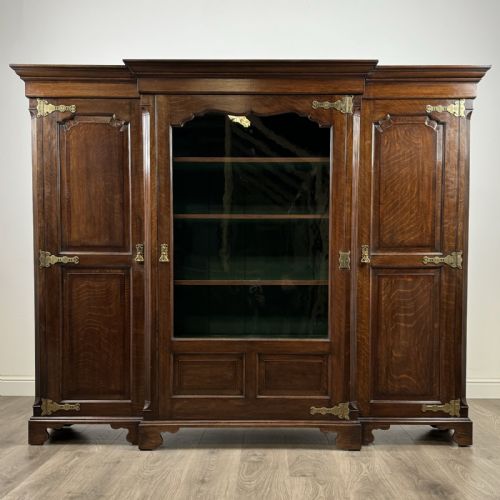
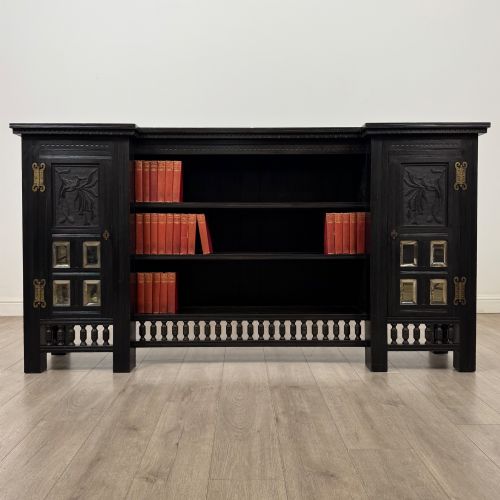
Cabinet makers utilised a variety of native and imported timbers, including oak, mahogany, walnut, and ebonised wood, often enhanced with brass hardware or inlaid details. Glass panels were incorporated into doors to protect contents while allowing visibility.
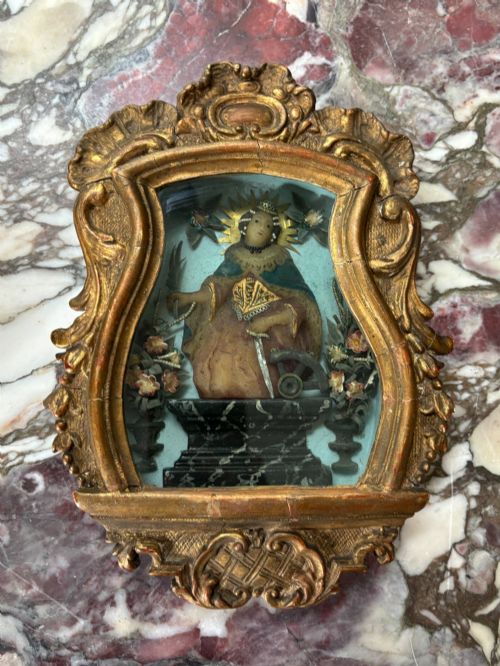
Construction techniques combine traditional joinery with decorative elements specific to movements like Art Nouveau and Arts and Crafts. Surfaces frequently display the natural grain of the wood, sometimes finished with lead or giltwood accents depending on the period.
Listings feature items spanning the 18th Century, Victorian, Edwardian, and 1930s periods, executed in oak, walnut, mahogany, and brass.
What varies in quality
The standard of execution in these pieces depends on the selection of timber and the precision of the cabinetwork. Grain matching in walnut or oak and the refinement of inlaid details distinguish finer examples from standard production.
Proportion and design integrity set individual items apart, particularly in pieces bearing the influence of specific aesthetic movements or known makers. The integration of specialised glass and structural hardware also indicates the tier of craftsmanship.
E Gomme·John Moyr Smith·Shapland and Petter
The Antique Art Display Glossary
- Aesthetic Movement
- A late 19th-century design style emphasising visual and decorative qualities over narrative subject matter. It promoted art for art's sake in domestic furnishings.
- Arts and Crafts
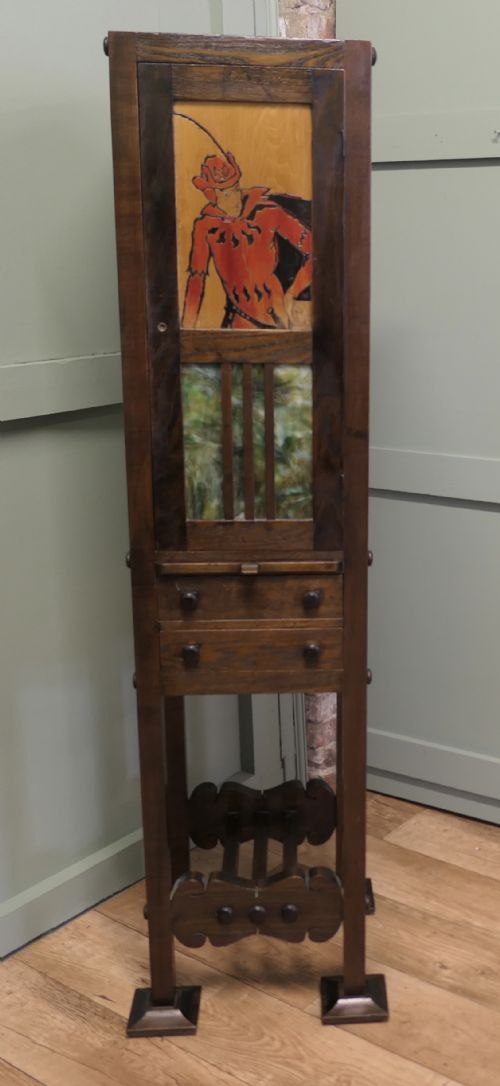
- A design movement valuing traditional craftsmanship, simple forms, and medieval or folk ornamentation. Furniture from this tradition often highlights the natural qualities of oak.
- Chevalet
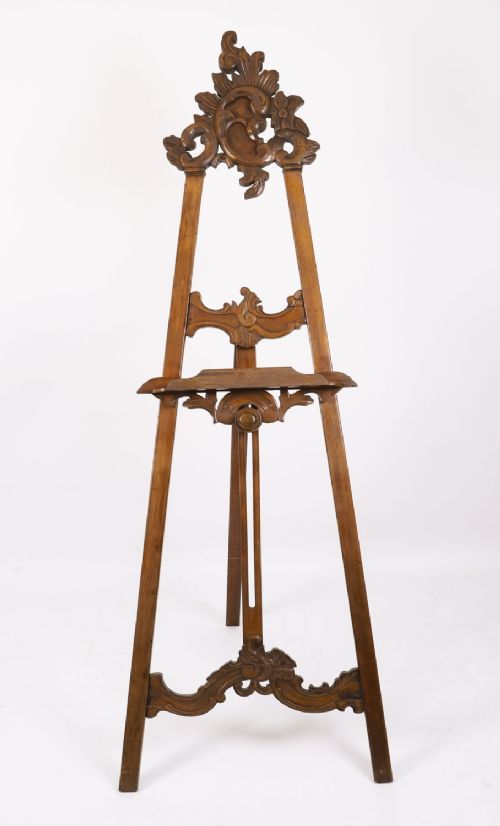
- A form of artists easel designed to support paintings or panels during creation or exhibition. These stands often feature adjustable mechanisms.
- Ebonised Wood
- Timber treated to resemble ebony, typically achieved by staining or painting the surface black. This finish gained popularity during the Victorian period.
- Secessionist
- A Central European modernist movement related to Art Nouveau that favored geometric abstraction and clean lines. Pieces in this style often display restrained ornamentation.
Antique Art Display: Frequently Asked Questions
How do I identify an Arts and Crafts bookcase?
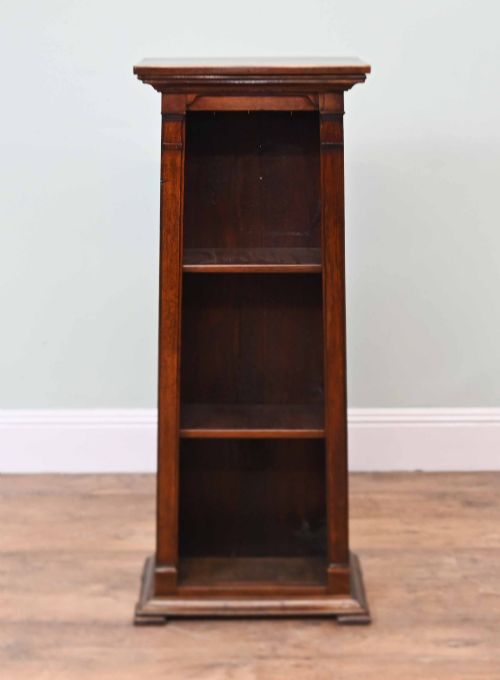
Arts and Crafts bookcases typically feature solid oak construction, visible joinery, and a focus on utility combined with simple decorative motifs. They often include open shelving or leaded glass doors.
These pieces reflect a rejection of mass production in favour of traditional handcrafting techniques. They suit interiors that favour honest materials and straightforward design.
Where were artists easels used?
Artists easels served both as practical studio tools for holding canvases during painting and as display stands in homes and galleries. Walnut and mahogany examples from the 19th century often include adjustable pegs and folding frames.
Displaying artwork on a floor-standing easel adds a dynamic architectural element to a room. They allow paintings to be shown without wall mounting.
What distinguishes Art Deco display furniture?
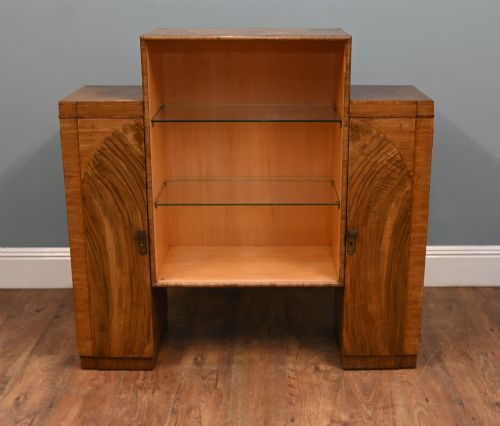
Art Deco display pieces are characterised by geometric forms, symmetrical arrangements, and exotic veneers like amboyna and figured walnut. They date predominantly from the 1920s and 1930s.
These cabinets often feature streamlined silhouettes and minimal ornamentation, relying on the natural grain of the wood for visual effect. They represent a distinct shift toward modernism in domestic design.