
Antique Armchairs and Side Chairs
These antique armchairs and side chairs span formal dining sets and comfortable fireside seating, bringing centuries of skilled cabinetmaking into modern rooms.
Antique Armchairs and Side Chairs
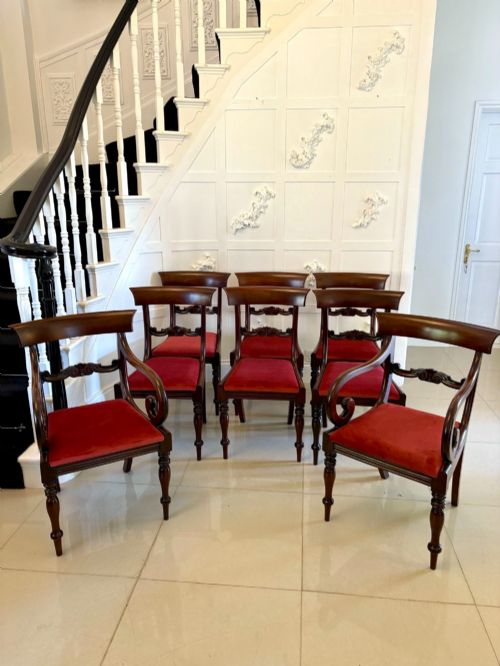
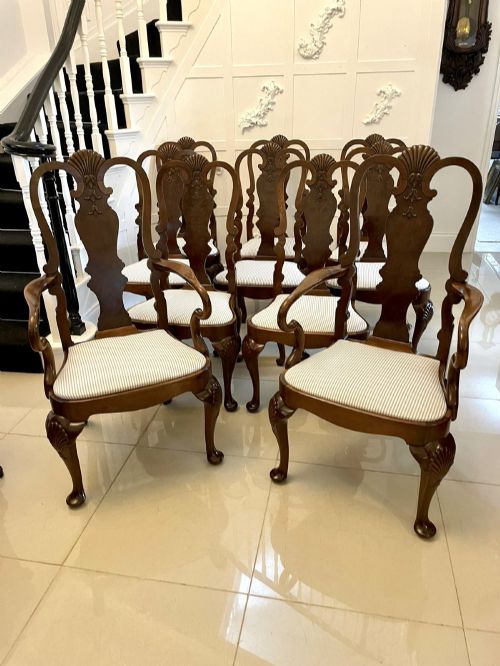
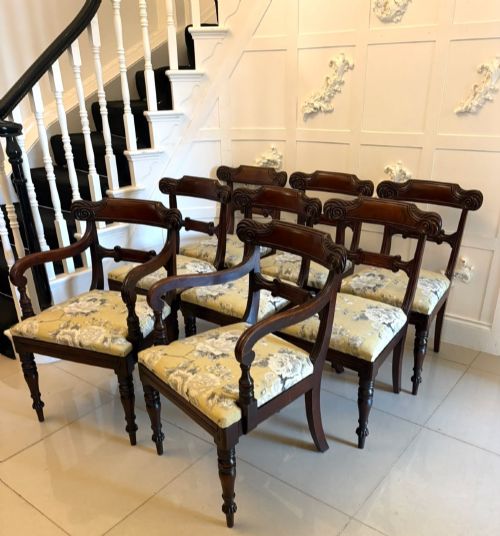
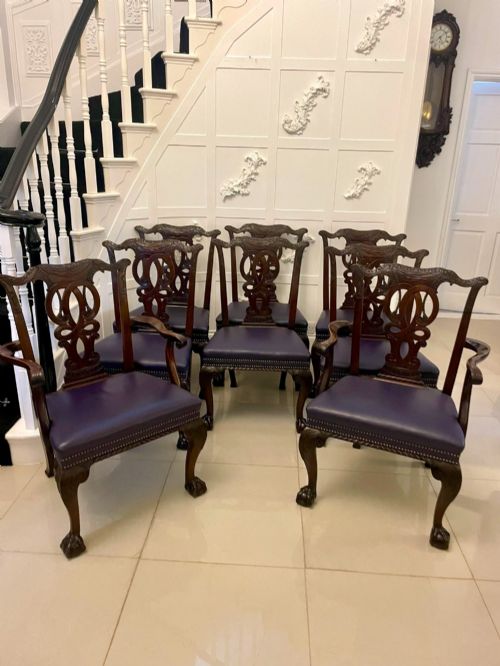
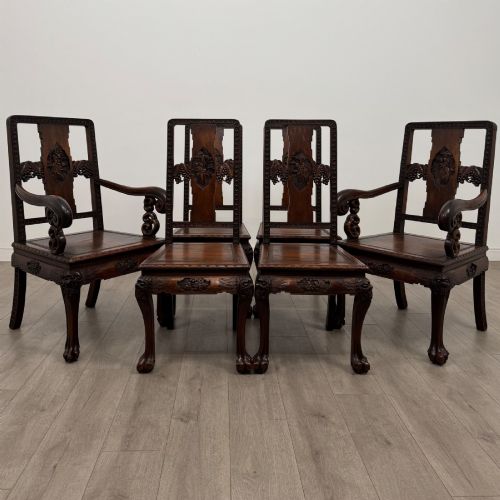
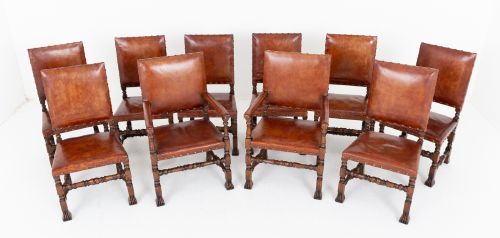
When searching for antique armchairs and side chairs, buyers encounter a diverse range of seating designed for dining rooms, drawing rooms, and studies. The selection covers everything from large sets of dining chairs featuring carvers to individual salon chairs and easy chairs.
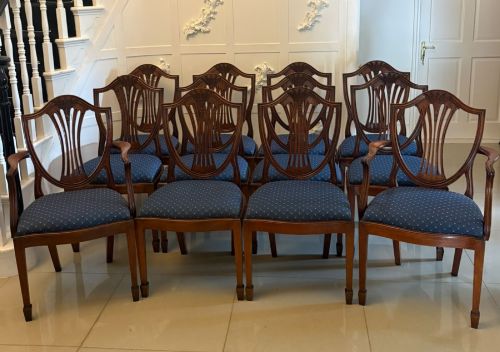
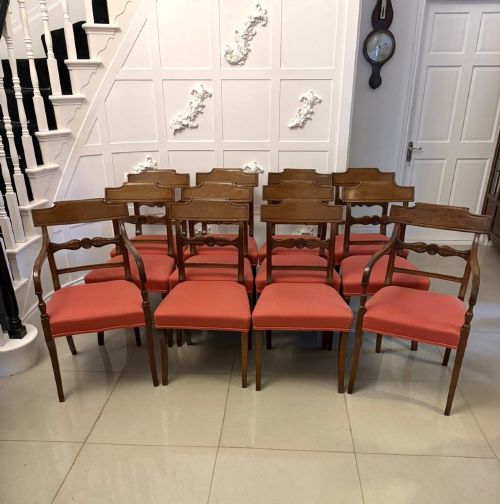
Mahogany dining chairs dominate the selection, often appearing in sets that include matching armchairs alongside side chairs. Buyers also find oak, walnut, and beech pieces originating from periods such as the Victorian era, the Edwardian period, and the Regency years.
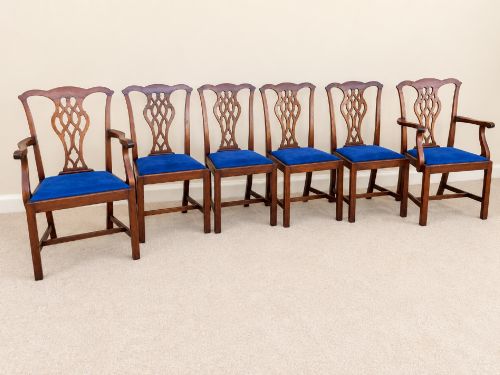
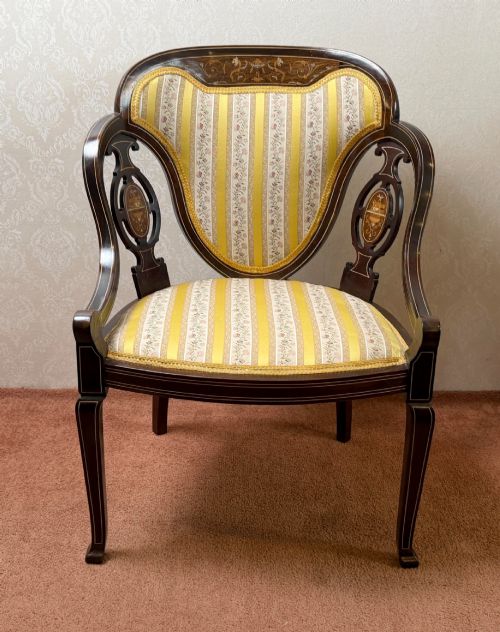
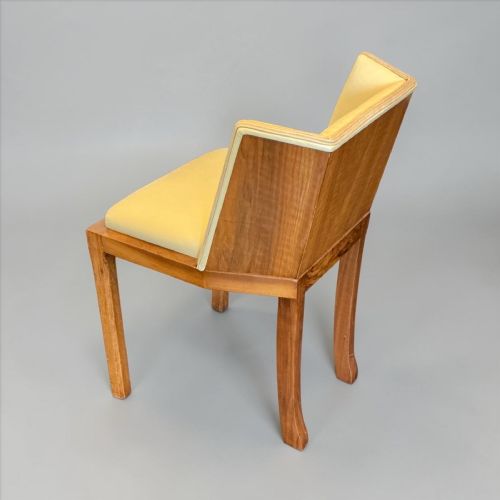
Styles range widely across the inventory, incorporating traditional Chippendale and Hepplewhite influences alongside Arts and Crafts designs and Art Deco forms. This variety allows collectors to furnish both period interiors and contemporary spaces with functional antique seating.
How they were made
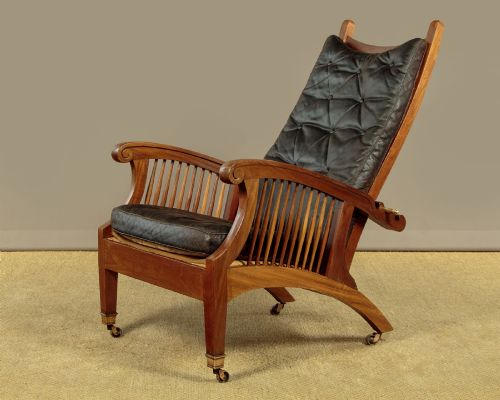
Cabinetmakers utilised dense timbers like mahogany, oak, and walnut to construct the frames of these chairs, ensuring structural longevity through traditional joinery. Carved details and shaped splats were shaped by hand, reflecting the predominant craftsmanship of each specific period.
Upholstery techniques involved traditional stuffing materials paired with coverings such as leather, velvet, fabric, and cane panels. Decorative elements like bone and boxwood inlay or brass accents were frequently applied to enhance the visual appeal of salon and easy chairs.
Napoleon III armchairs bring a touch of continental slouch to the collection.
What varies in quality
The distinction between standard examples and exhibition quality pieces lies in the crispness of the wood carving and the selection of timber figures, such as flame mahogany. Superior sets demonstrate careful matching of grain patterns across multiple chairs and carvers.
Originality of components, including leather upholstery, cane backs, and inlay work, elevates the standing of an armchair or side chair. Master workshops and documented makers applied finer tolerances and more intricate joinery compared to mass-produced alternatives.
Warings·Maple and Co·Philip Webb
The Antique Armchairs and Side Chairs Glossary
- Carver
- An armchair designed with armrests, traditionally placed at the head of a dining table or used alongside matching side chairs. These pieces often match the simpler side chairs in a larger dining set.
- Bergere
- An enclosed upholstered armchair featuring cane or wicker work on the sides and back. Originating in France, these seats often incorporate loose seat cushions for added comfort.
- Balloon Back
- A rounded, oval-shaped chair back resembling a balloon, characteristic of Victorian seating design. This form provides ergonomic support while presenting a graceful curved silhouette.
- Aesthetic Movement
- A late nineteenth-century design style that emphasised visual beauty over narrative content, often drawing inspiration from Japanese art. Pieces from this movement frequently utilise ebonised finishes and clean structural lines.
Antique Armchairs and Side Chairs: Frequently Asked Questions
What is a carver chair?
A carver is an armchair designed to match a set of dining side chairs, usually positioned at either end of a dining table.
Historically, these armchairs provided greater comfort and distinction for the host while maintaining a cohesive aesthetic with the surrounding seating.
How do I identify Victorian chairs?
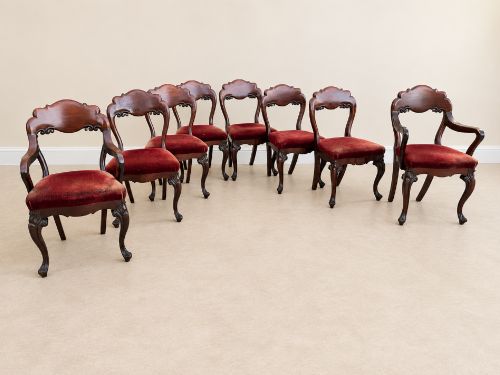
Victorian chairs often feature heavier proportions, dark mahogany or walnut timbers, and rounded balloon back designs or carved shield backs.
Many examples from this era incorporate button tufting, rich velvet upholstery, or elaborate carved ornamentation reflecting nineteenth-century revival styles.
Were dining chairs sold in sets?
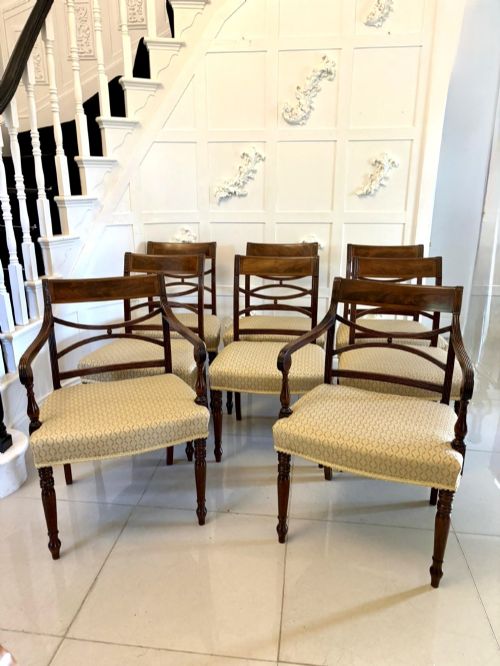
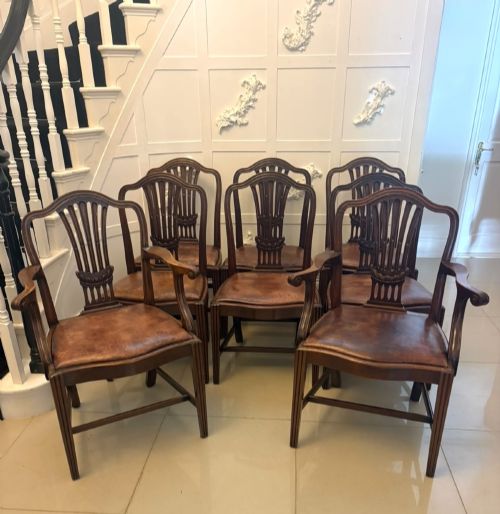
Makers frequently produced dining seating in matched groups consisting of multiple single side chairs and a pair of armchairs.
Larger sets sometimes grew over time or were commissioned specifically for grand houses, ensuring enough seating for large gatherings.
Where were salon chairs used?
Salon chairs were placed in formal drawing rooms and reception spaces to accommodate guests during social gatherings and musical performances.
These pieces were typically lighter in construction than dining chairs, featuring decorative woodwork, exposed frames, and upholstered seats designed for elegance rather than heavy daily use.