


Antique Advertising Print
These antique advertising print pieces bring graphic history and commercial character straight to your walls.
Antique Advertising Print
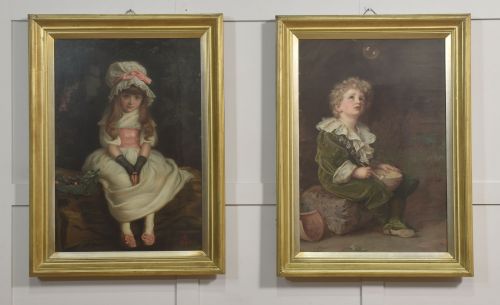
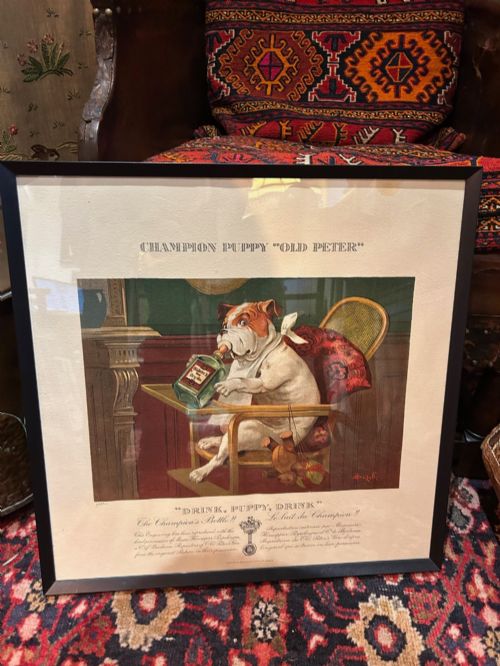
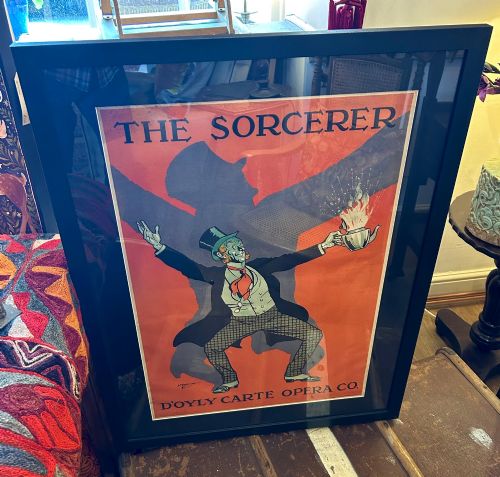
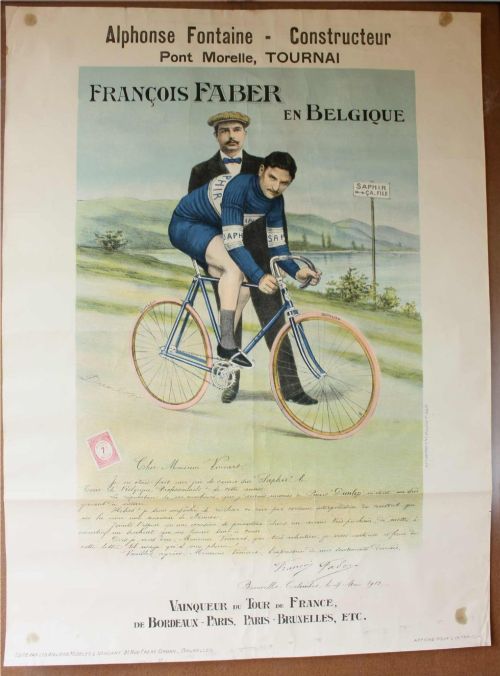
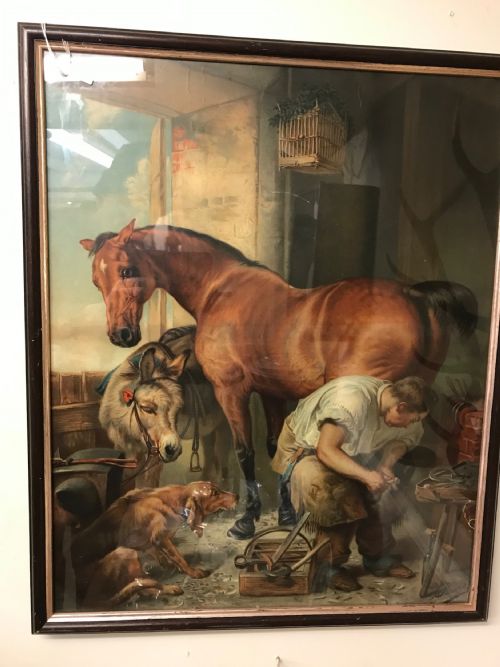
An antique advertising print captures the visual culture of commerce from the nineteenth and early twentieth centuries, spanning Victorian and Edwardian periods. Buyers searching for an antique advertising print encounter framed prints, wall art, and posters that once promoted household goods, soaps, and beverages.
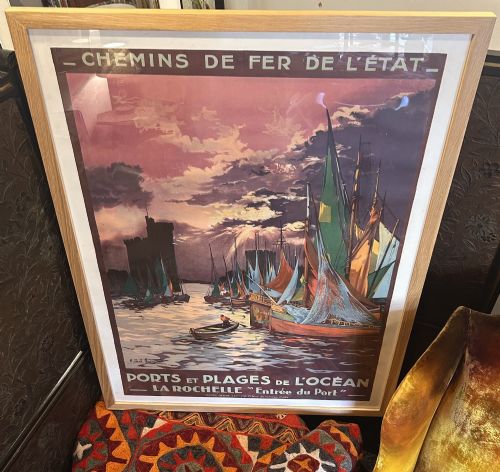
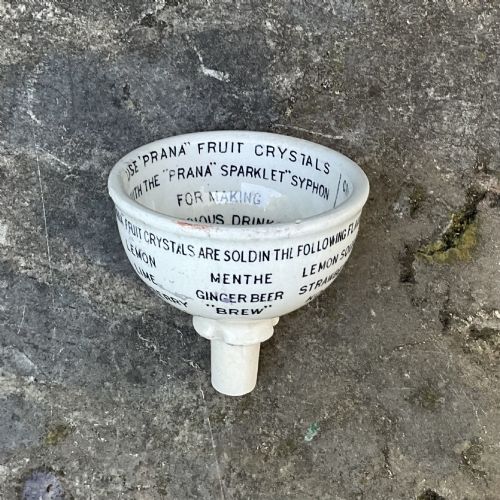
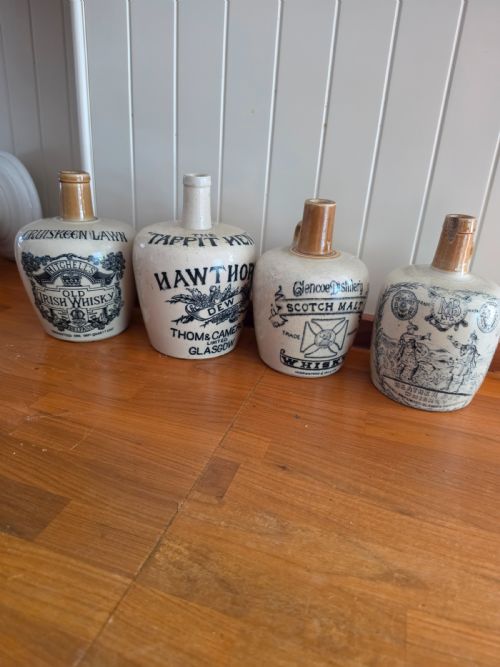
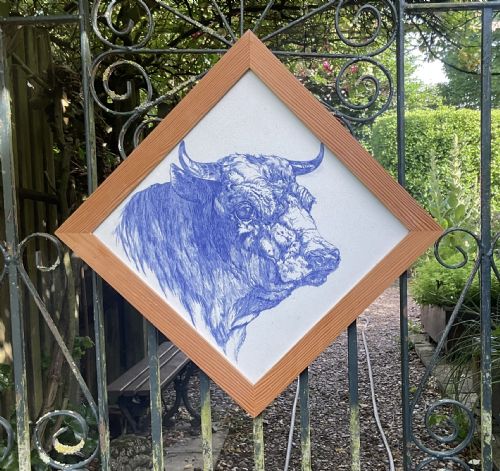
The selections available here range from early twentieth century illustrations and French railway posters to familiar household names like Pears soap and Horniman's tea. Alongside paper posters, the broader category encompasses functional pieces such as ceramic tiles, stoneware flasks, and glass bottles bearing commercial marks.
Framed prints and posters dominate the paper selections, offering a direct window into historical marketing techniques and typography. These paper works sit alongside related commercial objects, creating a varied landscape of early advertising material.
Distinctions in quality
Quality in these commercial pieces rests on the clarity of the printed image, the vibrancy of the remaining colour, and the crispness of the original typography. Stronger examples retain their visual impact without excessive fading or loss to the paper and ink.
For ceramic and glass items, the strength of the glaze and the legibility of the transfer print dictate the standard. Pieces that maintain their structural integrity alongside clear commercial lettering stand apart from heavily worn examples.
Victorian and Edwardian items sit alongside Art Deco pieces and 1920s French railway ephemera.
Marcellin Auzolle·Francois Faber·Mintons·Minton Hollins·Peek Frean and Co
The Antique Advertising Print Glossary
- Transfer print
- A method of applying a decorative design from an engraved copper plate to paper or ceramic via a tissue paper intermediary. This technique allowed manufacturers to reproduce detailed commercial imagery consistently across multiple items.
- Ironstone
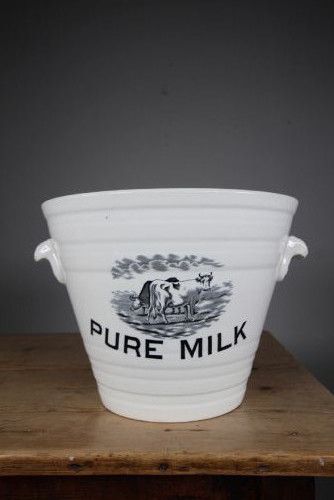
- A heavy, durable type of earthenware patented in the nineteenth century that resists chipping and staining. It provided a robust surface for commercial dairy pails and hotel jugs.
- Stoneware
- A dense, impermeable pottery fired at high temperatures and often finished with a salt glaze. It was commonly used for durable bottles and flasks holding spirits or household liquids.
- Lithograph
- A planographic printing process using oil and water on a limestone or metal plate to produce flat, richly coloured images. It served as the primary method for large posters and advertising prints during the Victorian and Edwardian eras.
- Gilt
- A thin layer of gold leaf or gold paint applied to surfaces such as wood frames or ceramic details. It adds a decorative metallic finish characteristic of high-end Victorian display pieces.
Antique Advertising Print: Frequently Asked Questions
What periods do these prints cover?
The listings span from the nineteenth century through the Edwardian period and into the nineteen-twenties. This encompasses Victorian commercial graphics alongside later European poster art.
Most paper pieces and posters reflect the aesthetic shifts between late Victorian design and early twentieth-century illustration styles.
How were advertising posters used originally?
Businesses placed these posters on public hoardings, in railway stations, and inside shops to catch the eye of the everyday consumer. They served as primary marketing tools before mass broadcast media existed.
Items like ceramic tiles and dairy pails functioned daily within commercial premises while simultaneously promoting the brand.
How do I display a paper print safely?
Paper advertising prints require framing behind protective glass to shield them from atmospheric dust and physical handling. Keeping them away from direct sunlight prevents the printed inks from fading over time.
Stable indoor humidity levels ensure the paper stock remains free from moisture damage while hanging on the wall.
Are ceramic advertising pieces functional?
Ceramic tiles, stoneware flasks, and ironstone jugs were made for heavy commercial use in shops, dairies, and hotels. While many survive as decorative display items, their robust original construction remains evident in the thick glaze and dense body.
Examining the base and glaze helps determine whether an item served an active role in a Victorian or Edwardian business.