

Antique 18ct Gold Jewelry
Antique 18ct gold jewellery brings together high carat precious metal and stones from Victorian, Edwardian, and Art Deco workshops.
Antique 18ct Gold Jewelry
Yellow gold dominates the earlier Victorian and Edwardian items, whilst white gold and platinum settings emerge more frequently in the later Art Deco pieces. Buyers encounter various forms including drop earrings, fringe necklaces, and convertible pendant brooches.
How they were made
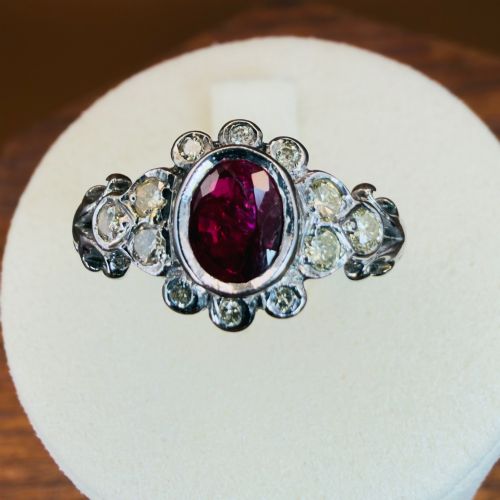
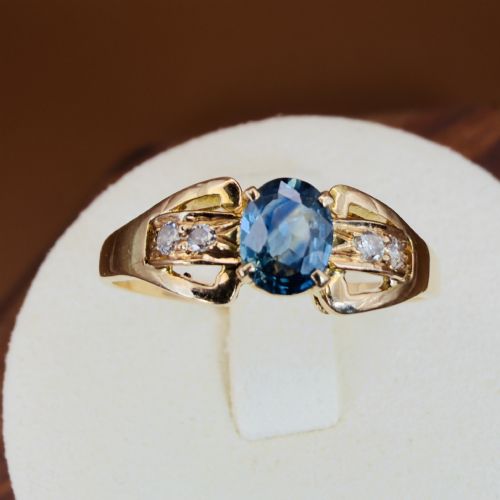
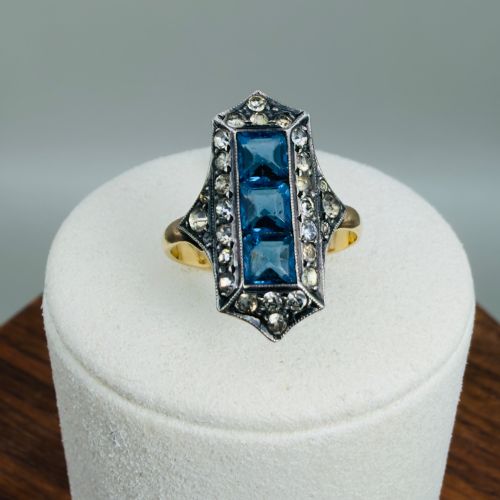
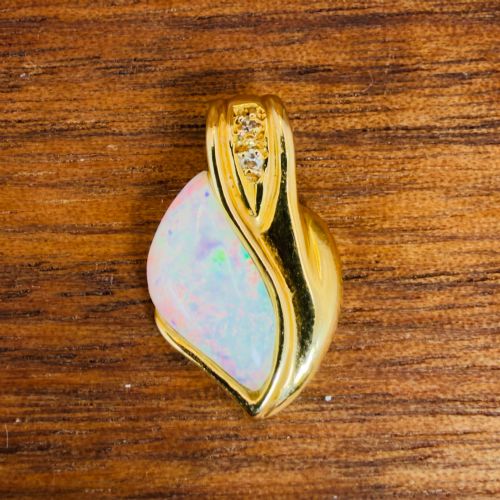
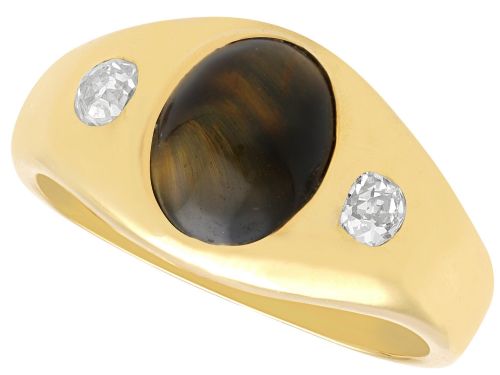
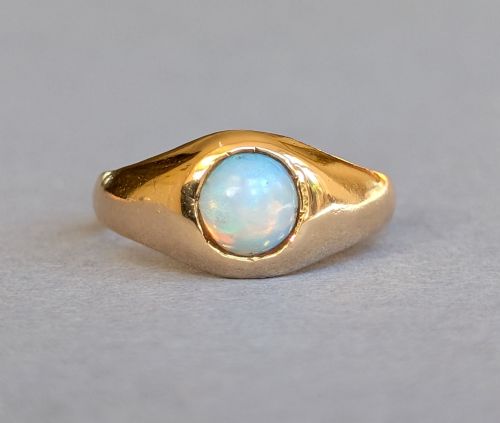
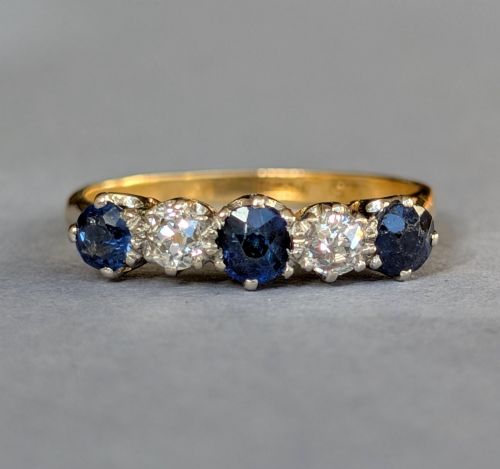
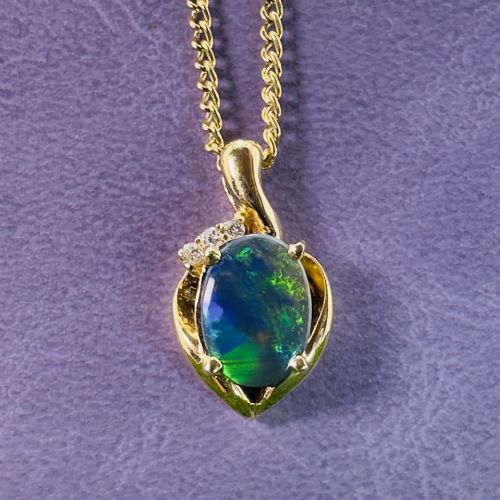
Goldsmiths utilised 18ct yellow, white, and rose gold alongside platinum to form the structural foundations for intricate gemstone settings. Stones such as diamonds, rubies, sapphires, opals, and pearls were hand-set using claw, bezel, or flush techniques suited to the period.
Enamel work and delicate seed pearl arrangements provide contrasting textures on specialised pieces like brooches and lockets. Chains and linkages, including paper link trombone designs, demonstrate traditional manual wire-working and assembly methods.
Antique 18ct Gold Jewelry Retail Price Guide 2026
Typical asking prices for 18ct gold jewelry among the pieces listed under this phrase on Sellingantiques today, from the lower quarter to the upper quarter. They describe what is for sale here now, not the wider market.
Listings feature items spanning from the Victorian period through to the Mid-Century era, utilising both yellow and white 18ct gold.
What varies in quality
The standard of antique 18ct gold jewellery depends heavily on the precision of the stone setting and the crispness of the metalwork detail. Pierced galleries, hand-engraved shoulders, and well-matched gemstone groupings distinguish finer workshops from standard commercial production.
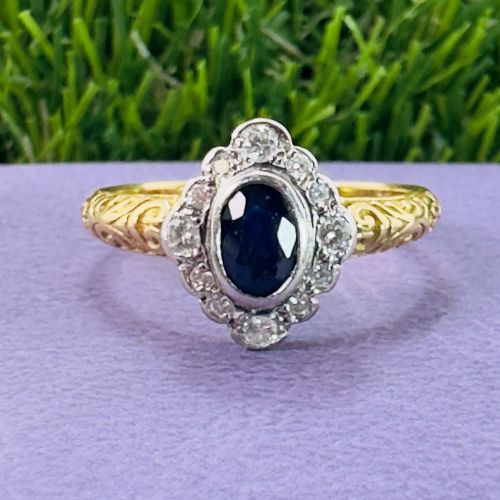
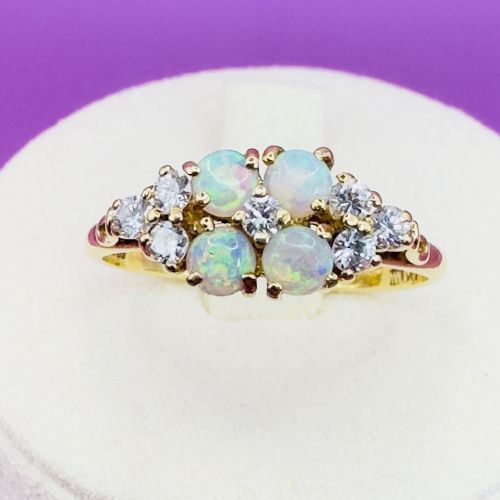
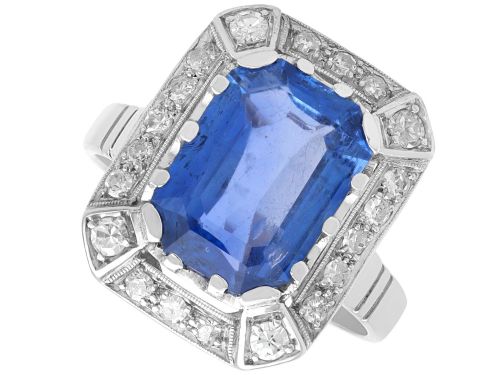
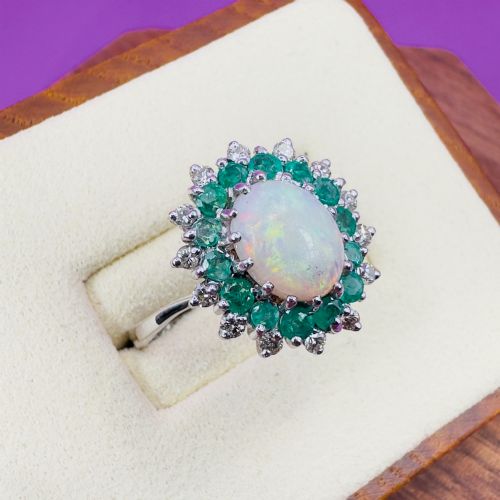
Proportion and balance dictate the desirability of cluster rings and pendants, where the arrangement of diamonds around a central sapphire, ruby, or opal must form a cohesive design. The integrity of original components, such as secure clasps on bracelets and original pin stems on brooches, also influences the overall standard.
Garrard and Co
The Antique 18ct Gold Jewelry Glossary
- Boat ring
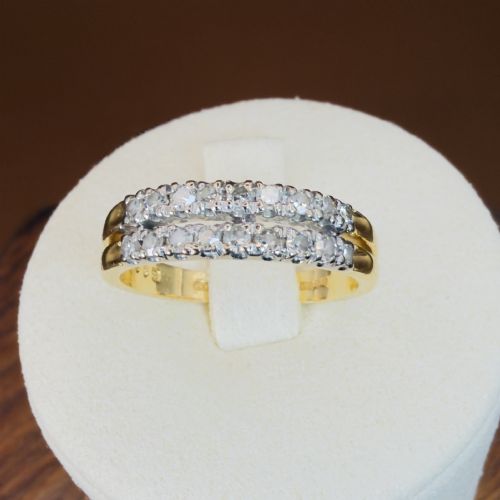
- A ring featuring a curved, horizontally aligned mounting that resembles the hull of a ship, typically set with a row of graduated diamonds.
- Navette
- A boat-shaped or marquise-like pointed cluster setting that sits lengthways along the finger on Edwardian rings.
- Trilogy ring
- A three-stone ring traditionally symbolising the past, present, and future, frequently pairing diamonds with sapphires or rubies.
- Shakudo
- A Japanese mixed-metal alloy of copper and gold treated to produce a dark blue-black patina, often used for detailed pictorial cufflinks.
- Dog clip
- A spring-loaded swivel fastener commonly found on antique watch chains and chatelaines.
Antique 18ct Gold Jewelry: Frequently Asked Questions
How do I identify an Edwardian 18ct gold ring?
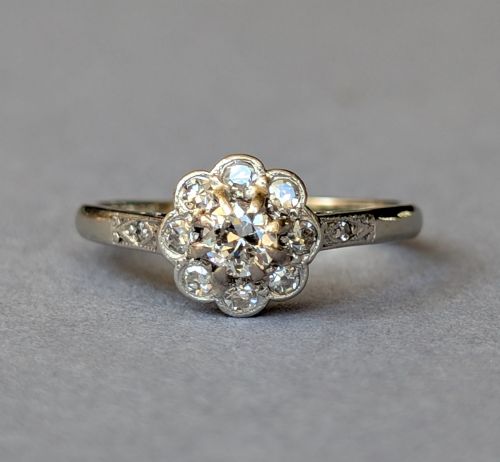
Edwardian rings typically favour light, airy platinum-topped gold settings that showcase old-cut diamonds in delicate lace-like patterns. Motifs often include garlands, ribbons, and floral clusters.
Yellow gold remains common in the shank, while the face of the ring prioritises white precious metals to maximise the perceived brilliance of the diamonds.
What is the difference between Victorian and Art Deco pieces?
Victorian jewellery leans towards romantic sentiment, featuring warm yellow gold, rich coloured gemstones like garnets and spinels, and substantial chainwork. Designs often carry symbolic meanings tied to nature or mourning.
Art Deco items shift sharply towards geometric symmetry, strong lines, and high-contrast combinations of white gold or platinum with calibrated sapphires, rubies, and diamonds.
How were antique 18ct gold chains worn?
Long chains and trombone links served primarily to secure pocket watches, lorgnettes, or pendants using integrated dog clips and bolt rings. They were often doubled over or worn draped across the torso.
Shorter lengths functioned as foundational necklaces, sometimes supporting heavy drops or lockets for daily wear.
Are gemstones in antique jewellery natural?
Many stones found in pieces from the Victorian and Edwardian eras are natural, including untreated sapphires, rubies, and saltwater pearls alongside mined diamonds. Gemstone enhancement techniques were far less advanced than they are today.
Graduation and matching within clusters were done entirely by eye under magnification, resulting in subtle irregularities that confirm their period origin.