







Antique 1895 Silver
Antique 1895 silver pieces bring Victorian craftsmanship to the desk and dining table, offering solid sterling or plated utility that collectors prize for everyday use.
Antique 1895 Silver
When you search for antique 1895 silver, you encounter a diverse array of Victorian objects spanning personal accessories, desk items, and tableware. These domestic goods reflect late nineteenth-century manufacture, predominantly hailing from English assay offices during the reign of Queen Victoria.
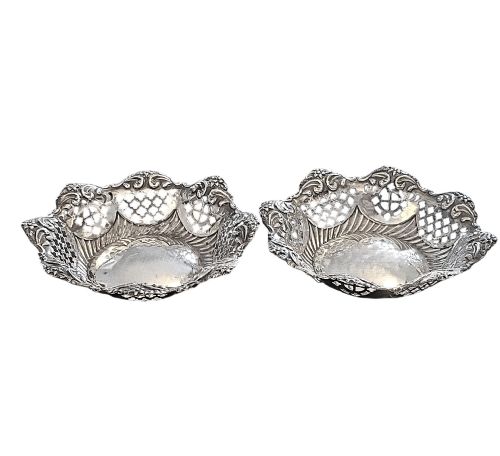
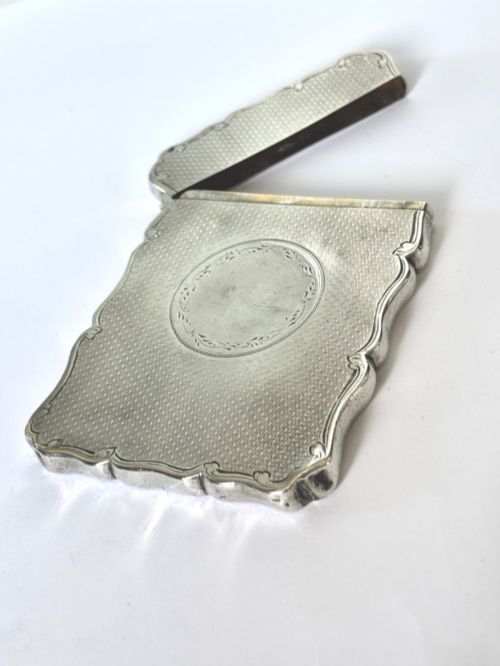
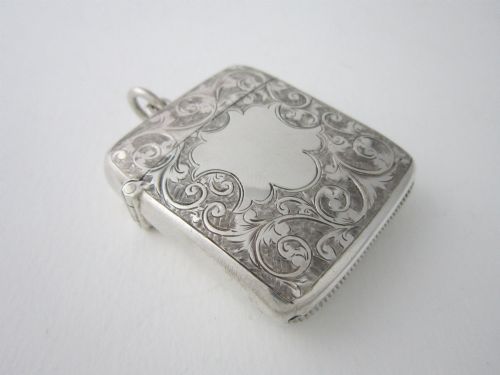
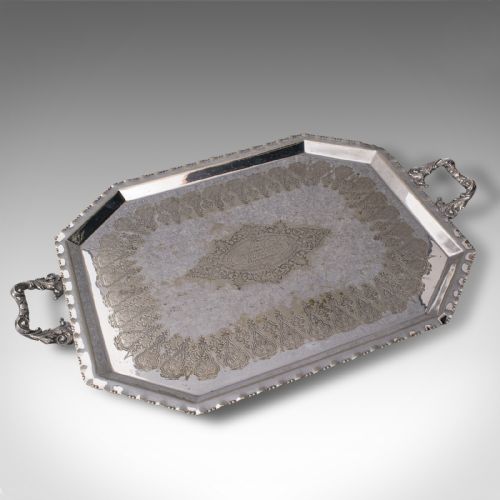
The selection ranges from small personal items like vesta cases, bookmarks, and calling card cases to larger table pieces including bonbon dishes, serving trays, and christening sets. Novelty items such as butterfly paper clips and wine bottle stoppers also appear alongside ecclesiastical communion chalices.
Buyers will find that sterling silver items share space with silver plated and electroplated nickel silver pieces, all carrying the distinct aesthetic of the 1890s. Some selections extend beyond English domestic silver into continental military items like Imperial German helmets from the same era.
How they were made
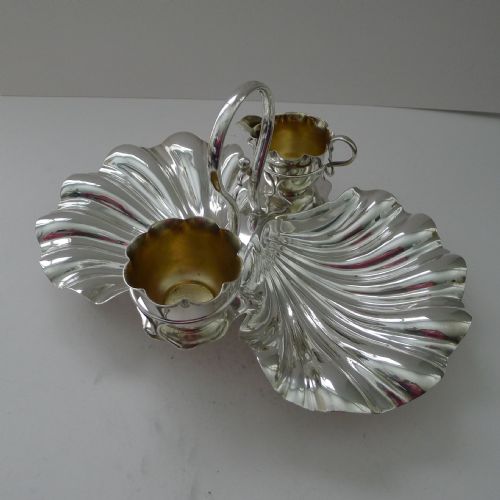
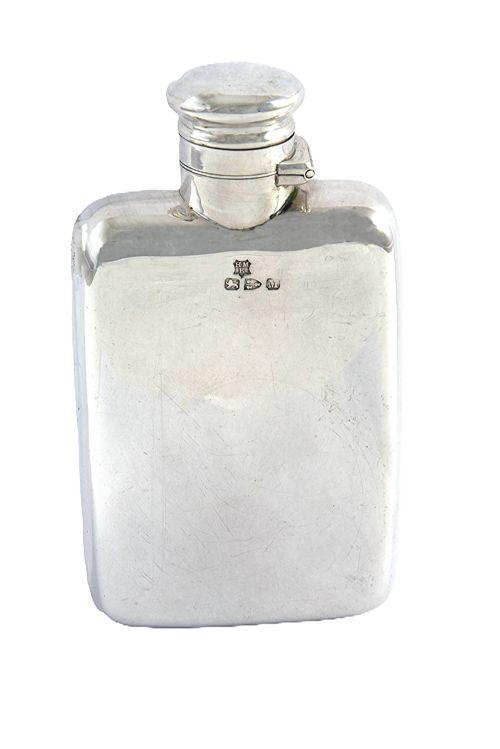
Makers utilised sterling silver and silver plate over base metals, often incorporating internal linings of velvet, glass, or leather for items such as cribbage boxes, trinket boxes, and hip flasks. Gold wash interiors frequently appear within presentation serving pieces and card cases to protect the silver from tarnishing.
Techniques relied upon traditional silversmithing methods including stamping, chasing, and hallmarking, alongside electroplating processes for plated wares. Novelty desk accessories and bookmarks demonstrate precise hinge work and cut-out shaping typical of Birmingham and London workshops.
Antique 1895 Silver Retail Price Guide 2026
Typical asking prices for 1895 silver among the pieces listed under this phrase on Sellingantiques today, from the lower quarter to the upper quarter. They describe what is for sale here now, not the wider market.
Materials span sterling silver, silver plate, gold wash, velvet, glass, leather, and lacquered leather.
What varies in quality
The distinction between top-tier examples and standard pieces rests heavily on the reputation of the silversmith, with makers like William Comyns or George Unite commanding attention for superior chasing and robust construction. Maker marks and crisp town hallmarks anchor the pedigree of individual items.
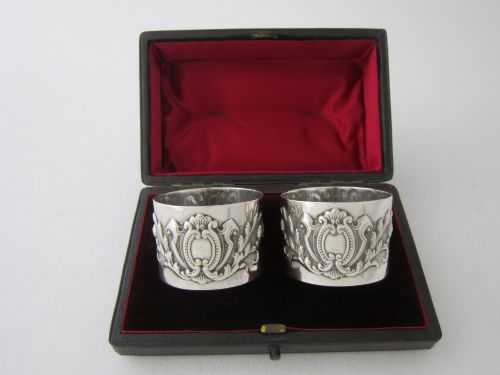
Condition of secondary materials - such as intact glass inserts, undamaged velvet, or unblemished gold wash - distinguishes well-preserved domestic items from those showing heavy wear. The complexity of the object form, from simple napkin rings to intricate novelty animal stoppers, also defines the upper end of the range.
Mitchell Bosley & Co·George Unite·Daniel Arter·William Comyns
The Antique 1895 Silver Glossary
- Sterling silver
- An alloy containing 92.5 percent pure silver and 7.5 percent other metals, usually copper. This standard composition guarantees durability while maintaining the bright lustre valued in Victorian tableware.
- Electroplated nickel silver
- A base metal alloy of copper, nickel, and zinc coated with a thin layer of pure silver through electrolysis. This technique provided an affordable alternative to solid sterling for large serving items.
- Gold wash
- A thin layer of gold applied to the interior surface of silver items such as christening sets or card cases. It prevents acidic foods or handling from tarnishing the primary metal.
- Hallmark
- An official stamp applied by an assay office indicating the purity of the metal, the maker, and the year of production. For 1895 pieces, these marks provide definitive dating evidence.
- Vesta case
- A small pocket box designed to hold matches, typically featuring a striking surface on the base. Victorian examples often display detailed engraving or novelty shapes.
Antique 1895 Silver: Frequently Asked Questions
How do I identify an 1895 hallmark?
English silver from this year carries specific date letters corresponding to the assay office in cities like Birmingham, London, or Chester. You will find these stamped alongside the maker's mark and the lion passant indicating sterling standard.
Examining these tiny punches with a loupe reveals the precise year of manufacture. The script used for the date letter changes annually, making the assay office alphabet key to accurate dating.
What is the difference between sterling and silver plate?
Sterling silver consists of solid precious metal throughout the piece, marked with a standard purity guarantee. Silver plate applies a thin layer of silver over a base metal core such as nickel or copper.
Plated items allow for larger domestic objects like communion chalices and serving trays to remain affordable. Over time, heavy polishing can wear through the plated surface to reveal the base metal underneath.
How should I clean antique silver?
Gentle washing with warm water and mild soap removes daily dirt without damaging the metal surface. Specialised silver cloths help maintain the polish without using abrasive pastes that scour away fine engraving.
Avoid dipping pieces with velvet, glass, or leather linings into liquid cleaning solutions, as moisture ruins these sensitive secondary materials. Hand polishing preserves the subtle patina accumulated over more than a century.
Were these items used daily in 1895?
Victorian households utilised these objects for specific social rituals, from card cases for calling upon acquaintances to napkin rings assigned to family members at dinner. Desk accessories kept correspondence organised in domestic studies.
Many pieces served as presentation gifts for milestones such as christenings or weddings. This dual purpose of utility and commemoration explains the survival of items ranging from bookmarks to cribbage boxes.