




Antique 14ct Ring
An antique 14ct ring brings together enduring precious metals and gemstones across Victorian, Edwardian, Art Deco and mid-century designs.
Antique 14ct Ring
When searching for an antique 14ct ring, buyers encounter pieces spanning the nineteenth century through the 1960s, encompassing styles from Victorian and Edwardian work to Art Deco and mid-century modern design. The most frequently met examples on this page take the form of dress rings, cluster settings, and solitaire arrangements.
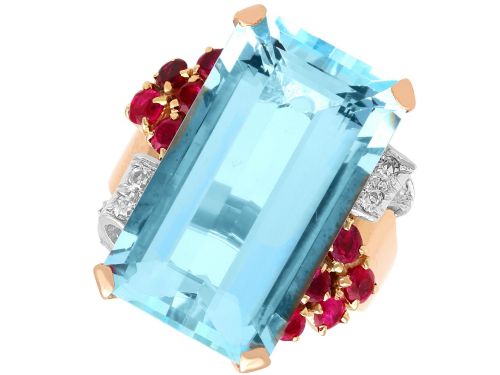
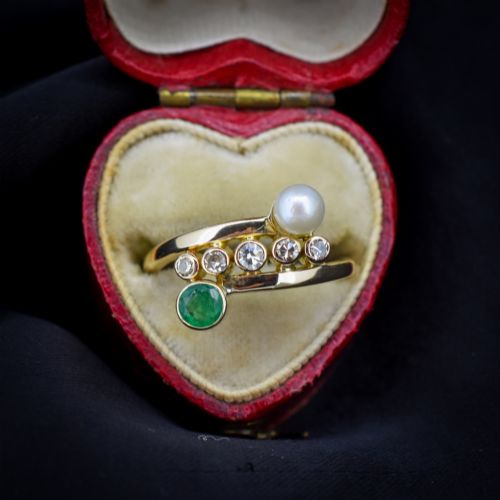
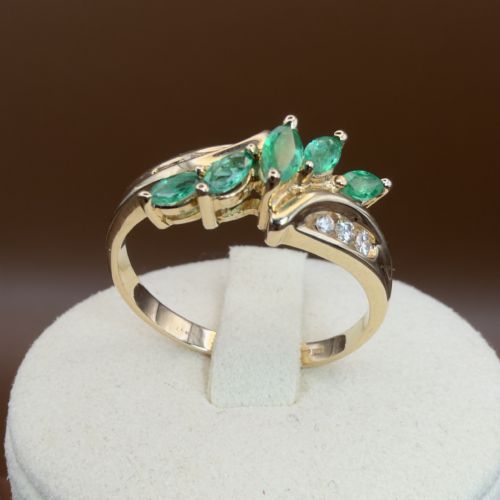
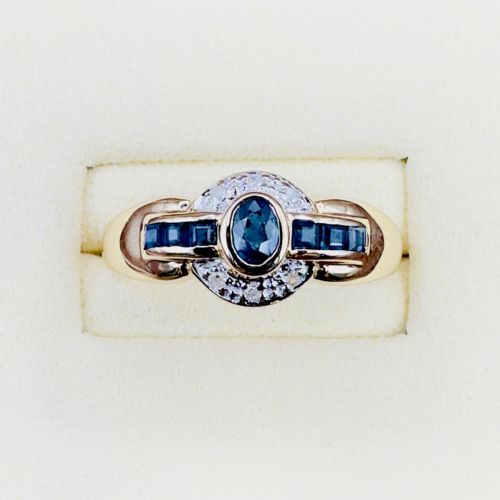
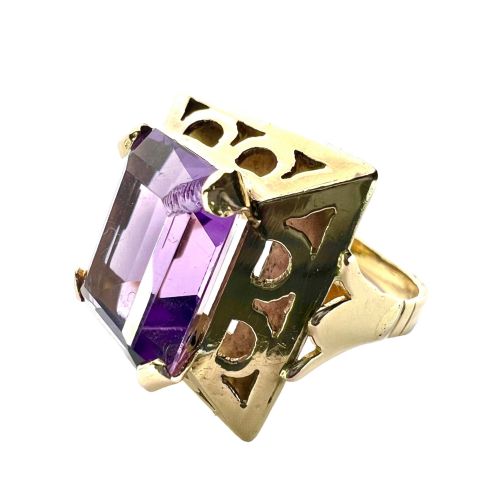
Makers utilised 14ct yellow, white, and rose gold alongside platinum to mount gemstones such as diamonds, sapphires, emeralds, rubies, and opals. Individual specimens range from delicate tiara rings and five-stone settings to substantial cocktail rings and gentlemen's aquamarine pieces.
Materials and construction
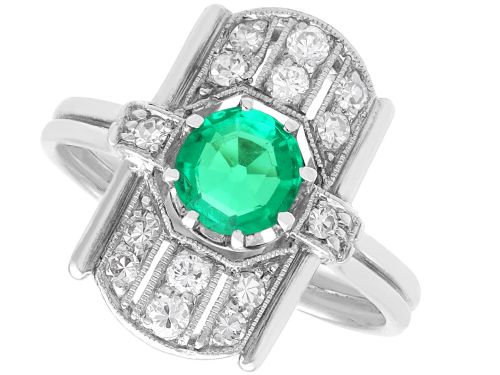
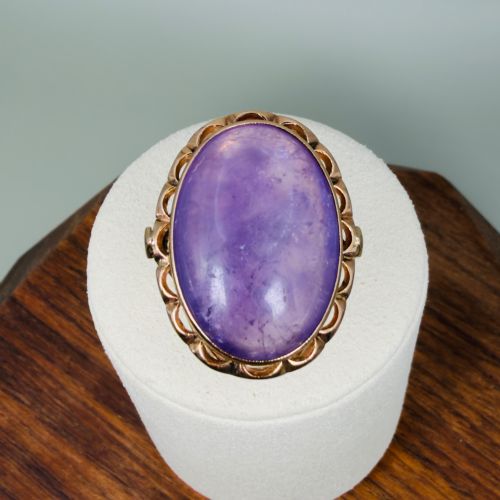
The construction of these rings relies upon solid 14ct gold and platinum mountings, formed into distinct profiles including scroll panels, flower motifs, and elongated oval cuts. Jewellers secured central stones like basaltic sapphires, Colombian emeralds, and cabochon lavender jade using precise claw and bezel settings.
Complementary diamonds and smaller gems are integrated into cluster formations and dress rings, utilising techniques characteristic of periods from the 1900s to the 1950s. The combination of durable 14ct gold alloys with platinum accents ensures structural integrity while supporting intricate gemstone arrangements.
Antique 14ct Ring Retail Price Guide 2026
Typical asking prices for 14ct ring among the pieces listed under this phrase on Sellingantiques today, from the lower quarter to the upper quarter. They describe what is for sale here now, not the wider market.
One substantial lavender jade ring tips the scales at over ten grams of solid 14ct rose gold.
Judging quality in rings
Quality in these rings is determined by the harmonious proportion of the design and the distinct character of the set stones, such as the depth of colour in a black boulder opal or a Ceylon sapphire. Masterful lapidary work and balanced stone weights distinguish exceptional dress and cluster rings from standard productions.
The refinement of the metalwork, whether executed in white, yellow, or rose 14ct gold, dictates the overall distinction of the piece. Superior examples display crisp detailing in styles ranging from Art Deco geometric layouts to Edwardian organic motifs.
The Antique 14ct Ring Glossary
- Cluster ring
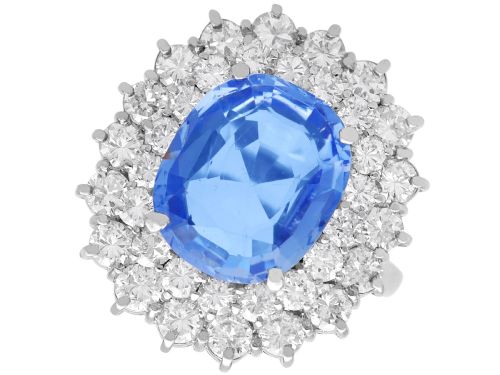
- A ring design featuring a central gemstone surrounded by a group of smaller stones. This arrangement maximises visual impact and light reflection.
- Cabochon
- A gemstone shaped and polished with a smooth, rounded surface rather than faceted. This cut is frequently utilised for opals, jade, and chalcedony.
- Tiara ring
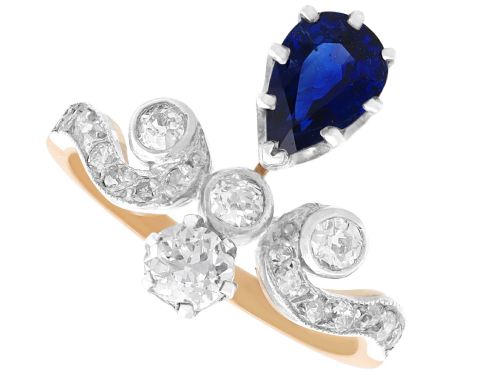
- A decorative ring shaped to resemble an ornate tiara or coronet. These pieces often incorporate graduated stones and delicate scrollwork.
- Solitaire ring
- A ring set with a single gemstone, typically a diamond or ruby. The focus remains entirely on the quality and cut of the central stone.
- Transition cut
- A diamond cut used during the early twentieth century that bridges old mine cuts and modern brilliant cuts. It retains high crown facets and a small table.
Antique 14ct Ring: Frequently Asked Questions
What periods do these rings come from?
The selection includes pieces originating from the nineteenth century, the Edwardian era, and the Art Deco period. Mid-century and 1950s retro designs also appear frequently.
Each era contributes distinct stylistic elements, from Victorian sentimentality to the geometric precision of the 1930s.
What gemstones are set in 14ct gold rings?
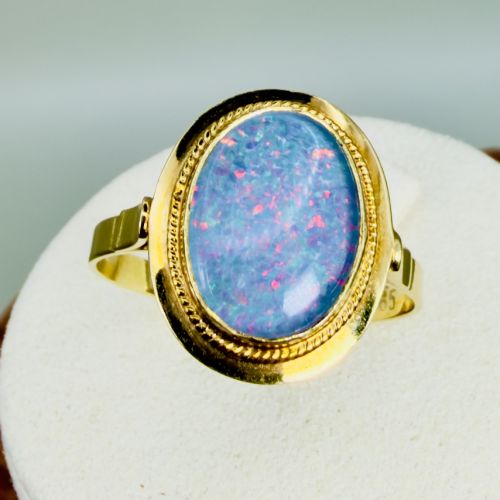
Diamonds and sapphires form a significant portion of the gemstone inventory, alongside emeralds, rubies, and pearls. Alternative stones such as bloodstone, turquoise, amethyst paste, and black boulder opal are also present.
Platinum is occasionally combined with 14ct gold to enhance diamond settings.
How do I wear a cocktail ring daily?
Cocktail rings make a bold statement and suit occasions where their larger profile can be appreciated safely. Pairing them with simpler attire allows the intricate scroll panels and gemstone clusters to stand out.
Consider the setting height and stone type when selecting a piece for frequent wear.
What is the difference between a dress ring and a cluster ring?
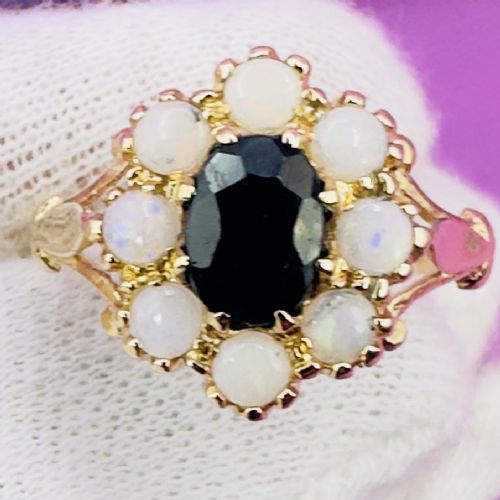
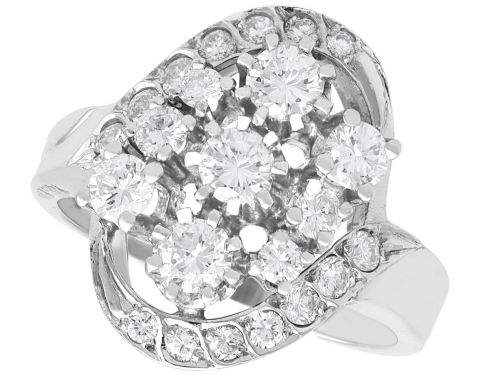
A dress ring is a general term for decorative rings worn for fashion rather than engagement, often featuring varied stones and artistic arrangements. A cluster ring specifically defines a central stone encircled by a distinct border of smaller gems.
Both styles showcase the diverse design approaches of twentieth-century jewellers.