




Adjustable Table Light
An adjustable table light directs illumination precisely where needed through telescopic stems, joints or pivoting arms.
Adjustable Table Light
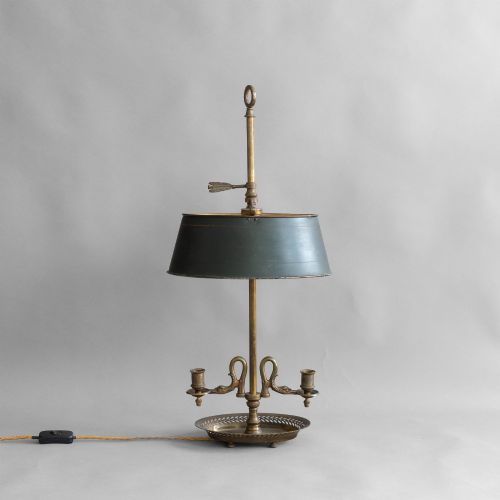
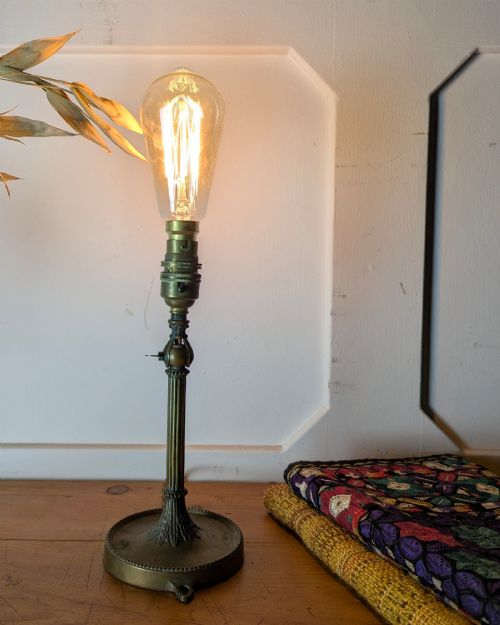
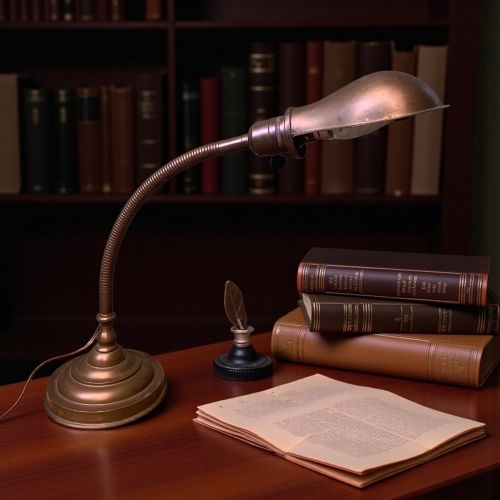
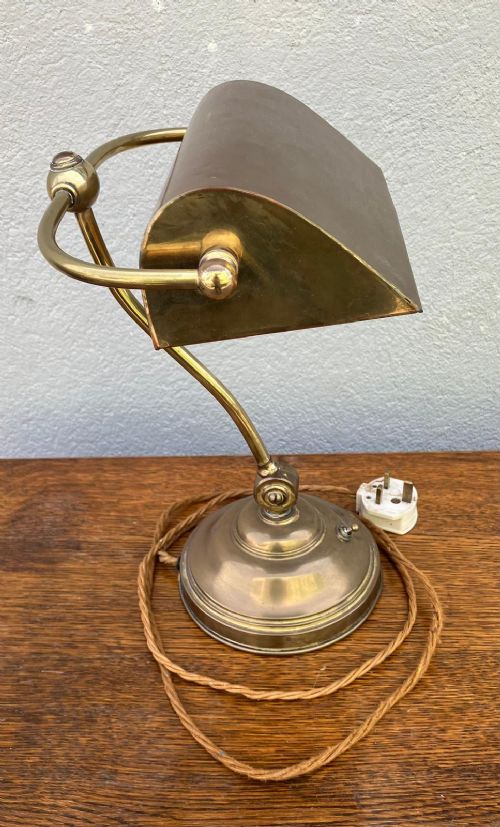
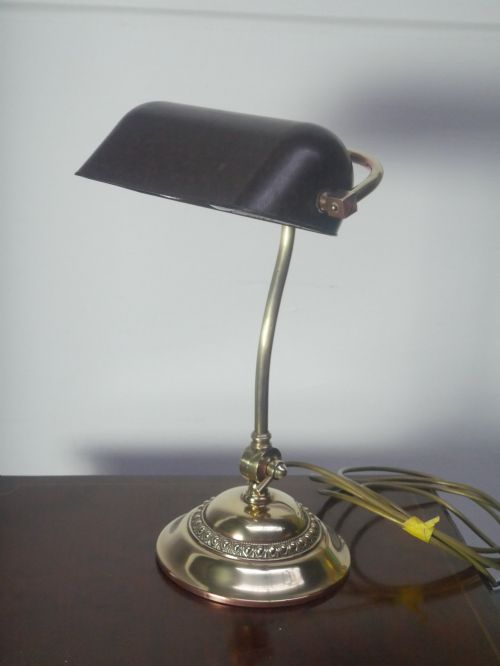
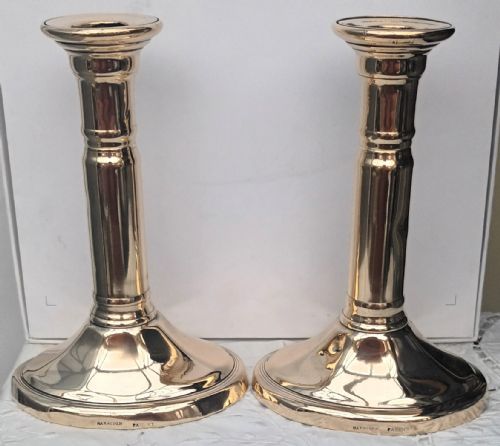
An adjustable table light provides focused illumination through mechanical adaptation, appearing frequently across desk lamps, bouillotte lamps, and telescopic candlesticks. These pieces serve workspaces, writing desks, and reading tables by altering height or reach. Buyers encounter variations spanning the Georgian, Victorian, Edwardian, and Art Deco periods.
The selection on this page relies heavily on brass construction, supplemented by toleware, chrome, bronze, and glass. Forms range from utilitarian student lamps and bankers desk lamps to decorative candelabras and French bouillotte designs with adjustable shades. Origin points stretch across English workshops and French ateliers.
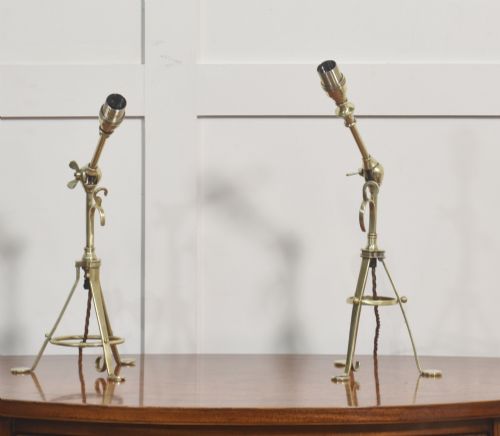
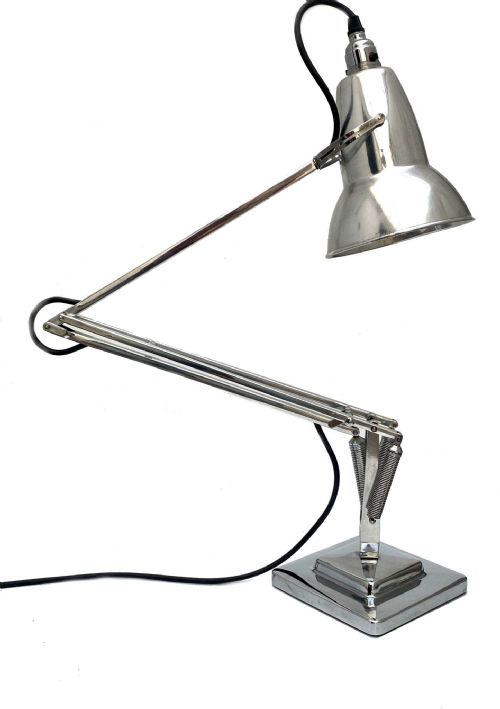
Engineering mechanisms define the group, utilising telescopic sliding stems, swan necks, gimbal pivots, and articulated joints. Candlesticks employ ratchet or screw mechanisms for height alteration, whilst later twentieth-century examples introduce balanced spring arms. Each configuration responds to the functional demands of task lighting across different eras.
Evaluating Quality
Precision of movement separates standard production from superior examples. High-grade telescopic stems glide smoothly and lock securely without slipping, whilst inferior joints loosen or bind. The weight and stability of the base relative to the extended arm indicate structural integrity.
Material thickness and finishing detail distinguish the tier. Quality pieces display crisp casting, substantial gauge metal, and original components such as fitted keys, matching shades, and authentic switches. Substandard items often show heavy wear on adjustment threads and replacement parts that disrupt the original balance.
Adjustable Table Light Retail Price Guide 2026
Typical asking prices for adjustable table light among the pieces listed under this phrase on Sellingantiques today, from the lower quarter to the upper quarter. They describe what is for sale here now, not the wider market.
Certain brass gimbel lamps kept reading possible on rolling nineteenth-century trains and swaying ships.
W.A.S. Benson·Herbert Terry·Wild and Wessel·Pirouette·Tiffany Studios
The Adjustable Table Light Glossary
- Telescopic
- A mechanism allowing a lamp stem to extend vertically through nested tubes secured by a key or screw. This permits direct adjustment of overall height.
- Bouillotte lamp
- A traditional French table lamp featuring a central shaft, multiple candle or bulb branches, and an adjustable shade that moves down the stem as candles burn. The shade is commonly made from painted toleware.
- Gimbal
- A pivoted ring mounting that allows a lamp to remain level regardless of the surface angle, frequently found on maritime or train pieces. It provides multi-directional movement.
- Swan neck
- A curved tubular arm that positions the light source outward and downward over a work surface. The graceful bend allows directional flexibility.
- Toleware
- Enamelled or painted sheet metal used predominantly for lamp shades and bases in green, red, or black colourways. It directs light downward while providing decorative contrast against brass fittings.
Adjustable Table Light: Frequently Asked Questions
How do telescopic adjustments work on antique lamps?
Telescopic lamps use an inner tube that slides within an outer column, held in place by a thumbscrew, friction collar, or internal ratchet mechanism. Adjusting the height requires loosening the fastener, sliding the stem to the desired position, and tightening it securely.
Heavier models rely on weighted internal springs or balanced counterweights to maintain position without locking screws. Regular use requires keeping these sliding channels clean to prevent binding.
Were these lamps originally made for electricity?
Many early adjustable lights began as oil lamps, gas fixtures, or candle holders before conversion to electricity during the twentieth century. Candlesticks utilised sliding sleeves or patent mechanisms to raise candles as they melted, long before wiring existed.
Later Edwardian and Art Deco designs were manufactured specifically for electrical wiring, often incorporating flexible fabric cords and switch holders integrated into the brass or chrome framework.
Can these lights be used safely on modern desks?
Antique adjustable lights function effectively on modern desks provided the wiring meets current electrical standards. Many older fixtures require rewiring with modern flex and insulated lampholders to comply with safety regulations.
Desk placement should account for the reach of the adjustable arm and the weight distribution of the base. Heavy brass and bronze structures offer stable foundations for everyday task lighting.