


Adjustable Painting Easel
An adjustable painting easel gives you the practical flexibility to set canvases at the exact height and angle you need for work or display.
Adjustable Painting Easel
An adjustable painting easel provides a sturdy frame to support canvases during the creative process, ranging from compact tabletop models to large studio pieces. When you search for an adjustable painting easel, you encounter forms designed for serious artists and practical display, often originating from nineteenth-century studios or French provincial workshops.
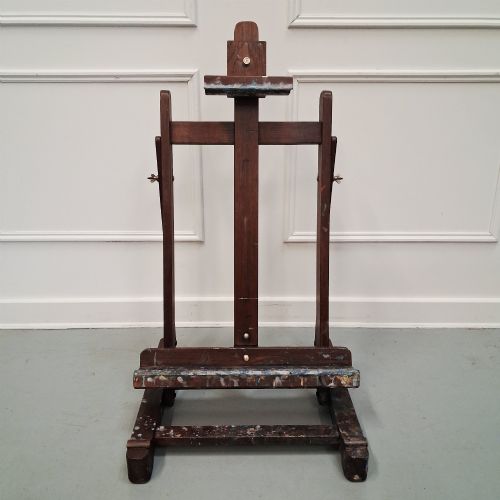
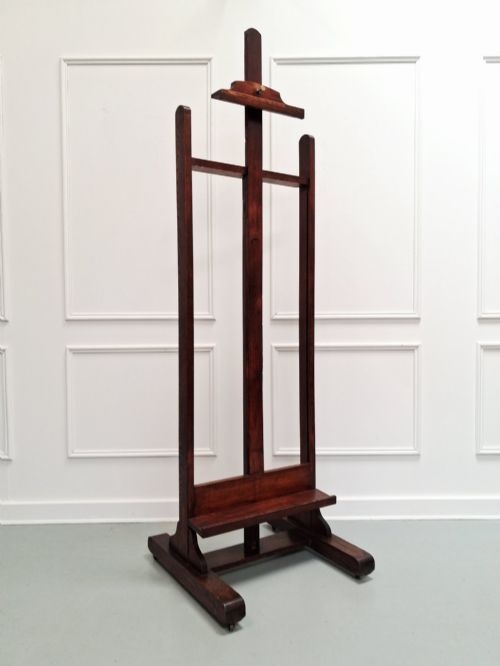
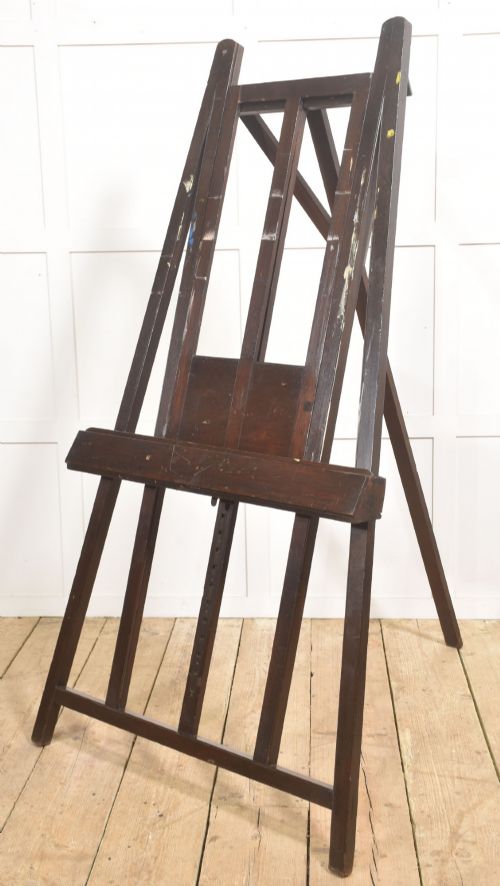
The pieces on this page span several distinct forms, including freestanding studio models in oak and mahogany alongside useful tabletop versions. You will find double-sided gallery examples and folio stands that reflect both English and French craftsmanship from the nineteenth and early twentieth centuries.
How adjustable painting easels were made
Maker workshops relied on dense hardwoods such as oak, mahogany, and pitch pine to ensure the framework could bear the weight of heavy canvases and framing. These timbers were selected for grain stability and structural strength, essential for items subjected to frequent mechanical adjustment.
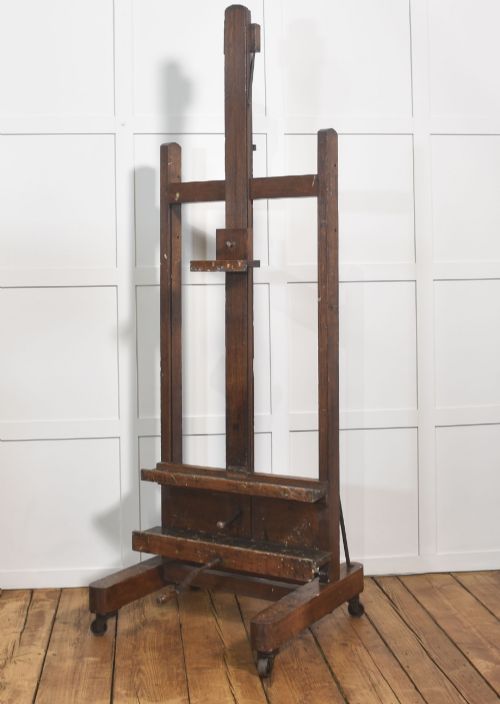
Metal components, including brass and cast iron fittings, were integrated into the wooden frames to control sliding mechanisms, cranks, and ratchets. This combination of timber and metal allowed artists to alter heights and tilts smoothly during prolonged painting sessions.
Listings feature woods spanning oak, mahogany, pitch pine, and cast iron across nineteenth-century and early twentieth-century periods.
What varies in quality
Quality rests primarily in the precision and durability of the adjusting mechanisms, whether brass screws, iron ratchets, or wooden pegs. Superior examples offer smooth, reliable movement that holds heavy loads securely without slipping.
The choice and treatment of timber also dictate the standard of the piece, with well-figured mahogany and quarter-sawn oak showing superior joinery and cabinet-making skills. Finer pieces display careful attention to structural bracing and surface finish rather than purely utilitarian construction.
The Adjustable Painting Easel Glossary
- Studio easel
- A large, heavy freestanding easel designed for indoor painting work, often fitted with wheels or complex winding mechanisms for height adjustment.
- Tabletop easel
- A scaled-down version intended to sit on a desk or table, providing support for smaller canvases and portable work.
- Folio stand
- A low rack designed to hold large art portfolios, prints, or framed pictures flat or upright for viewing.
- Pitch pine
- A resinous pine timber utilised for its durability and strong grain pattern, frequently seen in nineteenth-century French pieces.
Adjustable Painting Easel: Frequently Asked Questions
What is an adjustable painting easel used for?
An adjustable painting easel supports a canvas at a comfortable working height and angle for the artist. It holds the work securely in place while allowing quick changes to position and lighting.
Beyond the studio, these pieces function effectively in homes and galleries for displaying finished artwork, framed photographs, or decorative panels.
How do I choose the right size easel?
Consider the scale of your workspace and the dimensions of the canvases you intend to use. Large studio models suit spacious rooms and substantial paintings, while tabletop versions fit restricted spaces.
Check whether the adjustment mechanism provides enough travel to accommodate your preferred working height, whether you stand or sit while painting.
How do I tell different periods apart?
Nineteenth-century pieces often feature robust timbers like mahogany or oak with hand-cut joinery and heavy brass or iron hardware. Pieces from around nineteen-thirty tend to show simpler French provincial styling and lighter pitch pine or oak construction.
Examining the metal fixings and tool marks helps determine whether a piece belongs to the Regency era or later nineteenth-century studio traditions.
How do I care for a wooden easel?
Keep wooden frames away from direct heat sources and excessive moisture to prevent timber splitting or warping. Dust regularly with a dry cloth and occasionally apply a neutral beeswax to nourish the wood grain.
Inspect the mechanical adjustment points periodically to ensure metal parts remain clean and operate smoothly without binding.