

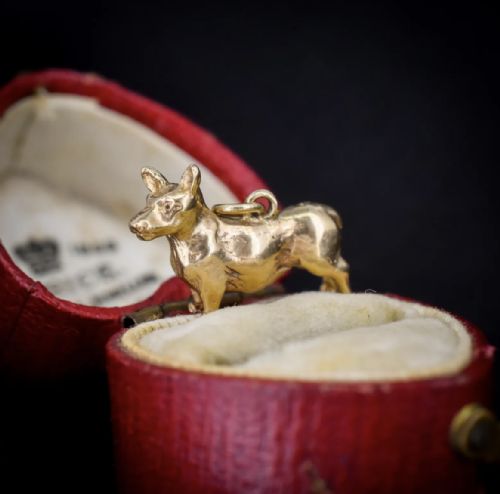
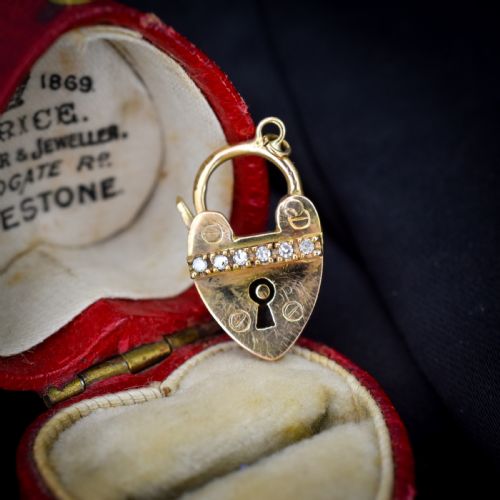


9ct Gold Charm Bracelet
A 9ct gold charm bracelet gathers personal histories link by link, offering a wearable collection of miniature sculptures and keepsakes.
9ct Gold Charm Bracelet
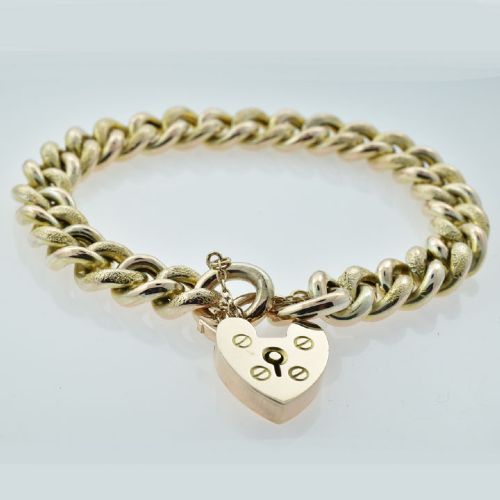
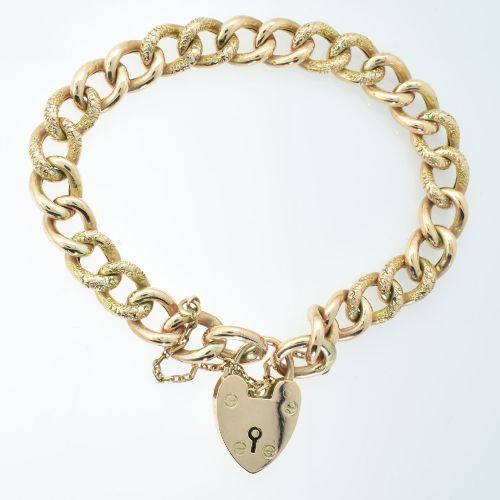
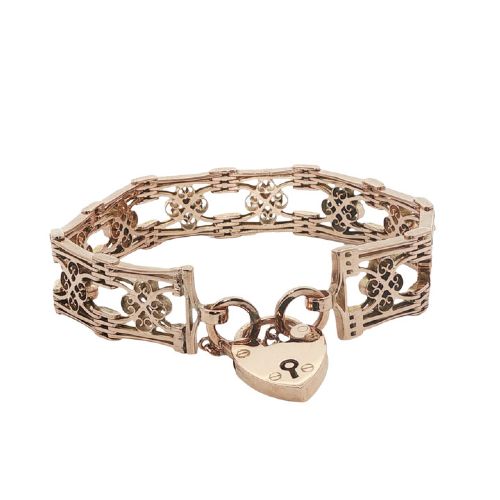
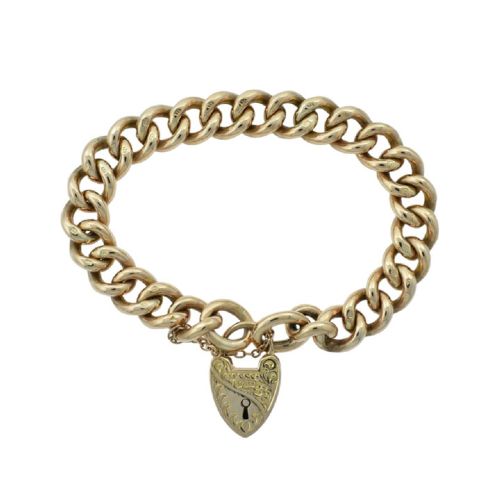
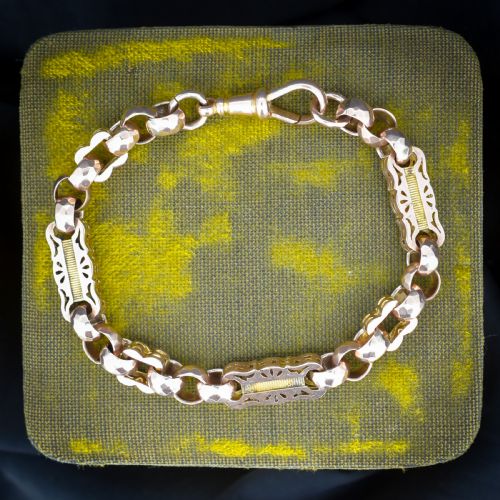
A 9ct gold charm bracelet typically consists of a sturdy curb, gate, or fancy link chain securing an assembly of thematic miniature pendants. These pieces span from the late nineteenth century through the Edwardian era and into mid-century vintage decades, capturing changing tastes in personal adornment.
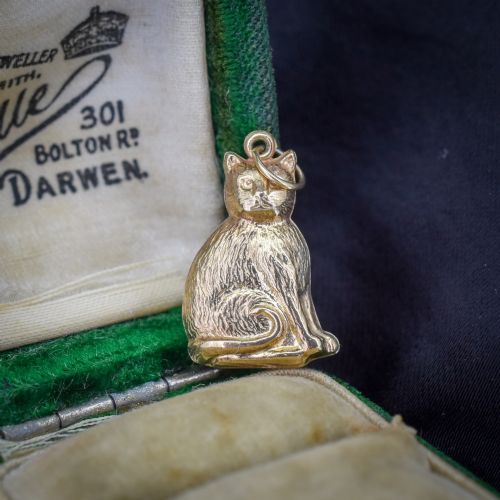
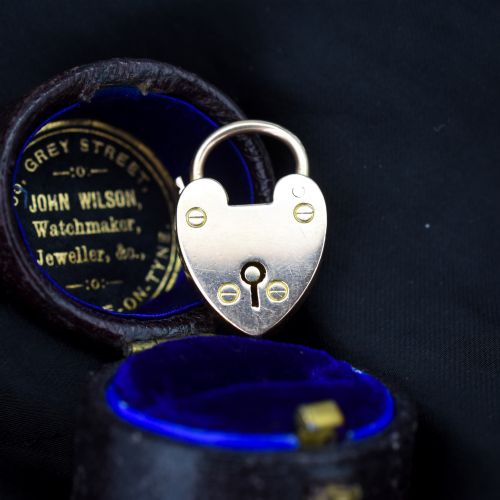
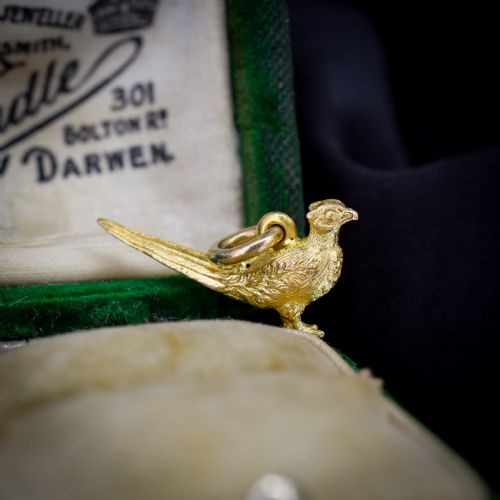
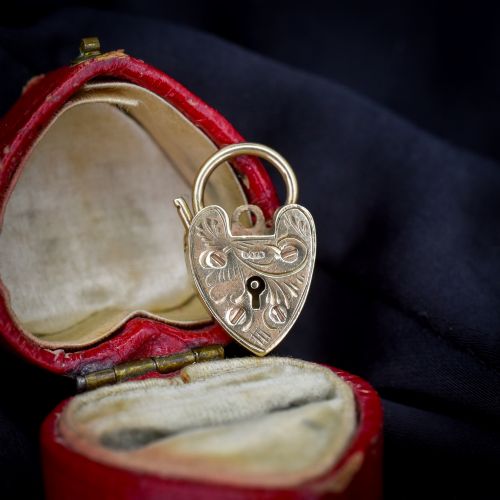
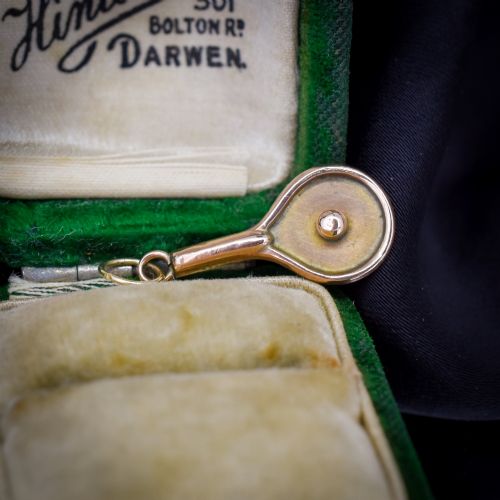
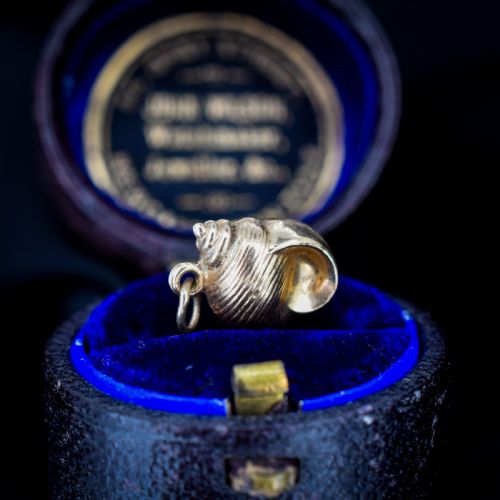
The most frequent configuration combines a substantial rose or yellow gold link chain with a functional heart padlock clasp, often accompanied by individual charms representing animals, sports, or opening mechanical trinkets.
Materials and construction
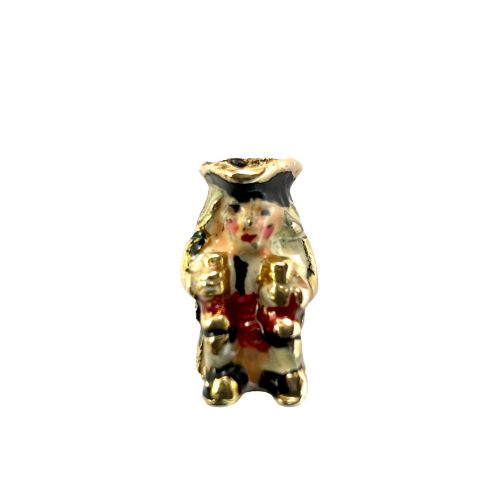
The foundation relies on nine-carat gold fabricated into hollow or solid curb links, double curbs, and intricate gate structures designed to bear the weight of multiple pendants. Craftsmen utilised yellow and rose gold alloys, enhancing certain details with polychrome enamel, seed pearls, diamonds, and gemstones.
Individual charms display precision casting, hand engraving, and articulated mechanical elements such as opening padlocks, purses, and dice.
9ct Gold Charm Bracelet Retail Price Guide 2026
Typical asking prices for 9ct gold charm bracelet among the pieces listed under this phrase on Sellingantiques today, from the lower quarter to the upper quarter. They describe what is for sale here now, not the wider market.
Listings feature nine-carat yellow and rose gold alloys across Victorian, Edwardian, and mid-century vintage periods.
Distinctions in manufacture
Superior examples demonstrate crisp hand engraving, intact polychrome enamel without chipping, and secure jump rings that are soldered rather than simply pinched closed. The overall integrity depends on minimal wear at the link pivot points and the robust spring action of the accompanying padlock or dog clip.
The 9ct Gold Charm Bracelet Glossary
- Curb link
- A type of chain comprising flattened, uniform links that lie flat against the wrist. This design forms the standard heavy foundation for most traditional charm bracelets.
- Heart padlock
- A heart-shaped clasp used to secure the bracelet ends, often functioning with a tiny push-button mechanism or a spring lever. These padlocks frequently match the metal colour of the primary chain.
- Gate bracelet
- A style featuring rigid parallel bars connected by central links, resembling a traditional paddock gate. This construction provides a wide, flat profile favoured in Edwardian and Victorian jewellery.
- Jump ring
- The small metal ring connecting an individual charm to the link of the bracelet. Secure attachment typically requires these rings to be soldered shut.
- Fob seal
- A small hardstone or metal stamp historically used for sealing wax correspondence. These occasionally appear suspended as charms on older Victorian bracelets.
9ct Gold Charm Bracelet: Frequently Asked Questions
How do I secure the heart padlock?
Most heart padlocks operate with a hidden internal spring mechanism accessed by pressing a small protruding nib or pulling the hinged loop. Opening them requires gentle manipulation to avoid straining the delicate hinge.
Once fastened, the padlock acts as both a decorative centrepiece and the primary security clasp for the entire chain.
Can I add new charms to the bracelet?
Adding new pendants is straightforward when using open or securely soldered jump rings attached directly to the existing links. Collectors often curate their bracelets over time to reflect personal milestones or specific themes.
Ensuring that each added piece matches the nine-carat gold standard maintains the cohesive appearance of the assembly.
How do I date a gold charm bracelet?
Dating relies heavily on British hallmark stamps indicating the assay office, metal purity, and specific year letters. Additional clues come from the style of the chain links, such as Victorian gate designs or mid-century hollow castings.
Individual charms may carry their own distinct hallmarks that differ from the main bracelet chain, reflecting years of accumulation.
Are these bracelets suitable for daily wear?
Solid link constructions handle everyday use well, provided the jump rings holding the charms are regularly checked for wear. Hollow links or delicate enamel work require greater care to prevent denting or surface scratching.
Removing the bracelet during strenuous physical activities preserves the structural integrity of the moving parts and miniature mechanisms.