
20th Century Table
A 20th century table spans versatile writing desks, robust dining furniture and compact side pieces shaped by enduring revivalist and Edwardian designs.
20th Century Table
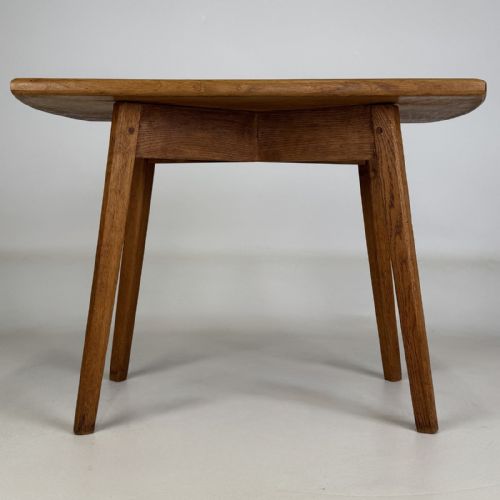
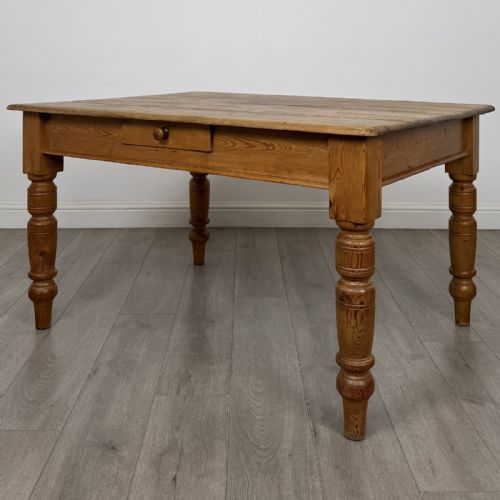
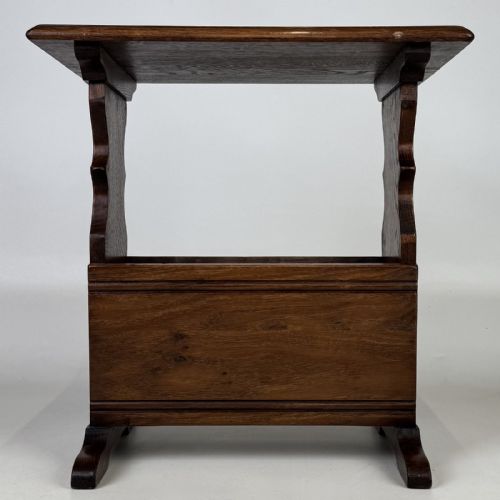
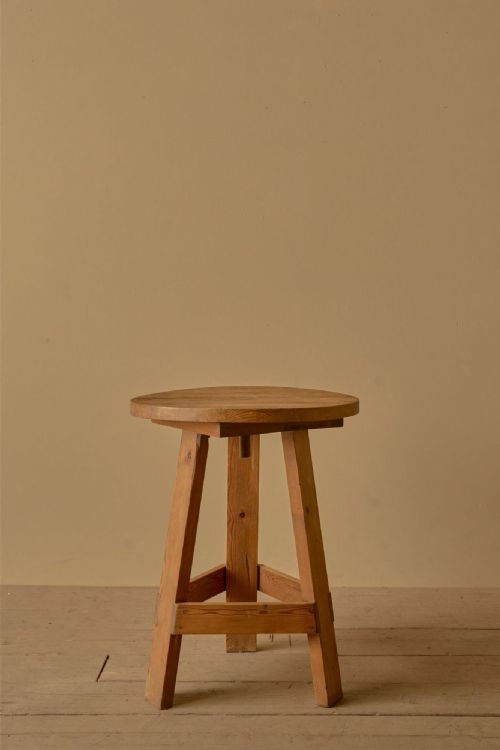
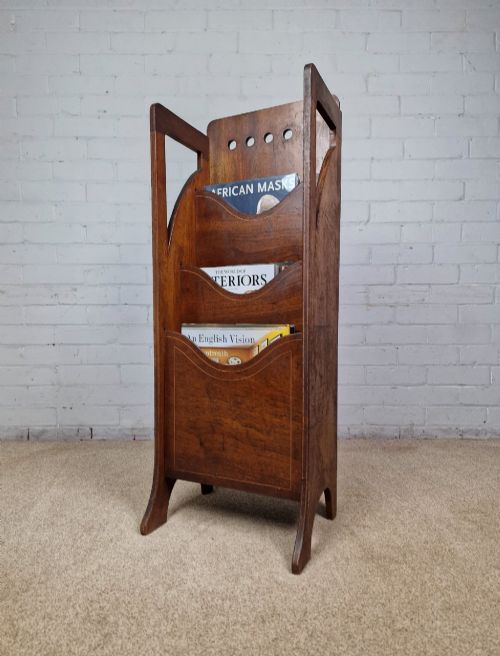
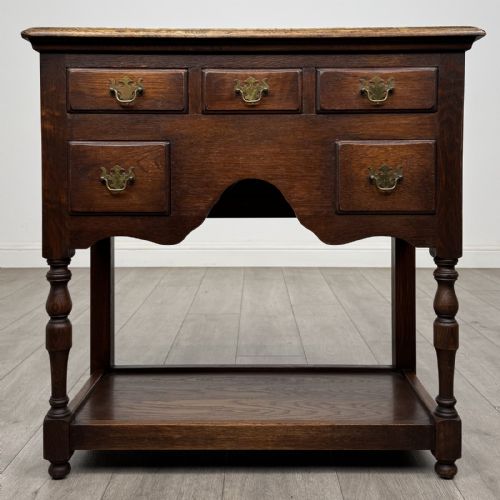
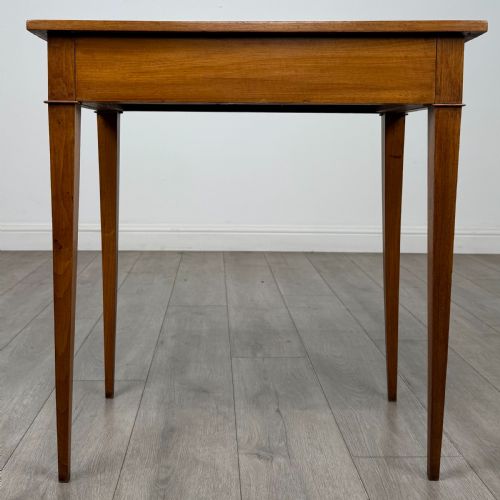
When searching for a 20th century table, buyers encounter a diverse selection of domestic forms ranging from grand oak dining tables to small occasional side tables and compact bedside cabinets. The most prevalent versions on this page are Edwardian oak side tables and mahogany writing desks reflecting traditional domestic utility.
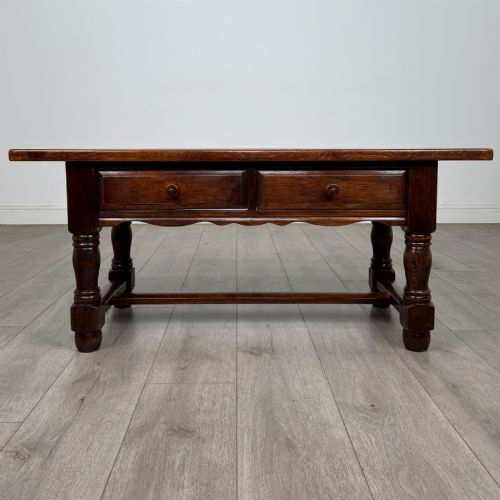
Beyond everyday dining and writing pieces, the inventory encompasses specialist forms such as coffee tables, folding campaign tables, and low console tables with marble tops. These variations reflect the shifting domestic requirements of homes through the Edwardian era and into the interwar decades.
Many items draw heavily on earlier historical aesthetics, resulting in Jacobean Revival, Regency Revival, and Chippendale Revival pieces executed during the 20th century. This blending of period proportion with later manufacturing creates practical items suitable for contemporary interiors.
Materials and construction methods
Cabinet makers relied predominantly on native and imported timbers, utilising solid oak and mahogany for structural integrity while employing burr walnut and satinwood veneers for decorative surfaces. Brass fittings, gilt accents, and marble tops frequently complete the construction of finer console and coffee tables.
Joinery methods combined traditional framing techniques, such as draw leaf mechanisms for dining tables and folding campaign frames for portable use, with detailed hand carving and marquetry inlay. Surface finishes range from polished French polish on mahogany writing tables to waxed patinations on heavy oak refectory furniture.
Jacobean Revival, Regency Revival, and Arts & Crafts styles represent the primary historical influences seen across the inventory.
Distinguishing quality across the range
The distinction between standard commercial pieces and finer examples lies in the selection of timber grain, the precision of marquetry inlay, and the crispness of hand-carved detailing on oak friezes and legs. Superior items display well-figured burr walnut or select mahogany rather than plain commercial timber.
Structural execution also dictates value, where pieces possessing secondary drawer linings in solid mahogany, tight dovetail joints, and original brass hardware demonstrate superior workshop origin compared to mass-produced alternatives.
The 20th Century Table Glossary
- Draw leaf
- A dining table mechanism featuring pull-out leaves stored beneath the main top, allowing the surface area to expand easily. This practical arrangement remains common in oak dining furniture.
- Refectory table
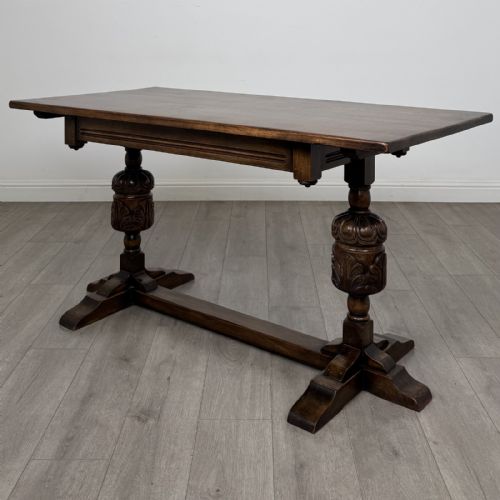
- A long, narrow dining table traditionally supported by heavy trestles or sturdy legs connected by stretchers. 20th century revivals utilise solid oak for this robust architectural form.
- Marquetry
- The art of applying thin decorative veneers in wood, metal, or shell to form geometric or pictorial patterns on tabletops and cabinet fronts. It appears frequently on French provincial styles.
- Campaign style
- Portable furniture designed to be easily folded and transported by military officers during the 19th and early 20th centuries. Beech folding tables represent this functional category.
- Drum table
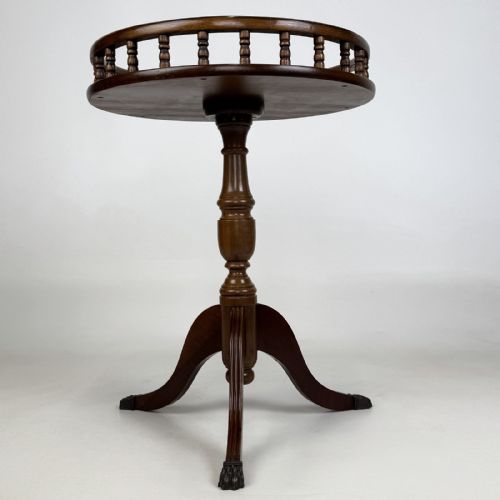
- A circular library or occasional table with a deep frieze fitted with drawers, supported by a central pillar and tripod base. Regency style examples often feature leather inset tops.
20th Century Table: Frequently Asked Questions
How do I date a 20th century table?
Dating relies on identifying characteristic stylistic revival periods, construction methods, and timber selections recorded during manufacture. Edwardian pieces often display specific Edwardian proportions and oak or mahogany framing.
Later interwar pieces introduce distinct art deco influences or lighter satinwood veneers. Comparing these details against known historical timelines establishes the approximate decade of production.
Are these tables suitable for daily use?
Most pieces were built for practical domestic environments, utilising durable hardwoods like oak and mahogany to withstand everyday demands. Dining tables, writing desks, and side tables easily integrate into modern routines.
Careful placement away from direct heat sources helps preserve the timber and polished surfaces. Regular maintenance ensures these functional antiques remain robust for daily life.
What is a draw leaf dining table?
A draw leaf table incorporates hidden leaves tucked beneath the primary surface that pull out to extend the length of the table. This design provides flexible seating capacity without requiring separate storage leaves.
Popularised in oak dining furniture, the mechanism balances daily compactness with hosting capability. It represents a practical solution for adaptable dining spaces.
How do I identify Jacobean Revival furniture?
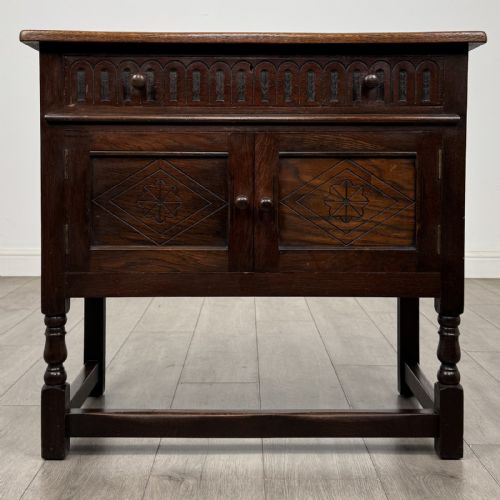
Jacobean Revival pieces emulate 17th century English design through heavy turned legs, geometric carved panels, and dark waxed oak surfaces. These items were widely produced during the early decades of the century.
Examining the underside and internal joinery confirms whether the piece is an early 20th century revival rather than an original 17th century antique. The timber patination and tool marks provide clear indicators of period manufacture.