
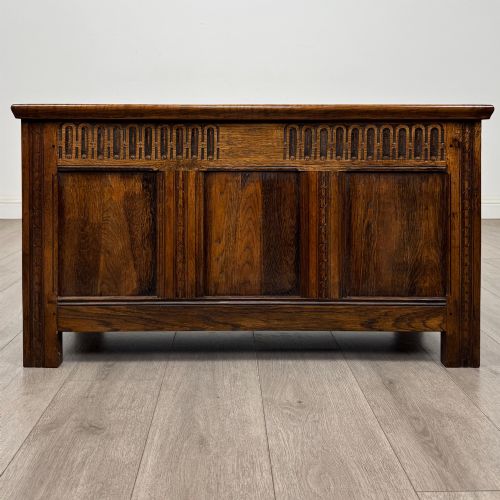
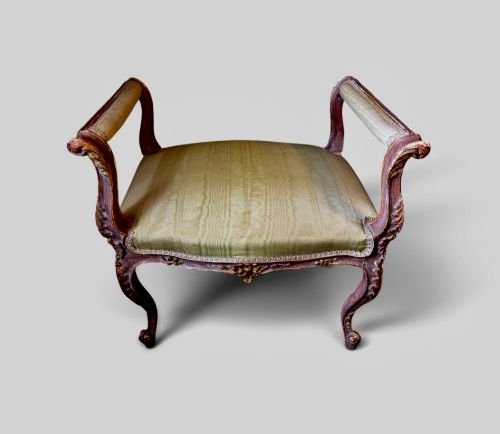
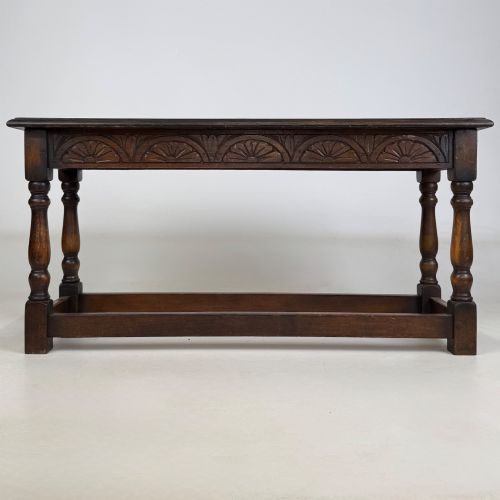
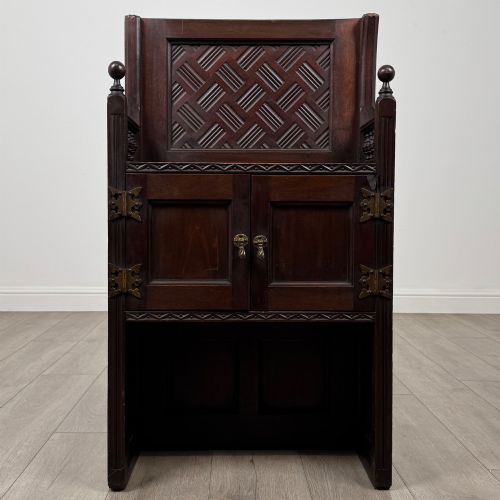



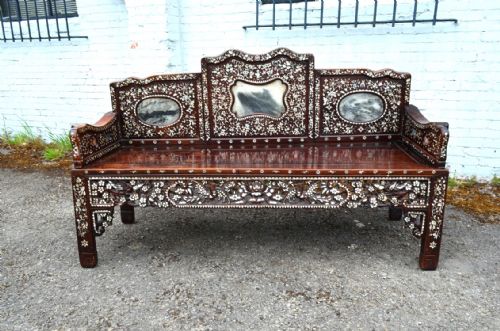


20th Century Bench
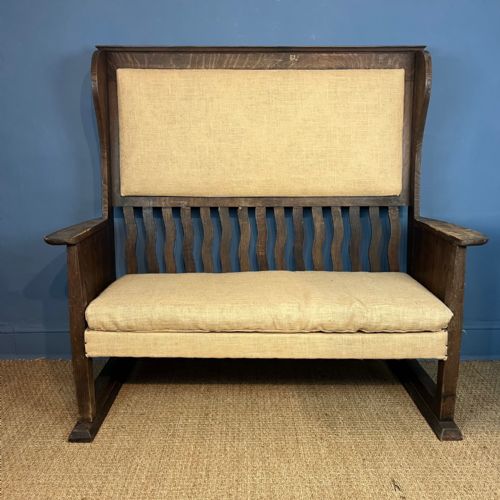
When searching for a 20th century bench, one encounters an array of seating ranging from rustic country examples to formal oak settles built for domestic halls.
20th Century Bench
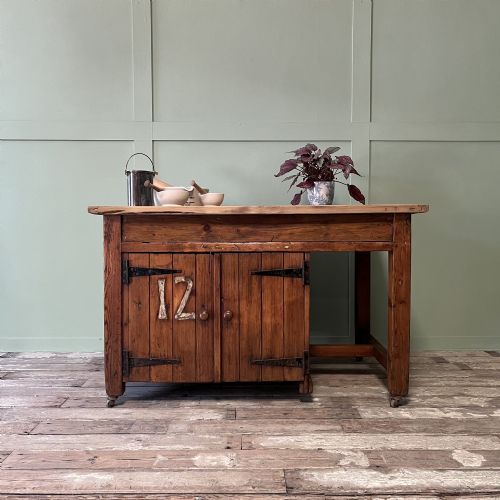
A 20th century bench spans functional domestic seating, garden furniture, and utilitarian forms originating from railway stations, farmhouses, and workshops. The pieces encountered on this page stretch from Edwardian oak hall seats and monk's benches to French provincial trestle designs and industrial workbenches.
Domestic hall seats and window benches frequently utilise oak or mahogany, often featuring carved panels or hinged storage compartments. Garden variants rely on cast iron, teak, and painted pine to withstand outdoor environments while retaining period styling.
Materials and construction methods
Makers predominantly relied on solid timbers such as oak, pine, elm, and mahogany, frequently joining panels with traditional mortise and tenon construction. Surfaces display carved ornamentation, original paint layers, giltwood, or polished wood grains.
Upholstered versions incorporate leather, fabric, and brass detailing, particularly in club fenders and window seats. Garden examples utilise cast iron frames alongside wooden slats to ensure structural durability.
Listings feature oak, pine, mahogany, walnut, and teak, spanning domestic, industrial, and garden contexts.
Distinctions in construction and material standard
Quality separates pieces through the selection of timber and the execution of carved detailing. Superior examples exhibit dense, well-figured oak or mahogany, whereas utilitarian items utilise simpler pine or mixed hardwoods.
The integrity of original surfaces and joinery dictates the standard of a piece. Retained original paint, undisturbed patination, and robust structural framing distinguish finer examples from heavily restored or lesser utilitarian items.
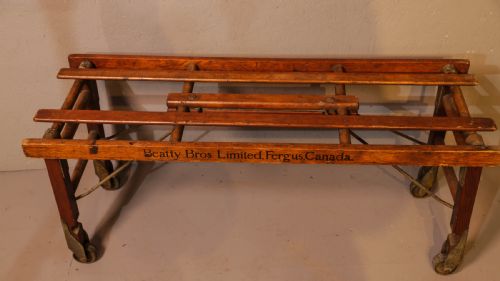
Beatty Bros Fergus Canada·Coalbrookdale·Bayliss Jones Wolverhampton
The 20th Century Bench Glossary
- Monk's bench
- A multipurpose seat featuring a pivoting back that converts into a table top, frequently constructed in oak during the Edwardian period.
- Club fender
- A low, padded seating frame traditionally placed around a fireplace, typically combining brass or steel with leather upholstery.
- Settle
- A high-backed wooden bench with solid arms and a storage box beneath the seat, designed to block draughts in traditional hallways.
- Window seat
- A long, narrow bench engineered to fit within a window recess, often upholstered in fabric or leather and supported by carved woodwork.
- Joint stool
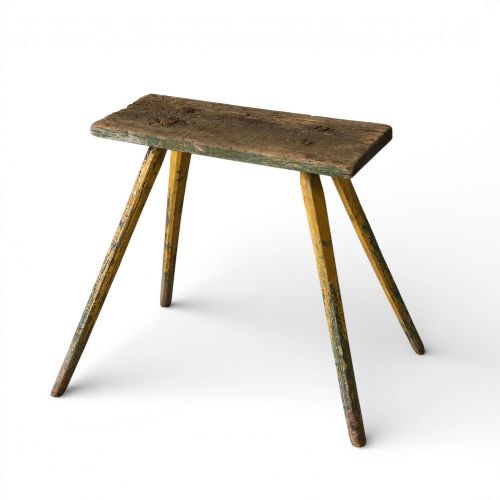
- A sturdy wooden stool constructed with mortise and tenon joinery, sharing construction methods with early dining tables.
20th Century Bench: Frequently Asked Questions
What is a monk's bench used for?
A monk's bench functions primarily as a dual-purpose item of furniture, serving as a seat with a high back when upright. The back pivots downward to rest on the armrests, transforming the piece into a small table.
Historically placed in hallways or living spaces, these oak pieces provided hidden storage beneath the hinged seat while offering a compact surface for everyday tasks.
How do I identify an Edwardian hall seat?
Edwardian hall seats typically feature solid oak or mahogany construction, frequently incorporating carved panels, linenfold detailing, or integrated umbrella stands. They often include a hinged lid revealing a storage box for household items.
These pieces were designed for entranceways to receive coats and hats, reflecting the formal domestic organisation of the early twentieth century.
How do railway station benches differ from garden benches?
Railway station benches were built for high-traffic public environments using robust painted pine or heavy timber slats designed to endure continuous public use. They often bear station names or institutional markings from their original locations.
Garden benches focus on weather resistance, utilising teak, cast iron, or treated timber to withstand outdoor elements while maintaining decorative motifs such as scrolling foliage.