



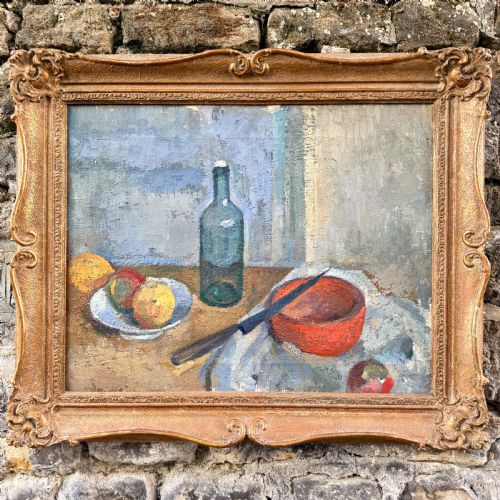
20th Century Artwork Framed
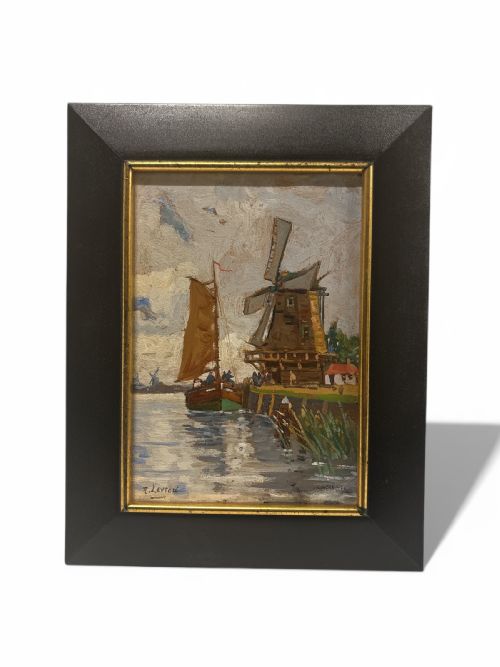
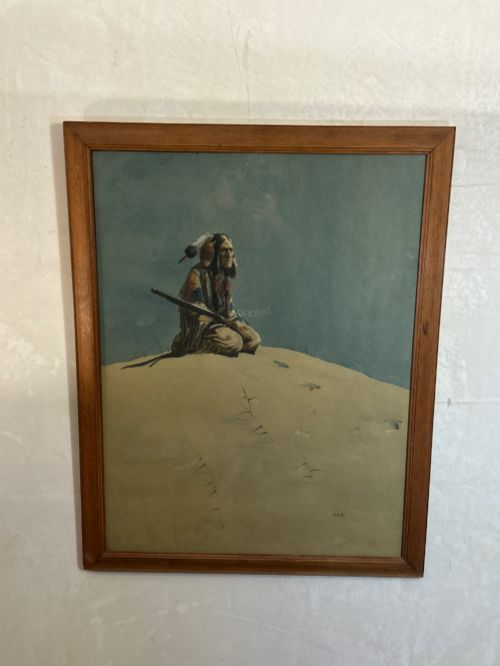
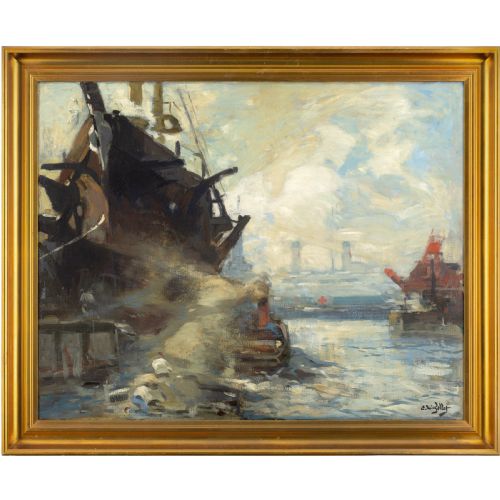
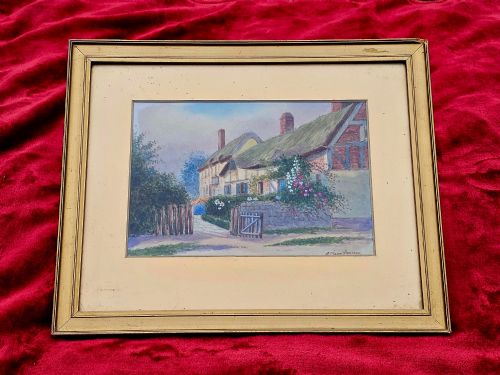
20th century artwork framed brings together paintings, watercolours and drawings spanning Edwardian beginnings through to mid-century modernism.
20th Century Artwork Framed
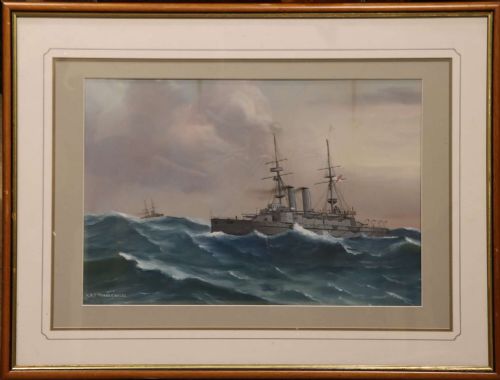
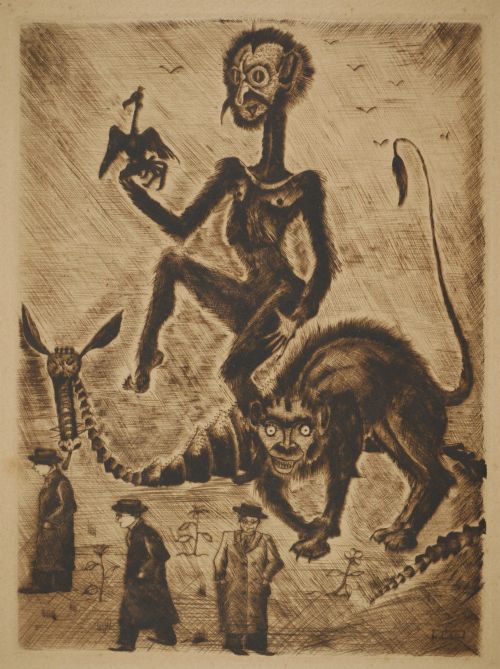
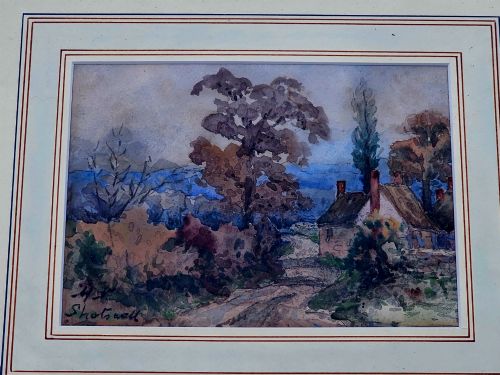
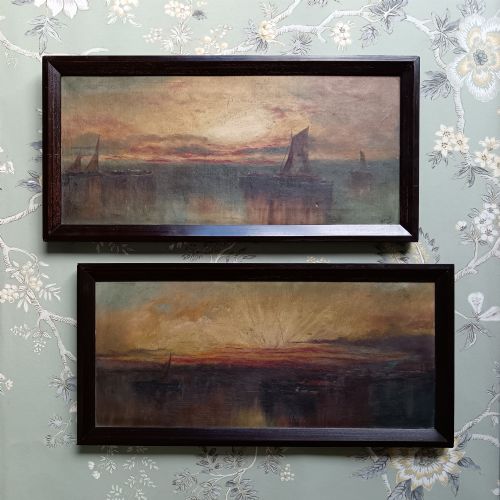
A search for 20th century artwork framed leads directly to a diverse collection of paintings, watercolours, etchings, and drawings secured behind glass or within traditional timber surrounds. These pieces capture shifting artistic movements from early Edwardian pastoral scenes to mid-century coastal landscapes and portraits.
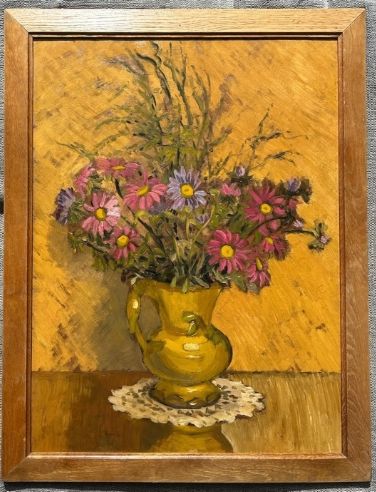
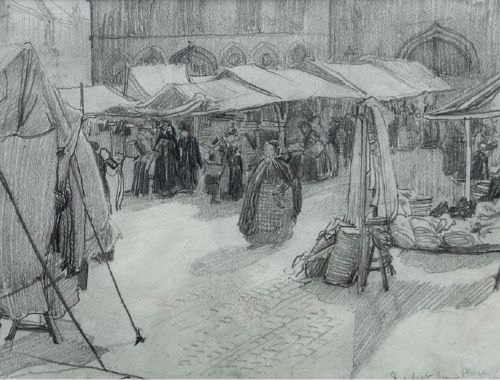
The selections encountered most frequently on this page originate from British and European hands, spanning decades of impressionist, modernist, and post-impressionist experimentation. Works range from intimate pencil sketches and botanical still lifes to expansive maritime oils and topographical watercolours.
Each piece bears the distinct physical markers of its decade, whether executed on canvas, paper, board, or textile. Buyers find both signed exhibition pieces by recognised practitioners and accomplished works by regional painters active across the century.
Materials and construction
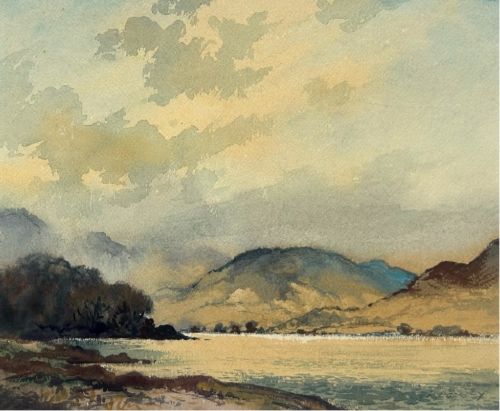
Paintings in this selection utilise oil on canvas or board, watercolour on paper, and ink or pencil drawing, often paired with period glazing and wooden frames. Artists applied pigment using traditional brushes and drypoint needles, working on supports ranging from heavy watercolour paper to woven canvas and prepared panels.
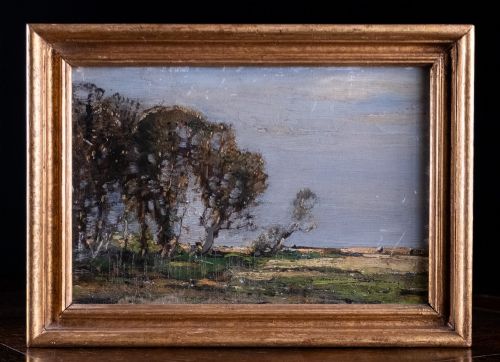
Framing methods vary from swept gilt mouldings and simple wooden box frames to glazed surrounds designed to protect delicate paper works from atmospheric moisture and handling. Backings typically consist of old wooden boards or cardboard secured with original framing pins and historic tapes.
Materials recorded on this page include traditional canvas, heavy paper, wooden board, glass, and woven textile panels.
Assessing quality and execution
Quality rests upon the sureness of the hand, the handling of light and pigment, and the preservation of the primary support. Superior examples demonstrate confident brushwork, balanced composition, and strong tonal control, whether capturing coastal motion or floral stillness.
The integrity of the original framing, the clarity of signatures, and the stability of the paper or canvas further distinguish finer works from standard decorative pieces. Depth of colour in watercolours and the absence of heavy retouching mark the upper tier of surviving works.
Kurt Lorein Victor Peiser·Kenneth Cozens·Henry Percy Huggill·William H Myers·Percy Lancaster·John Hassall·Eugène-Louis Gillot·Robert Leslie Howey·Kershaw Schofield·Charles Edward Dixon·George Houston·John E. Aitken·Eric Tufnell·Robert Morson Hughes·Kurt Meyer-Eberhardt·Frank Watson Wood·Arthur Gué·Muriel Metcalfe·Fred Lawson·Augustus John·Clive Browne·Peter Brannan·James Stroudley
The 20th Century Artwork Framed Glossary
- Drypoint
- A printmaking process where an image is scratched directly onto a metal plate with a sharp needle. This technique creates a characteristic velvety burr along the lines when printed.
- Gouache
- An opaque water-based paint that combines traditional watercolour with a white pigment filler. It dries to a flat, matte finish.
- Impressionism
- An artistic style characterised by relatively small, thin yet visible brush strokes and an emphasis on accurate depiction of light. The movement prioritizes open compositions and ordinary subject matter.
- Post-Impressionism
- A predominantly French art movement that developed from about 1880 to 1910. It extended impressionism while rejecting its limitations, favoring more symbolic content and geometric forms.
- Board
- A rigid flat support used by artists in place of stretched canvas. Common materials include wooden panels, millboard, and heavy cardboard.
20th Century Artwork Framed: Frequently Asked Questions
How do I care for framed watercolours?
Watercolours and works on paper require protection from direct sunlight to prevent fading of pigments and yellowing of the paper support. Keep them in rooms with stable humidity levels to avoid warping or mould growth.
Ensure the glazing does not press directly against the painted surface, allowing a small air gap behind the mount. Professional framing with acid-free backing materials preserves the longevity of delicate works.
Are these frames original to the art?
Many works retain their period frames, which often show minor age-related wear, gilt rubbing, or historic chips that confirm their authenticity. Replacement frames do appear where earlier surrounds were damaged beyond repair or replaced by past owners.
Examine the back of the frame for old fixings, dust paper remnants, and dealer labels to help determine whether the surround has accompanied the artwork for decades.
How do I identify the date of a painting?
Dates can often be established through artist signatures, exhibition labels on the reverse, and stylistic clues inherent to the period. Written inscriptions on the backboards or framing papers frequently record locations, dates, and titles.
Materials such as old board types, canvas stamps, and framing construction methods also provide reliable indicators of a piece's age and manufacturing era.
Where should I hang these artworks?
Select interior walls away from direct heat sources such as radiators, fireplaces, and strong natural light to protect both the artwork and its frame. Stable environmental conditions prevent wood shrinkage and canvas tension issues.
Consider eye-level placement in rooms with complementary architectural styles, allowing period pieces to harmonize with surrounding furnishings and interior decor.