




19th Century Fire Poker
A 19th century fire poker is a functional hearth implement forged or cast to manage solid fuel fires with leverage and weight.
19th Century Fire Poker
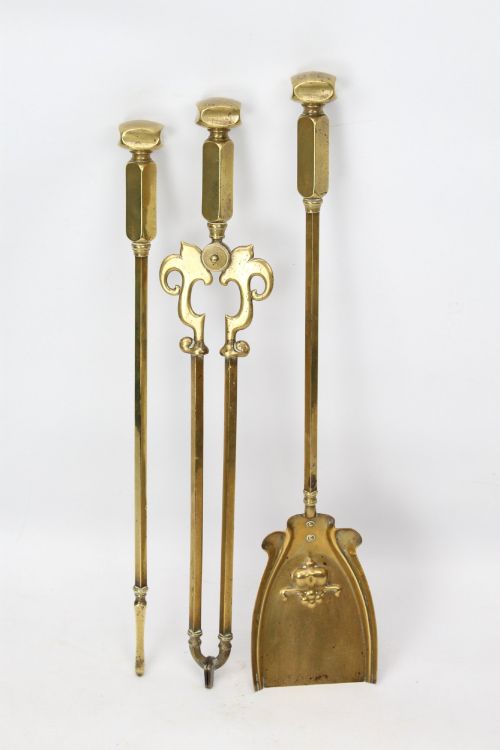
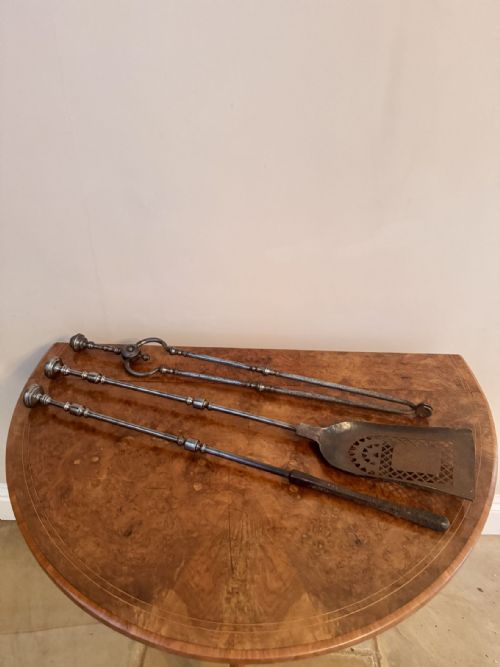
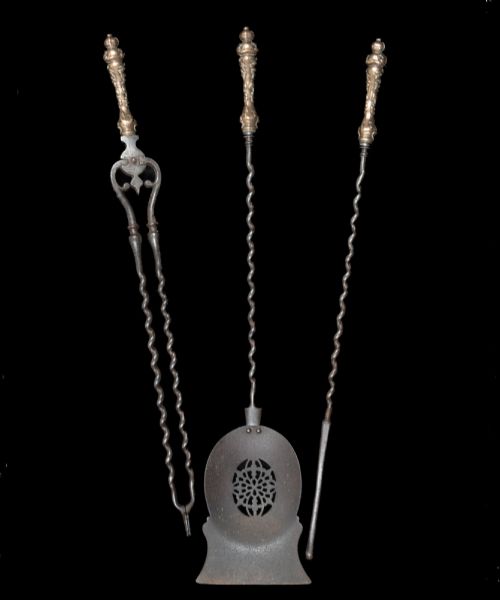
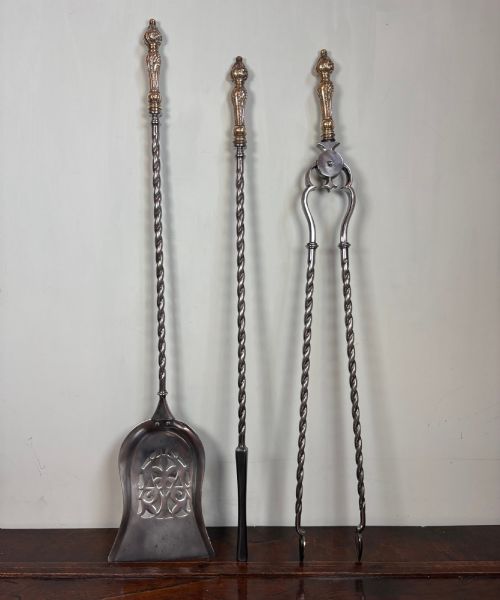
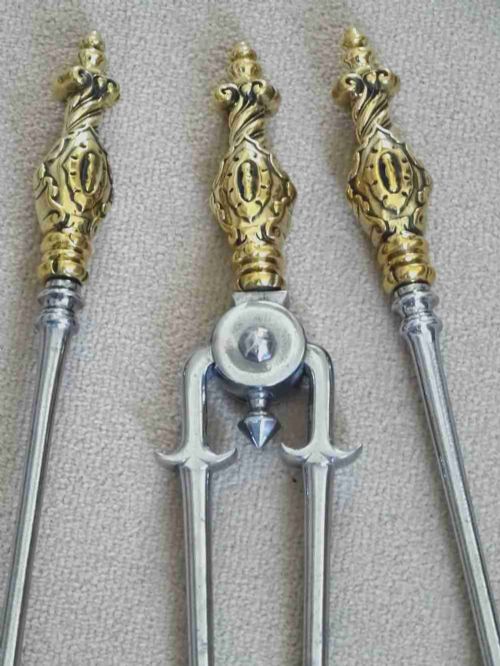
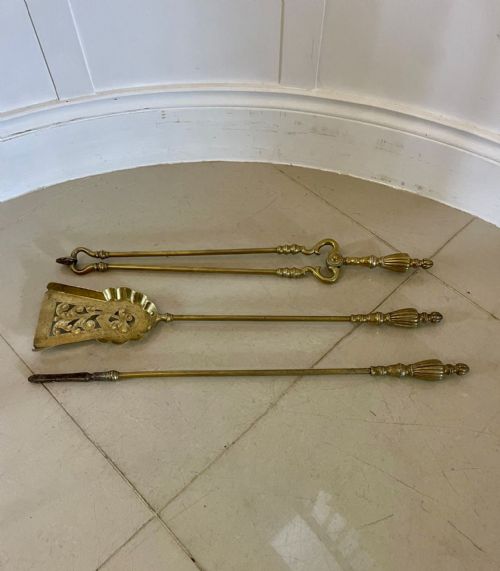
A 19th century fire poker forms part of a fireplace accessories group or fire tool set alongside tongs and shovels. These implements emerge from periods including the Regency, Georgian, and Victorian eras, often appearing together as matched sets.
The versions most commonly met on this page are constructed from steel or brass, sometimes featuring wooden handles made of rosewood. They serve both practical hearth duties and decorative roles within period domestic interiors.
Design influences range from plain utilitarian forms to decorative Arts & Crafts styles and polished Regency assemblies. Collectors encounter individual pokers as well as complete sets comprising three matching pieces.
How they were made
Makers utilised metals such as iron, steel, and brass, often employing polished steel or burnished steel for reflective hearth finishes. Rosewood and other woods appear as turned handles providing grip and thermal insulation.
Techniques combined blacksmithing for structural strength with precision turning and casting for ornamental finials and brass mounts. Surfaces were finished through burnishing or polishing to achieve bright metallic sheens suited to formal drawing rooms.
19th Century Fire Poker Retail Price Guide 2026
Typical asking prices for 19th century fire poker among the pieces listed under this phrase on Sellingantiques today, from the lower quarter to the upper quarter. They describe what is for sale here now, not the wider market.
Listings feature brass, steel, iron, and rosewood across Victorian, Georgian, Regency, and Arts & Crafts periods.
What varies in quality
Quality rests upon the integrity of the metalwork, the weight of the implement, and whether a set remains complete and matched. Heavier gauge steel and solid brass handle substantial hearth use without bending or loosening at the joints.
The refinement of the turning on handles and the crispness of cast brass elements distinguish superior pieces from standard utilitarian examples. Complete sets sharing uniform material and design maintain greater coherence than assembled groupings.
The 19th Century Fire Poker Glossary
- Fire irons
- A matched set of fireplace tools typically consisting of a poker, tongs, and a shovel. These implements were designed to sit in fenders or stands beside the hearth.
- Burnished steel
- Steel that has been mechanically polished to a high, reflective lustre using abrasive materials. This finish was prized for its bright appearance in nineteenth-century drawing rooms.
- Arts & Crafts
- A design movement advocating traditional craftsmanship and simple forms. Objects from this style often emphasise honest construction over excessive ornament.
- Regency
- An architectural and decorative style spanning the early nineteenth century. Pieces from this period frequently incorporate classical motifs and refined metallic finishes.
- Fire screen
- A freestanding upright panel placed before a fireplace to block radiant heat when the fire burned low. Some examples feature decorative needlework or poker work panels.
19th Century Fire Poker: Frequently Asked Questions
What is a 19th century fire poker made of?
These implements are constructed primarily from steel, iron, or brass. Many examples incorporate turned wooden handles made from rosewood.
Metal components were often polished or burnished to create a bright finish. The choice of material usually reflects the prevailing style of the period in which the piece was made.
How do I identify a Victorian fire poker?
Victorian examples often display heavier cast brass elements or robust steel shafts. They frequently appear as part of sets that include tongs and a shovel.
Design details correspond to nineteenth-century revival styles or industrial manufacturing methods. Examining the construction technique helps differentiate them from earlier Georgian items.
Were these pokers used daily?
Hearth tools served active roles in managing coal or wood fires in nineteenth-century homes. Sturdy iron and steel construction provided the necessary strength for moving heavy fuel.
Finer polished brass sets were often kept in formal reception rooms where use was lighter. Wear patterns on the shaft can indicate the level of practical service an implement saw.
Can I use an antique poker on a modern fire?
Solid steel and iron implements remain structurally capable of managing domestic fires. However, historical items often warrant careful handling to preserve their surface finish and integrity.
Owners frequently choose to display them alongside period hearth furniture rather than subjecting them to heavy daily service. Brass pieces especially benefit from gentle maintenance to protect the metal.