

19th Century Doors
19th century doors open onto a solid world of timber and brass, offering robust storage built to last.
19th Century Doors
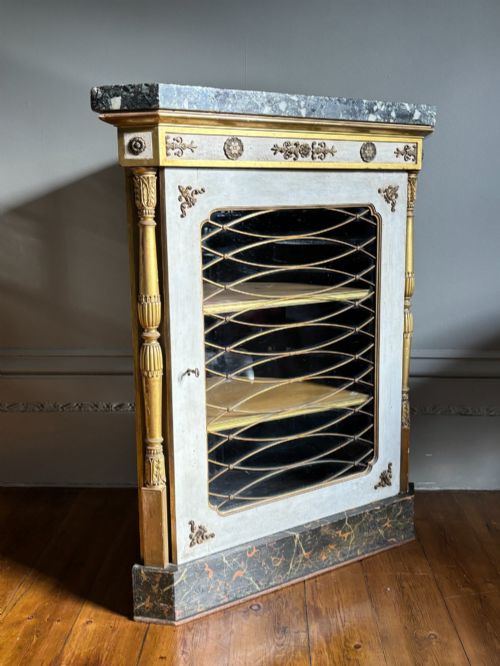
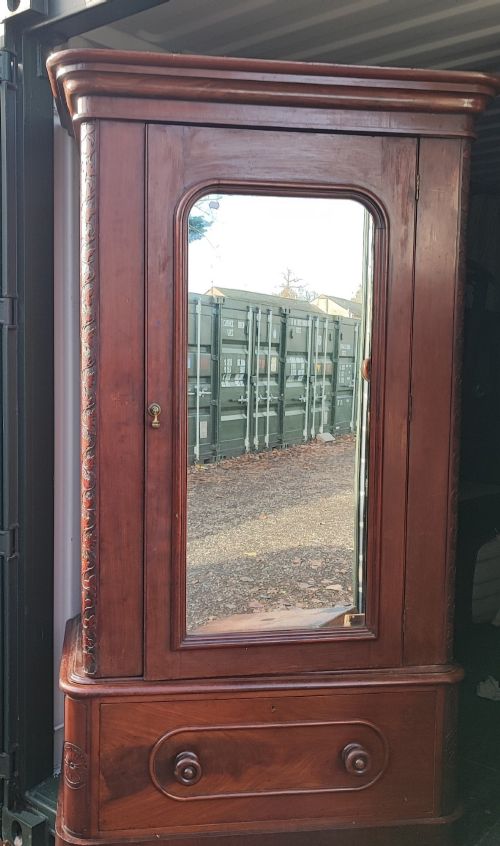
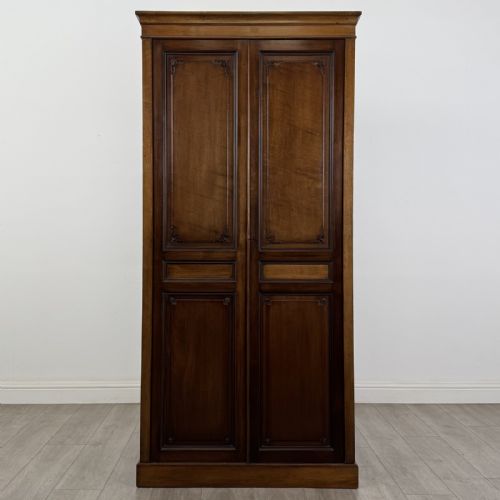
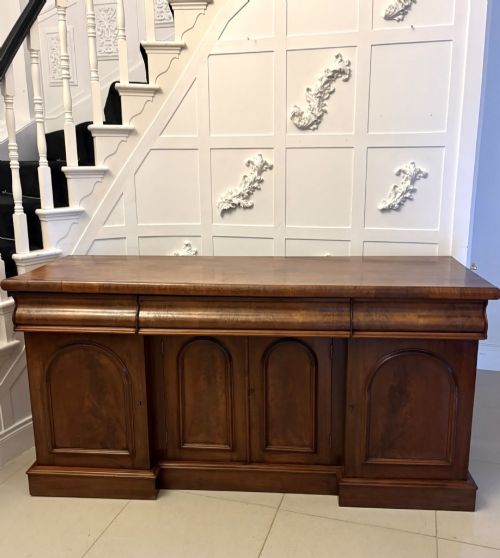
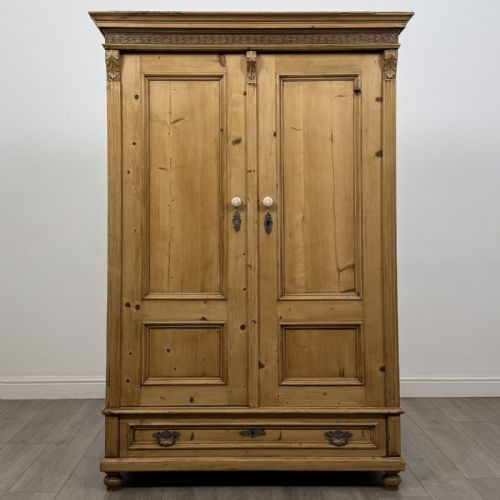
When you search for 19th century doors, you encounter architectural fittings and cabinetry fronts spanning the Victorian and Regency periods. The majority of pieces appearing on this page belong to large case furniture such as wardrobes, bookcases, and sideboards rather than standalone architectural entrances.
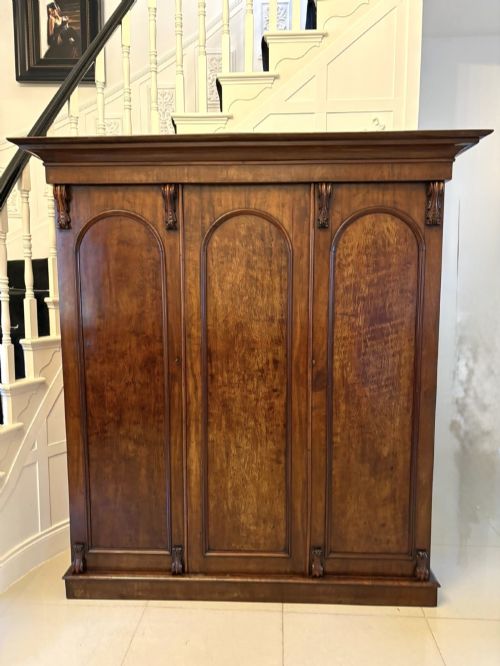
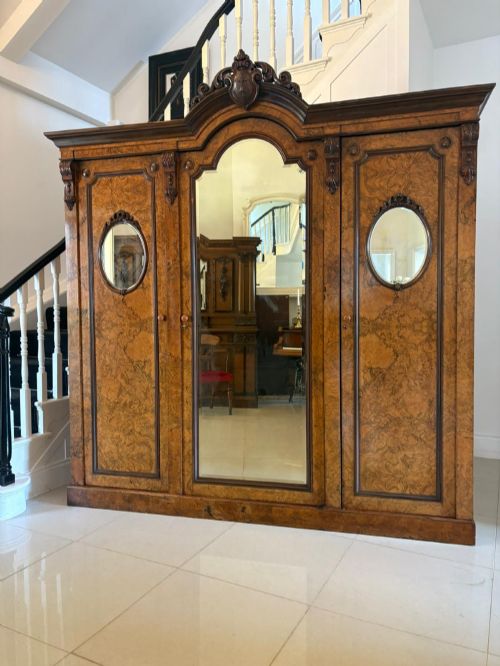
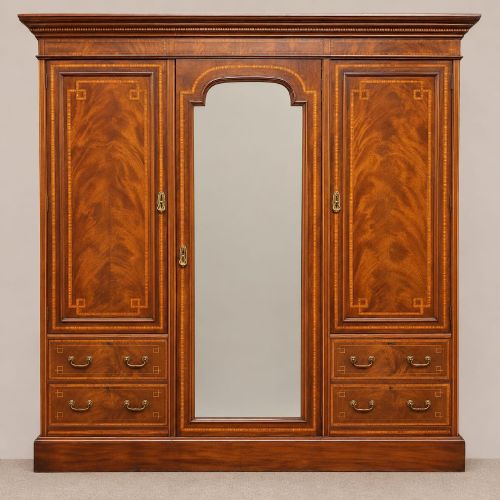
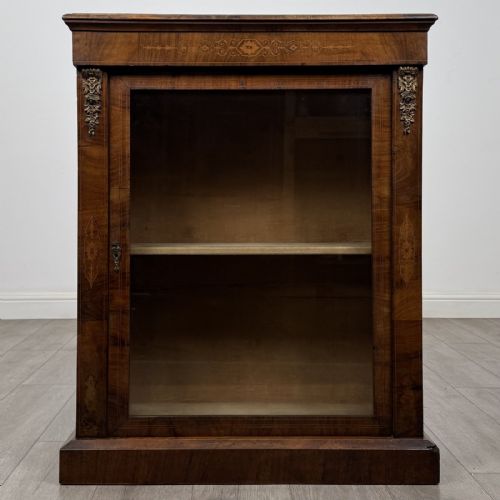
Makers of this era constructed these panels within larger cabinet frameworks, utilising dense timbers like mahogany, walnut, and pollard oak. These doors frequently incorporate glass panels for bookcases or solid figured wood for wardrobes and credenzas.
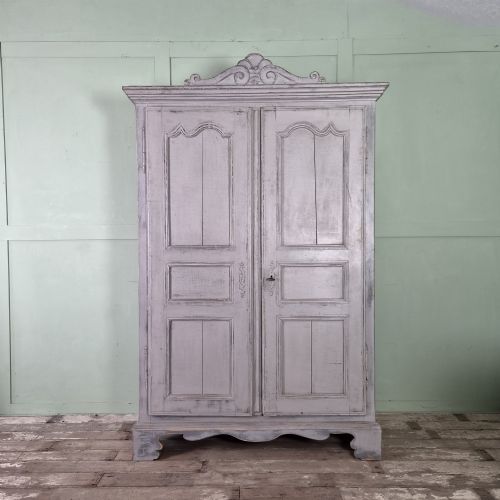
Styles range from Gothic Revival and William IV to French Provincial and Renaissance Revival. Buyers often find single and double door formats, alongside larger breakfront arrangements that define the domestic storage of the nineteenth century.
Materials and construction methods
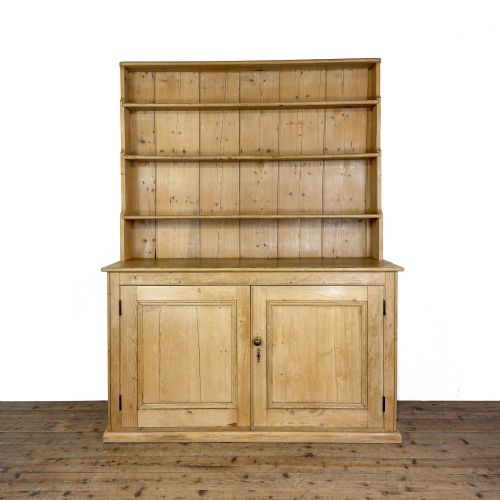
Craftsmen built these timber assemblies using solid mahogany, walnut, and pine, frequently applying decorative veneers such as burr walnut, amboyna, and flame mahogany to visible surfaces. Joinery relied on traditional framing techniques to accommodate natural wood movement over decades of domestic use.
Hardware played an essential structural and decorative role, with heavy brass hinges, mounts, and ormolu details securing and ornamenting the panels. Glass inserts in glazed bookcase doors were held by precise wooden glazing bars, whilst internal fittings remained tailored to specific storage functions.
19th Century Doors Retail Price Guide 2026
Typical asking prices for 19th century doors among the pieces listed under this phrase on Sellingantiques today, from the lower quarter to the upper quarter. They describe what is for sale here now, not the wider market.
The inventory spans the Regency, Victorian, and William IV periods, incorporating Gothic Revival and French Provincial styles.
Distinctions in standard and craftsmanship
The degree of refinement in timber selection separates standard utility pieces from exceptional commissions. Workshops handling figured mahogany, burr walnut, and satinwood achieved superior visual depth through matched grain patterns and meticulous veneer work.
Integration of specialised decorative elements such as hand-carved panels, intricate inlay, and cast ormolu mounts elevates certain examples above plain pine or standard mahogany counterparts. The precision of the original joinery and the survival of matching brass hardware dictate the enduring integrity of the piece.
Gillows of Lancaster
The 19th Century Doors Glossary
- Credenza
- A low cabinet or sideboard, frequently fitted with glass doors and ormolu mounts during the Victorian period. These pieces served grand dining rooms and drawing rooms for display.
- Chiffonier
- A compact sideboard or cabinet featuring a raised shelf or back, popular throughout the Regency and Victorian eras. They typically enclosed shelved storage behind solid panel doors.
- Breakfront
- A large cabinet or bookcase where the central section projects forward from the flanking wings. This architectural arrangement creates depth and visual rhythm across multiple doors.
- Ormolu
- Gilded bronze used for decorative mounts and hardware on high-status nineteenth-century furniture. It accentuates the corners and borders of fine cabinet doors.
- Pollard oak
- Timber taken from trees that were regularly cut back to encourage dense, gnarled branching patterns. Cabinetmakers valued this wood for its rich, mottled grain on statement doors.
19th Century Doors: Frequently Asked Questions
What pieces feature 19th century doors?
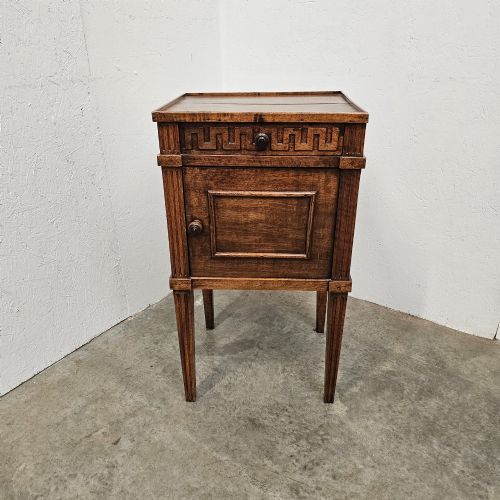
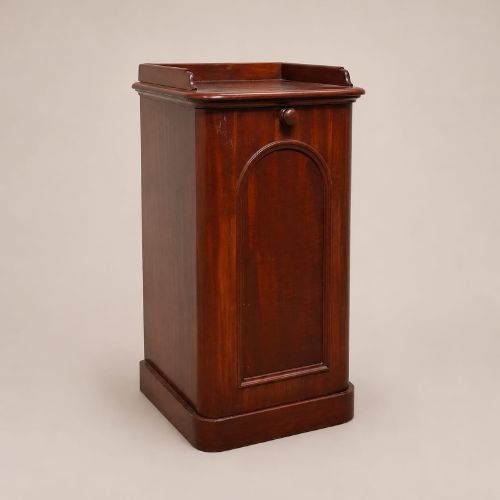
These doors primarily form the fronts of large nineteenth-century case furniture including wardrobes, bookcases, sideboards, and credenzas. They also appear on smaller side cabinets and pier units.
Constructed from timbers like mahogany and walnut, these functional panels range from single wooden boards to large glazed frames designed to display books or china.
How do I identify a Regency door?
Regency pieces often display restrained classical proportions, straight lines, and figured mahogany veneers without heavy Victorian ornamentation. Brass inlay or simple brass stringing frequently outlines the panels.
Cabinetmakers during this period prioritised clean architectural symmetry and natural timber grains over the more exuberant carving seen later in the century.
Where were these cupboards used?
Nineteenth-century cabinets and wardrobes stood in principal rooms such as drawing rooms, libraries, and formal bedrooms. Larger pieces housed clothing, linen, and extensive book collections.
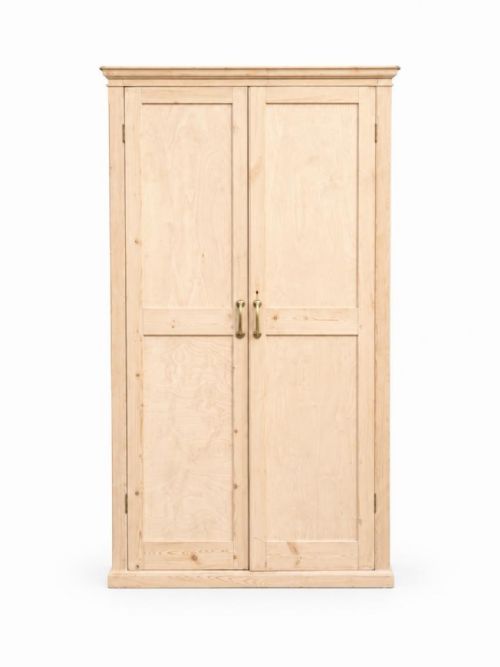
Kitchens and larders also utilised sturdy pine and oak storage units with solid panel doors designed for daily domestic provisions.
How should I care for timber doors?
Maintain stable indoor humidity levels to prevent solid wood panels and delicate veneers from warping or splitting over time. Avoid placing cabinets near direct heat sources or strong sunlight.
Apply traditional beeswax occasionally to nourish the polished mahogany, walnut, or pine surfaces and preserve their natural lustre.