

19th Century Canvas
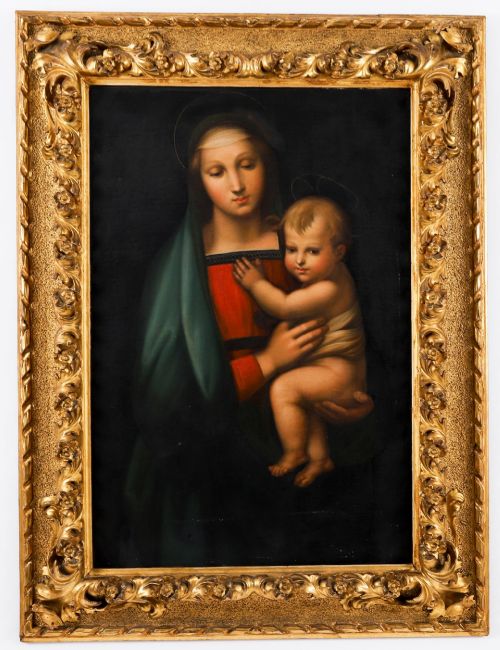
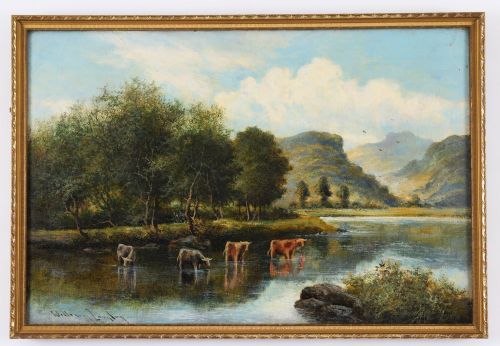
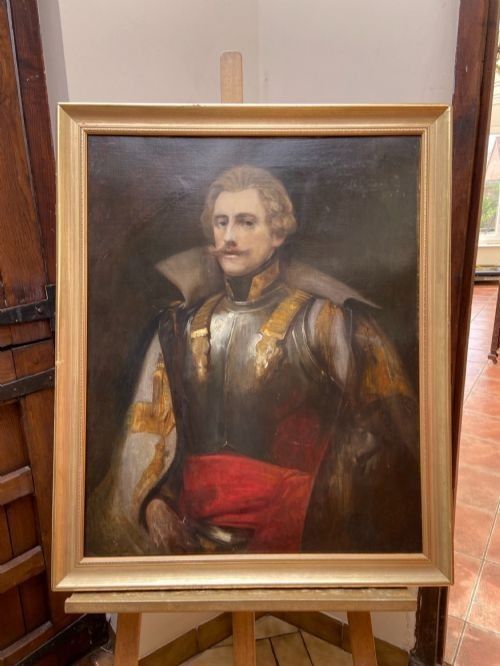
These 19th century canvas pieces offer a direct window into historical portraiture, dramatic landscapes, and detailed still lifes created during a remarkably fertile artistic era.
19th Century Canvas
When searching for 19th century canvas, buyers encounter a diverse array of oil paintings spanning portraits, landscapes, seascapes, and still lifes. These works reflect the aesthetic movements of the Victorian period, the Regency era, and continental European schools.
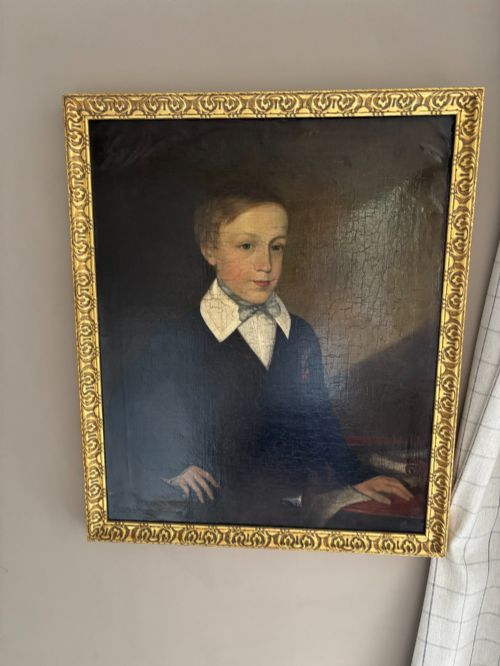
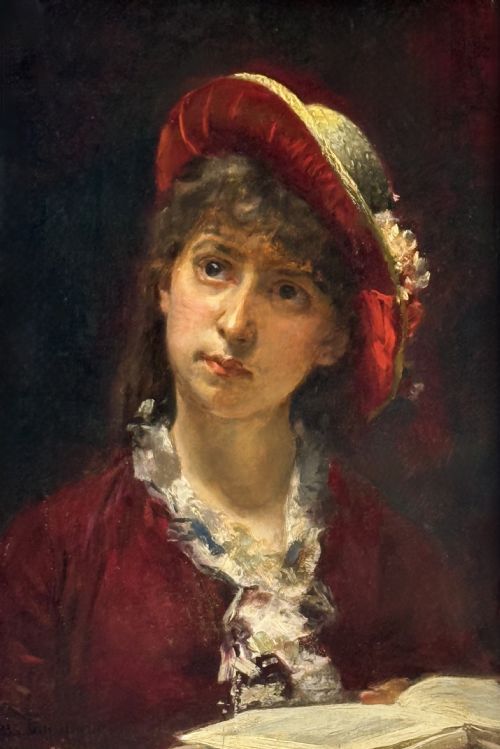
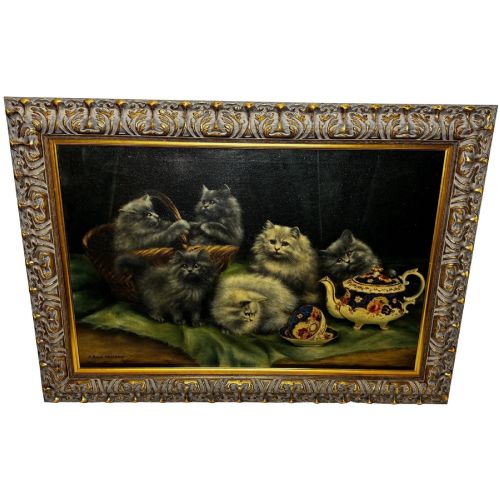
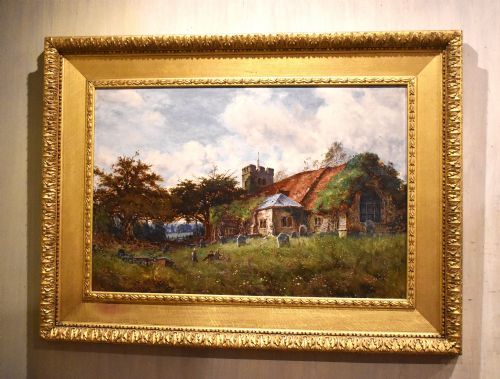
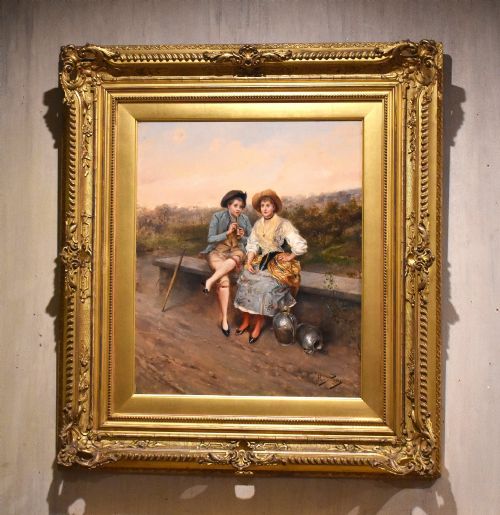
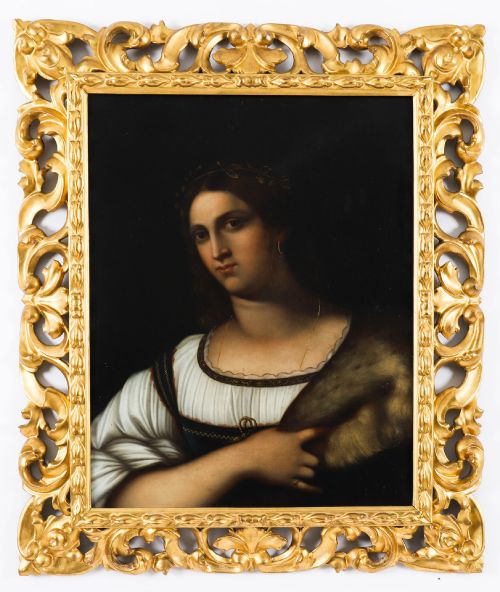
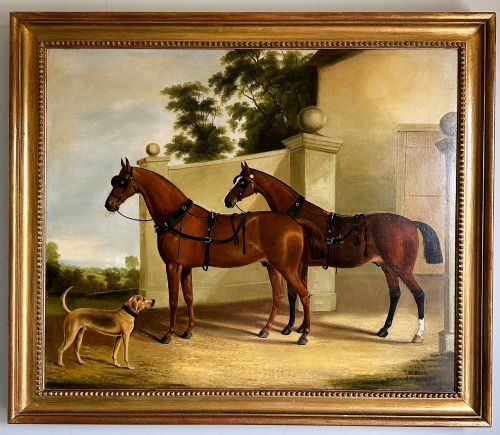
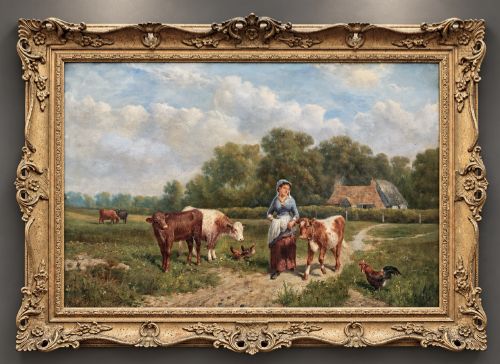
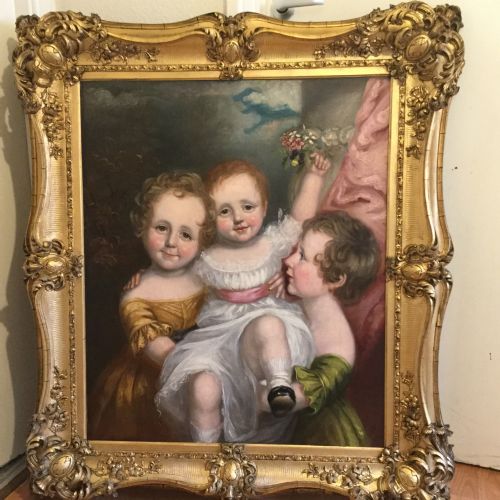
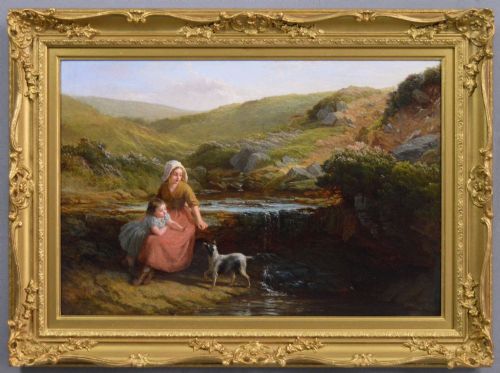
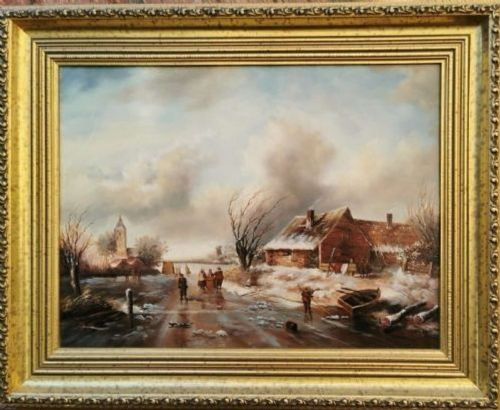
The selections on this page range from intimate naive studies of animals and domestic scenes to monumental historical portraits and sweeping coastal vistas. Most examples originate from British and French studios, capturing the varied domestic and natural interests of the period.
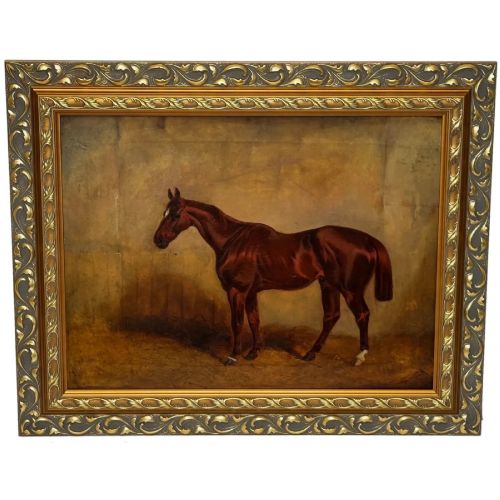
Subjects frequently include equine portraits, pastoral countryside views, maritime disasters, and meticulously arranged flowers or game. Each piece serves as a surviving artefact of nineteenth-century visual culture, rendered on woven fabric supports.
How They Were Made
Artists of this era typically prepared woven fabric grounds with a layer of gesso or priming paint to create a stable surface for oil pigments. These grounds were stretched tightly across wooden frames to maintain tension during the painting process.
Painters applied oil paint using various brushwork techniques, building up rich textures and deep tones characteristic of the period. Completed works were frequently housed in elaborate giltwood frames adorned with gold leaf embellishments.
Listings feature oil paintings on canvas, giltwood frames, and wood supports spanning Victorian and Regency stylistic periods.
What Varies in Quality
The distinction between standard works and master-level execution lies in the precision of anatomical rendering, brushwork control, and composition depth. Skilled artists captured subtle play of light and shadow, whereas lesser works relied on formulaic repetition.
The condition of the woven support and the integrity of the original paint layer heavily influence the standing of any given piece. Well-preserved surfaces retain their vibrant pigments without excessive craquelure or heavy restoration.
Henry Barraud·Theude Grönland·Sir Joseph Noel Paton·William Oliver·Eugène Verboeckhoven·Richard Sebastian Bond·William Beattie-Brown·Felix Stone Moscheles·Valentine T. Garland·John Maler Collier·Frederick Marriott·John Horace Hooper·William McAlpine·Reginald Arthur Borstel·Alfred Fontville de Breanski·Stephen Samuel Lewin·John Rose Miles·Vittorio Reggianini·Thomas W Lascelles
The 19th Century Canvas Glossary
- Canvas
- A heavy woven fabric used as a support surface for oil paintings. It is typically stretched over a wooden frame before application of the ground.
- Giltwood
- Wood that has been coated with a thin layer of gold leaf or gilt. It appears frequently in the ornate frames accompanying nineteenth-century artworks.
- Gesso
- A white paint mixture consisting of a binder mixed with chalk, gypsum, or pigment. Painters applied it to prepare the fabric surface before starting an oil painting.
- Realism
- An artistic movement focused on representing everyday subjects and situations in contemporary settings accurately. It avoids artificiality in favour of unvarnished truth.
19th Century Canvas: Frequently Asked Questions
How do I identify the age of a canvas?
Dating relies on examining the weave of the fabric, the composition of the stretcher frame, and the style of the brushwork. Archival labels and signatures often provide further chronological context.
Physical indicators like oxidised oils and traditional framing methods help confirm the nineteenth-century origin.
Were all these paintings framed originally?
Most finished works received contemporaneous frames of giltwood or wood to protect the edges and enhance the display. Surviving original frames are prized for their matching period craftsmanship.
Some pieces enter collections unvarnished or stripped of their original surrounds over the decades.
What subjects are most common?
Landscapes, seascapes, and portraiture dominate the surviving output of this century. Artists frequently recorded domestic animals, pastoral farm scenes, and dramatic coastal weather.
Still lifes featuring game, fruit, and floral arrangements also appear regularly across European schools.
How should I care for an oil painting?
Display the artwork away from direct sunlight and fluctuating humidity to protect the organic materials. Gentle dusting with a soft, dry brush maintains the surface without introducing moisture.
Professional conservation should be sought for any structural repairs to the canvas or stabilizing the paint layer.