




1930s Style Light
These 1930s style light pieces bring authentic period illumination and sculptural presence into a room.
1930s Style Light
When searching for a 1930s style light, buyers encounter a distinct vocabulary of vertical lines, geometric forms and industrial influences. The objects span table lamps, floor lamps, ceiling lights and grand chandeliers originating from the nineteen twenties, thirties and forties.
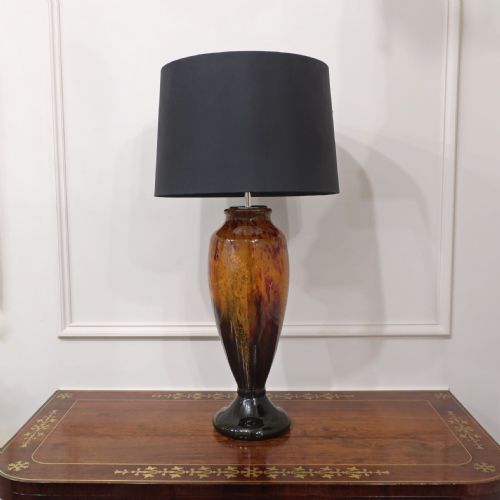
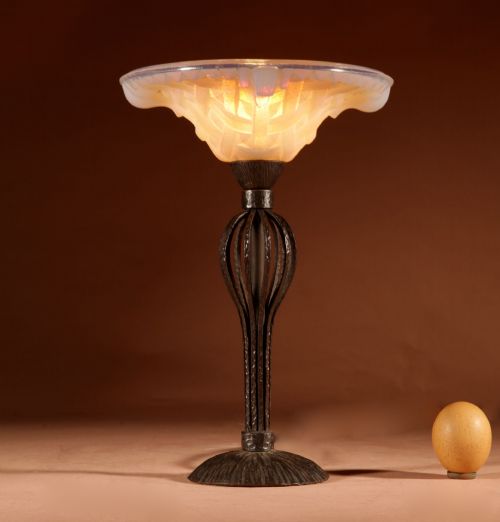
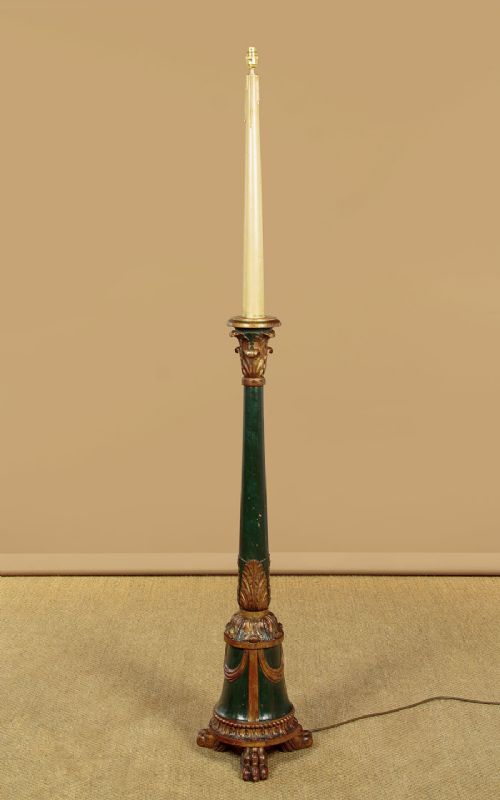
The most common lighting items on this page include floor lamps in oak and walnut, alongside brass and crystal chandeliers. Table lamps frequently incorporate mottled or opalescent glass shades paired with metal or figural bases.
Stylistically, these pieces draw heavily upon Art Deco, Dutch Revival and Machine Age modernism. They reflect an era that embraced both sleek chromium plating and traditional timber craftsmanship.
Materials and construction
Makers utilised a robust mix of metals, woods and moulded glass to build these fixtures. Brass, chrome, wrought iron and giltwood form the structural framework for many lamps and chandeliers.
Timber examples rely on oak, limed oak, mahogany and golden walnut, often shaped into skyscraper or Odeon silhouettes. Glass elements feature heavily in the form of triple shades, crystal drops and mottled or opalescent bowls.
Fabric elements occasionally appear on lampshades, complementing heavier metal and wooden bodies. The combination of turned wood and polished metal defines the manufacturing approach of the period.
1930s Style Light Retail Price Guide 2026
Typical asking prices for 1930s style light among the pieces listed under this phrase on Sellingantiques today, from the lower quarter to the upper quarter. They describe what is for sale here now, not the wider market.
Assessing quality and execution
Quality in these lighting pieces rests on the weight of the materials and the precision of the metalwork or woodwork. Superior examples display substantial cast brass, heavy chrome plating or carefully figured walnut and oak.
The sophistication of the glass components marks another division in quality, with moulded opalescent or mottled shades showing greater artistry than plain alternatives. Finer fixtures integrate their switchgear, wiring channels and structural joints seamlessly into the overall design.
Charles Schneider·Lacroix Lalique·Heals·Harry and Lou Epstein
The 1930s Style Light Glossary
- Art Deco
- A design style characterised by sleek geometric shapes, streamlined forms and rich materials popular during the interwar years.
- Odeon style
- An architectural and decorative form inspired by cinema design featuring stepped tiers and skyscraper silhouettes.
- Opalescent glass
- Glass that exhibits a milky, milky-blue or pearlescent appearance, diffusing light softly across a room.
- Standard lamp
- A tall freestanding floor lamp designed to illuminate a specific area of an interior space.
- Spelter
- A zinc alloy frequently used as a base metal for cast figures and decorative objects before being plated or painted.
1930s Style Light: Frequently Asked Questions
How do I place a standard lamp?
Floor lamps work best beside seating areas or in corners where they provide ambient vertical illumination without cluttering tables.
Position the heavy base securely on level flooring to balance the height of the standard lamp.
Where should a chandelier hang?
Chandeliers suit high ceilings in principal rooms, hallways or dining spaces where their full drop can be appreciated.
Ensure adequate clearance below the lowest crystal pendant or metal tier for everyday movement.
How do I clean mottled glass shades?
Remove delicate glass shades carefully and wash them in lukewarm soapy water using a soft cloth.
Dry the glass completely before reattaching it to the brass or chrome lamp body.
What rooms suit machine age desk lamps?
Compact chrome and metal task lights fit comfortably on studies, libraries or modern workspace surfaces.
Their adjustable arms direct focused illumination directly where required for reading or writing.