
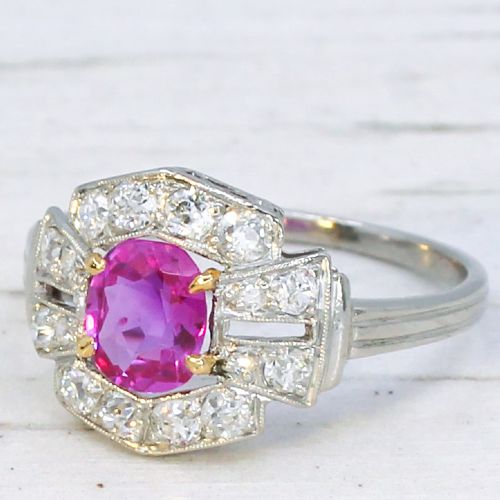


1920s Platinum Cocktail Ring
A 1920s platinum cocktail ring is a bold, high-contrast jewel designed to catch the eye at evening gatherings.
1920s Platinum Cocktail Ring
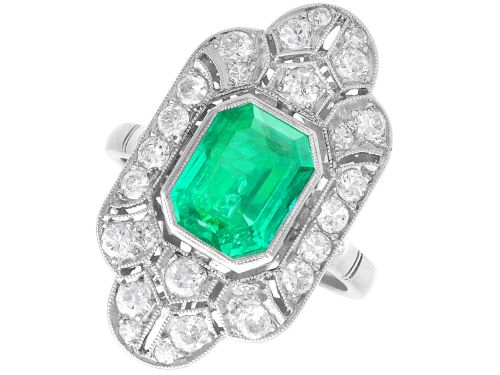
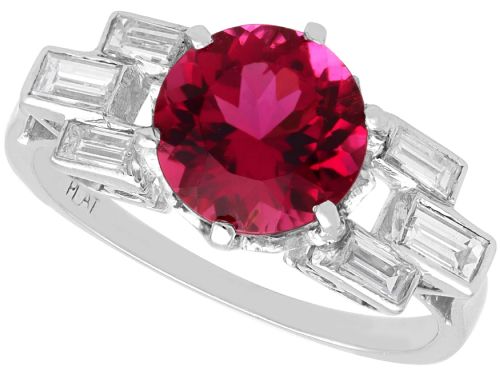
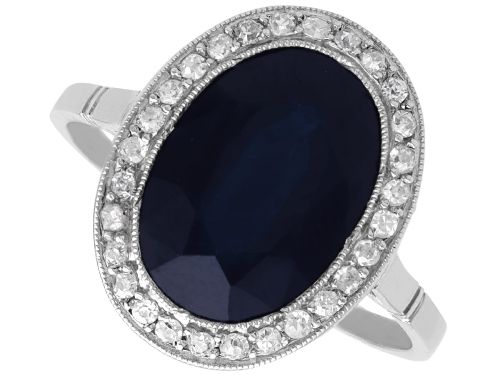
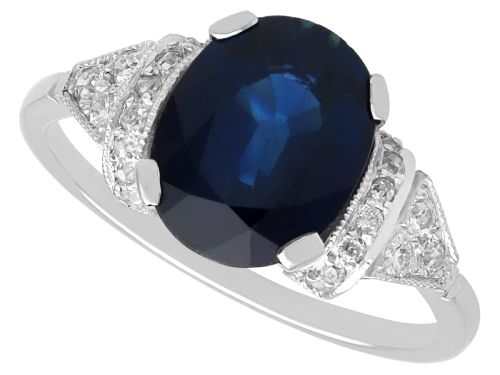
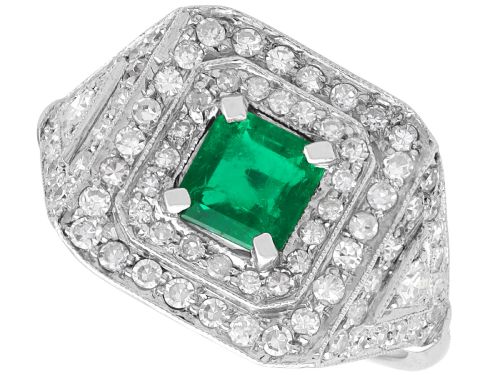
When searching for a 1920s platinum cocktail ring, you encounter jewels defined by geometric geometry and striking coloured centre stones. The vast majority of these pieces originate from the Art Deco period, spanning the nineteen-twenties and nineteen-thirties.
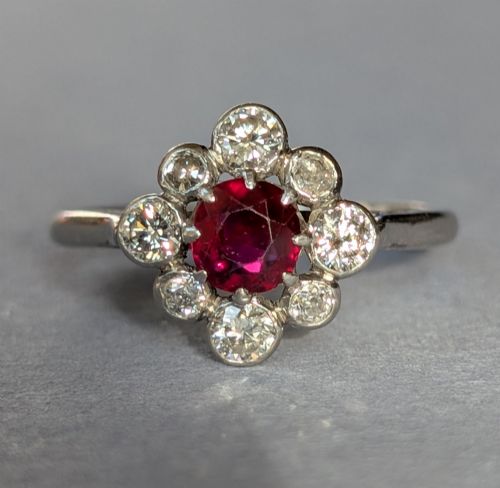
The forms vary from elongated navette and plaque designs to structured clusters and target rings. Alongside platinum, you also meet examples worked in eighteen-carat white gold or traditional gold.
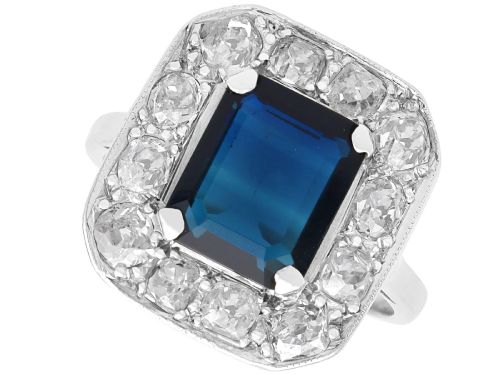
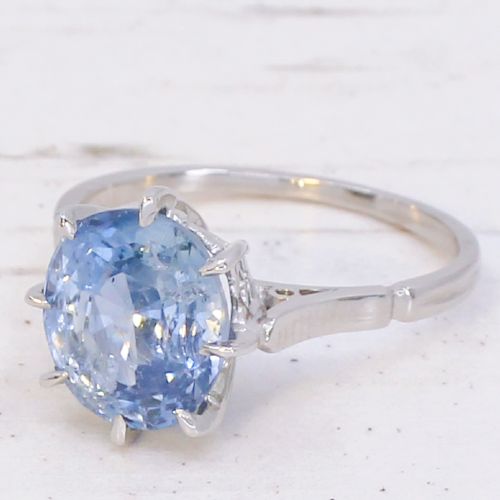
Coloured gems including sapphires, rubies, emeralds and aquamarines anchor the designs, accompanied by smaller accent diamonds. Occasionally, natural pearls or tourmalines complete the composition.
How they were made
The jewellers of this era relied heavily on platinum for its strength, allowing them to fashion delicate, lace-like settings without sacrificing security. This dense white metal supported intricate pierced work and millegrain borders.
Stones were cut specifically to fit strict geometric layouts, including old-cut diamonds and calibré-cut sapphires or rubies fitted closely together. Gold appeared frequently as a contrasting base metal or within French workshops alongside platinum elements.
Listings feature platinum predominantly, alongside eighteen-carat white gold, paired with sapphires, rubies, emeralds, and old-cut diamonds from the Art Deco period.
What varies in quality
The distinction between tiers rests upon the origin and purity of the central gems, such as unheated sapphires or Colombian emeralds. Masterful hand-piercing in the metalwork also separates ordinary production from exceptional atelier output.
Proportion and stone matching dictate the overall visual harmony of the cluster or plaque. Uniformity in the calibré-cut stones around a centrepiece reveals the precision of the original lapidary work.
The 1920s Platinum Cocktail Ring Glossary
- Art Deco
- A design style dominant in the nineteen-twenties and thirties characterised by geometric shapes, stylised motifs and strong lines. This aesthetic rejected organic curves in favour of symmetry and modern industrial influences.
- Navette
- A boat-shaped ring setting that tapers to sharp points at either end. This elongated silhouette sits boldly across the finger.
- Calibré cut
- Small gemstones precision-cut into uniform geometric shapes to fit tightly into a specific channel or border. This technique requires exceptional skill from the stonecutter.
- Millegrain
- A decorative technique featuring a row of tiny raised metal beads along the edge of a setting. It softens the metal profile and adds texture.
- Target ring
- A circular cluster design featuring a central stone surrounded by concentric rings of contrasting gems. The pattern resembles a shooting target.
1920s Platinum Cocktail Ring: Frequently Asked Questions
How do I wear a cocktail ring daily?
These historical jewels require mindful care due to their delicate platinum settings and antique stones. Reserve them for special occasions to protect the intricate metalwork from heavy impacts.
Avoid wearing them during manual tasks or swimming, and store them separately in a lined box to prevent scratching.
Are all these rings from the 1920s?
The pieces span the broader Art Deco era, encompassing the nineteen-twenties, thirties, and occasional Edwardian survivors. Stylistic cues often overlap across these decades.
Examining the specific cut of the diamonds and the construction methods helps determine the exact manufacturing window.
What is calibré-cut sapphire?
Calibré cut refers to small gemstones individually shaped to fit precise geometric channels within the ring design. This method creates seamless borders of colour around larger central stones.
Jewellers used this technique extensively in high-end Art Deco workshops to enhance symmetry.
Can platinum rings be resized?
Platinum allows for professional resizing by a skilled jeweller familiar with antique settings. The dense nature of the metal requires specific torches and laser techniques.
Take care to consult a specialist so the delicate side piercing and millegrain work remain undamaged during the adjustment.