
18th Century Wooden Drawers
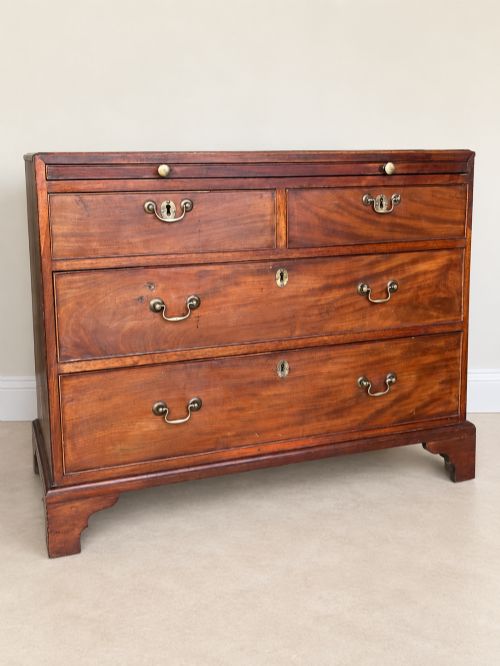
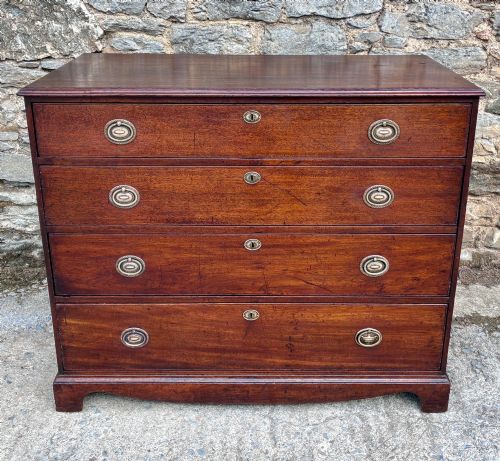
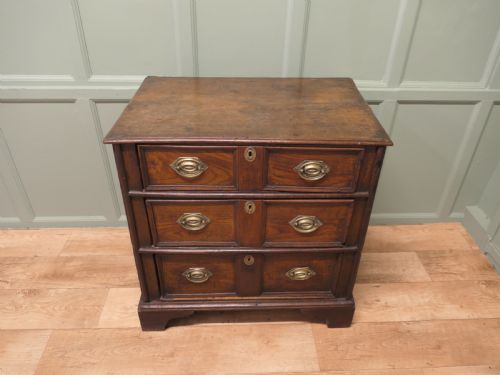
These 18th century wooden drawers bring centuries of functional craft into a room, offering warm timber surfaces and honest storage.
18th Century Wooden Drawers
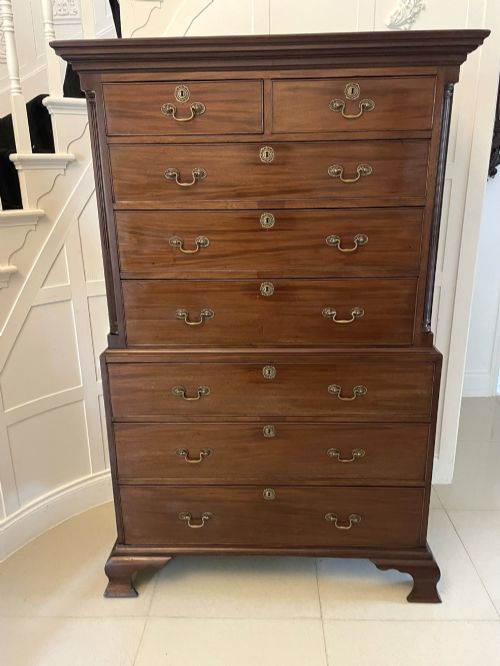
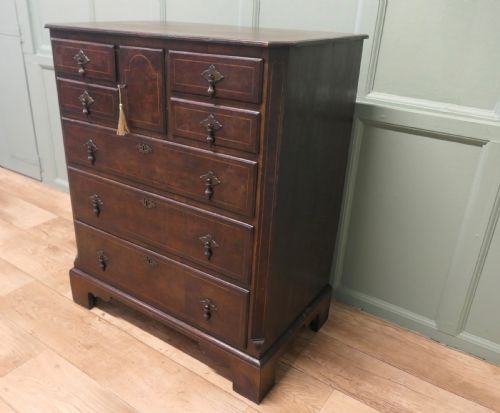
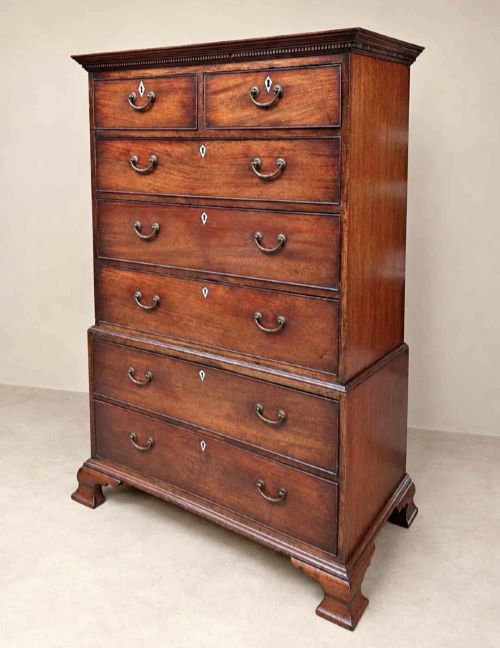
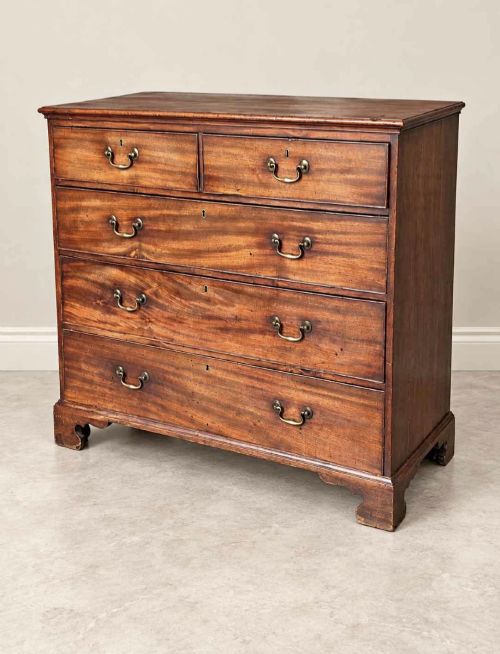
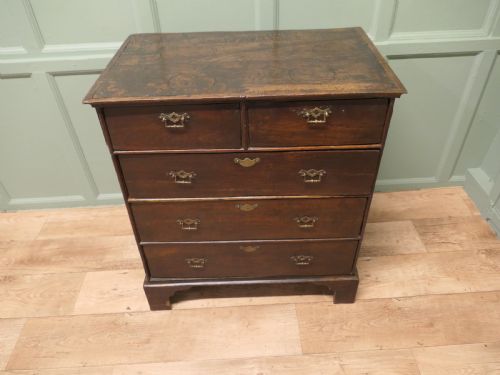
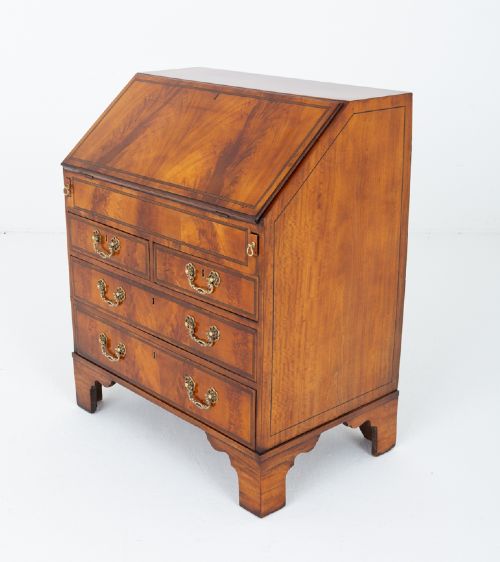
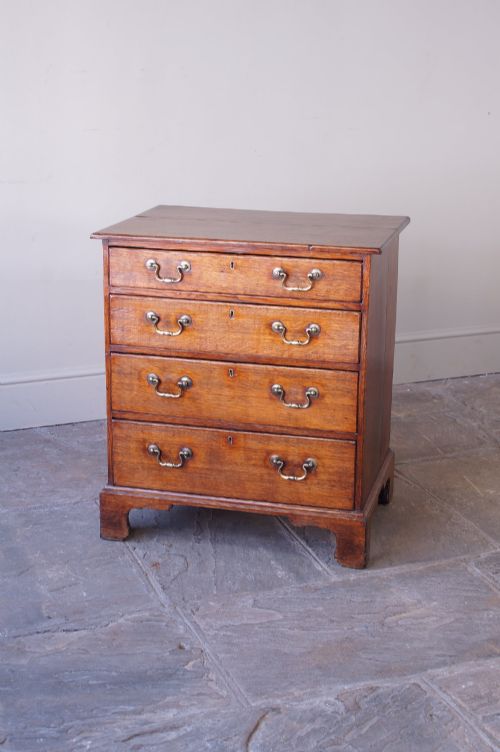
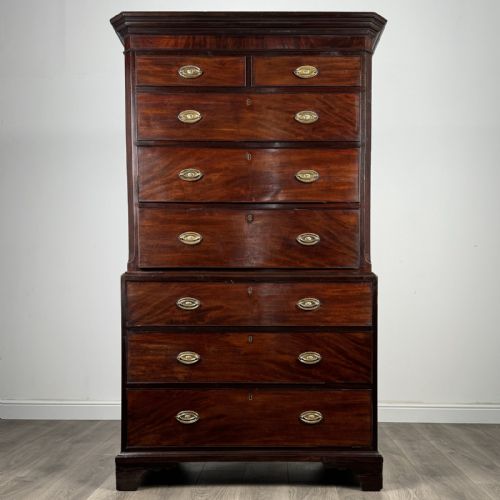
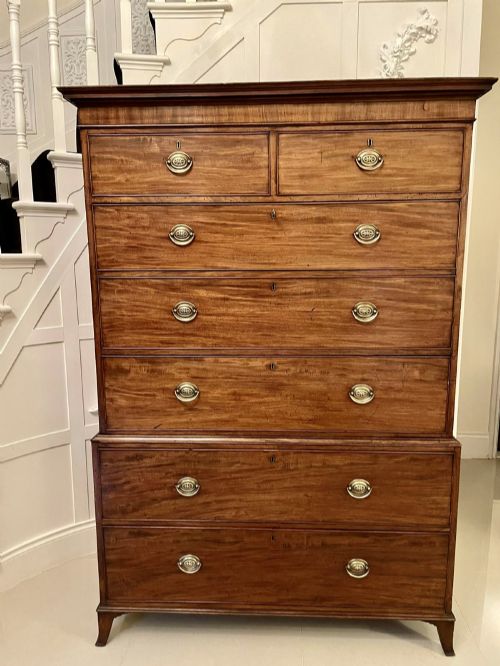
These pieces encompass foundational storage furniture designed across the Georgian, Queen Anne, and George III periods, primarily taking the form of chests of drawers, tallboys, and chests on stands. You will most frequently encounter sturdy oak and rich mahogany designs, alongside figured walnut and burr walnut examples.
How they were made
Cabinet makers relied on solid timbers of oak, mahogany, walnut, and fruitwood, often applying figured veneers and herringbone banding to the primary display surfaces. Drawer construction utilised traditional joinery, housing brass handles and escutcheons that secured the operational front.
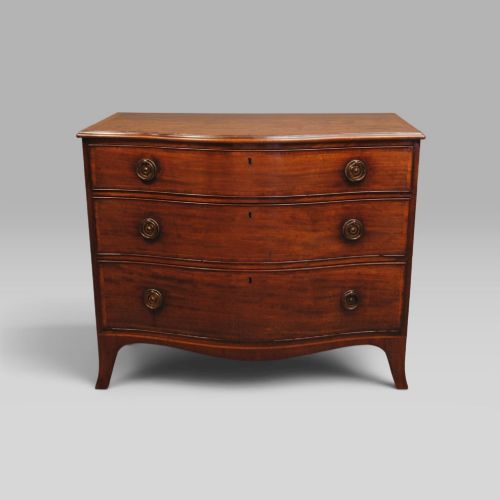
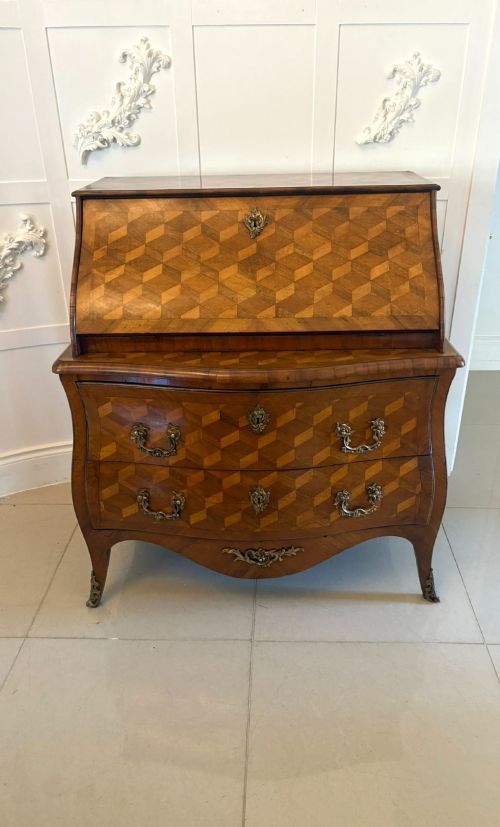
Surface ornamentation ranged from geometric mouldings and marquetry inlays to serpentine fronts, showing the distinct structural preferences of English, Dutch, and French workshops.
Several early chests include hidden compartments behind secret panels for stashing precious coins and love letters.
What varies in quality
J Moorcroft
The 18th Century Wooden Drawers Glossary
- Chest of drawers
- A primary storage item featuring multiple horizontal drawers stacked vertically within a wooden frame. This form remains the cornerstone of domestic furniture from the period.
- Brushing slide
- A pull-out shelf integrated above the top drawers, historically used for folding garments or dusting. It provides a convenient pull-out surface on formal mahogany chests.
- Tallboy
- A tall chest of drawers constructed in two sections, stacking a narrower set of drawers upon a larger base chest. This configuration maximises vertical storage capacity.
- Chest on stand
- A compact drawer unit elevated on an integrated support base with legs. This form lifts the storage compartment off the floor for easier access.
- Coffer
- A heavy wooden chest with a hinged lid, often utilised for linens and storage before drawer configurations became dominant. Oak versions frequently display traditional panel construction.
18th Century Wooden Drawers: Frequently Asked Questions
How do I identify a George III chest?
George III chests typically display refined mahogany construction, often featuring polished brass handles and bracket feet or straight legs. The proportions lean towards clean architectural lines with occasional serpentine fronts.
Interior drawer construction and timber grain selection help separate these pieces from later 19th-century reproductions.
Where were these pieces used?
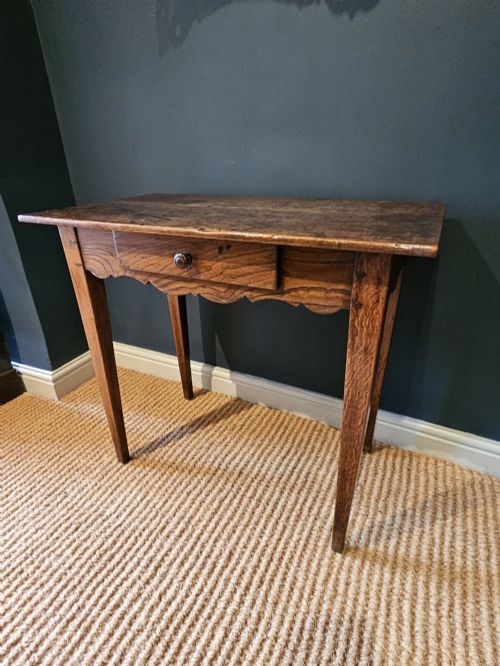
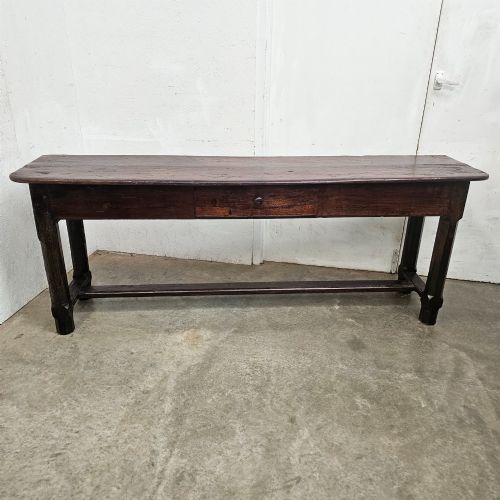
These wooden drawer units served primarily in private bedchambers, parlours, and hallways for storing garments, linens, and household documents. Side tables with drawers and dresser bases functioned within dining spaces and kitchens.
Their robust construction allowed them to handle heavy daily domestic storage needs across generations.
What woods were used most?
Oak and mahogany dominate the selection, chosen for their structural strength and availability during the 18th century. Walnut and burr walnut appear frequently on earlier pieces, prized for decorative figuring.
Fruitwood, satinwood, and elm feature in regional furniture styles and marquetry inlay work.
How do I care for antique timber?
Maintain stable room temperatures and protect the wood surfaces from direct sunlight to prevent timber warping and veneer cracking. Regular dusting with a soft cloth preserves the natural finish without requiring heavy polishes.
Avoid placing pieces near direct heat sources to keep the antique joints secure.