



18k Gold Mechanical Watch
An 18k gold mechanical watch brings together precious metal and traditional movement, making it a prized acquisition for collectors.
18k Gold Mechanical Watch
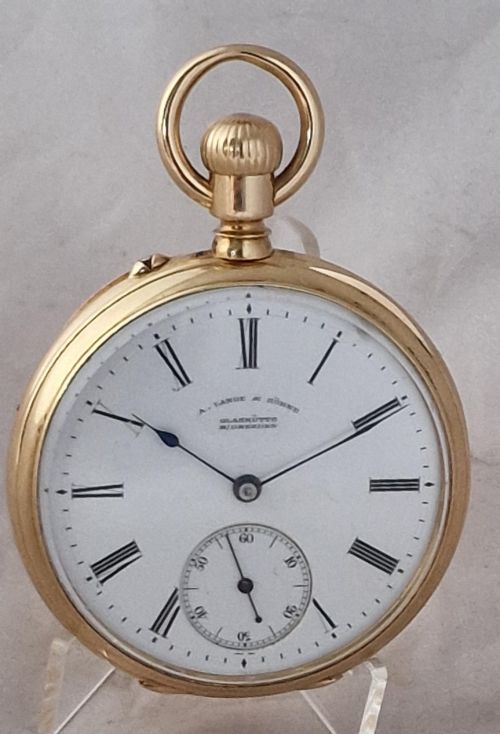
An 18k gold mechanical watch encompasses a variety of forms including pocket watches, wristwatches, and cocktail watches fashioned from 18k gold, 18ct gold, and 18ct yellow gold. These timepieces span several periods such as the 19th Century, Edwardian era, 1920, 1930, and 1950, reflecting styles like Victorian, Early Victorian, Late 19th Century, Art Deco, Mid-Century, Mid-Century Modern, Mid-Century Horology, and Mid-Century Luxury.
Buyers are most likely to meet pieces representing the Victorian and Mid-Century periods, with pocket watches and wristwatches forming the core of the available selection. Pocket watches appear in formats such as full hunter and half hunter designs, while wristwatches feature manual wind movements and specialised dials.
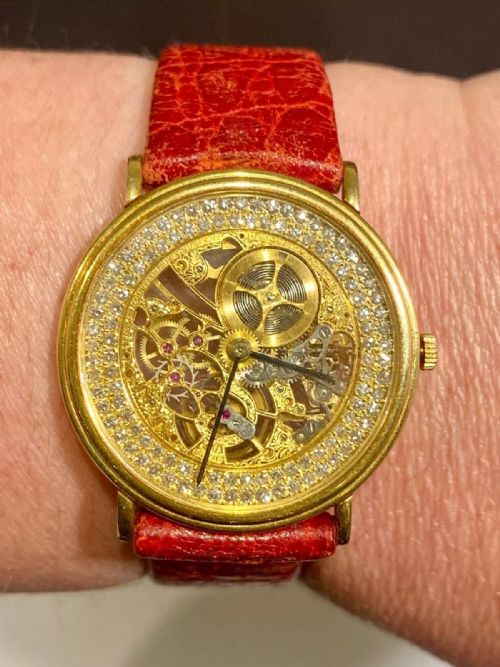
The objects present diverse functional and decorative elements, including engraved cases, diamond accents, skeletonised structures, and complication movements such as minute repeaters and chronographs. Materials accompanying the gold typically comprise enamel, leather, steel, glass, and acrylic.
How these watches were made
Cases are formed from 18k gold, 18ct gold, and 18ct yellow gold, often shaped into intricate pocket watch designs like full hunter and half hunter configurations with engraved exteriors. Master watchmakers housed mechanical movements inside these precious metal housings, integrating glass crystals to protect the dial.
Dials and internal mechanisms incorporate specialised components such as enamel work, steel parts, and acrylic elements. Advanced horological techniques are evident in complicated movements like 5 minute repeaters and centre seconds chronographs, alongside skeletonised designs revealing the inner workings.
18k Gold Mechanical Watch Retail Price Guide 2026
Typical asking prices for 18k gold mechanical watch among the pieces listed under this phrase on Sellingantiques today, from the lower quarter to the upper quarter. They describe what is for sale here now, not the wider market.
A tiny hammer striking an internal gong inside an 18k gold case tells the dark hours away.
What varies in quality
The intricacy of the case work separates standard pieces from exceptional examples, particularly where hand-engraving covers the front and back of full hunter pocket watches or where diamonds are integrated into cocktail and wristwatches. The presence of precious stones and sophisticated metalwork elevates the visual and physical substance of the item.
Complexity of the mechanical movement dictates a significant tier of difference, distinguishing simple manual wind watches from complicated mechanisms like 5 minute repeaters and chronographs. The inclusion of renowned watchmaking names further establishes the standing of a particular timepiece within its period.
Lange & Sohne·A. Golay-Leresche Geneve·J Lyndsey·Baume & Mercier·Jaeger-LeCoultre·Tissot·J Dauer Geneve·Mundus·Audemars Piguet
The 18k Gold Mechanical Watch Glossary
- Full Hunter
- A pocket watch featuring a protective metal cover that springs open via a push-piece on the crown. This hinged lid shields the glass dial cover from scratches and dust.
- Half Hunter
- A pocket watch case with a small glass or open circle in the outer cover allowing the time to be read without opening the case. Surrounding enamel markings often indicate the hours.
- Verge
- An early type of escapement mechanism used in mechanical watches and clocks. It regulates the release of power from the mainspring through a crown wheel and pallet arrangement.
- Fusee
- A conical pulley used in older mechanical watches to maintain even tension on the gear train as the mainspring unwinds. This mechanism improves timekeeping accuracy across the power reserve.
- Skeletonised
- A watch design where excess metal is cut away from the dial and movement plates. This technique exposes the inner mechanical components and gear trains to view.
- Repeater
- A complicated mechanical watch mechanism that chimes the hours, quarters, or minutes on demand when a slide or pusher is activated. Such watches utilise tiny gongs and hammers fitted inside the case.
18k Gold Mechanical Watch: Frequently Asked Questions
How does a fusee movement work?
A fusee movement uses a conical pulley connected to the mainspring via a fine chain or cord. As the spring unwinds and loses power, the chain moves to a wider part of the cone.
This clever geometric arrangement compensates for the diminishing force of the spring. It ensures consistent torque is delivered to the gear train for more reliable timekeeping.
What distinguishes a cocktail watch?
A cocktail watch is a small ladies timepiece designed primarily for evening wear and formal social occasions. These watches function as refined pieces of jewellery.
Examples from periods like the 1930s frequently incorporate white gold settings, intricate metalwork, and diamond embellishments surrounding a diminutive dial.
What is a 5 minute repeater?
A 5 minute repeater is a highly complicated mechanical watch movement that chimes the time audibly. It sounds the hours and the number of five-minute intervals past the hour.
Activating a slide on the exterior of the 18k gold case sets internal hammers and gongs into motion. This traditional complication allowed wearers to tell the time in the dark.