


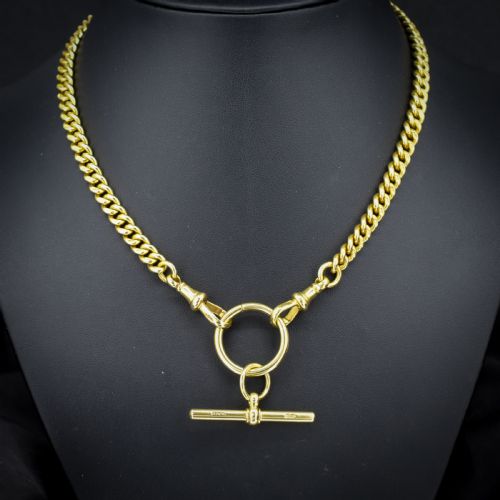
18ct Yellow Gold
These 18ct yellow gold pieces span Victorian, Edwardian and mid-century designs, offering lasting weight and rich colour for daily wear.
18ct Yellow Gold
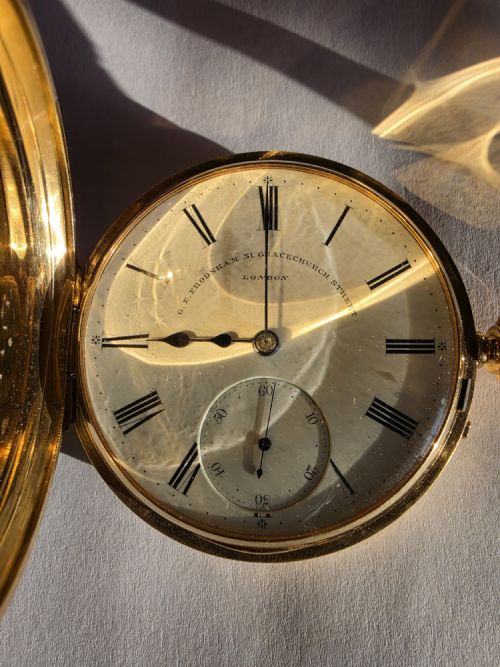
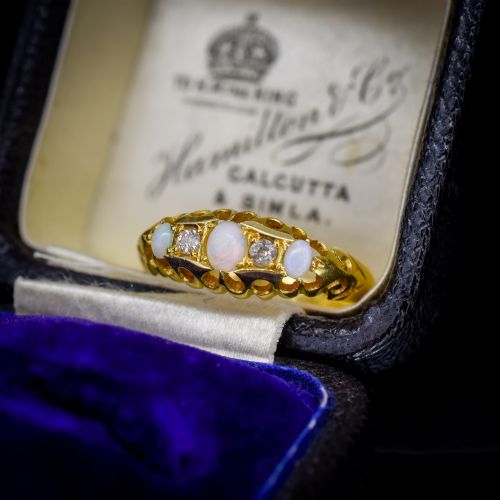
The 18ct yellow gold selection centres primarily on rings, alongside antique pocket watches, pendants, lockets, and heavy watch chain necklaces. These items originate across the Victorian, Edwardian, Art Deco, and mid-century periods, capturing diverse aesthetic movements.
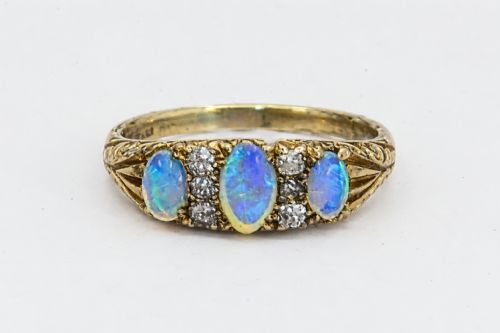
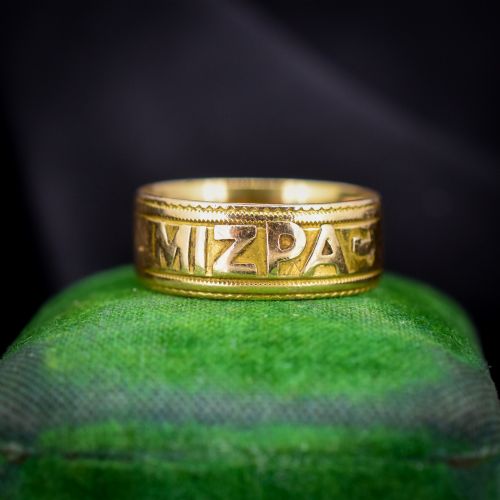
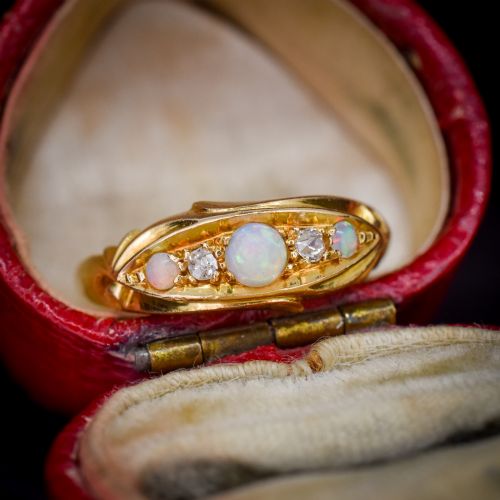
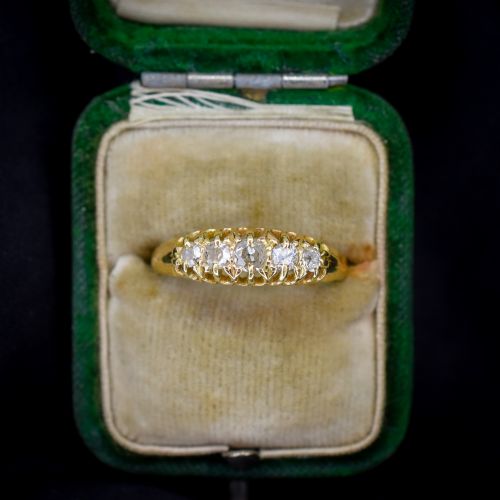
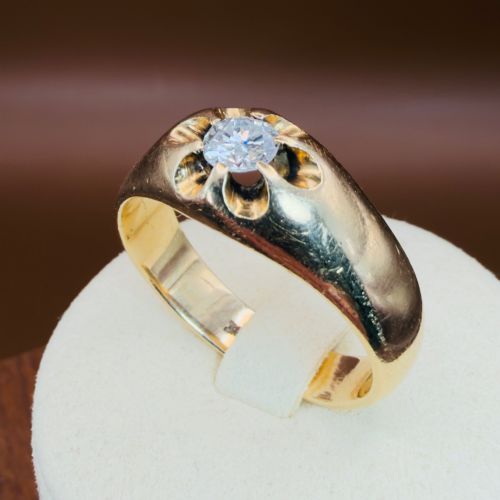
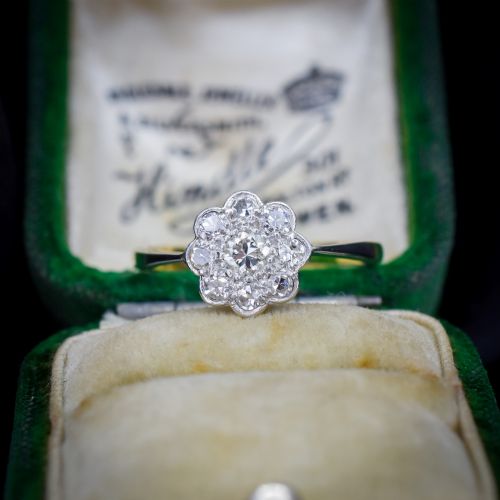
Ring configurations dominate the listings, ranging from old cut diamond solitaires and cluster settings to multi-stone gypsy bands and toi et moi twists. Buyers frequently encounter gemstones such as opals, rubies, sapphires, and emeralds set directly into the warm metal.
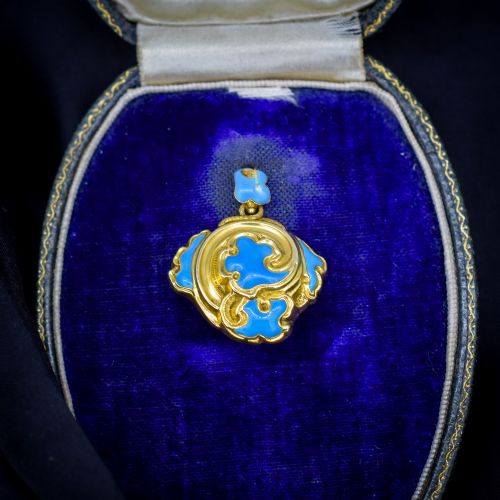
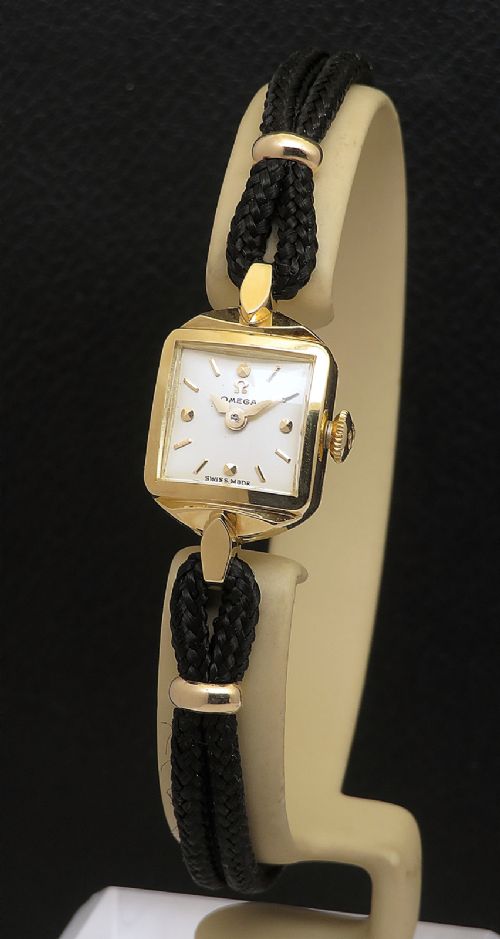
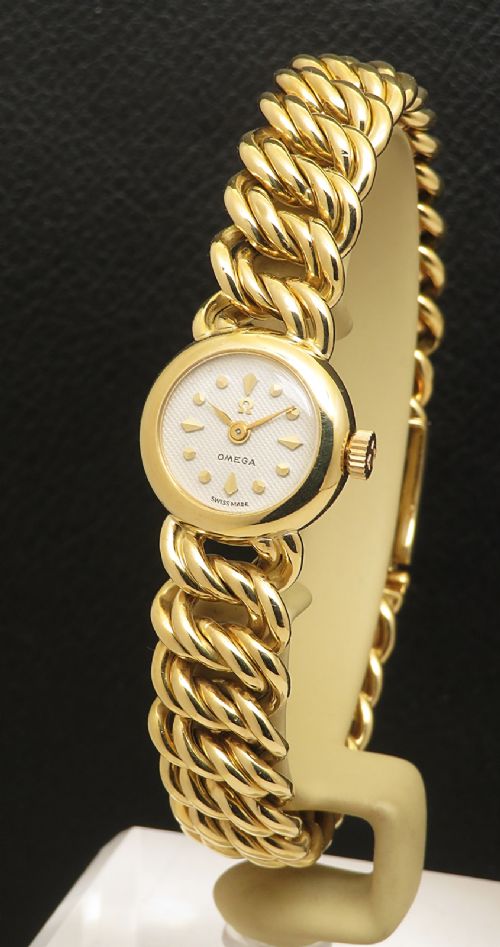
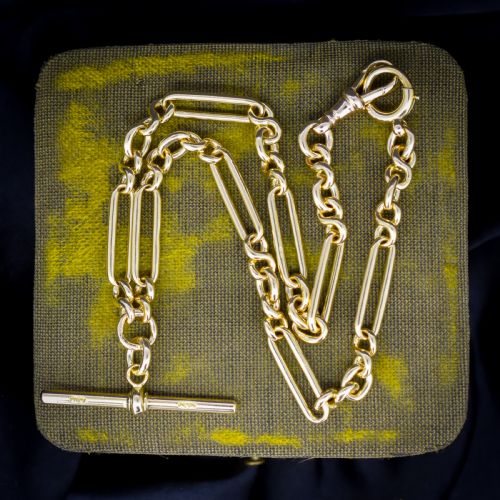
Beyond finger rings, the category includes substantial Albert and trombone watch chains, mourning lockets with blue enamel, and cocktail wristwatches from mid-century makers. Each form displays the distinct craftsmanship of its respective decade.
How they were made
Construction relies on solid 18ct yellow gold, frequently paired with platinum to secure diamond settings securely in Edwardian and Art Deco cluster designs. Metalsmiths utilised casting, hand-fabrication, and detailed engraving techniques to build robust structural foundations.
Surface ornamentation incorporates guilloche enamel, plique-a-jour, and intricate millegrain edges that frame old cut diamonds and coloured gemstones. Watch chains feature linked curb patterns and trombone segments joined by concealed clasps and sturdy spring rings.
Gemstone integration depends on bezel settings, starburst flush mounts, and claw configurations designed to maximise light exposure while protecting the stone girdle. Enamelling requires precise kiln-firing to fuse coloured glass powders onto recessed gold bases.
Some Victorian mourning pieces secreted blue enamel swirls and hair compartments, letting wearers keep departed loved ones remarkably close at hand.
What varies in quality
The calibre of these pieces rests on the weight and integrity of the gold work, alongside the original condition of the hand-cut gemstones. Heavier signet rings and solid curb link chains demonstrate superior material substance compared to lighter hollowed variants.
Artisanal execution dictates distinction, visible in the fineness of millegrain borders, the symmetry of starburst engravings, and the flawless preservation of delicate enamel panels. Maker attribution to established workshops adds notable historical provenance.
George Edward Frodsham·Kutchinsky·FOPE·Omega
The 18ct Yellow Gold Glossary
- Old Cut
- A diamond faceting style common in antique jewellery featuring a smaller table, higher crown, and open culet. These stones were shaped by hand before modern optical precision standards were established.
- Toi Et Moi
- A two-stone ring style translating to you and me, symbolising a couple through paired principal gems. The stones typically sit in a twist or parallel arrangement.
- Guilloche
- An engraving technique where a precise mechanical pattern is etched into a metal surface beneath translucent enamel. This creates repetitive geometric light reflections.
- Albert Chain
- A traditional watch chain designed to attach a pocket watch to a waistcoat buttonhole. They utilise heavy curb or trombone links.
- Boat Ring
- A navette-shaped ring setting featuring an elongated boat profile housing a row of graduated gems. The tapered ends sit flush along the finger.
18ct Yellow Gold: Frequently Asked Questions
What periods do these gold pieces come from?
The inventory encompasses items fashioned during the Victorian, Edwardian, Art Deco, and mid-century eras, spanning the late nineteenth century through to the 1960s.
Each period imparts distinct stylistic hallmarks, from heavy mourning lockets to geometric platinum-topped diamond clusters.
How do I care for antique enamel jewellery?
Enamel consists of fused glass, meaning it requires protection from sharp impacts, sudden temperature shifts, and abrasive cleaning agents.
Store these pieces individually in soft pouches and clean them gently using warm soapy water and a soft cloth.
How are old cut diamonds different from modern stones?
Old cut diamonds feature hand-cut facets tailored under candlelight, resulting in broader flash patterns rather than the uniform brilliance of modern round brilliants.
They display higher crowns and smaller tables that impart a distinct vintage character.