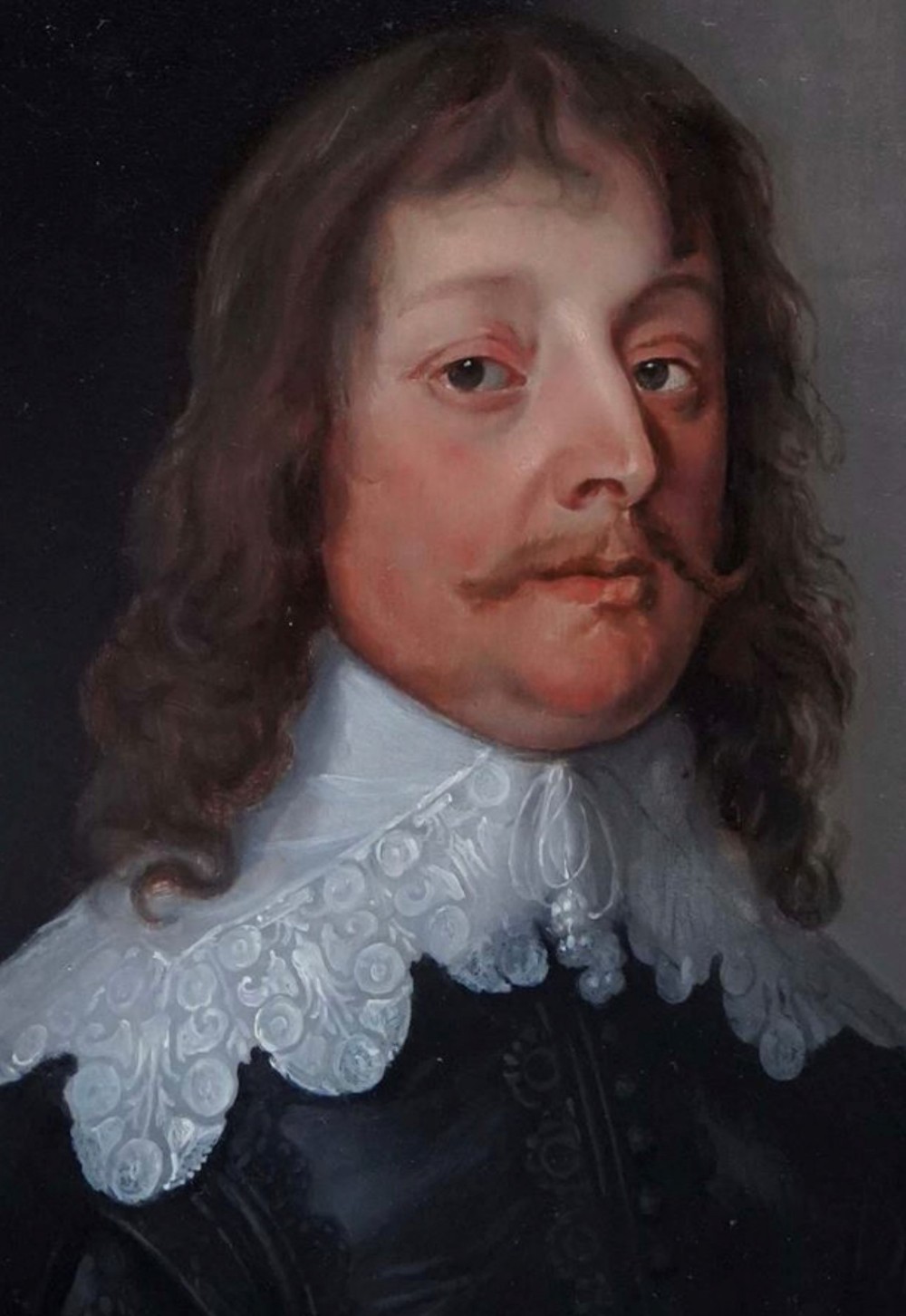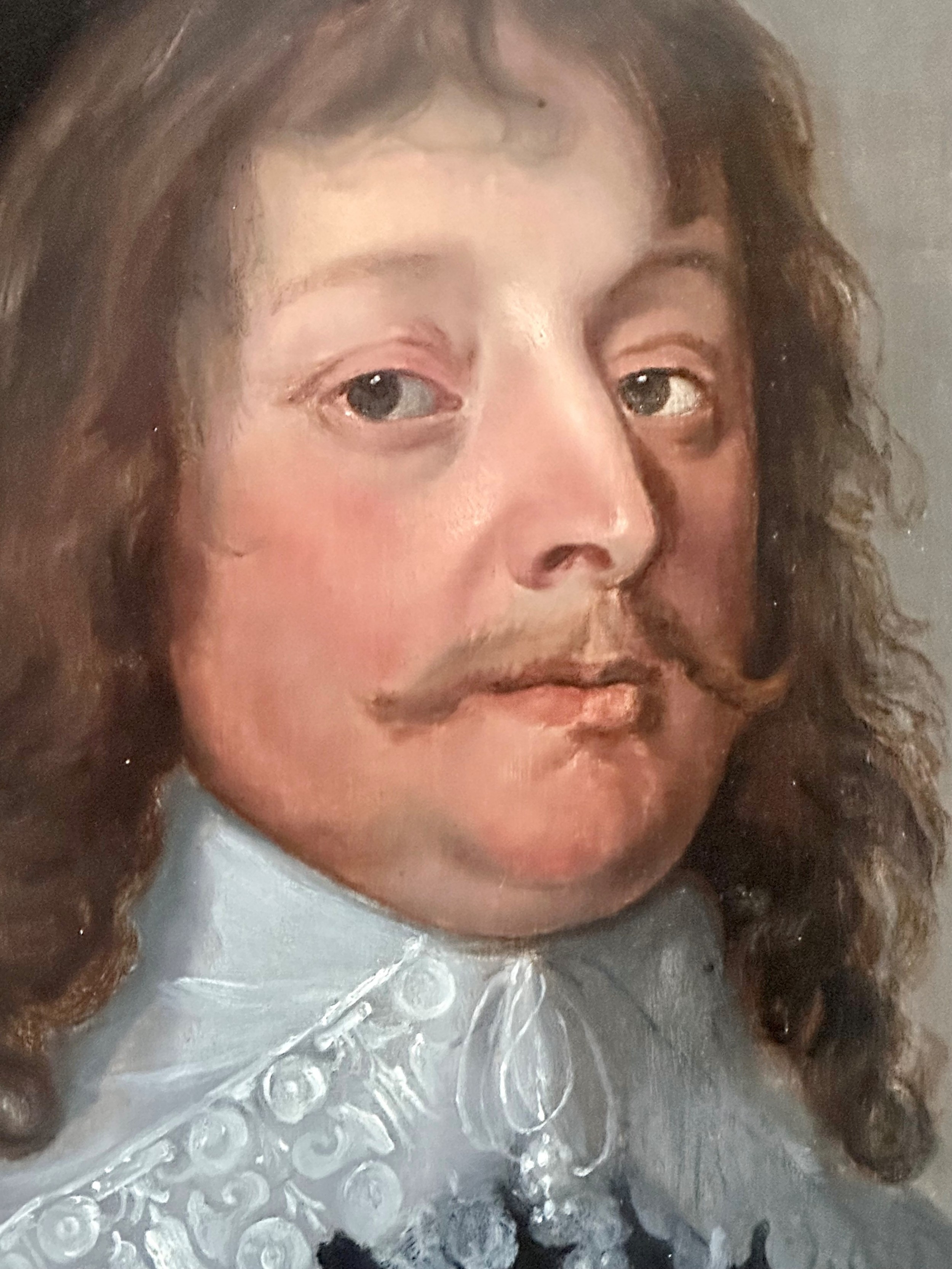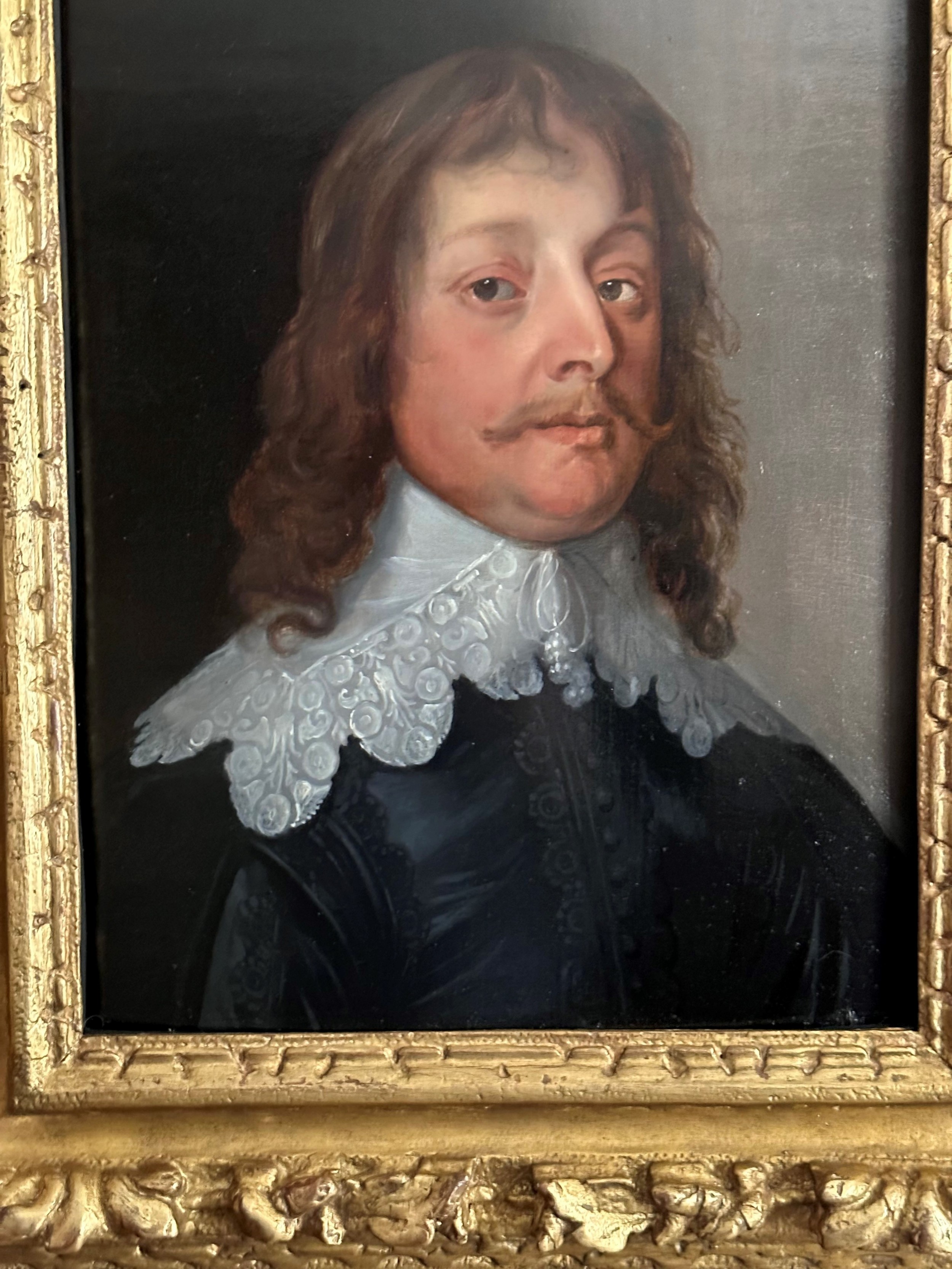
Roy Precious - Antiques & Fine Art has dated this piece to the 17th Century.
Thomas Hamilton, 2nd Earl of Haddington (25 May 1600 – 30 August 1640) was a Scottish nobleman.
Until his accession to his father's Earldom, he was known by the courtesy title Lord Binning.
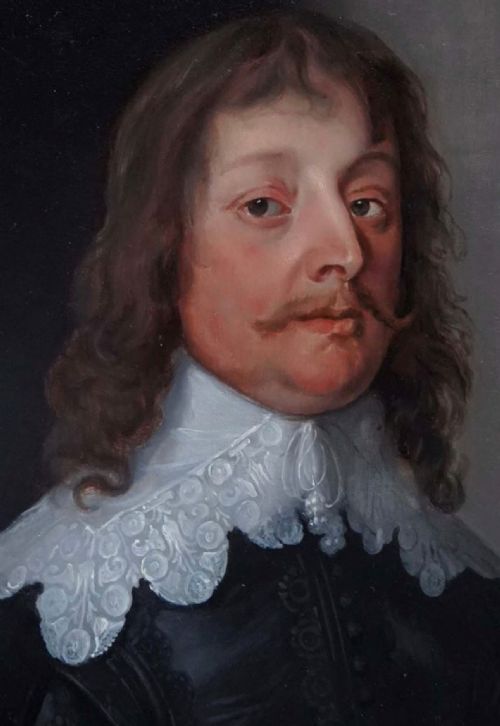
Following education abroad Binning returned to Scotland where he attended Parliament in 1621. Binning attended his father at the funeral of King James in London, and later was a canopy bearer during Charles I's 1633 coronation in Edinburgh at Holyrood Abbey.
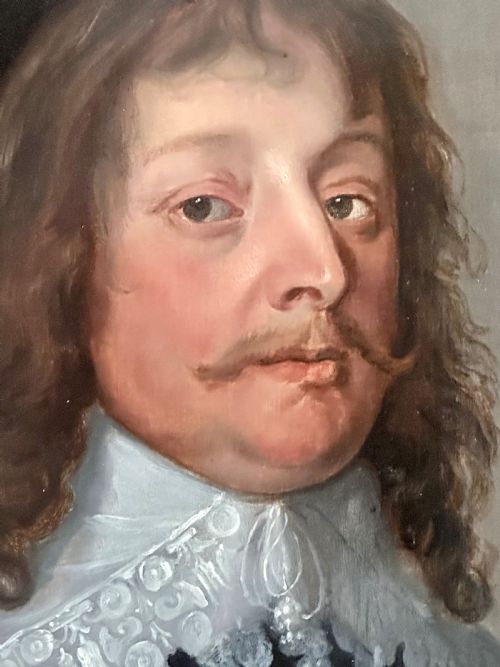
Binning succeeded to his father's titles in 1637, and the following year, at the King's urging, signed the National Covenant. At the start of the Bishops' War, Haddington was commissioned Major General for the Lothians, under General Leslie. When General Leslie advanced into England in 1640, he left armaments behind at Duns, Haddington retrieved them and brought them back to his headquarters at Dunglass Castle, to prevent their capture by the English garrison at Berwick upon Tweed. On 29 August, he beat back an attempt of the garrison of Berwick to capture a magazine of victuals and arms near Coldstream.
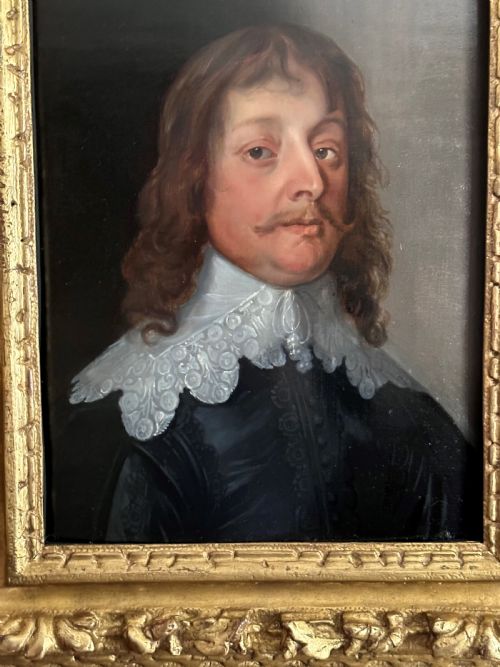
On 30 August 1640, a huge explosion took place in the powder magazine of Dunglass Castle, destroying it. Haddington, who was standing in the courtyard reading correspondence from Leslie to his kinsfolk and men. One of the side walls in its fall overwhelming his lordship and all his audience, except four who, by the force of the explosion, were thrown to a considerable distance. The earl’s body being found among the ruins, was buried at Tyninghame. With Haddington was killed, besides his youngest son, several of his kinsmen of the name of Hamilton. Scotstarvet states that a report prevailed that a faithless page, an English boy of the name of Edward Paris, in resentment of the earl’s jestingly saying to him that his countrymen were a pack of cowards to suffer themselves to be beaten, and to run away at Newburn, thrust a red-hot iron into a barrel of gunpowder, and so was killed with the rest.
SIR ANTHONY VAN DYKE (1599-1641) was the greatest master of the European baroque portrait. Born in Antwerp, he first visited England in 1620. In 1632 he entered the service of King Charles I as Court Painter, and was knighted in 1633.
His clientele was essentially the aristocratic circle of courtiers, many of whom lived in a romantic royalist dream world which collapsed in ruins in the Civil War, soon after Van Dyck's death.
Sir Anthony Van Dyke's influence on the art of the portrait is almost beyond measure.
SIZE: 22 x 18.5 inches including the frame.
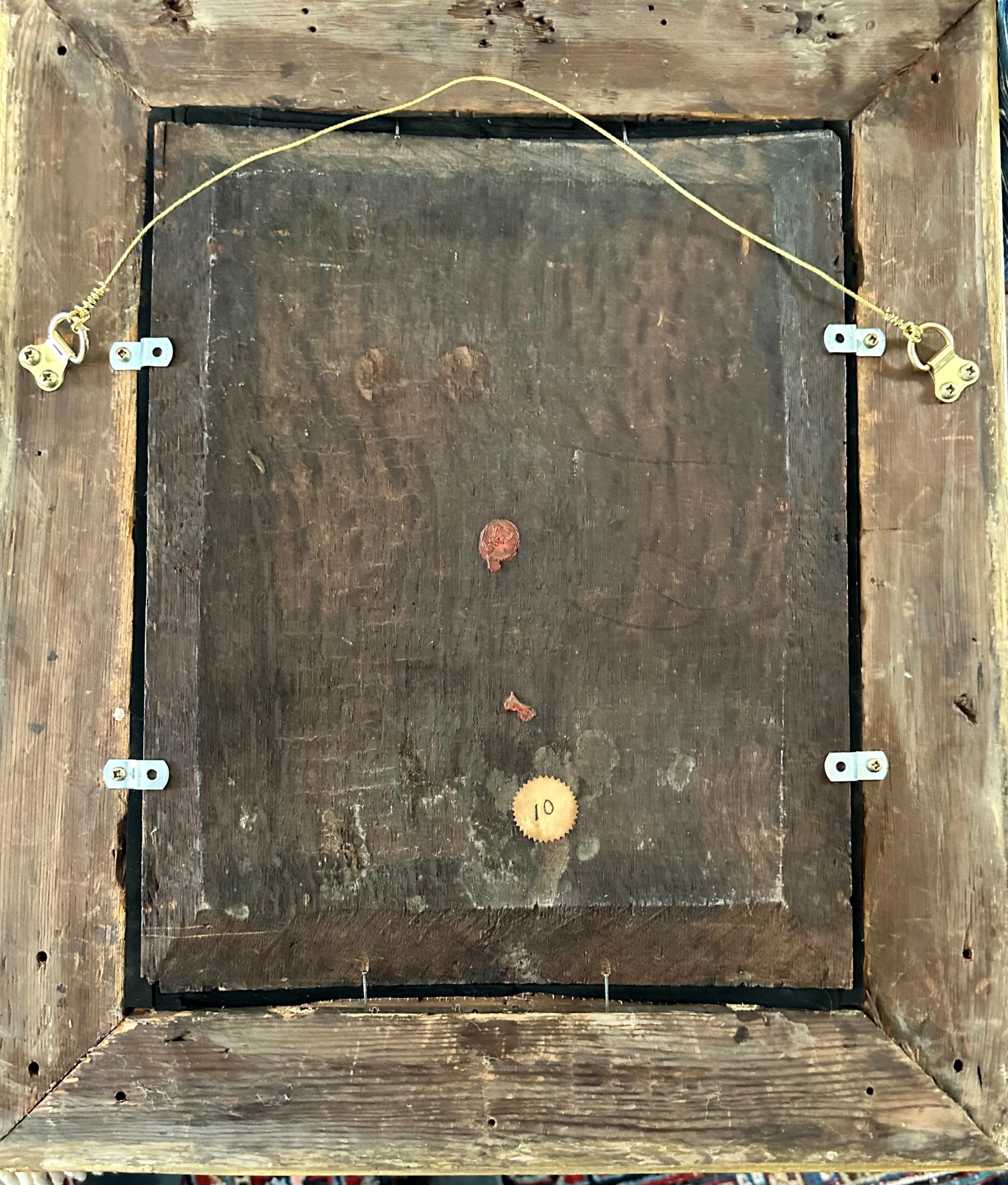
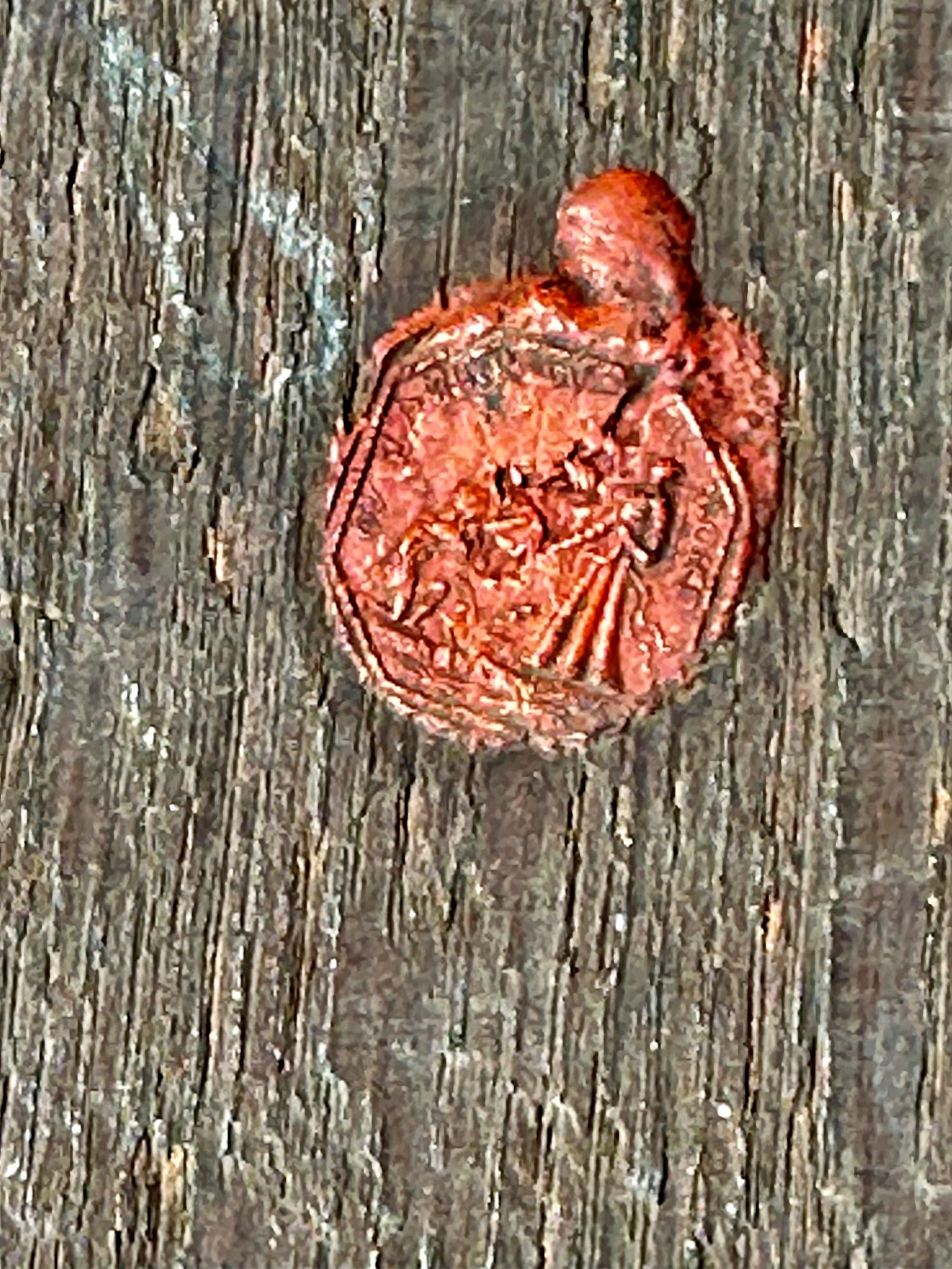
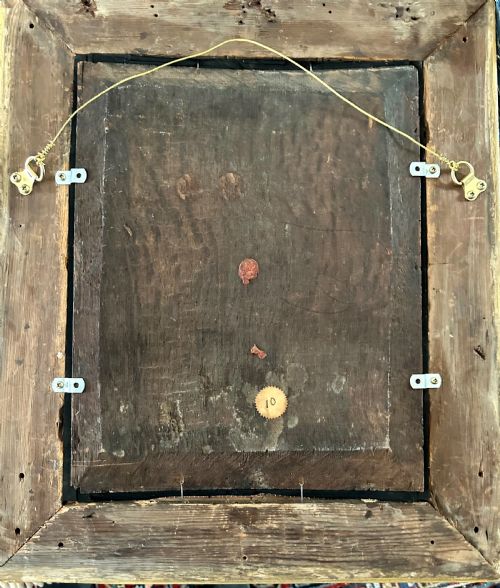
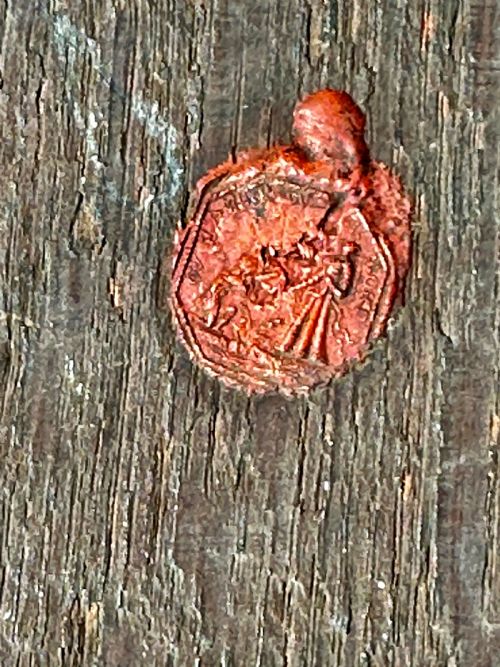
PROVENANCE: South of England private collection. Verso: an old collection seal in red wax.
Roy Precious - Antiques & Fine Art has dated this piece to the 17th Century.
Roy and nadine precious: specialists in portraiture from the 16th to the 20th century. Established in 1972.
You can view the stock and full dealer information on the Roy Precious - Antiques & Fine Art Profile Page
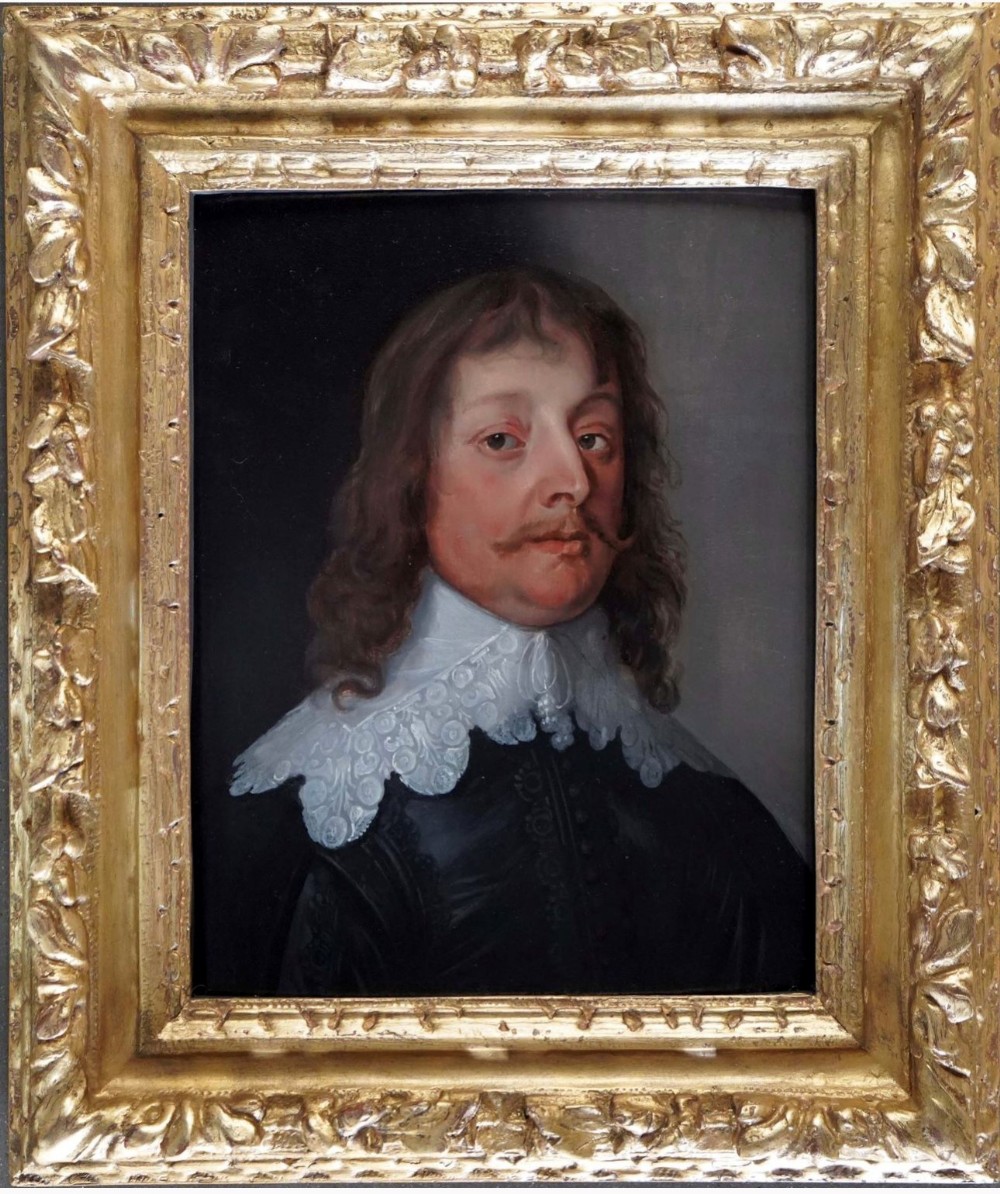
Thomas Hamilton, 2nd Earl of Haddington. C.1637, Circle or Studio of Van Dyke.