15,800  PAGES BROWSED TODAY PAGES TODAY 36  ANTIQUES UPLOADED TODAY NEW ARRIVALS
ID #SA982329
FOR SALE
£2,800
Email
Save
Thomas Robson 1798-1871 Portrait of Thomas Thomasson , Political Economist and a Campaigner for the Repeal of the Corn Laws
Artware Fineart
for sale €3,276     $3,556
£2,800

Artware Fineart

Sellingantiques Verified Since Sep 2008
View Dealers Stock Page
Id #SA982329
PDF SHARE
SAVE

Thomas Robson 1798-1871 Portrait of Thomas Thomasson , Political Economist and a Campaigner for the Repeal of the Corn Laws

19th century
For Sale by Artware Fineart
Description

Thomas Robson 1798-1871

Portrait of Thomas Thomasson , political economist and a campaigner for the repeal of the Corn Laws

oil on canvas

59 x 49 cm.

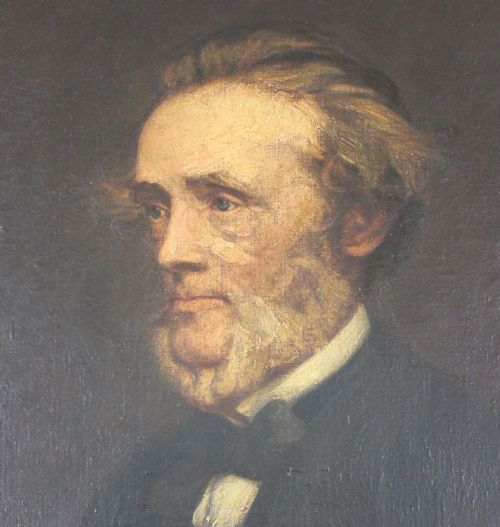
The Thomassons were a Quaker family of cotton spinning industrialists. In the middle of the 18th century, Thomas Thomasson sold a small landed estate near Kendal and invested the money in stone quarries. The quarries provided the large flag stones used for block printing on calico fabric. A few years later, Thomasson decided to go into the cotton trade for himself, building a small mill on the Quarlton Road. The firm was not successful, and was dissolved at the beginning of the 19th century.Thomas Thomasson died in 1782 and his son John became manager of the Old Mill at Eagley Bridge. In 1821 he too went into the cotton trade on his own at Mill Hill. John Thomasson's son, Thomas, born in 1808, inherited the business on his father's death in 1837. In 1841 he built the first of the Mill Hill factories, adding additional factories in 1853 and 1859.
Thomas Thomasson was a free trader, active in the movement alongside Richard Cobden, John Bright and Mr Fox of Oldham. His eldest son, John Pennington Thomasson (1841-1904?), became a partner in the business and later married Katherine Lucus, niece of John Bright. Through their business the family amassed a considerable amount of money, which enabled JP Thomasson to buy Mere Hall for Bolton. He presented this and the adjoining estate to the Bolton Corporation in 1890 at a cost of £10,000 for the purpose of a public park, art gallery and museum, also donating a further £5,000 towards any necessary alterations. The Thomasson family also donated items for Bolton Museum's collection, including a bust of Samuel Crompton and natural history material including birds' eggs, nests and shells. After his death, JP Thomasson's widow provided money to enable the museum to buy the substantial Mason Herbarium for its collections.
Thomas Thomasson (1808 – 1876) was a political economist and a campaigner for the repeal of the Corn Laws who was one of Bolton's greatest benefactors.

Thomasson was born at Turton into a Bolton family and was grandson of one of the original cotton pioneers. He joined his father in the family business of John Thomasson and Son at Mill Hill, a cotton mill founded by Sir Robert Peel. In 1837 his father died and Thomasson took on the management of the firm. In 1841 he built the first of three new Mill Hill factories, a bold venture, as the mill was said to be huge, and the cotton industry was then in depression – a fact which was mentioned by the Prime Minister (Sir Robert Peel) in the House of Commons as evidence that persons did not hesitate to employ their capital in the further extension of the cotton trade, notwithstanding its condition. The firm built on this success, opening another new factory in 1853, and a third in 1859.

Thomasson was intimately associated with Richard Cobden in the repeal of the Corn Laws and was a good friend of John Bright who attended his funeral and bore testimony to his remarkable capacity as a man of business, saying, "He will be greatly missed by many who have been accustomed to apply to him for advice and help.". On an occasion in the Bolton Theatre, when the Corn Law question was contested, he may be said to have called Abraham Walter Paulton into public life, by sending him on to the platform to defend the cause of repeal. Mr. Paulton became the first effective platform advocate of that movement. Thomasson was the chief promoter of the Anti-Corn Law agitation, and the greatest subscriber to its funds. When the great subscription was raised in 1845, he was the first to put down £1,000. When it was proposed to make some national gift to Richard Cobden, Thomasson gave £5,000. He subsequently gave £5,000 to the second Cobden subscription.

Thomass helped secure the incorpor

Physical Dimensions
Height
59cm (23.23")
Width
49cm (19.29")
Depth
2cm (0.79")
Declaration

Artware Fineart has dated this Victorian Portrait Oil Painting to the 19th Century.

Reference Numbers
Sellingantiques Reference
SA982329
Dealers Internal Reference
4781
Description
Thomas Robson 1798-1871

Portrait of Thomas Thomasson , political economist and a campaigner for the repeal of the Corn Laws

oil on canvas

59 x 49 cm.

The Thomassons were a Quaker family of cotton spinning industrialists.

In the middle of the 18th century, Thomas Thomasson sold a small landed estate near Kendal and invested the money in stone quarries.
Artware Fineart

The quarries provided the large flag stones used for block printing on calico fabric. A few years later, Thomasson decided to go into the cotton trade for himself, building a small mill on the Quarlton Road. The firm was not successful, and was dissolved at the beginning of the 19th century.Thomas Thomasson died in 1782 and his son John became manager of the Old Mill at Eagley Bridge. In 1821 he too went into the cotton trade on his own at Mill Hill. John Thomasson's son, Thomas, born in 1808, inherited the business on his father's death in 1837. In 1841 he built the first of the Mill Hill factories, adding additional factories in 1853 and 1859.

fig 1. An oil on canvas portrait painting of a nineteenth-century gentleman with grey hair and beard wearing a black jacket against a dark background.
fig 1. Thomas Robson 1798-1871 Portrait of Thomas Thomasson , Political Economist and a Campaigner for the Repeal of the Corn Laws

Thomas Thomasson was a free trader, active in the movement alongside Richard Cobden, John Bright and Mr Fox of Oldham. His eldest son, John Pennington Thomasson (1841-1904?), became a partner in the business and later married Katherine Lucus, niece of John Bright. Through their business the family amassed a considerable amount of money, which enabled JP Thomasson to buy Mere Hall for Bolton. He presented this and the adjoining estate to the Bolton Corporation in 1890 at a cost of £10,000 for the purpose of a public park, art gallery and museum, also donating a further £5,000 towards any necessary alterations. The Thomasson family also donated items for Bolton Museum's collection, including a bust of Samuel Crompton and natural history material including birds' eggs, nests and shells. After his death, JP Thomasson's widow provided money to enable the museum to buy the substantial Mason Herbarium for its collections.

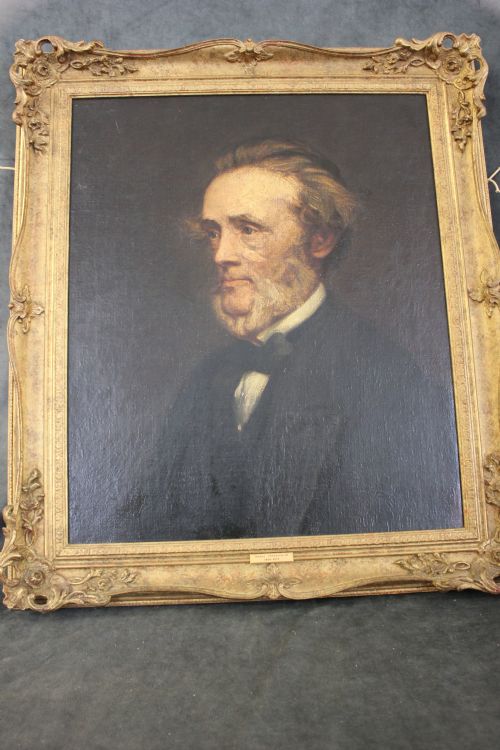
fig 2. An oil on canvas portrait painting of a nineteenth-century gentleman with grey hair and beard wearing a black jacket against a dark background.
fig 2. Thomas Robson 1798-1871 Portrait of Thomas Thomasson , Political Economist and a Campaigner for the Repeal of the Corn Laws

Thomas Thomasson (1808 – 1876) was a political economist and a campaigner for the repeal of the Corn Laws who was one of Bolton's greatest benefactors.

Thomasson was born at Turton into a Bolton family and was grandson of one of the original cotton pioneers. He joined his father in the family business of John Thomasson and Son at Mill Hill, a cotton mill founded by Sir Robert Peel. In 1837 his father died and Thomasson took on the management of the firm. In 1841 he built the first of three new Mill Hill factories, a bold venture, as the mill was said to be huge, and the cotton industry was then in depression – a fact which was mentioned by the Prime Minister (Sir Robert Peel) in the House of Commons as evidence that persons did not hesitate to employ their capital in the further extension of the cotton trade, notwithstanding its condition. The firm built on this success, opening another new factory in 1853, and a third in 1859.

Thomasson was intimately associated with Richard Cobden in the repeal of the Corn Laws and was a good friend of John Bright who attended his funeral and bore testimony to his remarkable capacity as a man of business, saying, "He will be greatly missed by many who have been accustomed to apply to him for advice and help.". On an occasion in the Bolton Theatre, when the Corn Law question was contested, he may be said to have called Abraham Walter Paulton into public life, by sending him on to the platform to defend the cause of repeal. Mr. Paulton became the first effective platform advocate of that movement. Thomasson was the chief promoter of the Anti-Corn Law agitation, and the greatest subscriber to its funds. When the great subscription was raised in 1845, he was the first to put down £1,000. When it was proposed to make some national gift to Richard Cobden, Thomasson gave £5,000. He subsequently gave £5,000 to the second Cobden subscription.

Thomass helped secure the incorpor

Height
59cm (23.23")
Width
49cm (19.29")
Depth
2cm (0.79")
Date of Manufacture

Artware Fineart has dated this Victorian Portrait Oil Painting to the 19th Century.

Reference Numbers
Sellingantiques Ref
SA982329
Dealers Internal Ref
4781
Artware Fineart
Sellingantiques verified Since Sep 2008
Dealer Profile

You can view the stock and full dealer information on the Artware Fineart Profile Page
PDF SHARE
SAVE
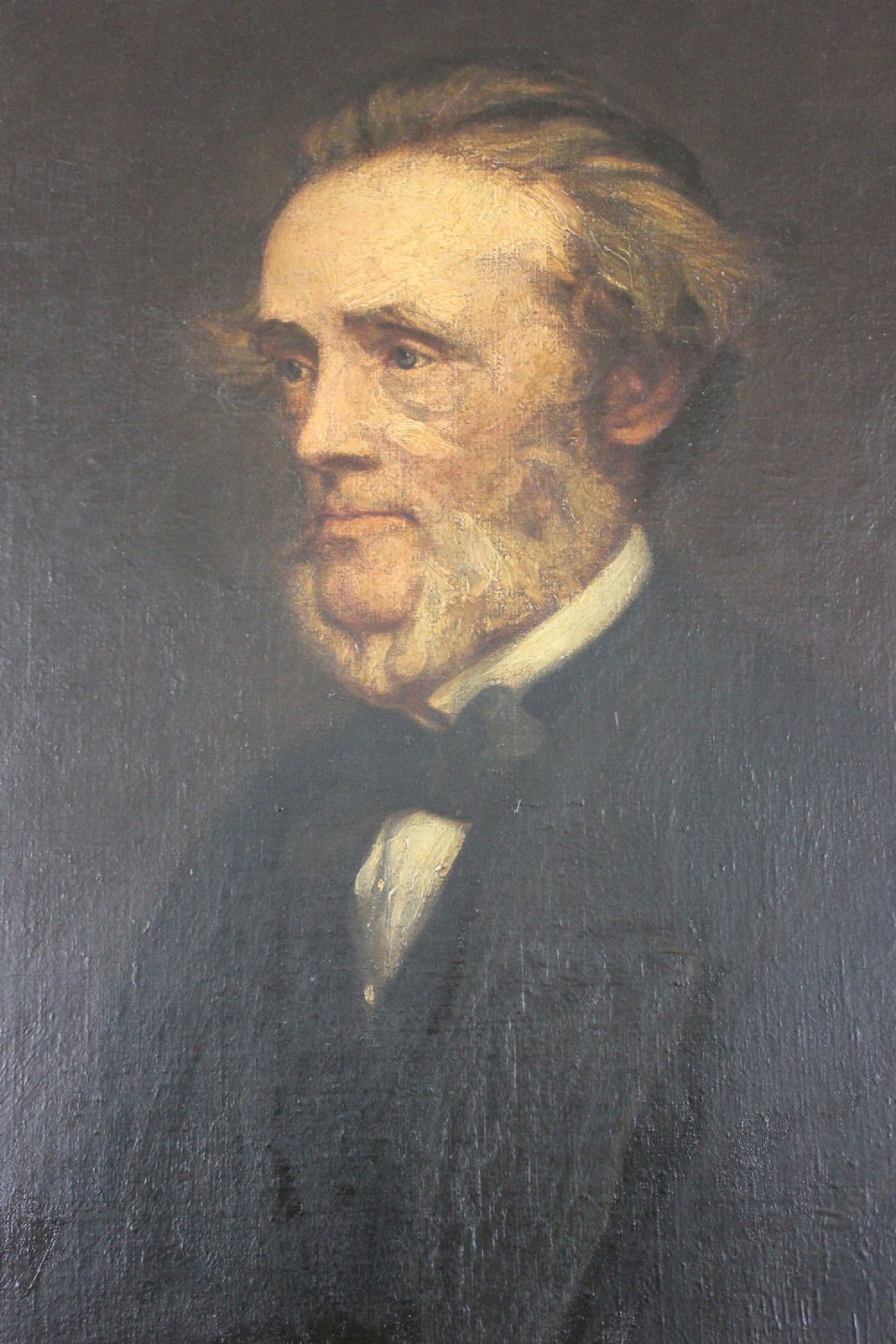
An oil on canvas portrait painting of a nineteenth-century gentleman with grey hair and beard wearing a black jacket against a dark background.
1 / 3
Archive I An oil on canvas portrait painting of a nineteenth-century gentleman with grey hair and beard wearing a black jacket against a dark background.

Thomas Robson 1798-1871 Portrait of Thomas Thomasson , Political Economist and a Campaigner for the Repeal of the Corn Laws

Archive II An oil on canvas portrait painting of a nineteenth-century gentleman with grey hair and beard wearing a black jacket against a dark background. View II
Archive III An oil on canvas portrait painting of a nineteenth-century gentleman with grey hair and beard wearing a black jacket against a dark background. View III
Enlarged Archival View
Telephone 07958 699 645
Location
18 La Gare
51 Surrey Row
London
SE1 0BZ
United Kingdom
Verified Since Sep 2008
Items For Sale 243
Items Sold 223
Artware Fineart
Verified Since Sep 2008
View Dealer Info
Location: 18 La Gare , 51 Surrey Row , London , SE1 0BZ , United Kingdom
Verified
Sep 2008
For Sale
243
Sold
223
An oil on canvas portrait painting of a nineteenth-century gentleman with grey hair and beard wearing a black jacket against a dark background.
Thomas Robson 1798-1871 Portrait of Thomas Thomasson , political economist and a campaigner for the repeal of the Corn Laws
Ref: SA982329
An oil on canvas portrait painting of a nineteenth-century gentleman with grey hair and beard wearing a black jacket against a dark background.
Detail View 1
Detail View 2
Archival Detail
Every single antique dealer on our platform is individually approved by our internal team. We verify their professional trade history, ethical standards, and photographic quality to ensure a secure, high-standard buying environment. Upon joining, every dealer agrees to a strict 9-point code of conduct. While issues can occasionally arise, our dealers typically resolve them swiftly and directly with the buyer. In fact, since our founding in 2002, Sellingantiques has only had to step in to help resolve an issue on roughly five occasions—a true testament to the quality of our dealers and their dedication to your happiness.
Our dealers are highly experienced in packing and shipping fragile, high-value antiques. Because you are in direct contact with the dealer, you will be able to easily go through all available shipping and insurance options together to ensure your item arrives safely.
Antiques are the ultimate green purchase. By choosing historical pieces over newly manufactured goods, you completely eliminate the carbon footprint of modern mass production while preserving exceptional, timeless craftsmanship.

Nineteenth-century British portraiture is characterised by formal representation, realistic detail, and sombre colour palettes, often commissioned to record prominent social, political, or intellectual figures.

Victorian portrait artists primarily utilised oil paints composed of natural mineral pigments ground in linseed or walnut oil, applied directly to stretched linen or cotton canvas.

Authentic paintings from this period typically exhibit uniform age-related varnish yellowing, natural fine craquelure across the paint surface, original timber stretcher bars, and period-appropriate canvas weave.

An antique portrait can be displayed above a mantelpiece, styled within a dark academia study, or integrated into an eclectic gallery wall to create contrast with contemporary furnishings.

Preserve oil paintings by hanging them away from direct sunlight, open heat sources, and high humidity, using only a soft, dry brush to gently dust the surface.
items
Add keywords to the filter
Price
£100
£250000
Era
Movements
Material
Origin
Stock Location
Freshness
Online Payments
Categories