You can contact us with the problem you are having and we will investigate.
Stripe Online Payments
Sellingantiques have now partnered with Stripe card processing to give you a seamless purchase experience of antiques on sellingantiques.
Millions of companies of all sizes use Stripe online to accept payments and is the worlds No.1 payment gateway.
So how does it work: Look for the button in the antique details page to instantly purchase antiques from dealers who have activated Stripe online payments.
You can now easily filter and show antiques that only have this option enabled.
Using this button notifies us immediately that you have purchased this item. Once you have made the payment we will instantly mark it as sold to ensure that no one else can buy it.
Discounts can also be made available.
We are always improving the purchase experience for both buyer and seller and more and more dealers are enabling this option each week.
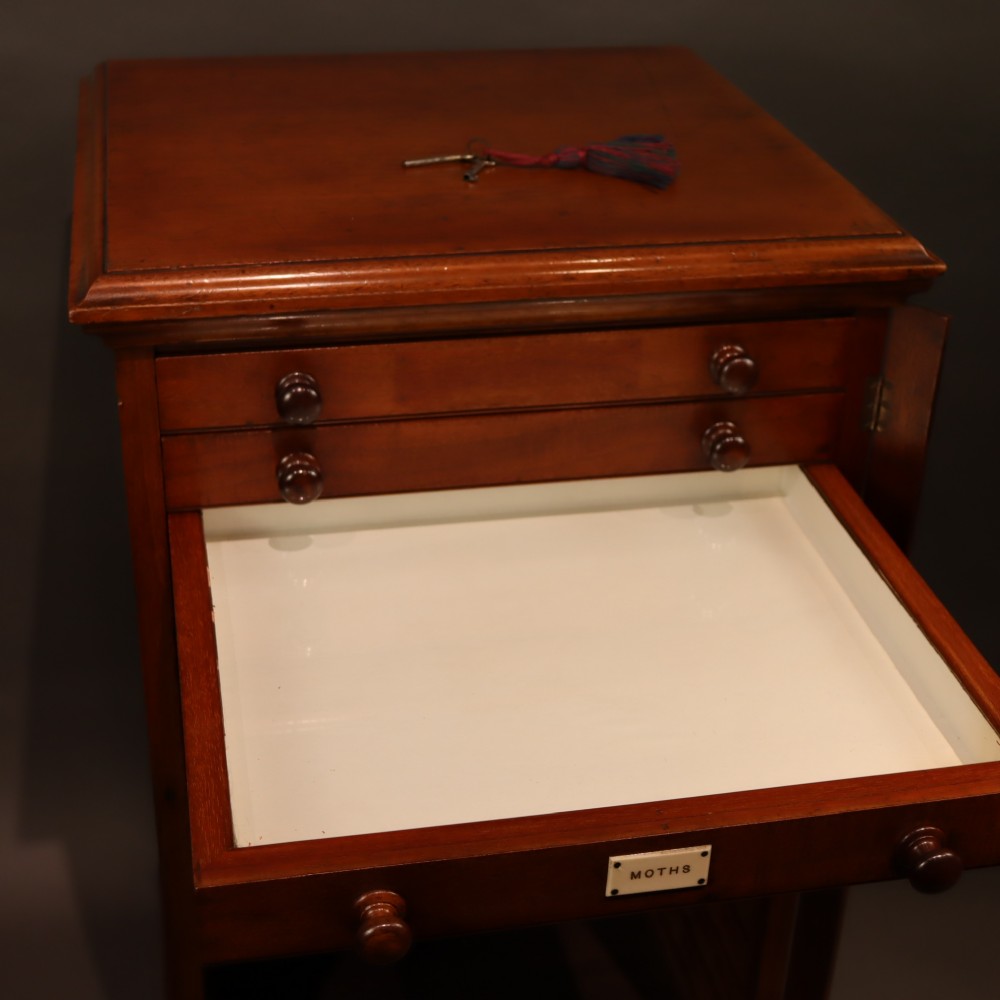
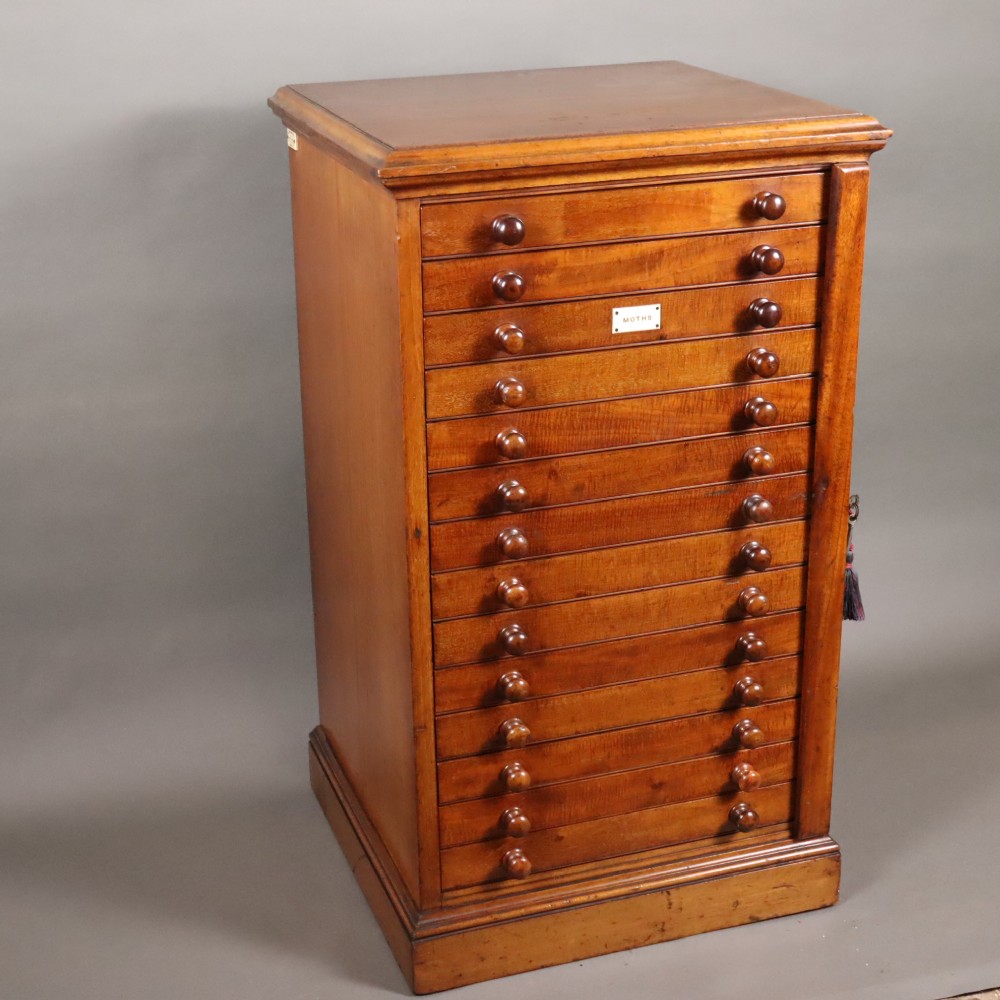
Unusual Watkins & Doncaster Entomology Museum Specimen Cabinet
Status:This item has been sold Sold by:Kendall House Antiques Ltd.
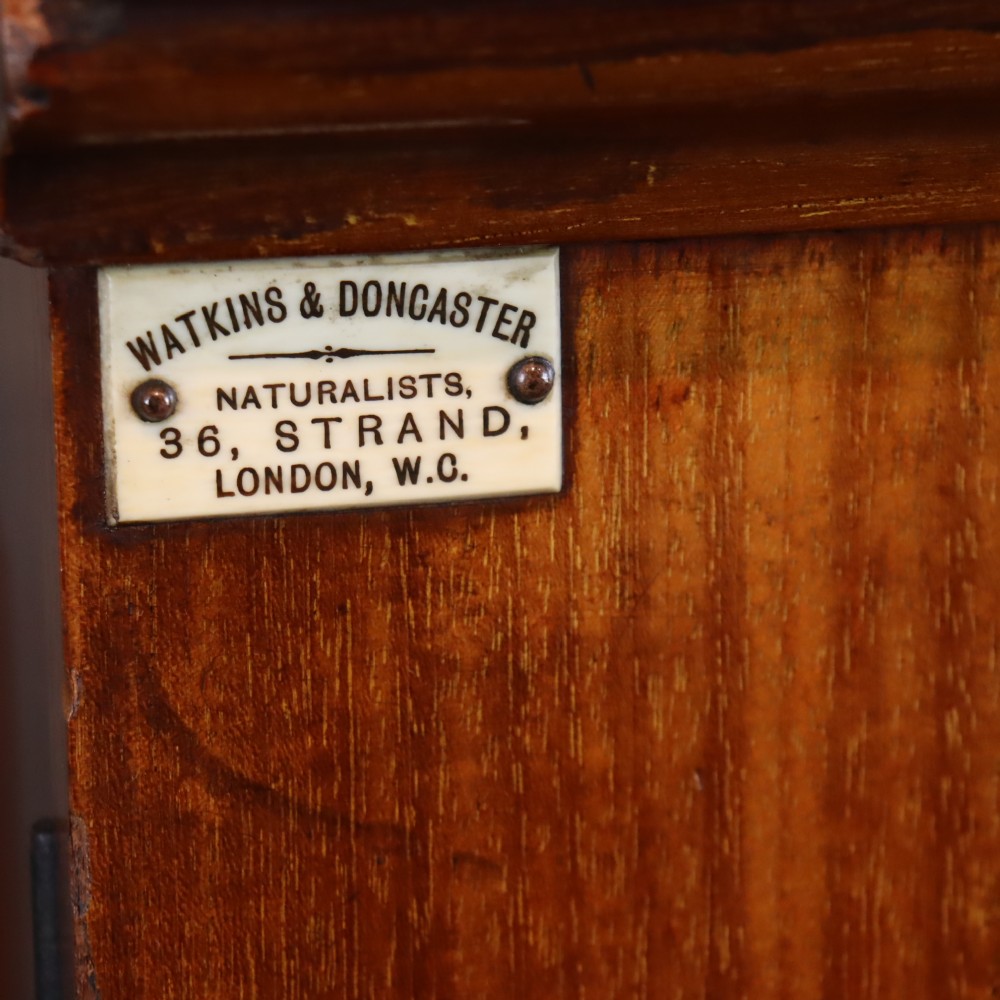
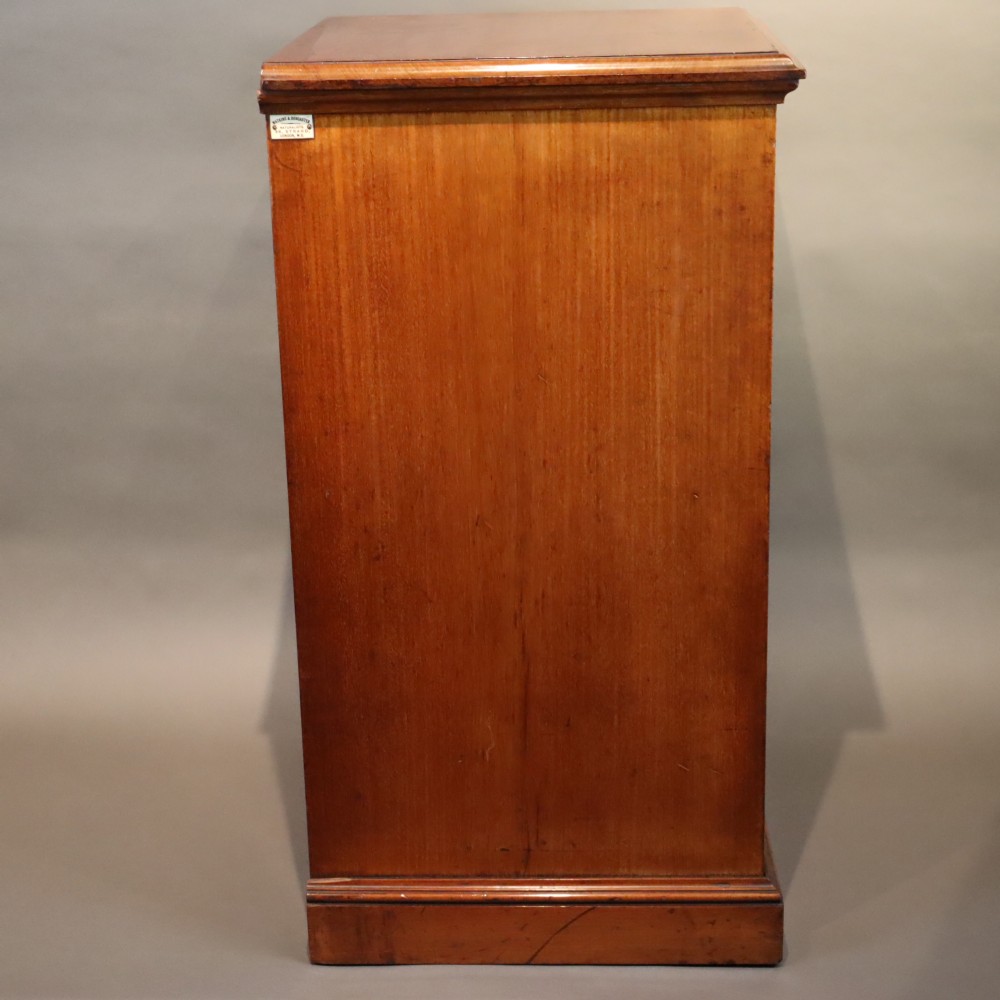
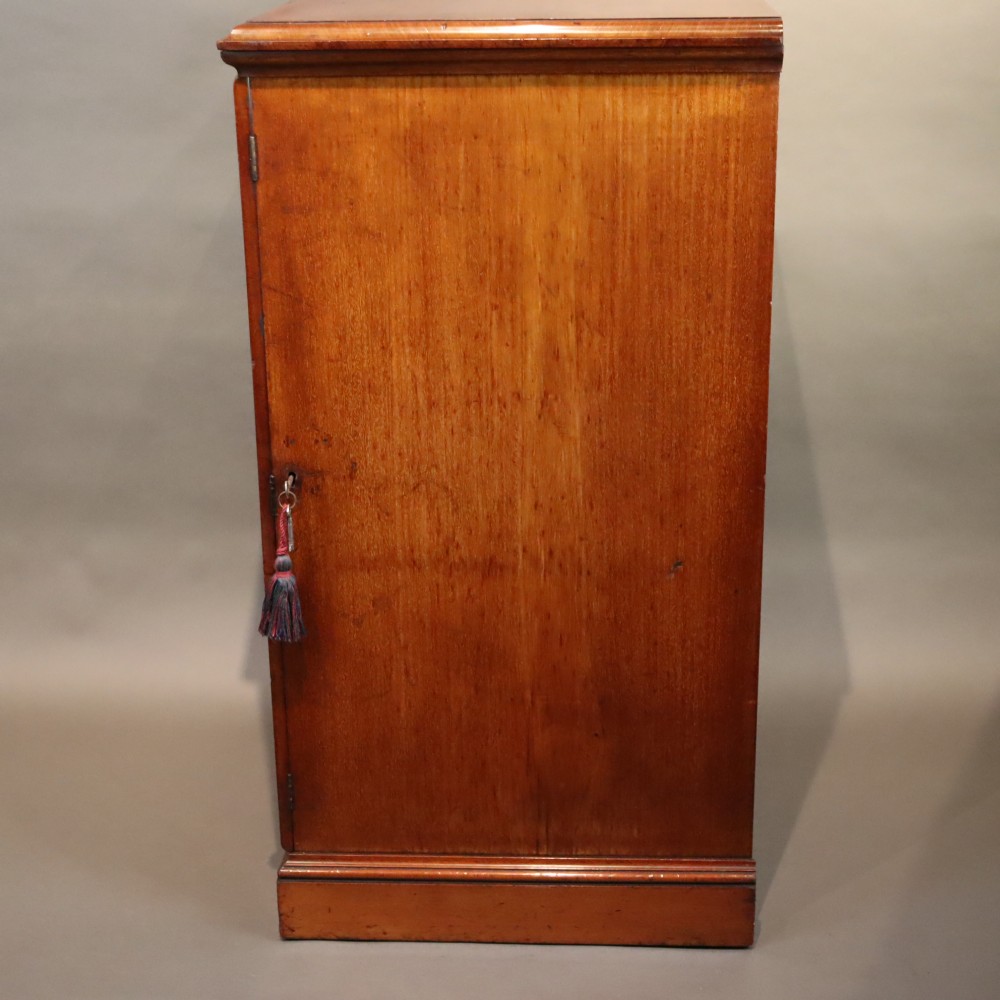
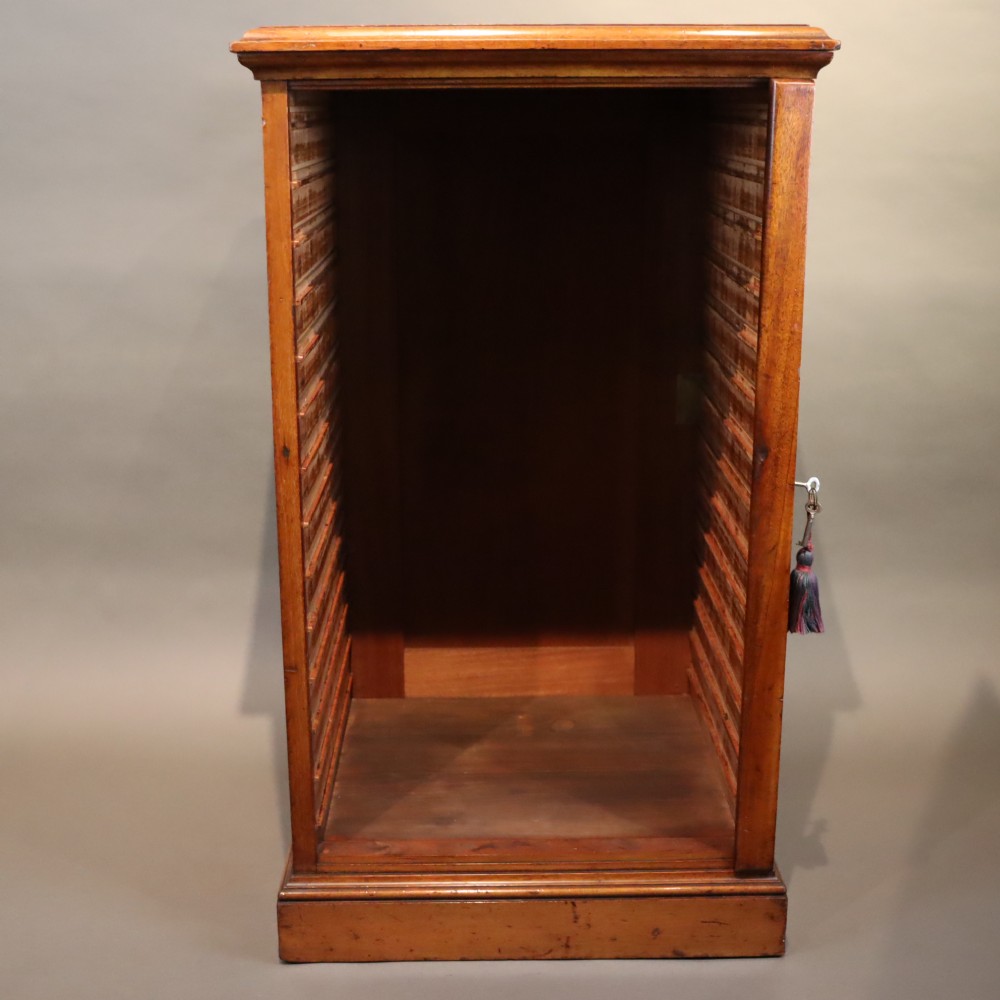
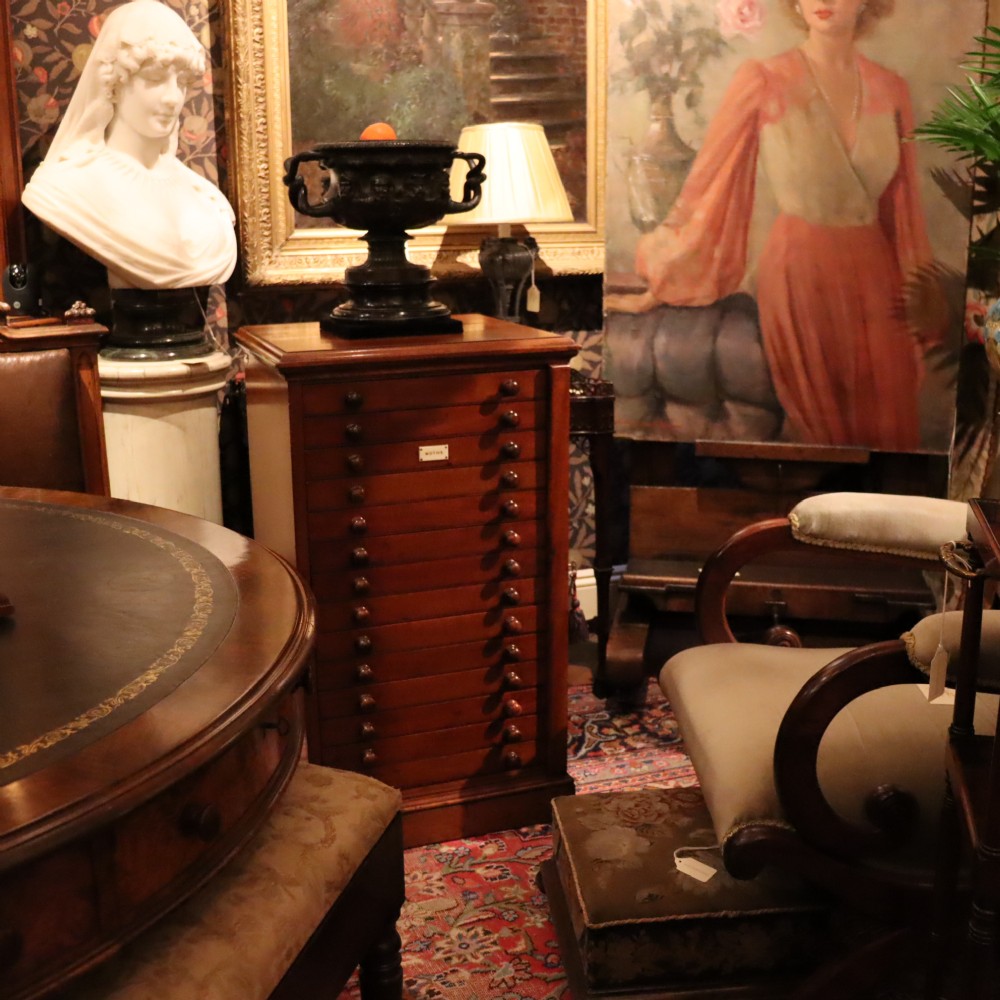
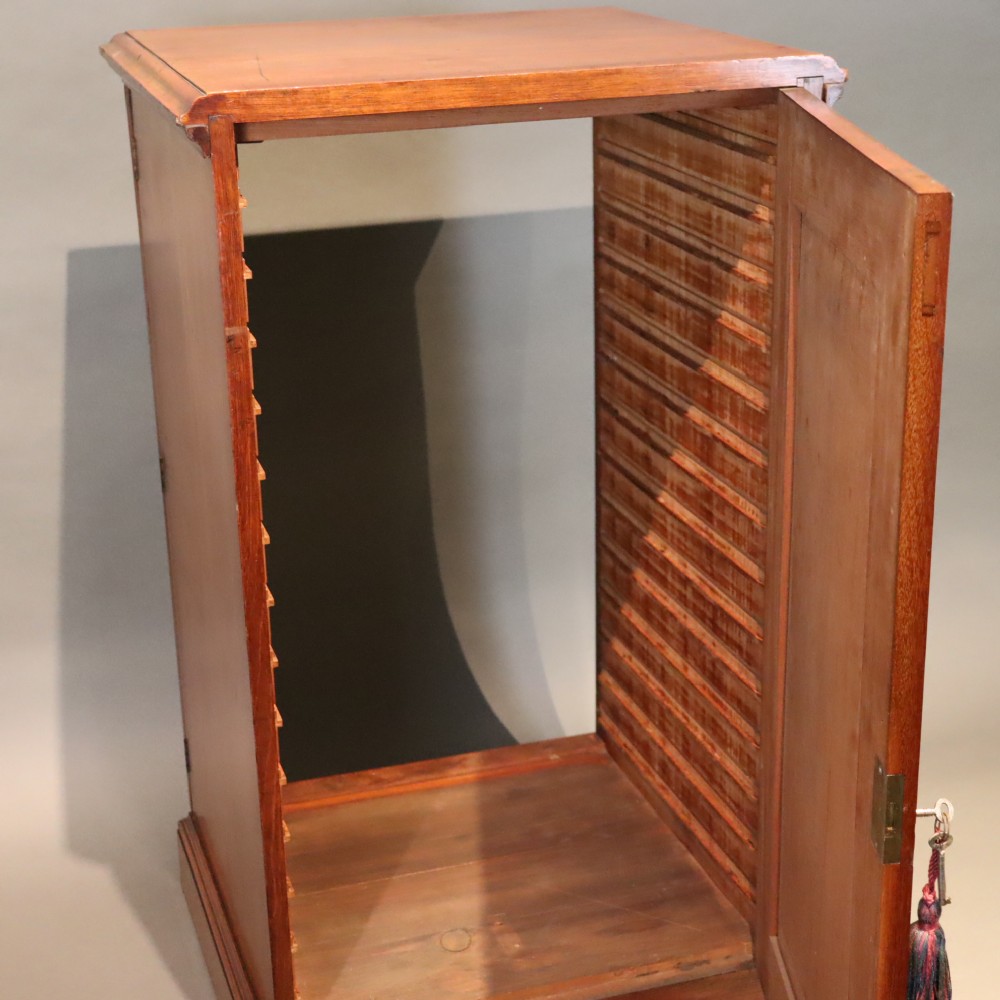
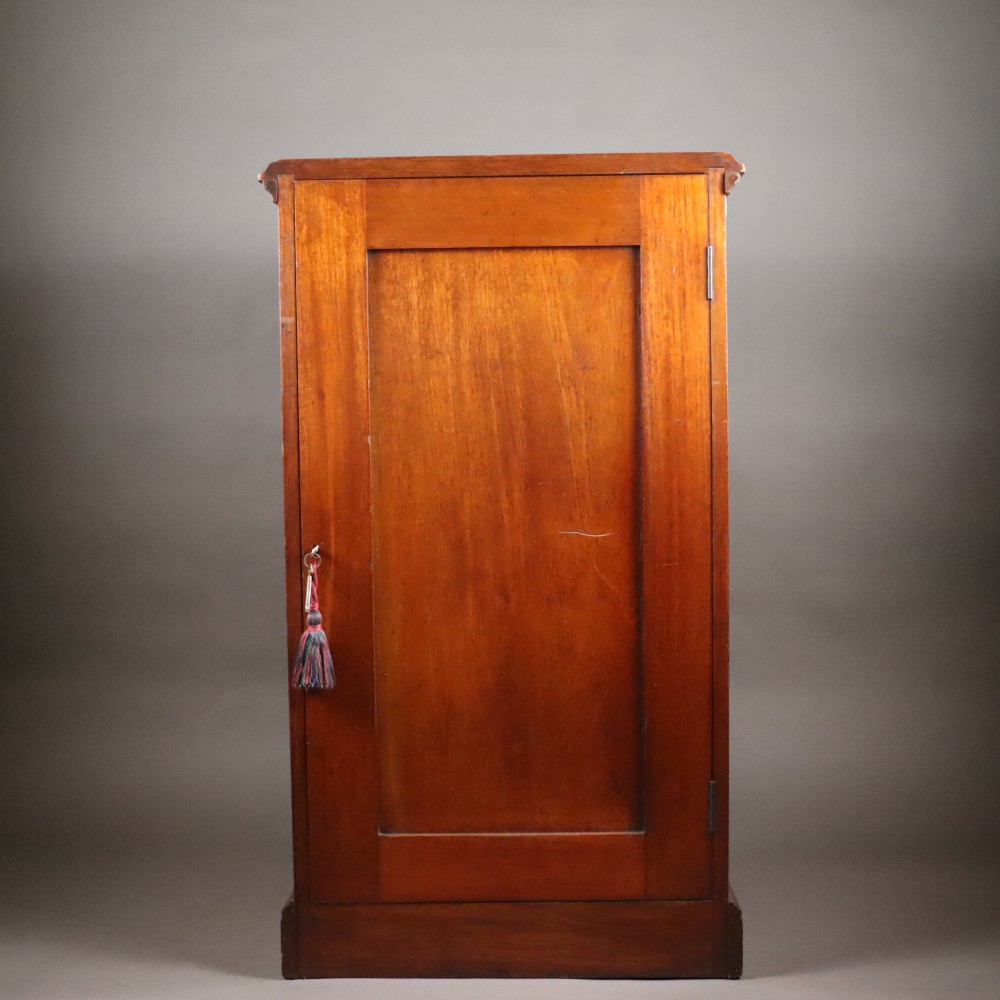
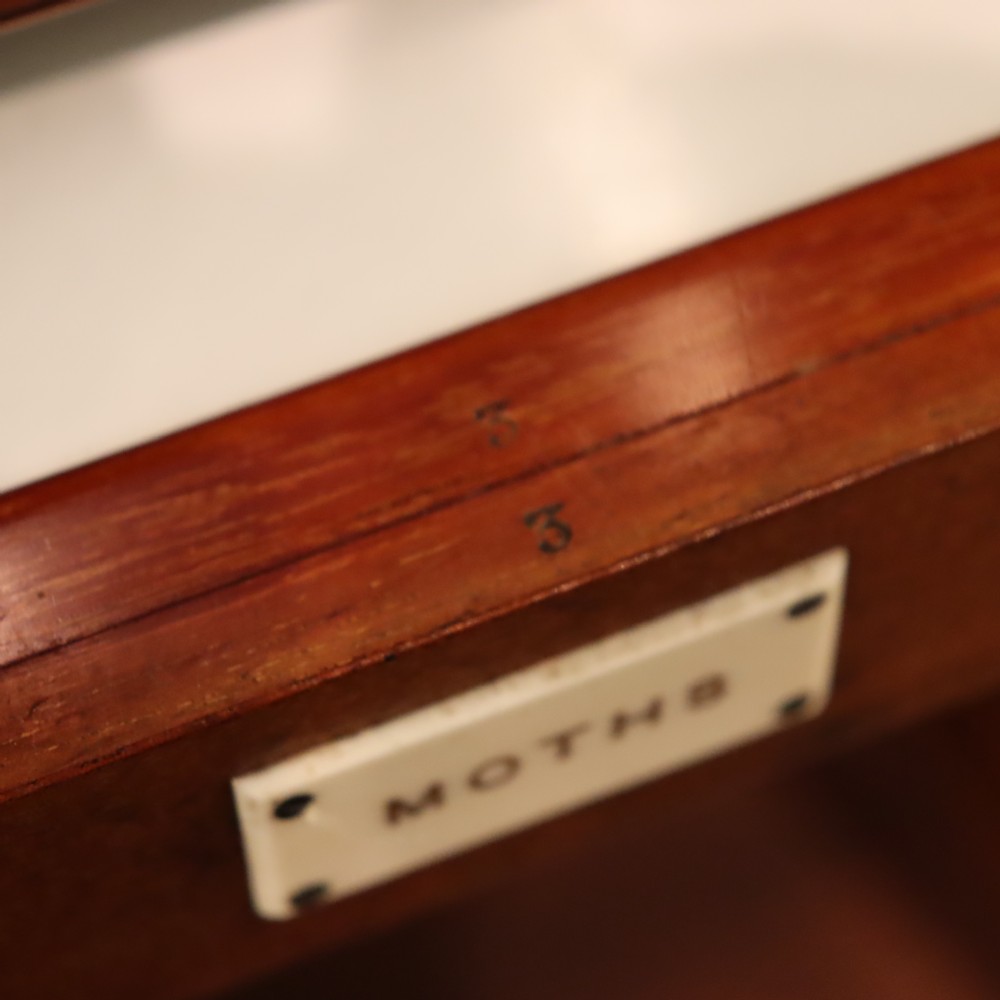
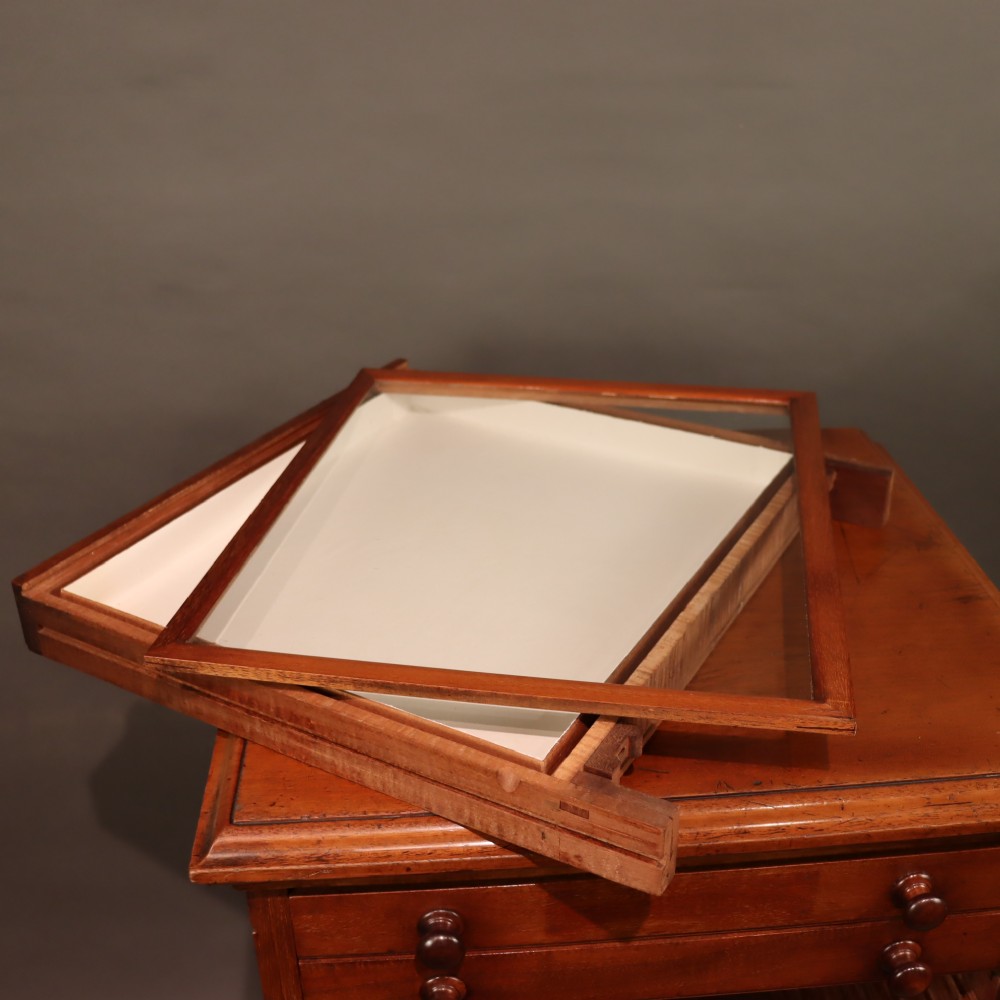
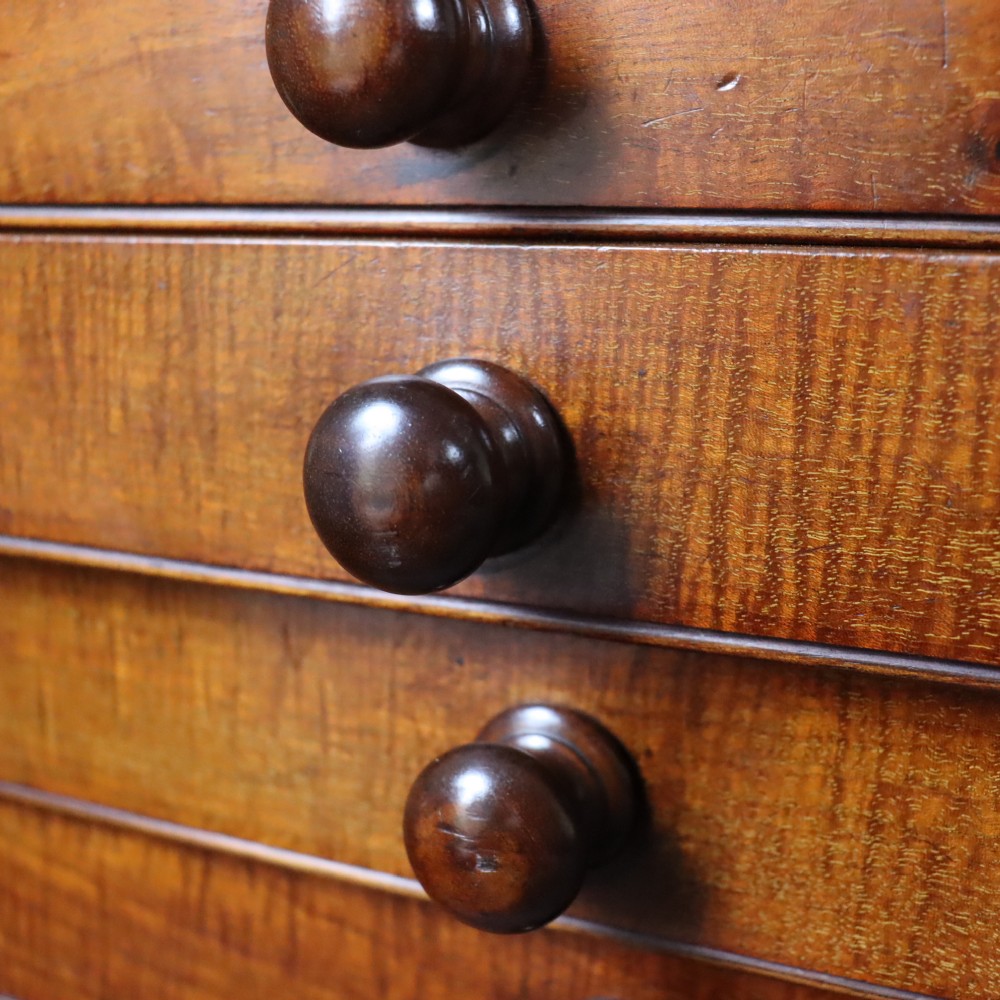
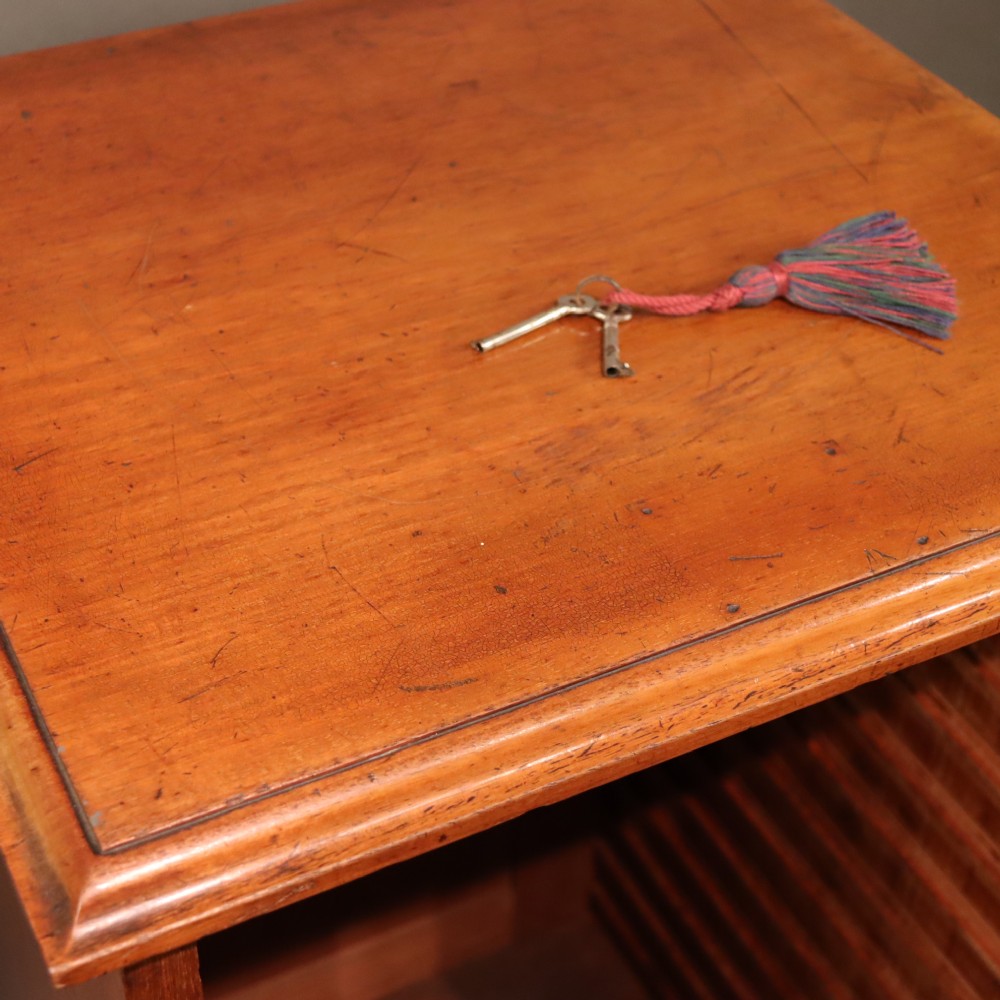
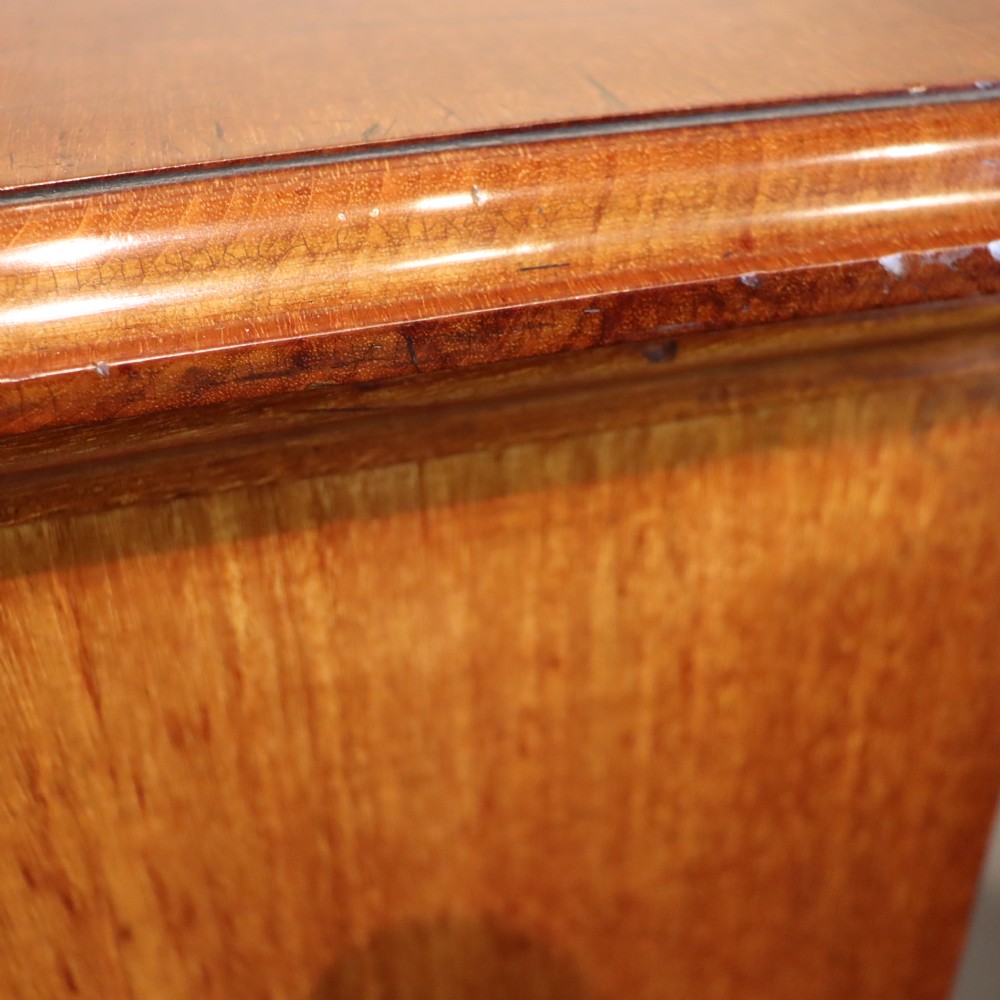
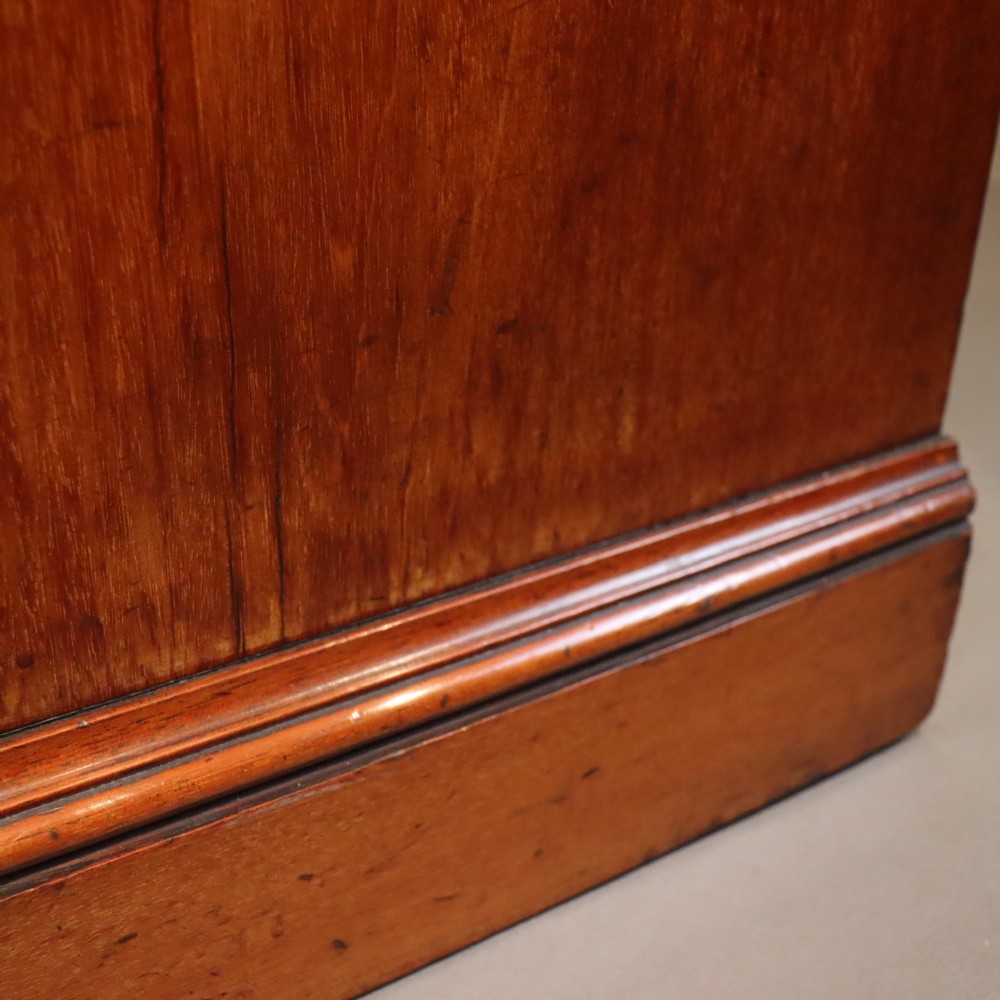
Circa 1880. A high-quality case in solid Mahogany (including the rear of the case) the draw fronts in contrasting fiddle back mahogany. Each draw with a tight-fitting glass lid and numbered 1 -14, additionally all the drawers have a sliding wooden ‘lock’ (museum specification) accessed via a locked wooden door at the back (complete with separate key), these enable only the selected draws to be opened. Additionally, there is the front locking system to all of the draws (complete with separate key). An ivorine plaque to the front reads “MOTHS” plus the firms ivorine trade label is attached to the left hand side of the case.
Provenance: The British Natural History Museum.
Extract from Watkins & Doncaster’ the Firm:
Founded in 1874 by William Watkins in Eastbourne. His house was named ''The Villa Sphinx'' after the Hawkmoth and gained the nickname ''The Villa Stinks'' as a result of the all-pervading smell of moth balls. He established a butterfly farm in his grounds, three-qu...arters of an acre being devoted to rearing Lepidoptera collected from all over the world.
In 1879 Watkins moved the business to 36 The Strand, London and formed a partnership with Arthur Doncaster which only lasted until 1880 when William Watkins left to continue independently.
Arthur Doncaster carried the business on and was a remarkable man. He was completely deaf and speech impaired and all his conversations were carried out on a slate hung around his neck. He became a world authority on tropical butterflies and worked in close conjunction with the British Museum.
Arthur Doncaster had an assistant, Frederick Mette, who later became his partner and finally took over the business when Doncaster retired in the 1930s. He continued until 1939 when he died, and the business ran for about a year with nobody in charge until Richard Ford, a field entomologist, bought the company in 1941.
During the time Richard managed Watkins & Doncaster, the company purchased large entomological collections, this practice continued with William Watkins, Arthur Doncaster and Frederick Mette. These were first offered for inspection to the British Museum (Natural History) now the ‘Natural History Museum’ which resulted over the years in the donation of nearly 27,000 specimens of butterflies and moths to that institution.





Thank you.
Your comment has been sent to Sellingantiques.