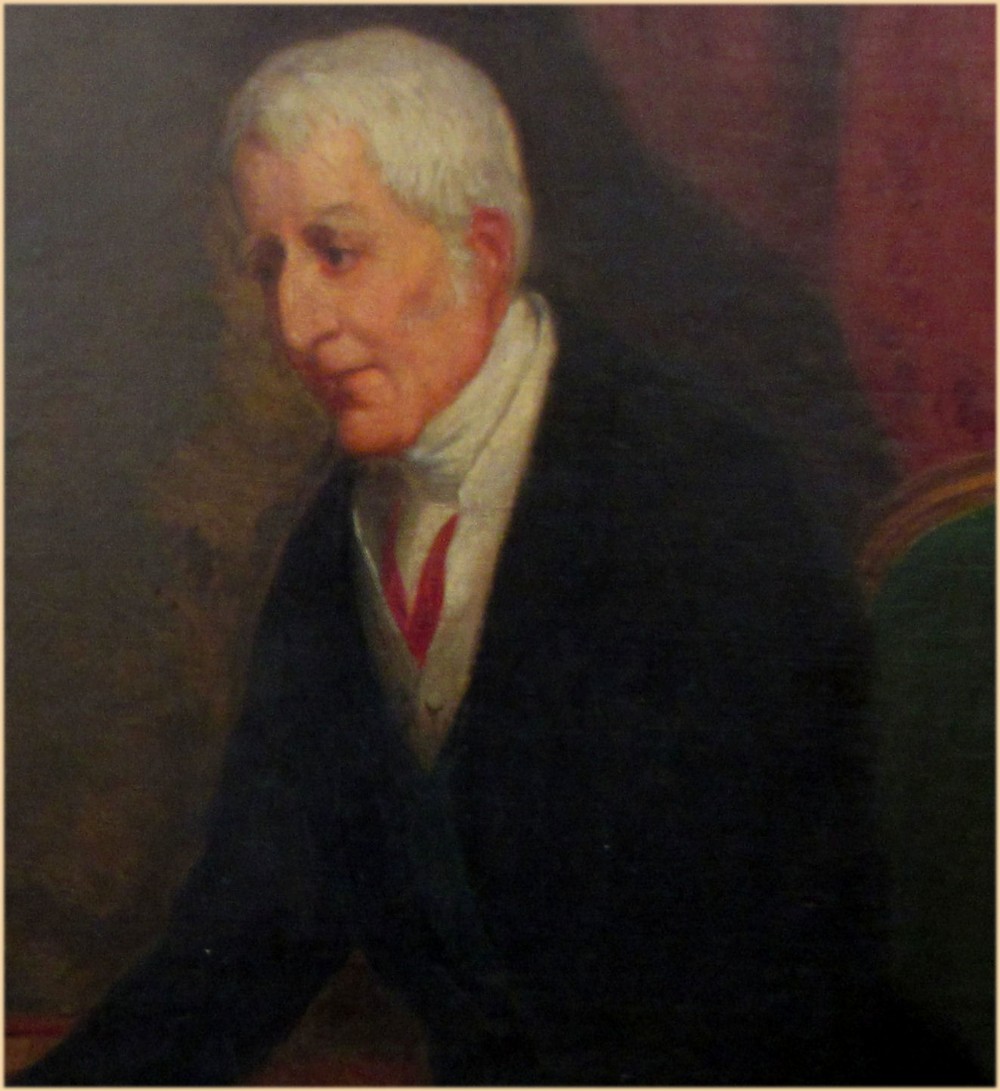
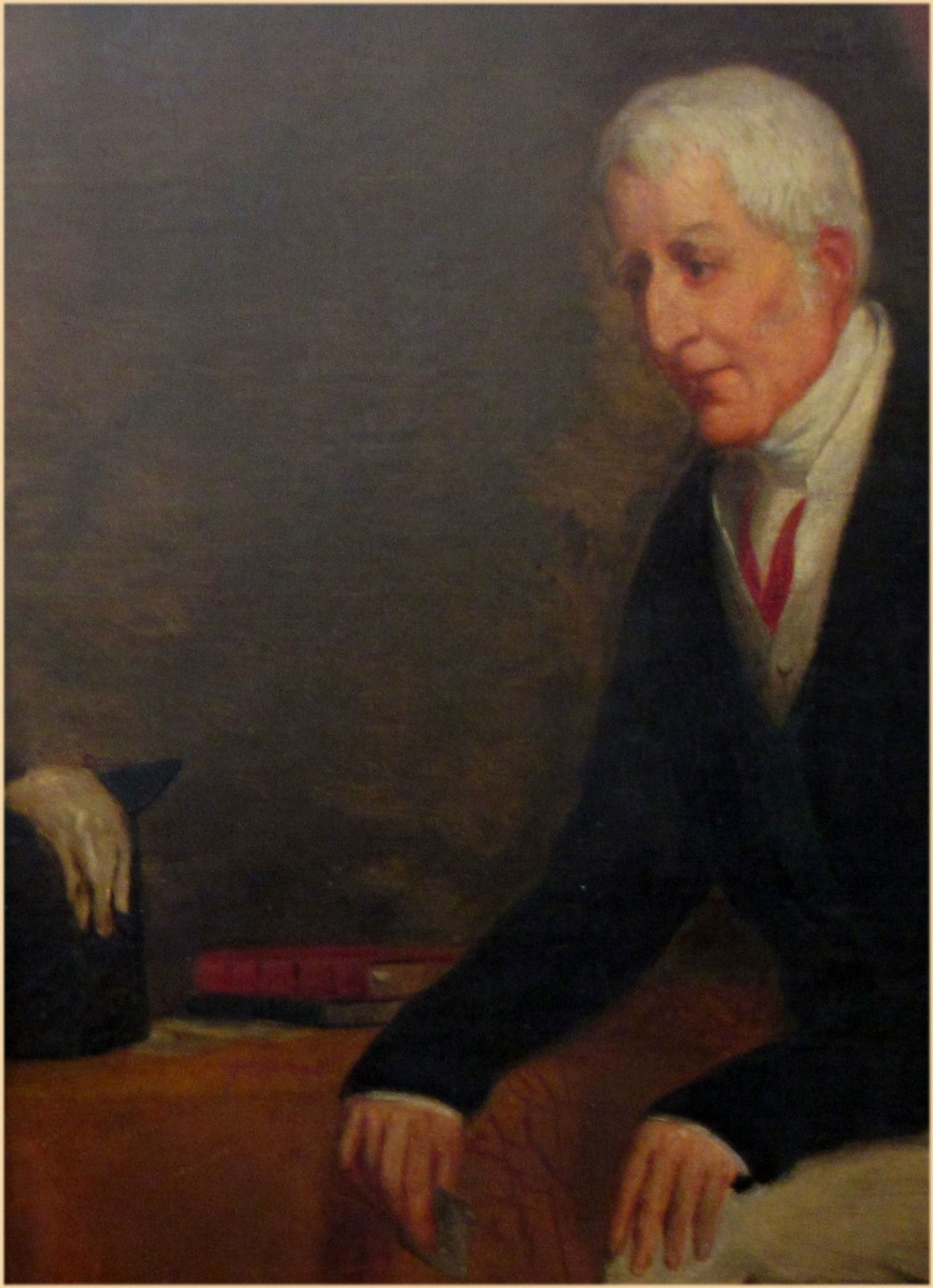
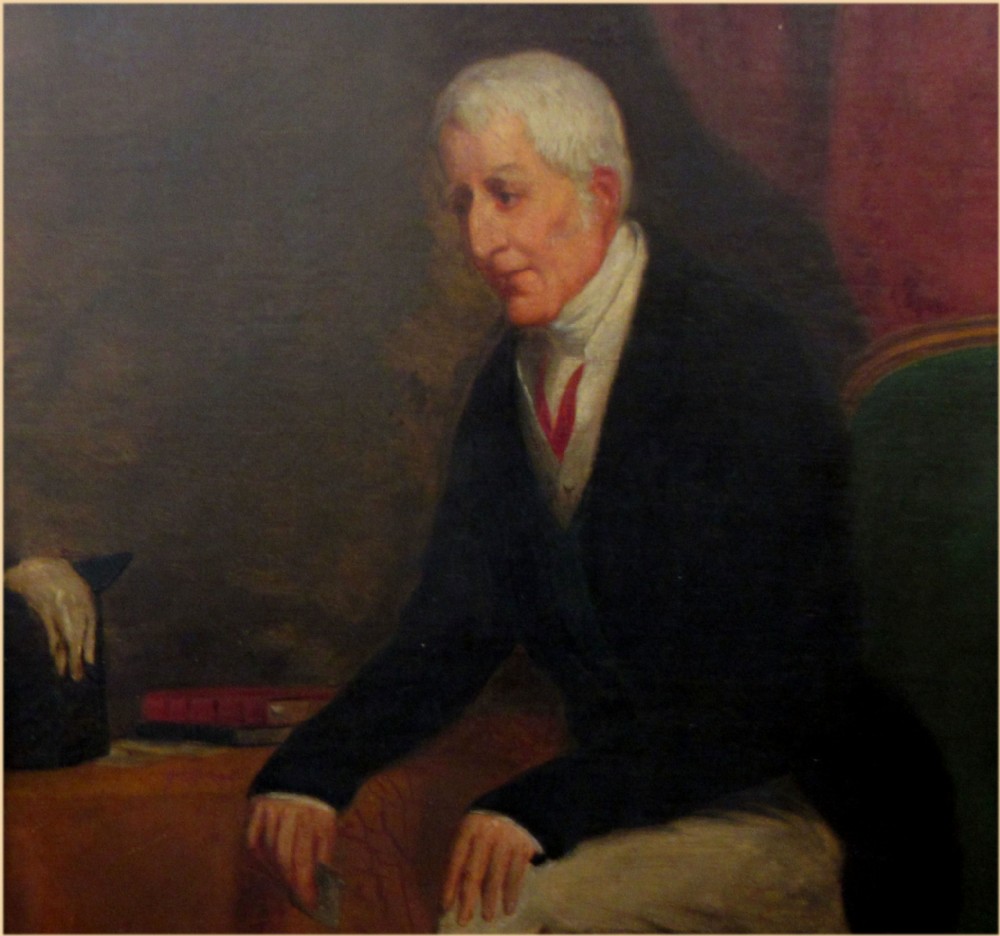
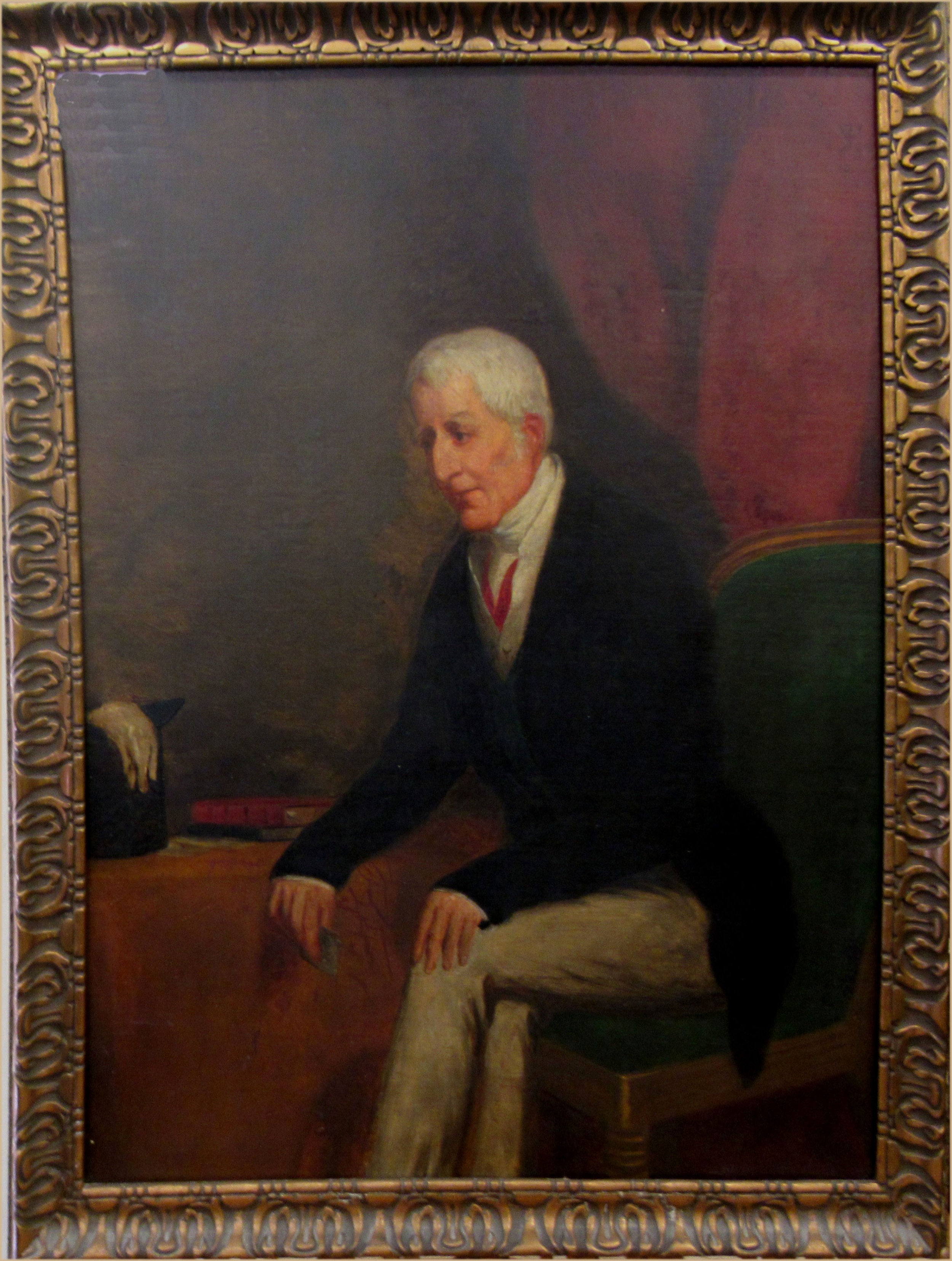
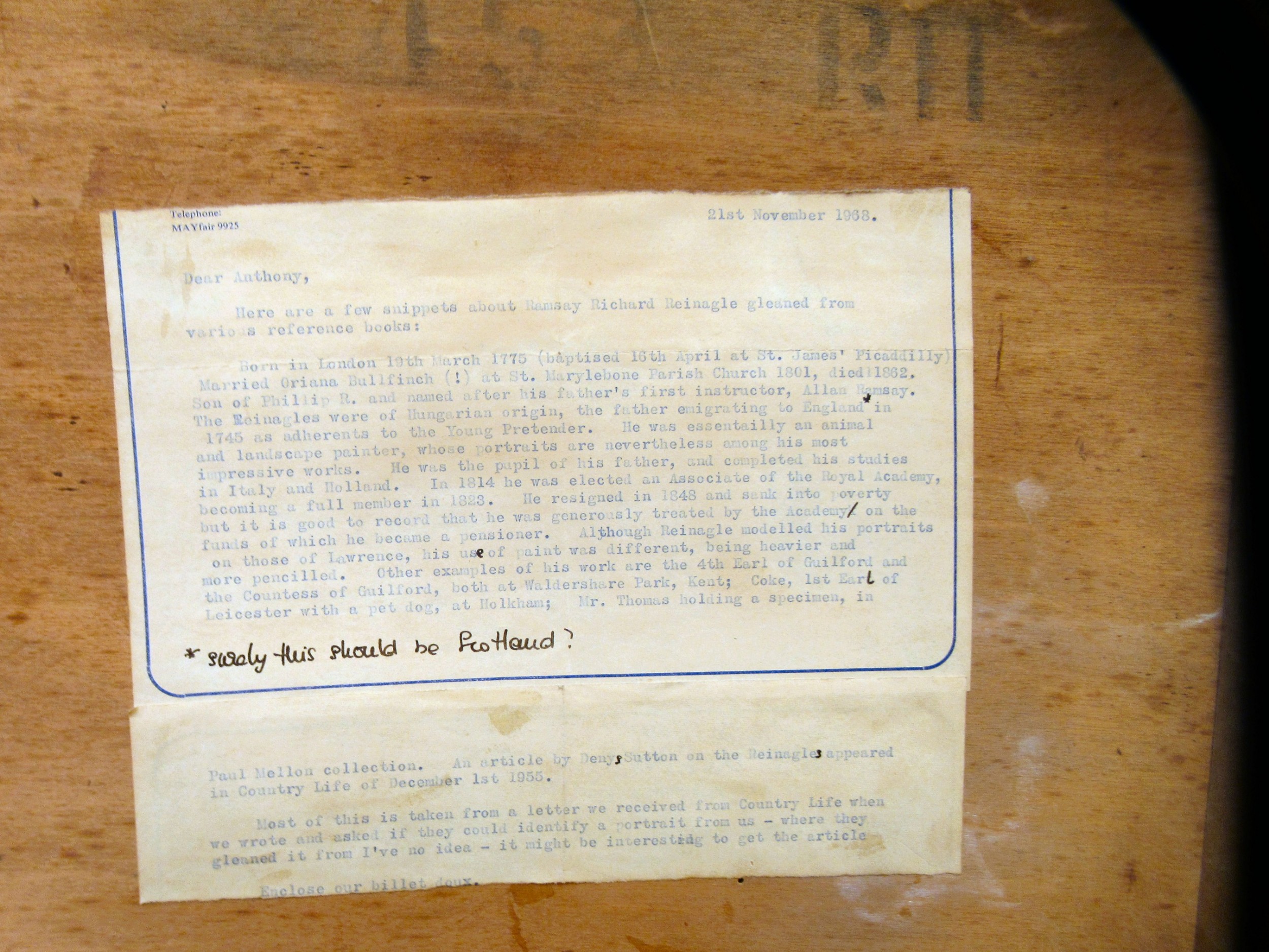
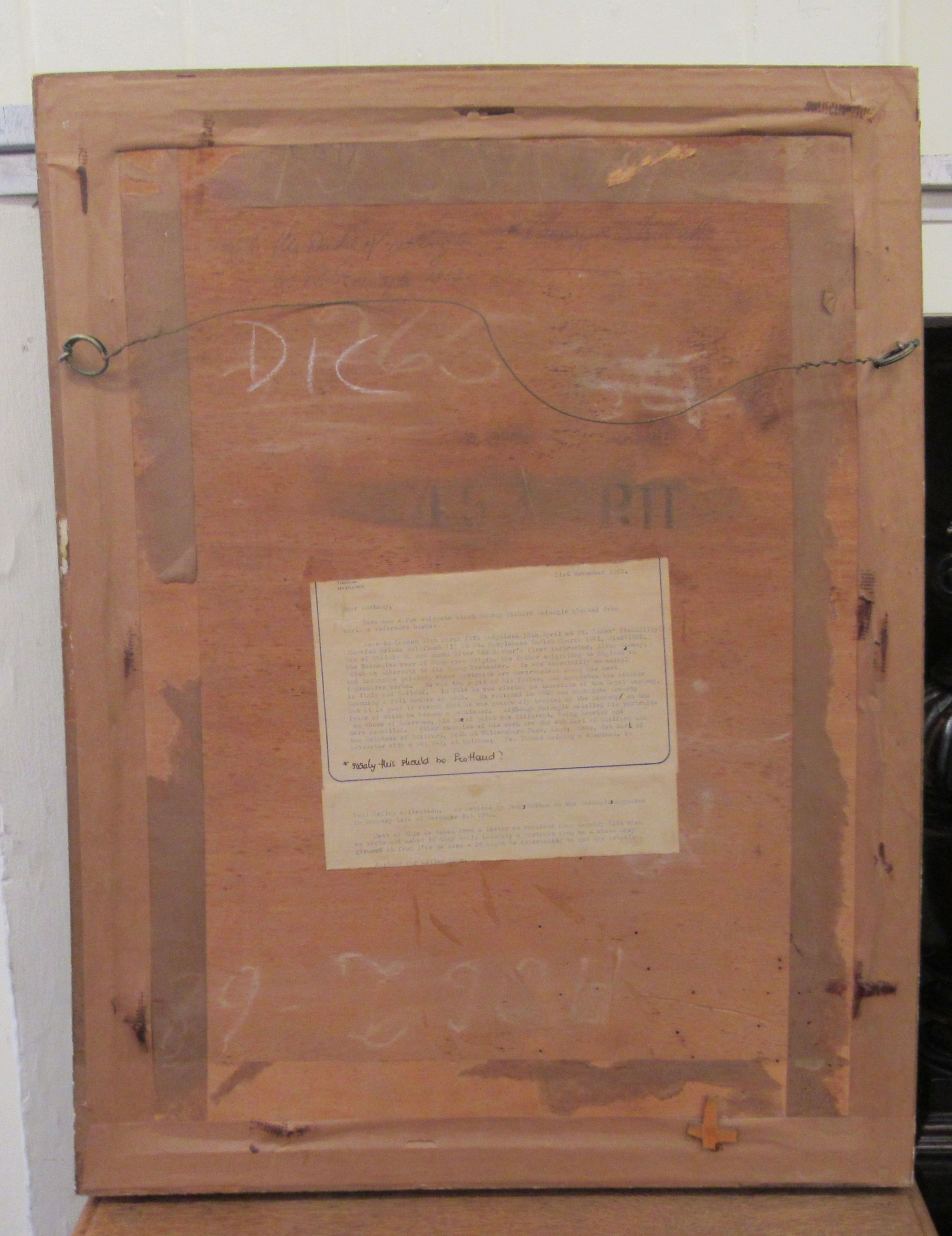
Artware Fineart has dated this Duke of Wellington Portrait to the 19th Century.
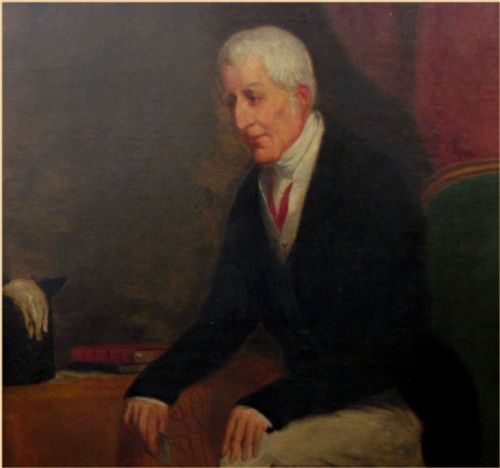
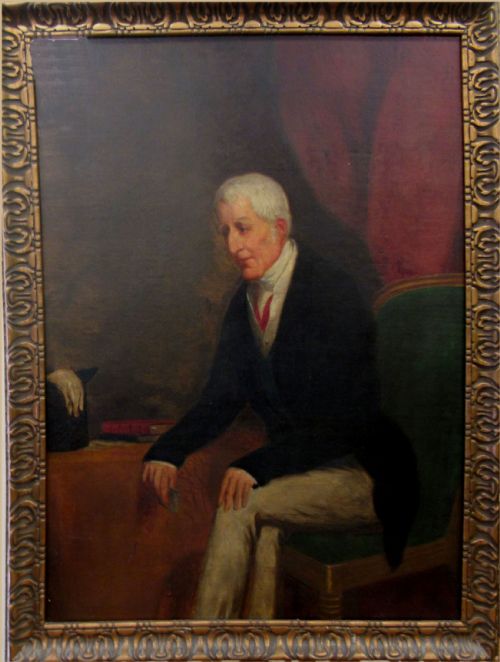
Portrait of Arthur Wellesley, 1st Duke of Wellington, KG, GCB, GCH, PC, FRS (1769 – 1852)
oil on panel
55.88 x 43.18 cm.
In In 1817, eleven years before he became Prime Minister, the Duke of Wellington remarked, ‘Nobody cares a damn for the House of Lords; the House of Commons is everything in England and the House of Lords nothing’. Events leading to the passage of the 1832 Reform Act appeared to confirm Wellington’s view, bringing down his government, with the Lords eventually forced to yield to the Lower House to pass the Act. Yet Wellington noted in a more reflective mood in 1835 that ‘the House of Lords still constitutionally possesses great power over the legislation of the country’.
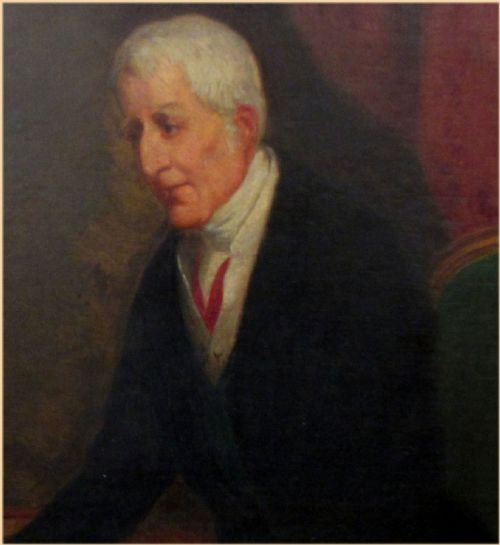
In 1850 he stood godfather to the third of the queen's sons, and he was painted in 1851 in the well-known group by Winterhalter with his godson, the queen, and Prince Albert, and the exhibition building in the background.This portrait was painted in the same year.
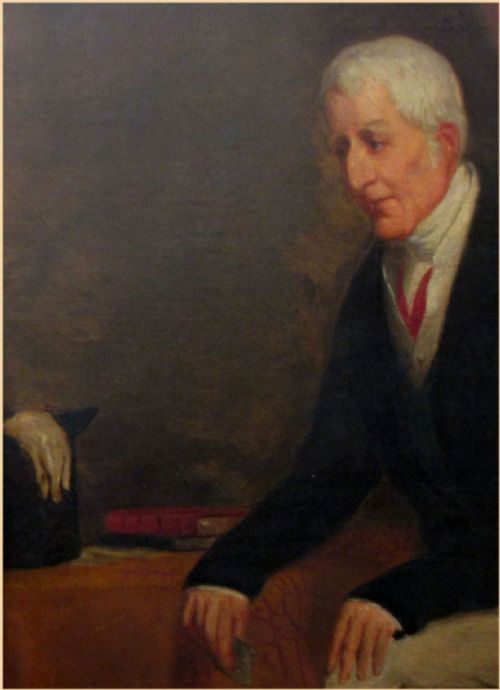
He was a frequent visitor to the Great Exhibition of 1851, and Cobden noted with vexation that when he entered ‘all other objects of interest sank to insignificance.’ He was in his usual health till September 1852, and on the 13th he drove over to Dover from Walmer. He returned to dinner two hours later than usual, was very hungry, and ate hastily and heartily. He had a fit in the night, and in the course of the 14th he gradually sank, and died in the afternoon. Palmerston who so often differed from him, wrote:
Old as he was, and both bodily and mentally enfeebled by age, he still is a great loss to the country. His name was a tower of strength abroad and his opinions and counsel were valuable at home. No man ever lived or died in the possession of more unanimous love, respect, and esteem from his countrymen.
Arthur Wellesley, the first Duke of Wellington and one of England's greatest military leaders, served as Prime Minister from 22 January 1828 to 16 November 1830 and again from 17 November to 9 December 1834. The third son (the fourth child of six) born to Garrett Wesley, first Earl of Mornington and Anne Hill, the man later known as "the Iron Duke" was born in Dublin on 1 May 1769. The family was from the Anglo-Irish ascendancy and Wellington maintained links with his Irish family and friends throughout his life. He was educated at the Diocesan School at Trim in County Meath; between 1781 and 1784 he attended Eton and then was tutored privately by the Rev. Henry Michell in Brighton. In 1785 he went to Brussels where he was again tutored privately. He had little interest in education and appeared to be uncomfortable with society life.
In order to find something which "poor Arthur" could do, his parents purchased a commission as an ensign for him in the 73rd Regiment of Foot in May 1787; in December he became a Lieutenant in the 76th Foot and the following month he transferred to the 41st in Dublin. Later he moved to the 12th Light Dragoons. When he arrived in Dublin, he became aide-de-camp to the Lord Lieutenant of Ireland and served in that post until March 1793.
On 30 April 1790 Wellington was elected to the Irish parliament in Dublin as MP for Trim even though he was under age at the time. He continued to represent the constituency until 1797 when he left to go to India. He also continued in the army, moving up in rank through the purchase system:
30 June 1791 Captain in the 58th Foot
30 April 1793 Major in the 33rd Foot
September 1793 Lieutenant-Colonel
May 1796 Colonel
Wellington saw active service for the first time between June 1794 and April 1795 when his regiment was posted to the Netherlands in the early stages of the French Wars.
Artware Fineart has dated this Duke of Wellington Portrait to the 19th Century.
You can view the stock and full dealer information on the Artware Fineart Profile Page
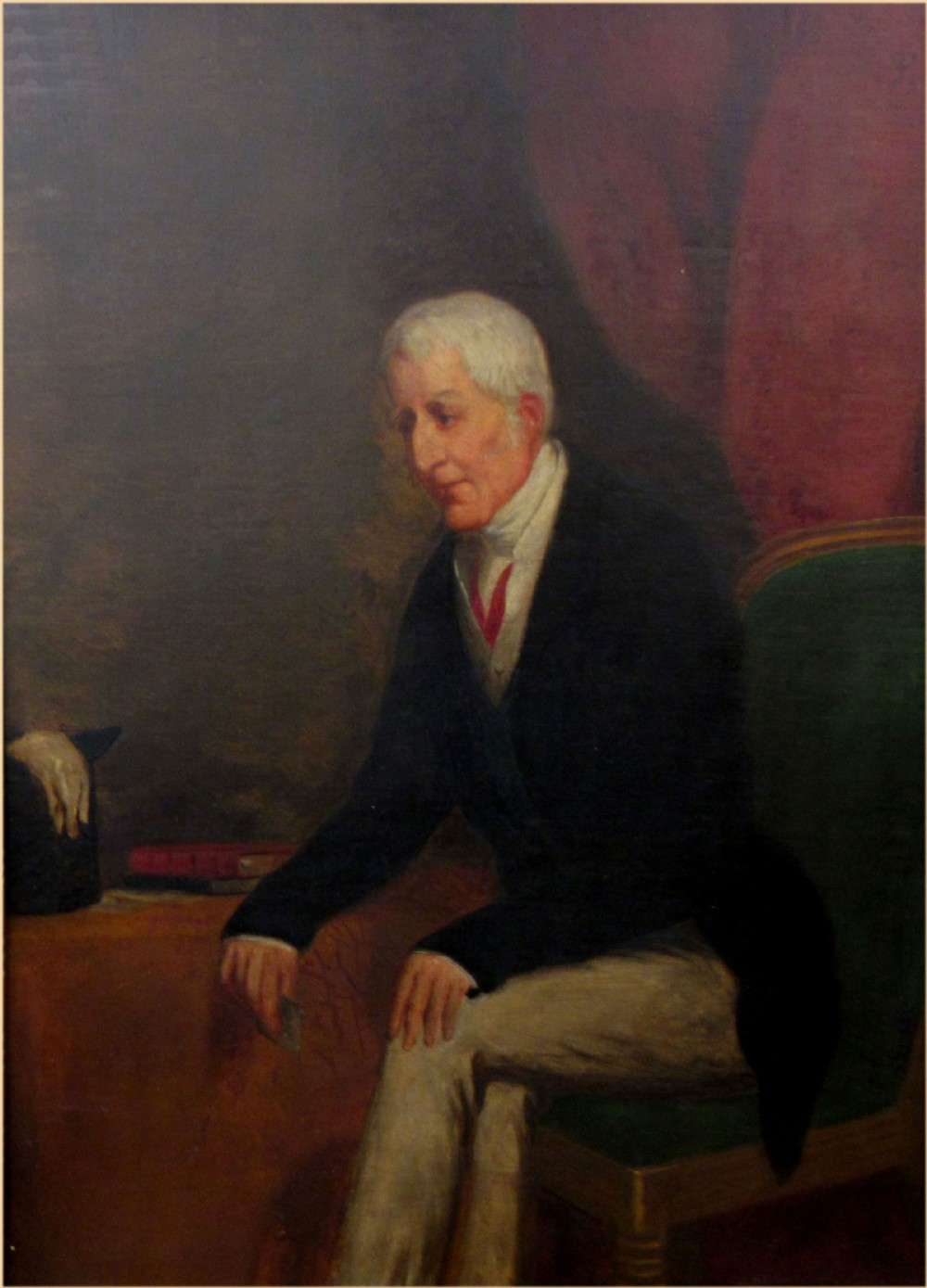
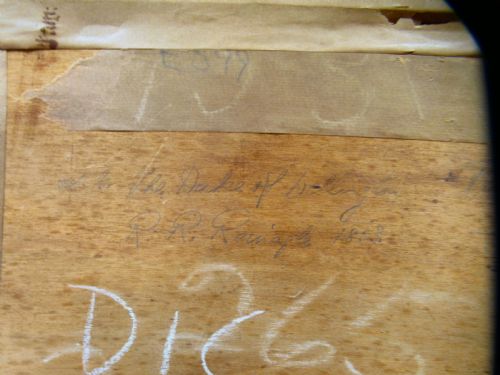
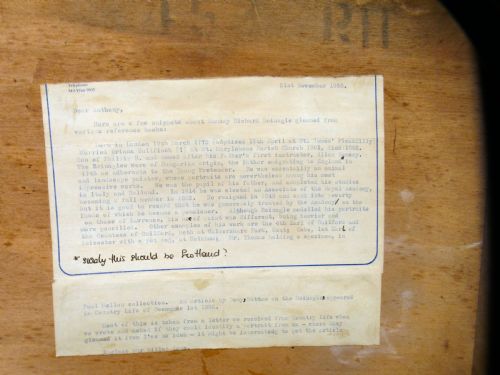
Ramsay Richard Reinagle Ra 1775 – 1862 Portrait of Arthur Wellesley, 1st Duke of Wellington, Kg, Gcb, Gch, Pc, Frs (1769 – 1852)