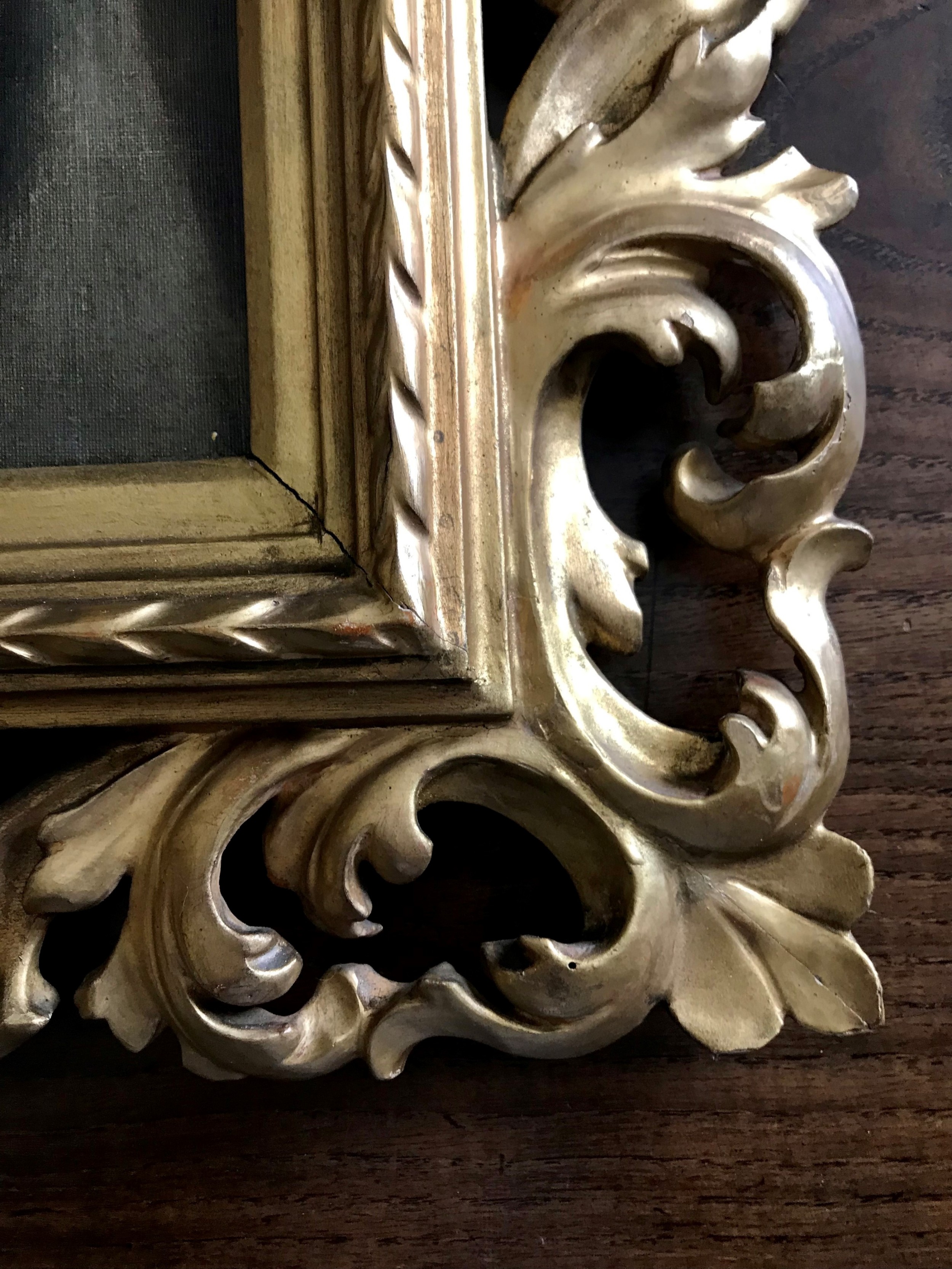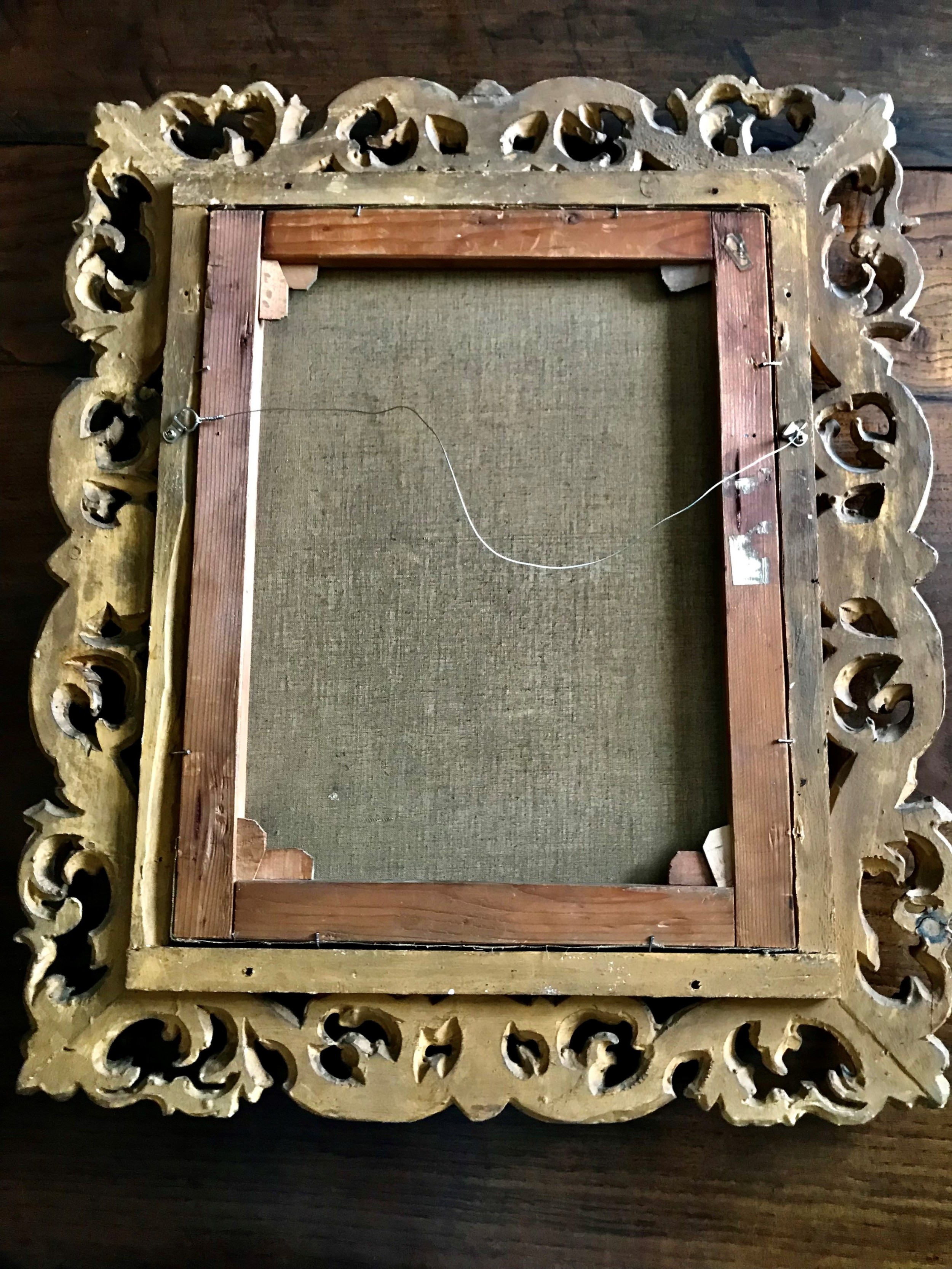
Roy Precious - Antiques & Fine Art has dated this piece to the 19th Century.
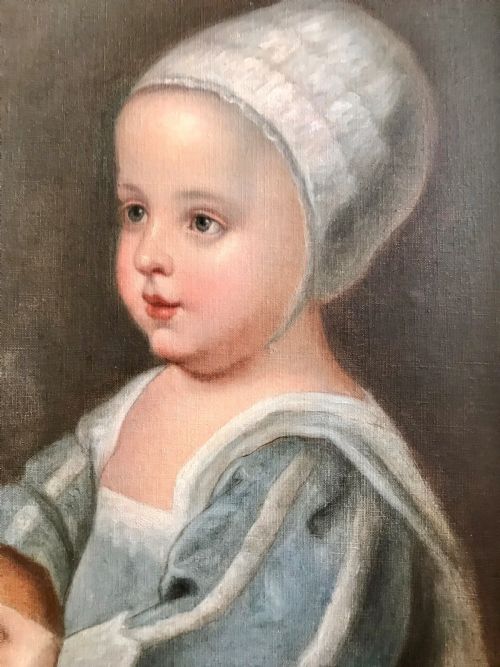
JAMES II (1633 – 1701) was King of England and Ireland as James II, and King of Scotland as James VII from the death of his elder brother, Charles II, on 6 February 1685. He was deposed in the Glorious Revolution of 1688. He was the last Catholic monarch of England, Scotland, and Ireland. His reign is now remembered primarily for conflicts over religious tolerance, but it also involved struggles over the principles of absolutism and the divine right of kings. His deposition ended a century of political and civil strife in England by confirming the primacy of the English Parliament over the Crown.
James inherited the thrones of England, Ireland, and Scotland from his brother with widespread support in all three countries, largely because the principles of eligibility based on divine right and birth were widely accepted. Tolerance of his personal Catholicism did not extend to tolerance of Catholicism in general, and the English and Scottish Parliaments refused to pass his measures. When James attempted to impose them by decree, this was met with opposition; some academics have however argued that it was a political principle, rather than a religious one, that ultimately led to his removal.
In June 1688, two events turned dissent into a crisis; the first, on 10 June, was the birth of James's son and heir James Francis Edward, which raised the prospect of initiating a Roman Catholic dynasty and excluding his Anglican daughter Mary and her Protestant husband William III of Orange. The second was the prosecution of the Seven Bishops for seditious libel; this was viewed as an assault on the Church of England and their acquittal on 30 June destroyed his political authority in England. The anti-Catholic riots in England and Scotland that ensued led to a general feeling that only his removal from the throne could prevent a civil war.
James fled to France and William and Mary took the throne.
ANTHONY VAN DYKE 22 (March 1599 – 9 December 1641) was a Flemish Baroque artist who became the leading court painter in England after success in the Southern Netherlands and Italy.
He is best known for his portraits of the aristocracy, most notably Charles I, and his family and associates. Van Dyck became the dominant influence on English portrait-painting for the next 150 years. His superb brushwork, apparently rather quickly painted, can usually be distinguished from the large areas painted by his many assistants. His portrait style changed considerably between the different countries he worked in, culminating in the relaxed elegance of his last English period. His influence extends into the modern period. During his lifetime, Charles I granted him a knighthood, and he was buried in St Paul's Cathedral, an indication of his standing at the time of his death.
SIZE: 25.5 x 21.5 inches including the frame.
PROVENANCE: Yorkshire Private Collection.
Roy Precious - Antiques & Fine Art has dated this piece to the 19th Century.
Roy and nadine precious: specialists in portraiture from the 16th to the 20th century. Established in 1972.
You can view the stock and full dealer information on the Roy Precious - Antiques & Fine Art Profile Page
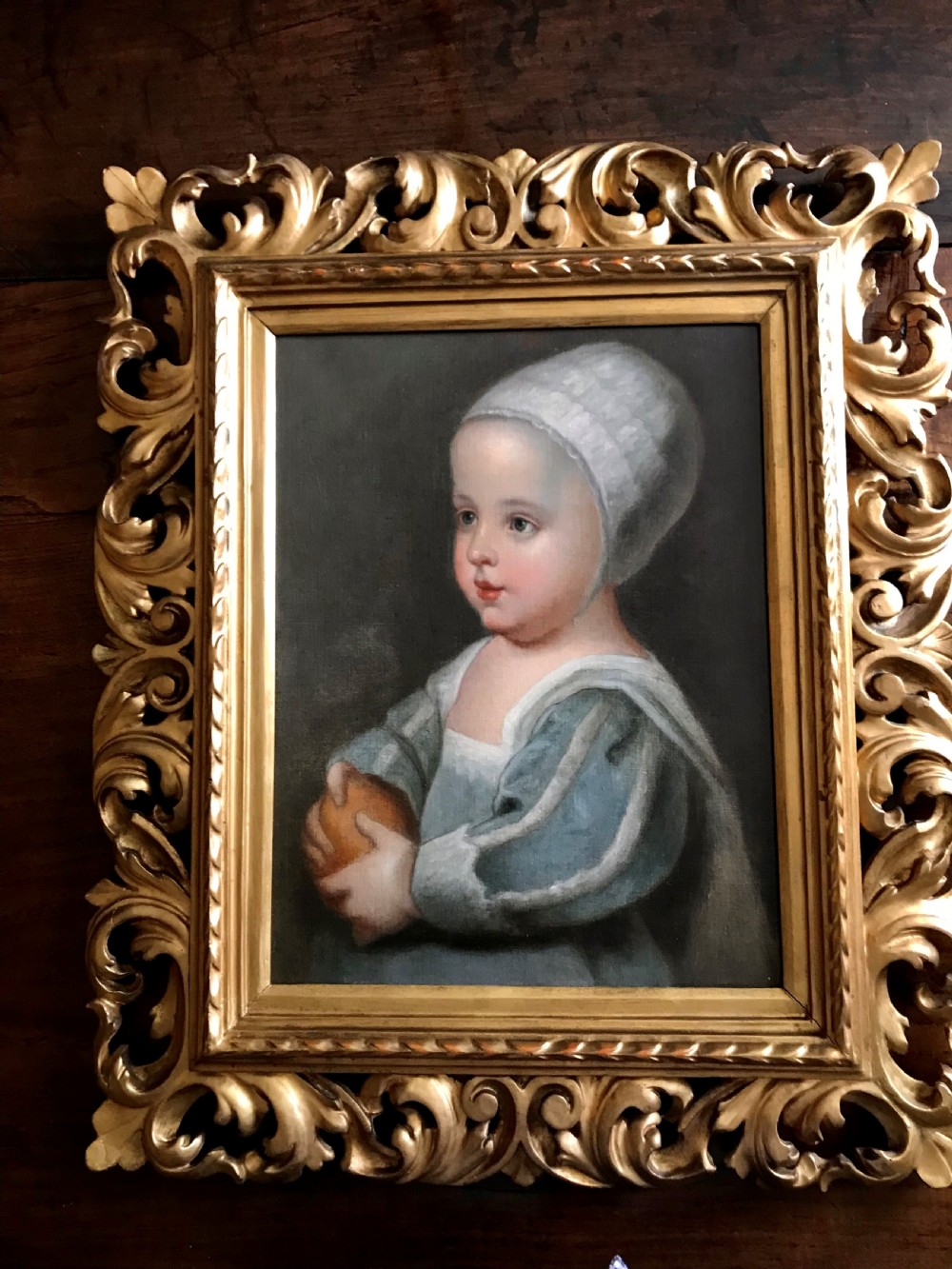

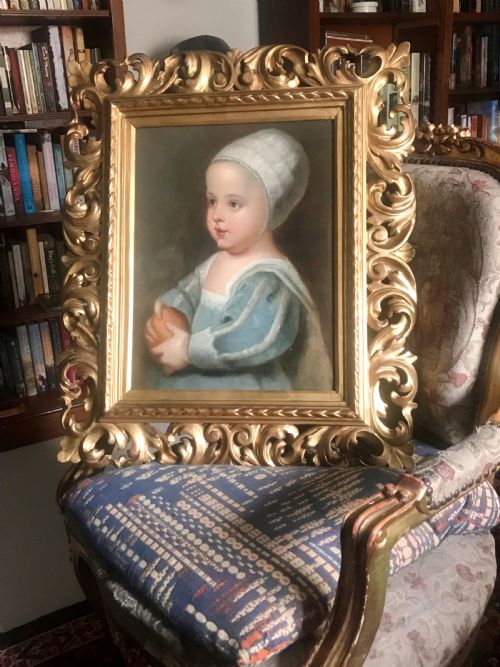
Portrait of Prince James Stuart as a Child; After Van Dyck.