33,168  PAGES BROWSED TODAY PAGES TODAY 70  ANTIQUES UPLOADED TODAY NEW ARRIVALS
Sort Order
Items Per Page
ID #SA924690
SOLD
Email
Save
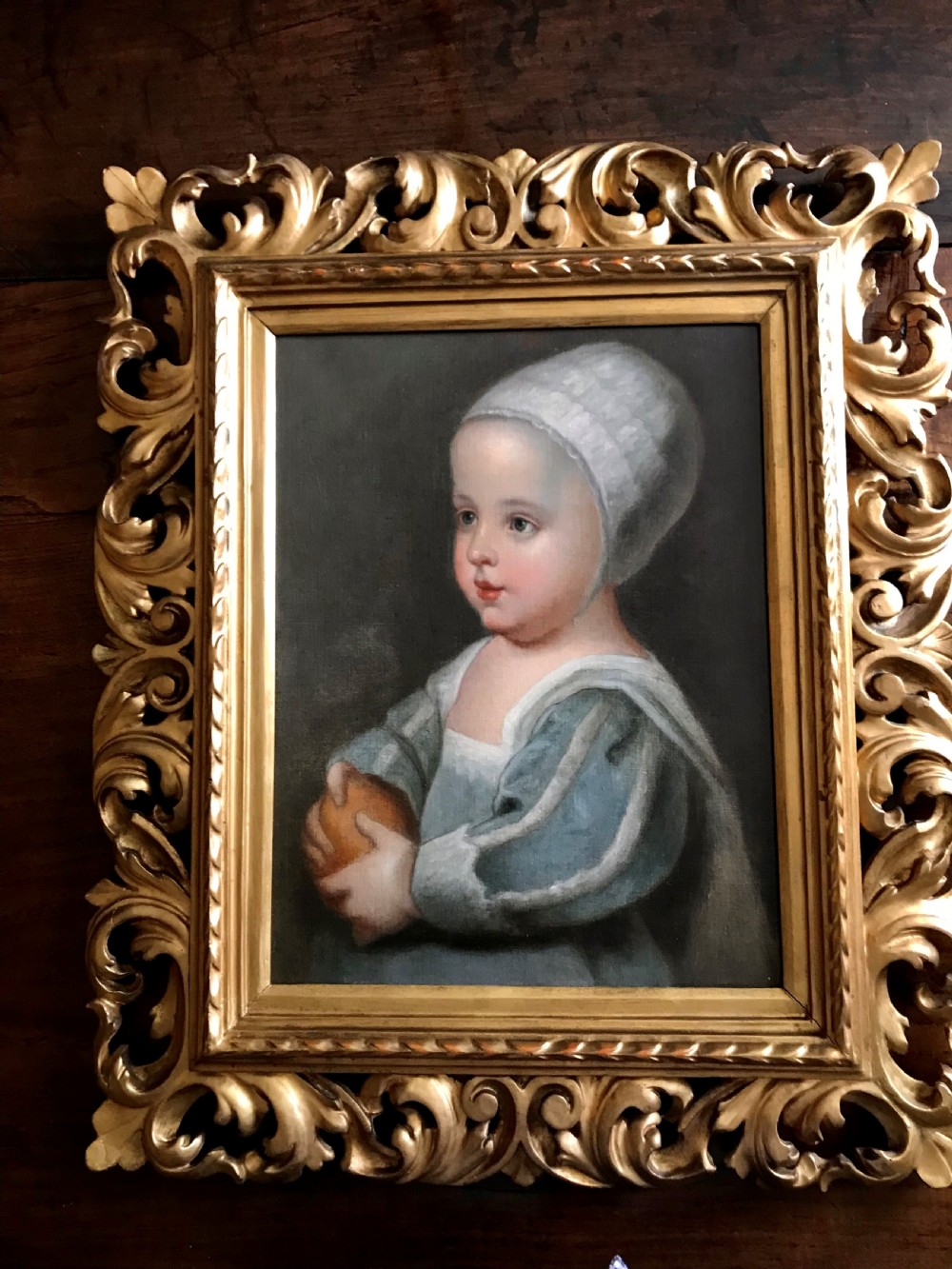
Portrait of Prince James Stuart as a Child; After Van Dyck.
Roy Precious - Antiques & Fine Art
sold SA924690
Sorry, but this item has been sold.
Roy Precious - Antiques & Fine Art

Roy Precious - Antiques & Fine Art

Sellingantiques Verified Since Mar 2003
View Dealers Stock Page
  • About Us
    Roy and nadine precious: specialists in portraiture from the 16th to the 20th century. Established in 1972.
Id #SA924690
PDF SHARE
SAVE

Portrait of Prince James Stuart as a Child; After Van Dyck.

19th century
Description

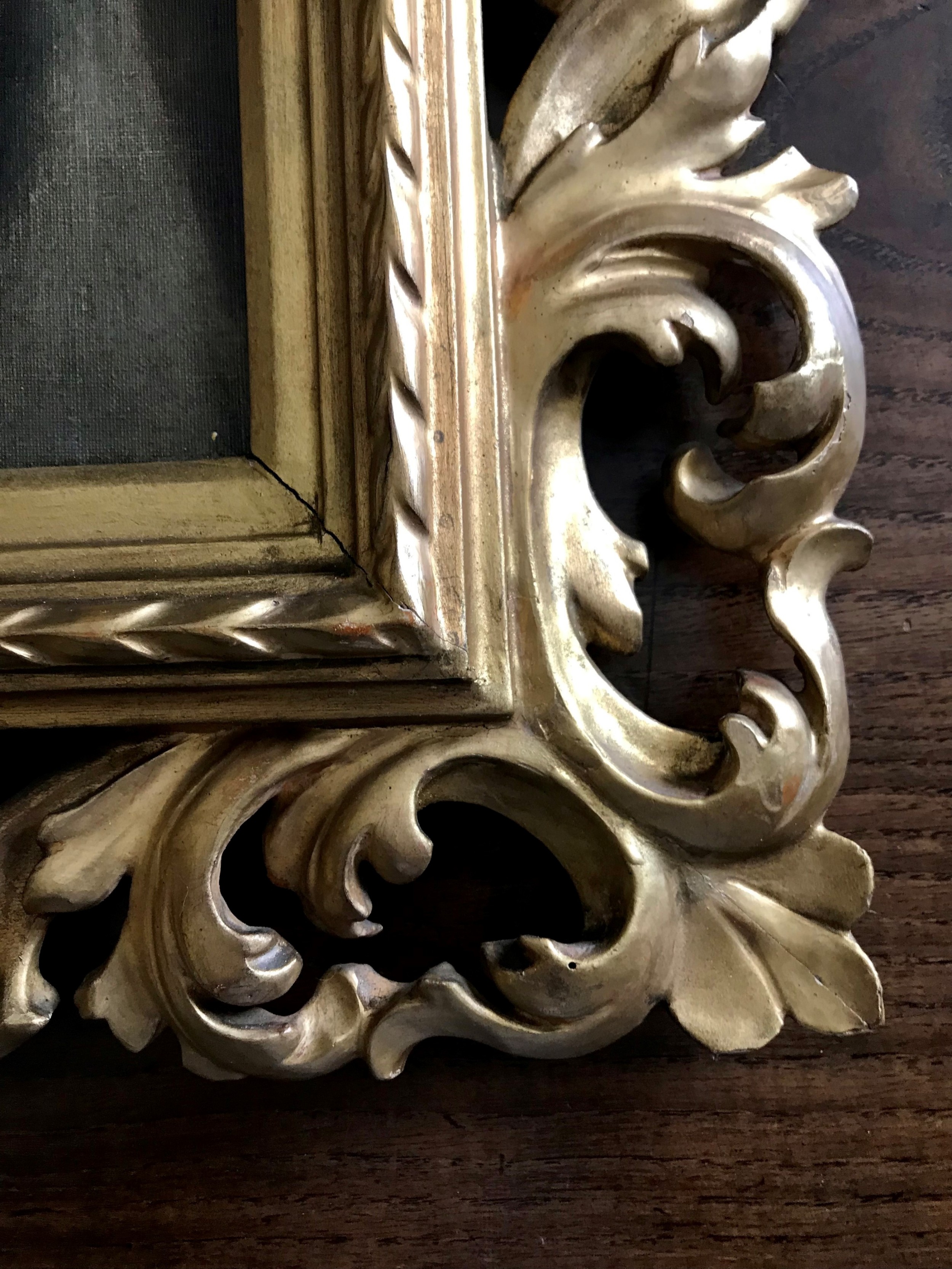
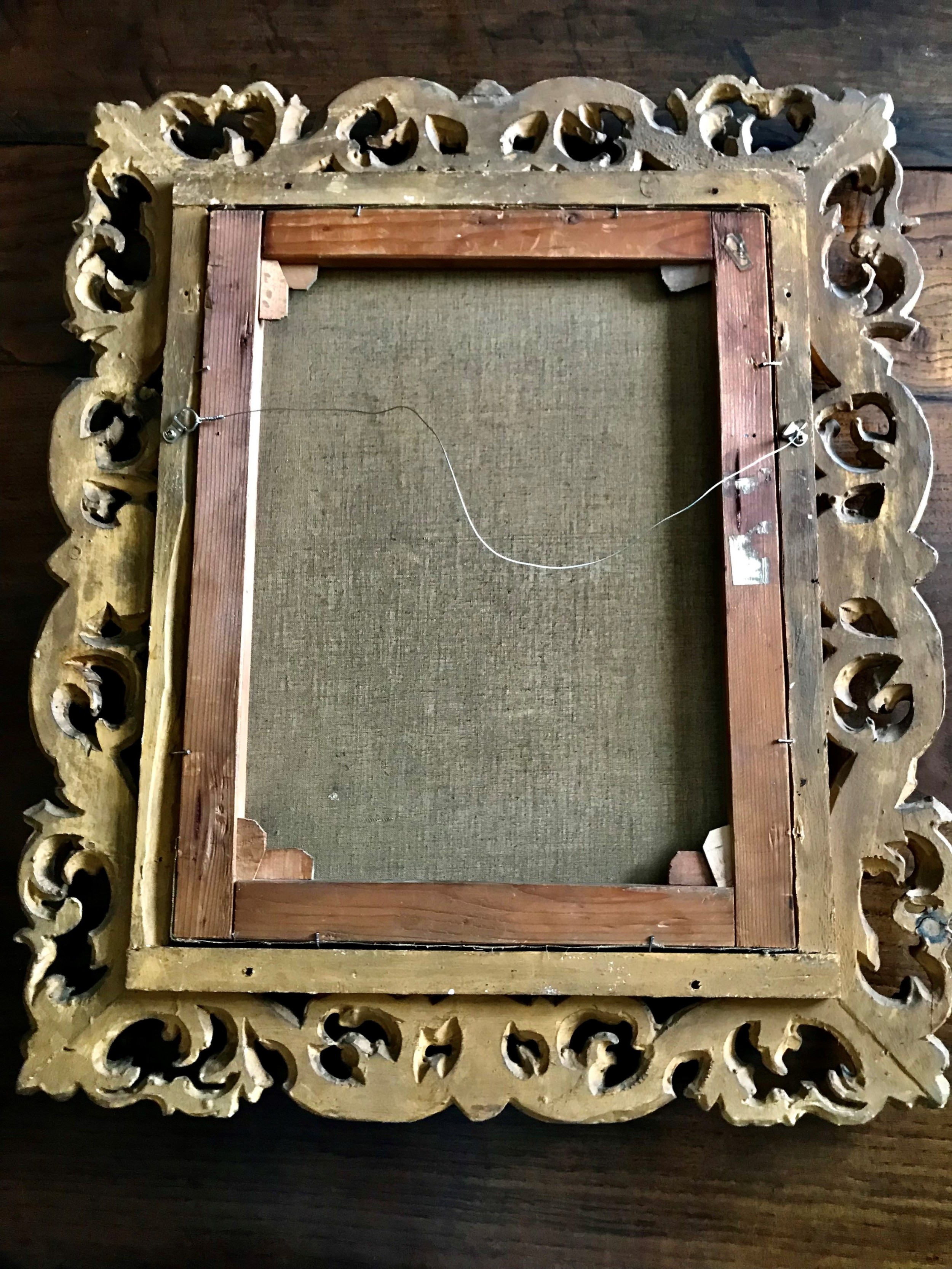
Oil on canvas in a fine Florentine giltwood frame.

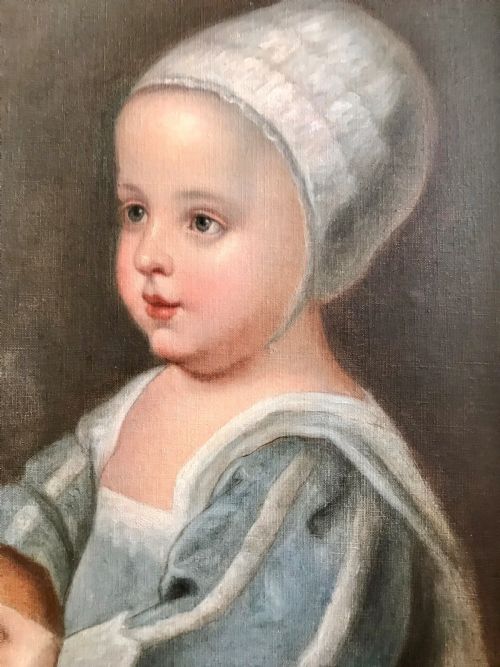
The Three Eldest Children of Charles I was painted by Van Dyck in 1635, this charming portrait of one of those children, the two year old Prince James, dates from the late 19th century.

JAMES II (1633 – 1701) was King of England and Ireland as James II, and King of Scotland as James VII from the death of his elder brother, Charles II, on 6 February 1685. He was deposed in the Glorious Revolution of 1688. He was the last Catholic monarch of England, Scotland, and Ireland. His reign is now remembered primarily for conflicts over religious tolerance, but it also involved struggles over the principles of absolutism and the divine right of kings. His deposition ended a century of political and civil strife in England by confirming the primacy of the English Parliament over the Crown.

James inherited the thrones of England, Ireland, and Scotland from his brother with widespread support in all three countries, largely because the principles of eligibility based on divine right and birth were widely accepted. Tolerance of his personal Catholicism did not extend to tolerance of Catholicism in general, and the English and Scottish Parliaments refused to pass his measures. When James attempted to impose them by decree, this was met with opposition; some academics have however argued that it was a political principle, rather than a religious one, that ultimately led to his removal.

In June 1688, two events turned dissent into a crisis; the first, on 10 June, was the birth of James's son and heir James Francis Edward, which raised the prospect of initiating a Roman Catholic dynasty and excluding his Anglican daughter Mary and her Protestant husband William III of Orange. The second was the prosecution of the Seven Bishops for seditious libel; this was viewed as an assault on the Church of England and their acquittal on 30 June destroyed his political authority in England. The anti-Catholic riots in England and Scotland that ensued led to a general feeling that only his removal from the throne could prevent a civil war.

James fled to France and William and Mary took the throne.

ANTHONY VAN DYKE 22 (March 1599 – 9 December 1641) was a Flemish Baroque artist who became the leading court painter in England after success in the Southern Netherlands and Italy.

He is best known for his portraits of the aristocracy, most notably Charles I, and his family and associates. Van Dyck became the dominant influence on English portrait-painting for the next 150 years. His superb brushwork, apparently rather quickly painted, can usually be distinguished from the large areas painted by his many assistants. His portrait style changed considerably between the different countries he worked in, culminating in the relaxed elegance of his last English period. His influence extends into the modern period. During his lifetime, Charles I granted him a knighthood, and he was buried in St Paul's Cathedral, an indication of his standing at the time of his death.

SIZE: 25.5 x 21.5 inches including the frame.

PROVENANCE: Yorkshire Private Collection.

Physical Dimensions
Height
65cm (25.59")
Width
54.5cm (21.46")
Depth
4.5cm (1.77")
Declaration

Roy Precious - Antiques & Fine Art has dated this piece to the 19th Century.
Reference Numbers
Sellingantiques Reference
SA924690
Dealers Internal Reference
9280
Description
Oil on canvas in a fine Florentine giltwood frame.
The Three Eldest Children of Charles I was painted by Van Dyck in 1635, this charming portrait of one of those children, the two year old Prince James, dates from the late 19th century.
Roy Precious - Antiques & Fine Art
fig 1. Portrait of Prince James Stuart as a child; after Van Dyck.
fig 1. Portrait of Prince James Stuart as a Child; After Van Dyck.

JAMES II (1633 – 1701) was King of England and Ireland as James II, and King of Scotland as James VII from the death of his elder brother, Charles II, on 6 February 1685. He was deposed in the Glorious Revolution of 1688. He was the last Catholic monarch of England, Scotland, and Ireland. His reign is now remembered primarily for conflicts over religious tolerance, but it also involved struggles over the principles of absolutism and the divine right of kings. His deposition ended a century of political and civil strife in England by confirming the primacy of the English Parliament over the Crown.
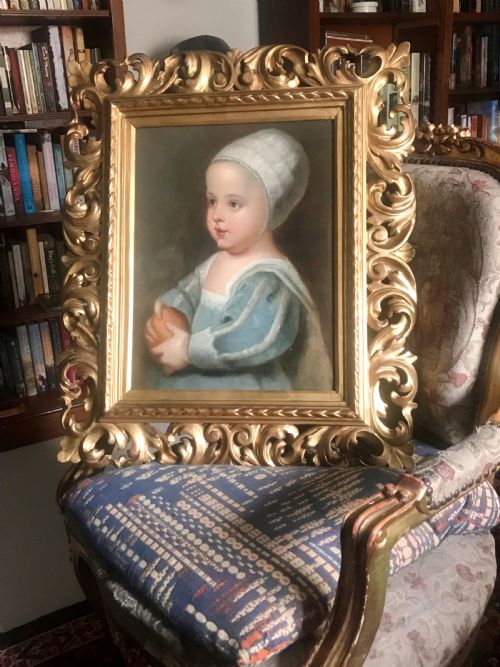
fig 2. Portrait of Prince James Stuart as a child; after Van Dyck.
fig 2. Portrait of Prince James Stuart as a Child; After Van Dyck.

James inherited the thrones of England, Ireland, and Scotland from his brother with widespread support in all three countries, largely because the principles of eligibility based on divine right and birth were widely accepted. Tolerance of his personal Catholicism did not extend to tolerance of Catholicism in general, and the English and Scottish Parliaments refused to pass his measures. When James attempted to impose them by decree, this was met with opposition; some academics have however argued that it was a political principle, rather than a religious one, that ultimately led to his removal.
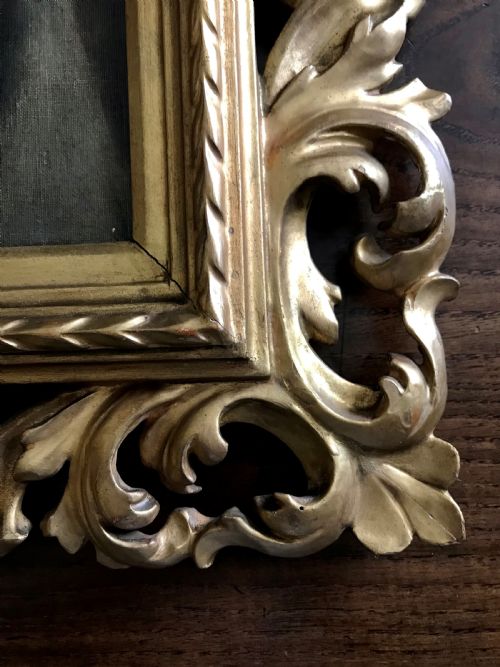
fig 3. Portrait of Prince James Stuart as a child; after Van Dyck.
fig 3. Portrait of Prince James Stuart as a Child; After Van Dyck.

In June 1688, two events turned dissent into a crisis; the first, on 10 June, was the birth of James's son and heir James Francis Edward, which raised the prospect of initiating a Roman Catholic dynasty and excluding his Anglican daughter Mary and her Protestant husband William III of Orange. The second was the prosecution of the Seven Bishops for seditious libel; this was viewed as an assault on the Church of England and their acquittal on 30 June destroyed his political authority in England. The anti-Catholic riots in England and Scotland that ensued led to a general feeling that only his removal from the throne could prevent a civil war.
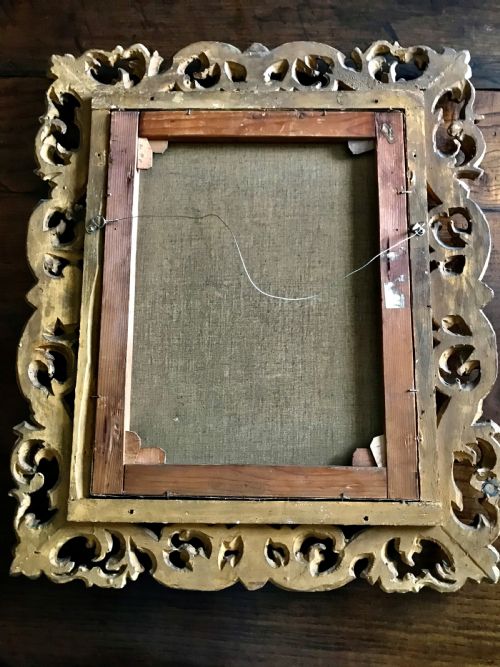
fig 4. Portrait of Prince James Stuart as a child; after Van Dyck.
fig 4. Portrait of Prince James Stuart as a Child; After Van Dyck.

James fled to France and William and Mary took the throne.

ANTHONY VAN DYKE 22 (March 1599 – 9 December 1641) was a Flemish Baroque artist who became the leading court painter in England after success in the Southern Netherlands and Italy.

He is best known for his portraits of the aristocracy, most notably Charles I, and his family and associates. Van Dyck became the dominant influence on English portrait-painting for the next 150 years. His superb brushwork, apparently rather quickly painted, can usually be distinguished from the large areas painted by his many assistants. His portrait style changed considerably between the different countries he worked in, culminating in the relaxed elegance of his last English period. His influence extends into the modern period. During his lifetime, Charles I granted him a knighthood, and he was buried in St Paul's Cathedral, an indication of his standing at the time of his death.

SIZE: 25.5 x 21.5 inches including the frame.

PROVENANCE: Yorkshire Private Collection.

Height
65cm (25.59")
Width
54.5cm (21.46")
Depth
4.5cm (1.77")
Date of Manufacture

Roy Precious - Antiques & Fine Art has dated this piece to the 19th Century.

Reference Numbers
Sellingantiques Ref
SA924690
Dealers Internal Ref
9280
Roy Precious - Antiques & Fine Art
Sellingantiques verified Since Mar 2003

Roy and nadine precious: specialists in portraiture from the 16th to the 20th century. Established in 1972.

Dealer Profile

You can view the stock and full dealer information on the Roy Precious - Antiques & Fine Art Profile Page
PDF SHARE
SAVE
Portrait of Prince James Stuart as a child; after Van Dyck.
1 / 5
Archive I Portrait of Prince James Stuart as a child; after Van Dyck.

Portrait of Prince James Stuart as a Child; After Van Dyck.

Archive II Portrait of Prince James Stuart as a child; after Van Dyck. View II
Archive III Portrait of Prince James Stuart as a child; after Van Dyck. View III
Archive IV Portrait of Prince James Stuart as a child; after Van Dyck. View IV
Archive V Portrait of Prince James Stuart as a child; after Van Dyck. View V
Enlarged Archival View
Location
Wiltshire
United Kingdom
Dealer Profile Page sellingantiques.co.uk/rp
Verified Since Mar 2003
Items For Sale 95
Items Sold 679
Roy Precious - Antiques & Fine Art
Verified Since Mar 2003
View Dealer Info
Location: Wiltshire, United Kingdom
Verified
Mar 2003
For Sale
95
Sold
679
Portrait of Prince James Stuart as a child; after Van Dyck.
Ref: SA924690
Portrait of Prince James Stuart as a child; after Van Dyck.
Detail View 1
Detail View 2
Detail View 3
Detail View 4
Archival Detail
Every single antique dealer on our platform is individually approved by our internal team. We verify their professional trade history, ethical standards, and photographic quality to ensure a secure, high-standard buying environment. Upon joining, every dealer agrees to a strict 9-point code of conduct. While issues can occasionally arise, our dealers typically resolve them swiftly and directly with the buyer. In fact, since our founding in 2002, Sellingantiques has only had to step in to help resolve an issue on roughly five occasions—a true testament to the quality of our dealers and their dedication to your happiness.
Our dealers are highly experienced in packing and shipping fragile, high-value antiques. Because you are in direct contact with the dealer, you will be able to easily go through all available shipping and insurance options together to ensure your item arrives safely.
Antiques are the ultimate green purchase. By choosing historical pieces over newly manufactured goods, you completely eliminate the carbon footprint of modern mass production while preserving exceptional, timeless craftsmanship.
items
Add keywords to the filter
Price
£100
£250000
Era
Movements
Material
Origin
Stock Location
Freshness
Online Payments
Categories