You can contact us with the problem you are having and we will investigate.
Stripe Online Payments
Sellingantiques have now partnered with Stripe card processing to give you a seamless purchase experience of antiques on sellingantiques.
Millions of companies of all sizes use Stripe online to accept payments and is the worlds No.1 payment gateway.
So how does it work: Look for the button in the antique details page to instantly purchase antiques from dealers who have activated Stripe online payments.
You can now easily filter and show antiques that only have this option enabled.
Using this button notifies us immediately that you have purchased this item. Once you have made the payment we will instantly mark it as sold to ensure that no one else can buy it.
Discounts can also be made available.
We are always improving the purchase experience for both buyer and seller and more and more dealers are enabling this option each week.
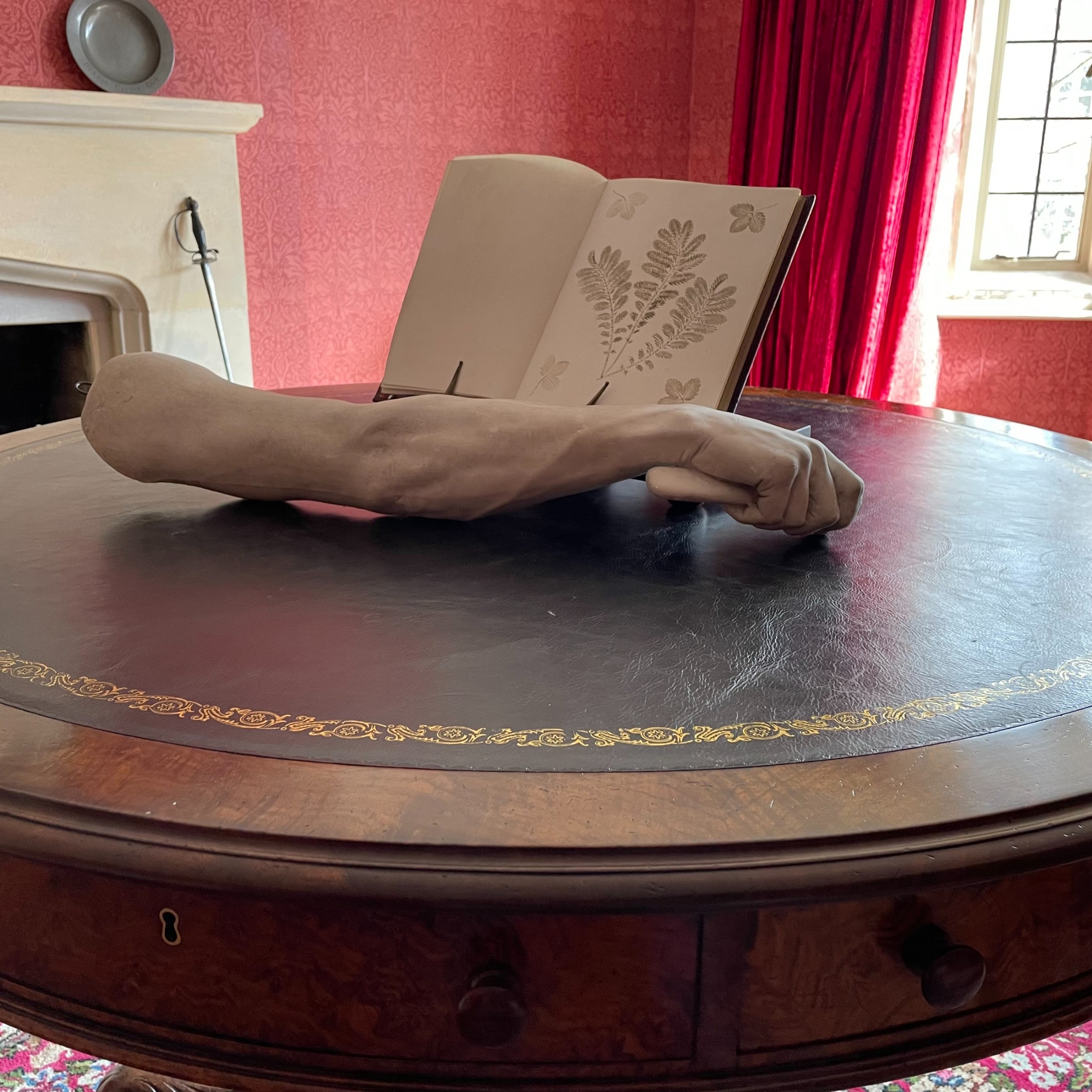
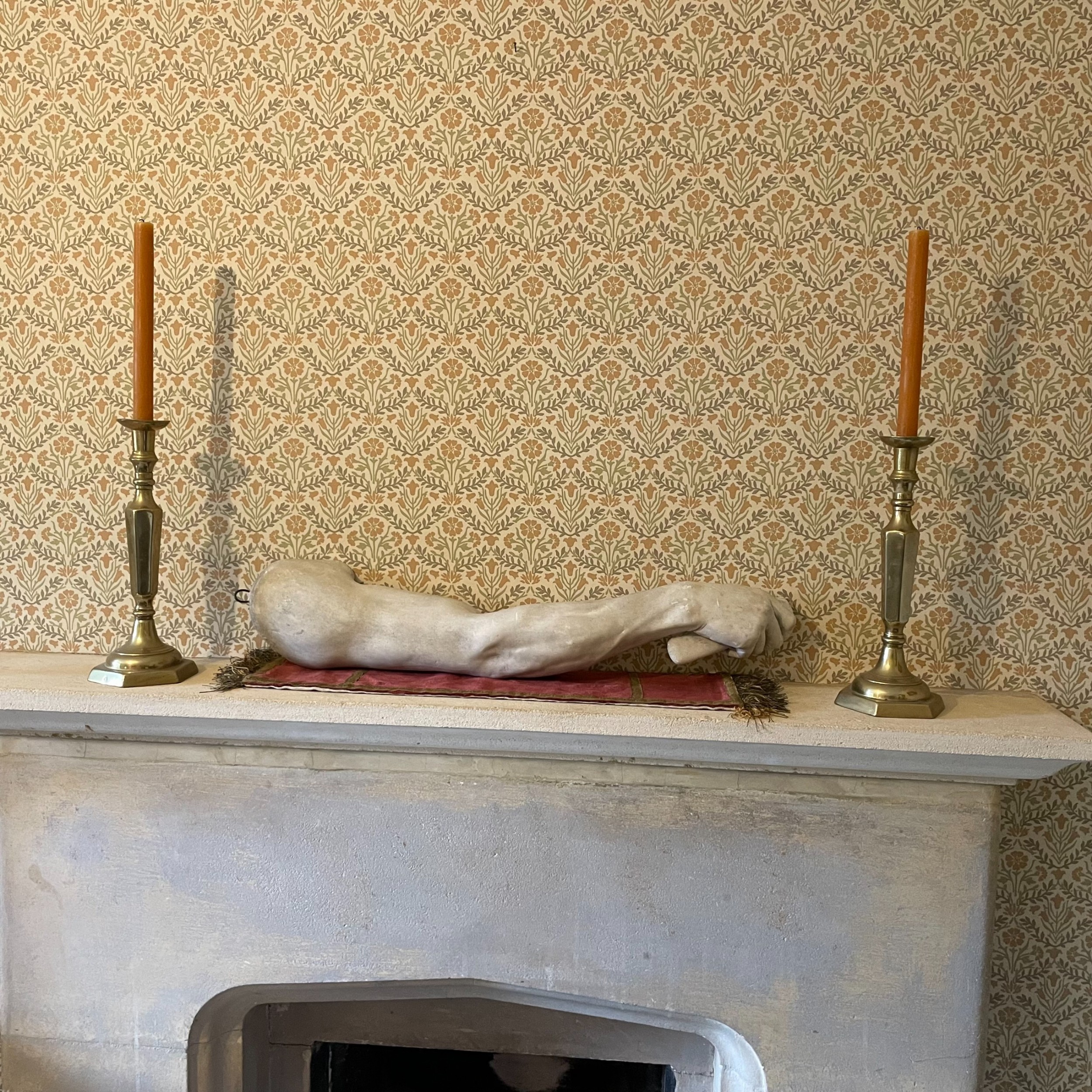
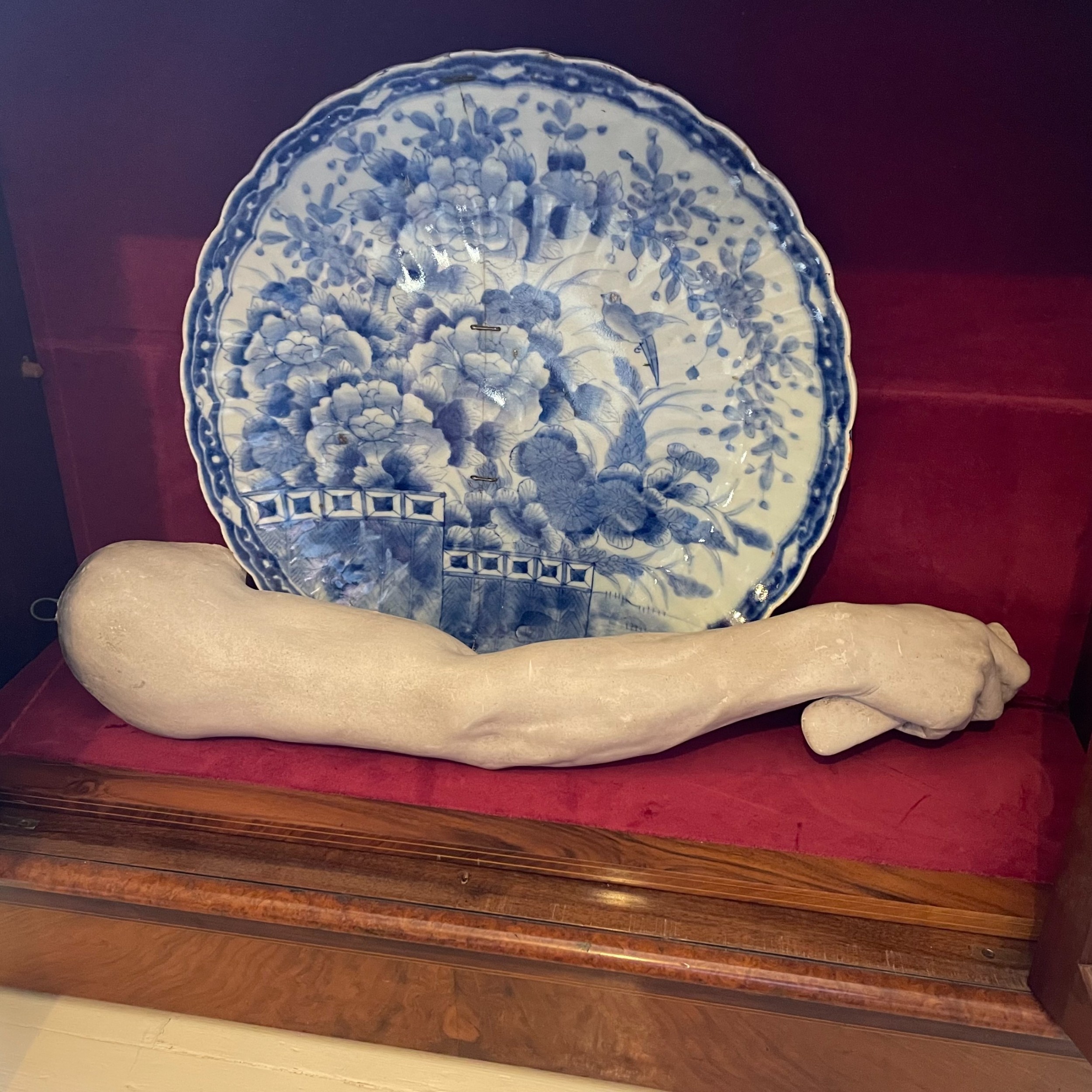
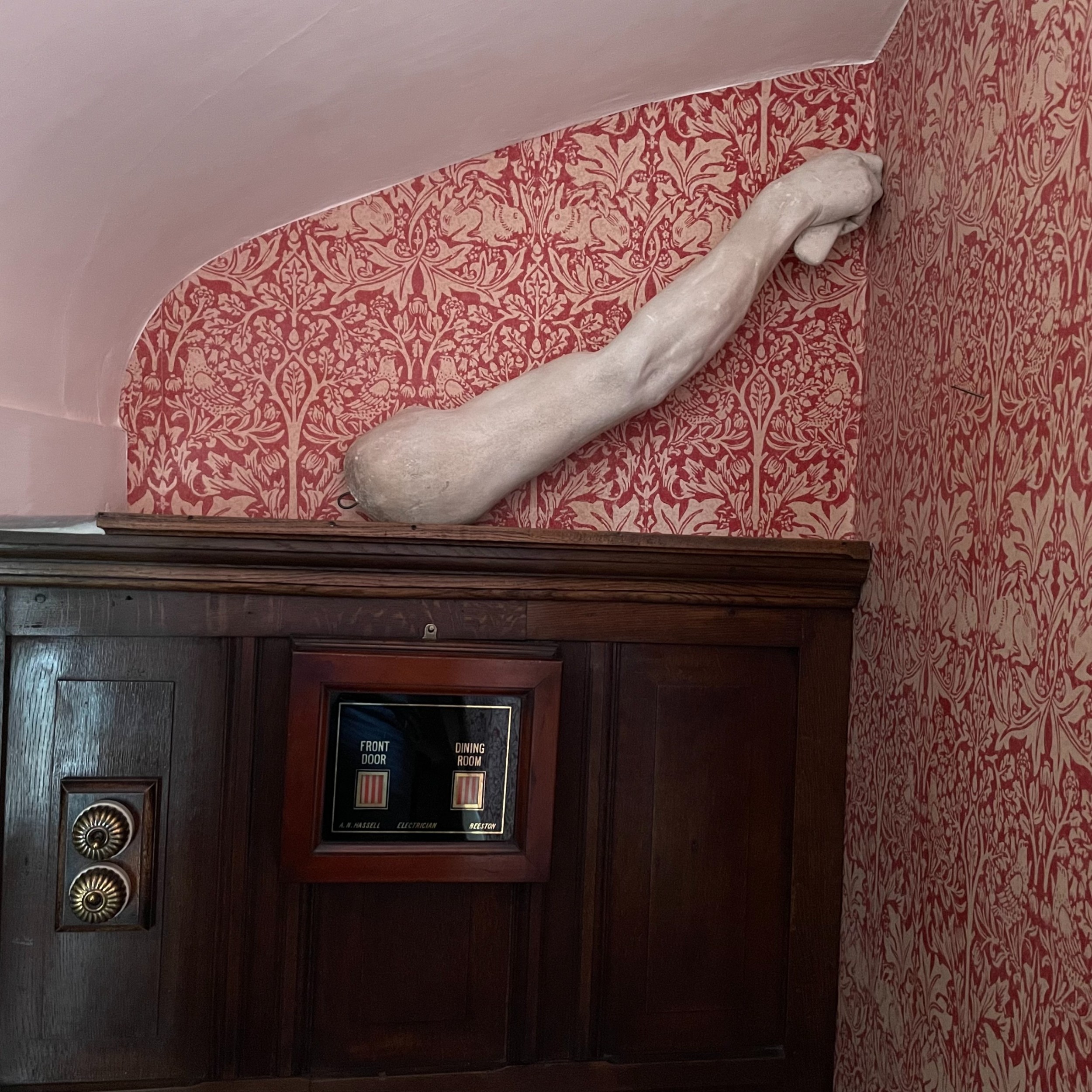
A Rare Grand Tour Style Life-size Plaster Arm Of The Borghese Gladiator
Status:This item has been sold Sold by:Kendall House Antiques Ltd.
Circa 1900, impressed ''C. Smith, London, No. 446, LCC No. 2''. Complete with its original wire hanger.
Charles Smith of London a renowned plaster figure and sculptor''s molder active in London from 1886 to 1918.
Some notes on: The Borghese Gladiator is a Hellenistic life-size marble sculpture portraying a swordsman, created at Ephesus about 100 BC, now on display at the Louvre. The sculpture is signed on the pedestal by Agasias, son of Dositheus, who is otherwise unknown. It was found before 1611, in the present territory of Anzio south of Rome, among the ruins of a seaside palace of Nero on the site of the ancient Antium (modern Anzio and Nettuno). From the attitude of the figure it is clear that the statue represents not a gladiator, but a warrior contending with a mounted combatant. In the days when antique sculptures gained immediacy by being identified with specific figures from history or literature, Friedrich Thiersch conjectured that it was intended to represent Achilles... fighting with the mounted Amazon, Penthesilea.
The sculpture was added to the Borghese collection in Rome. At the Villa Borghese it stood in a ground-floor room named for it, redecorated in the early 1780s by Antonio Asprucci. Camillo Borghese was pressured to sell it to his brother-in-law, Napoleon Bonaparte, in 1807; it was taken to Paris when the Borghese collection was acquired for the Louvre, where it now resides.
Misnamed a gladiator due to an erroneous restoration, it was among the most admired and copied works of antiquity in the eighteenth century, providing sculptors a canon of proportions. A bronze cast was made for Charles I of England (now at Windsor), and another by Hubert Le Sueur was the centerpiece of Isaac de Caus'' parterre at Wilton House; that version was given by the 8th Earl of Pembroke to Sir Robert Walpole and remains the focal figure in William Kent''s Hall at Houghton Hall, Norfolk. Other copies can be found at Petworth House and in the Green Court at Knole. Originally a copy was also located in Lord Burlington''s garden at Chiswick House and later relocated to the gardens at Chatsworth in Derbyshire.







Thank you.
Your comment has been sent to Sellingantiques.