33,168  PAGES BROWSED TODAY PAGES TODAY 70  ANTIQUES UPLOADED TODAY NEW ARRIVALS
Sort Order
Items Per Page
ID #SA853850
SOLD
Email
Save
Portrait of Elizabeth, Viscountess Dunbar 1710, by Sir Godfrey Kneller.
Roy Precious - Antiques & Fine Art
sold SA853850
Sorry, but this item has been sold.
Roy Precious - Antiques & Fine Art

Roy Precious - Antiques & Fine Art

Sellingantiques Verified Since Mar 2003
View Dealers Stock Page
  • About Us
    Roy and nadine precious: specialists in portraiture from the 16th to the 20th century. Established in 1972.
Id #SA853850
PDF SHARE
SAVE

Portrait of Elizabeth, Viscountess Dunbar 1710, by Sir Godfrey Kneller.

18th century
Description

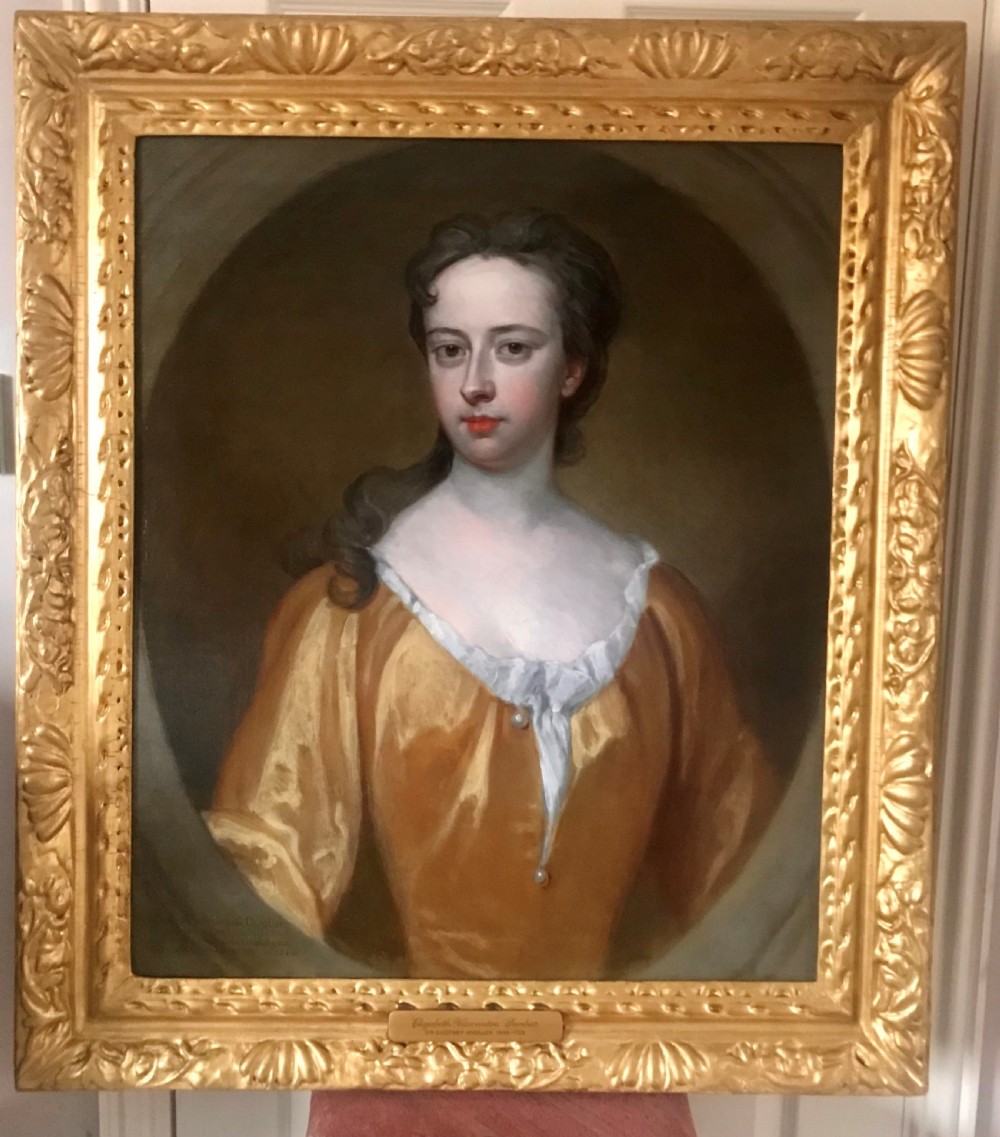
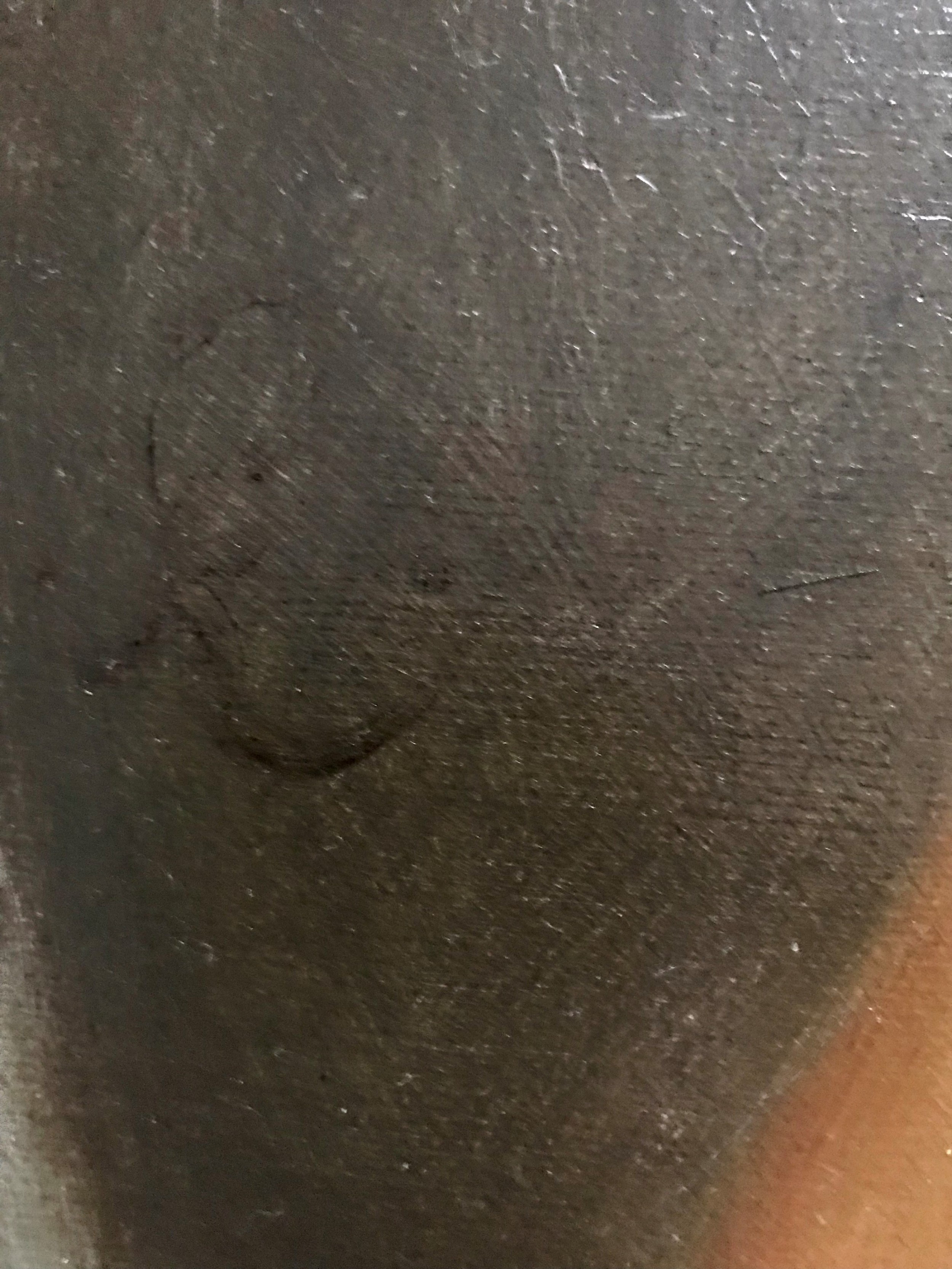
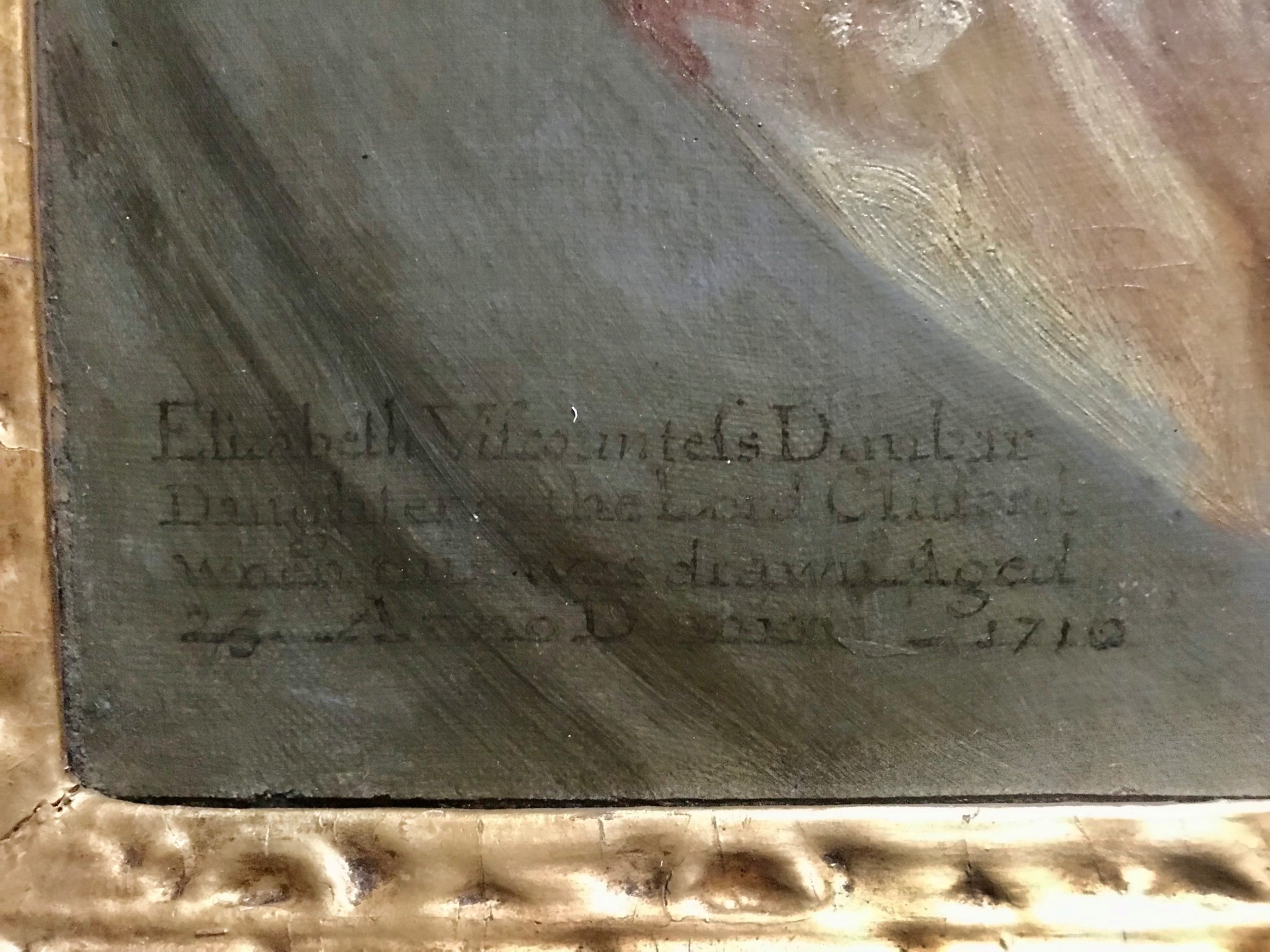
Oil on canvas in the original carved and giltwood frame. Signed, faintly, with GK monogram to the left. (Our restorer confirms that this signature is original to the painting.) A later inscription identifying the sitter lower left.

ELIZABETH, VISCOUNTESS DUNBAR was the daughter of the Hugh Clifford, 2nd Baron Clifford of Chudleigh, painted here aged 25 in 1710. The Hon. Elizabeth Clifford (1689 – 25 September 1721), married first William Constable, 4th Viscount Dunbar (1653–1718), without issue, married second on 17 November 1720 Charles Fairfax, 9th Viscount Fairfax of Emley, without issue.
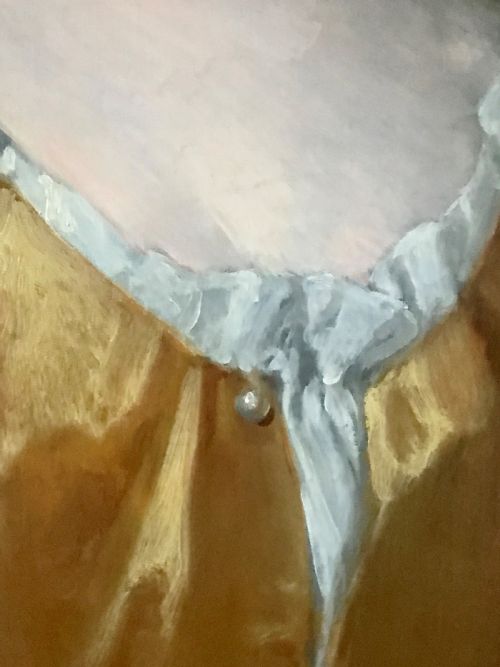
SIR GODFREY KNELLER (1646-1723) dominates our understanding of late seventeenth and early eighteenth century British portraiture. With Van Dyck, Lely and Reynolds, his name has become synonymous with the visual interpretation of British history – not least because he painted almost every person of prominence in forty years of British public life. Every reigning British monarch from Charles II to George I sat to Kneller.
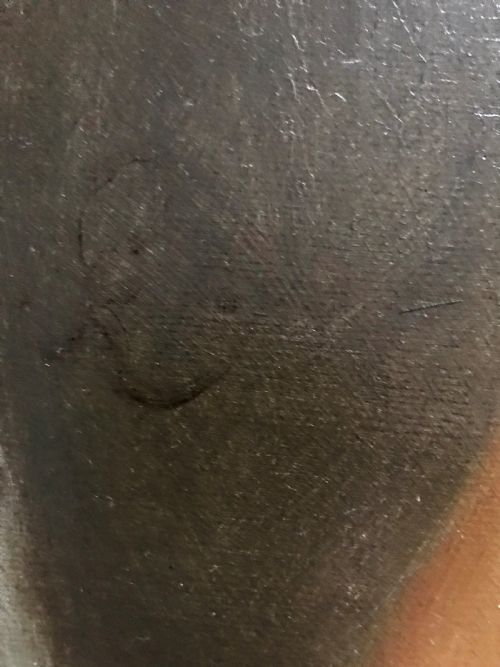
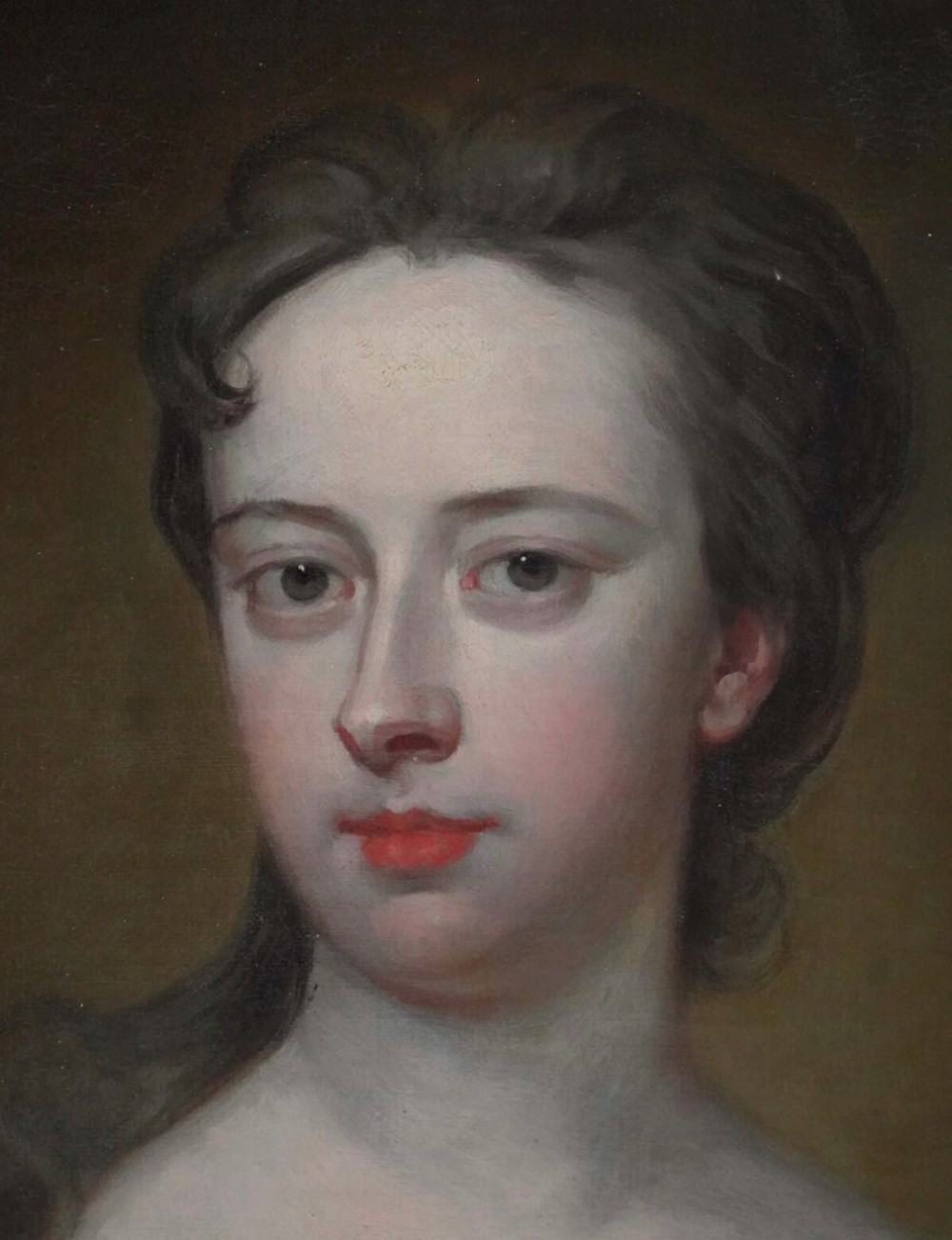
This is a very fine example of Kneller's work in the early 18th century, it is one of Kneller’s more intimate female studies. The sitter is unencumbered by high fashion or a background of stately topography. The emphasis is instead placed directly on the alluring femininity, and enhanced by the falling hair around her shoulder. This looseness of focus is created with a free fluidity of brushstrokes. He has used a Rembrandt-esque technique of subtle tones in the face, and we can see how Kneller often allowed the bluer ground layer to show through when suggesting the darker flesh tones. In both techniques, we should bear in mind Kneller’s own advice, when rebuking those who peered at his works too closely, ‘My paintings were not made for smelling of…’.
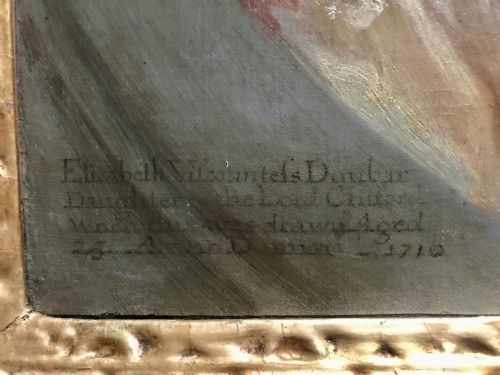
The painterly technique seen here is an excellent demonstration of Kneller’s style. The bold handling of the flesh tones is Kneller at his most emphatic, while the sizeable areas of grey ground we see are indicative of his method of painting quickly, developed by this stage in his career to cope with the many demands of a large circle of patrons. The same effect is used for the shadows in the face: rather than paint darker colours on top of the pink flesh tones, as most artists would have done, Kneller instead painted in the reverse order, using the ground layer for his dark shadows, and then painting the lighter colours on top. Often he worked with an almost dry brush in strong firm strokes. Here the flesh tones have been rapidly, almost roughly painted, with bold areas of impasto giving way to areas where almost no paint has been applied at all, a trick that allowed Kneller to use the blue-grey ground layer to show darker flesh tones.
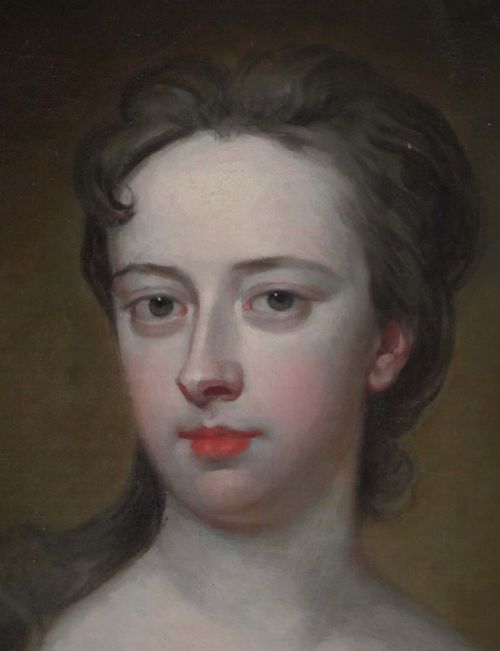
Basically Kneller's style was Baroque but there were three essential aspects to it which are found in all his mature works: naturalism, classicism and a feeling for the handling of paint. In his feeling for paint Kneller was, curiously, anti-classical in his dislike of 'finish' .. or 'over working' a painting. Both he, and later Gainsborough, defended a 'rough' surface.

SIZE: 37 x 32 inches including the frame.

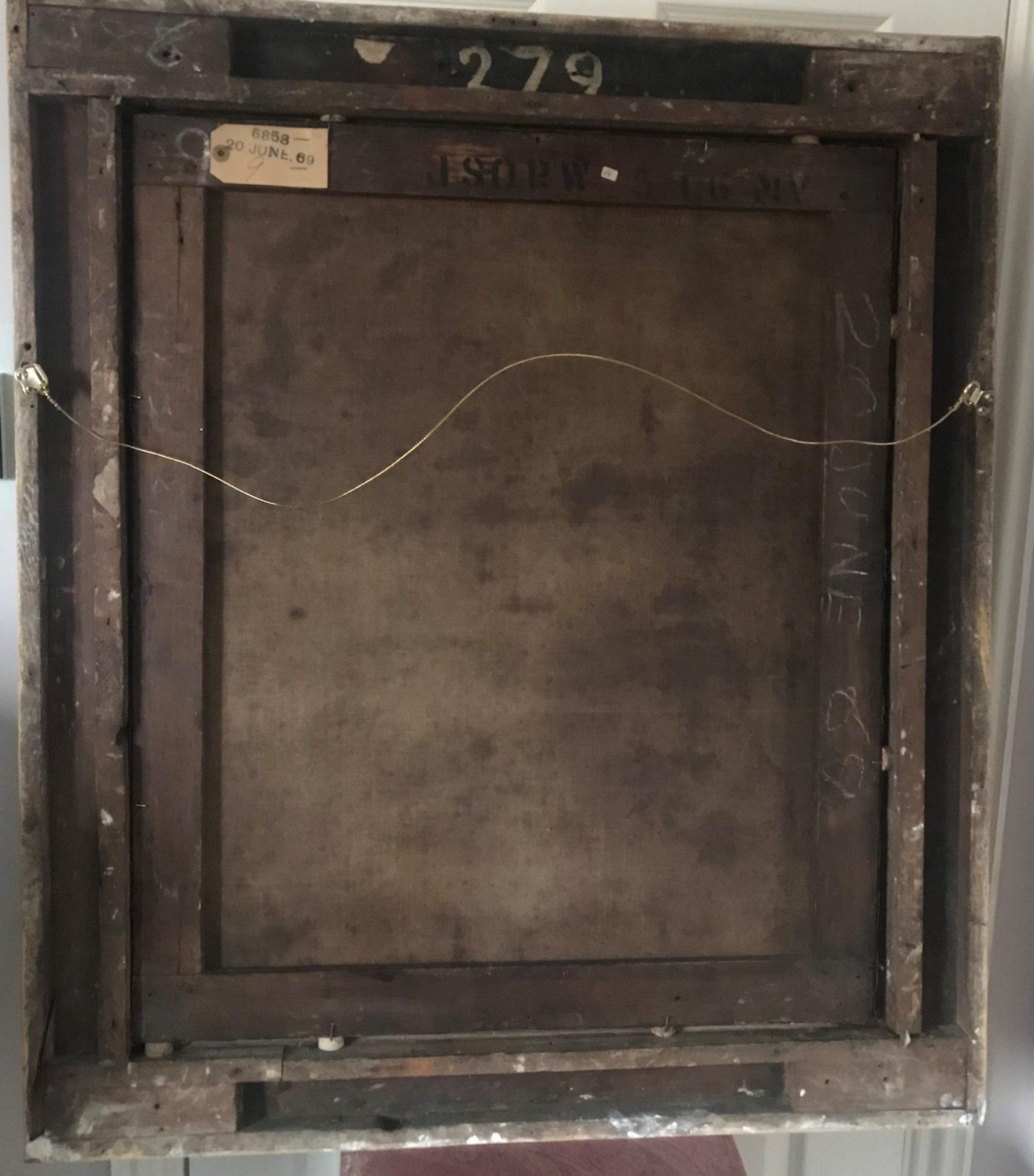
PROVENANCE: Heathcote Ball, Appleby Magna, 1987.

Collection of the late Dr Peter Wakely.

Physical Dimensions
Height
94cm (37.01")
Width
81cm (31.89")
Depth
6.6cm (2.60")
Declaration

Roy Precious - Antiques & Fine Art has dated this piece to the 18th Century.

Reference Numbers
Sellingantiques Reference
SA853850
Dealers Internal Reference
9249
Description
Oil on canvas in the original carved and giltwood frame. Signed, faintly, with GK monogram to the left. (Our restorer confirms that this signature is original to the painting.) A later inscription identifying the sitter lower left.
ELIZABETH, VISCOUNTESS DUNBAR was the daughter of the Hugh Clifford, 2nd Baron Clifford of Chudleigh, painted here aged 25 in 1710.
Roy Precious - Antiques & Fine Art

The Hon. Elizabeth Clifford (1689 – 25 September 1721), married first William Constable, 4th Viscount Dunbar (1653–1718), without issue, married second on 17 November 1720 Charles Fairfax, 9th Viscount Fairfax of Emley, without issue.

fig 1. Portrait of Elizabeth, Viscountess Dunbar 1710, by Sir Godfrey Kneller.

SIR GODFREY KNELLER (1646-1723) dominates our understanding of late seventeenth and early eighteenth century British portraiture. With Van Dyck, Lely and Reynolds, his name has become synonymous with the visual interpretation of British history – not least because he painted almost every person of prominence in forty years of British public life. Every reigning British monarch from Charles II to George I sat to Kneller.

fig 2. Portrait of Elizabeth, Viscountess Dunbar 1710, by Sir Godfrey Kneller.

This is a very fine example of Kneller's work in the early 18th century, it is one of Kneller’s more intimate female studies. The sitter is unencumbered by high fashion or a background of stately topography. The emphasis is instead placed directly on the alluring femininity, and enhanced by the falling hair around her shoulder. This looseness of focus is created with a free fluidity of brushstrokes. He has used a Rembrandt-esque technique of subtle tones in the face, and we can see how Kneller often allowed the bluer ground layer to show through when suggesting the darker flesh tones. In both techniques, we should bear in mind Kneller’s own advice, when rebuking those who peered at his works too closely, ‘My paintings were not made for smelling of…’.

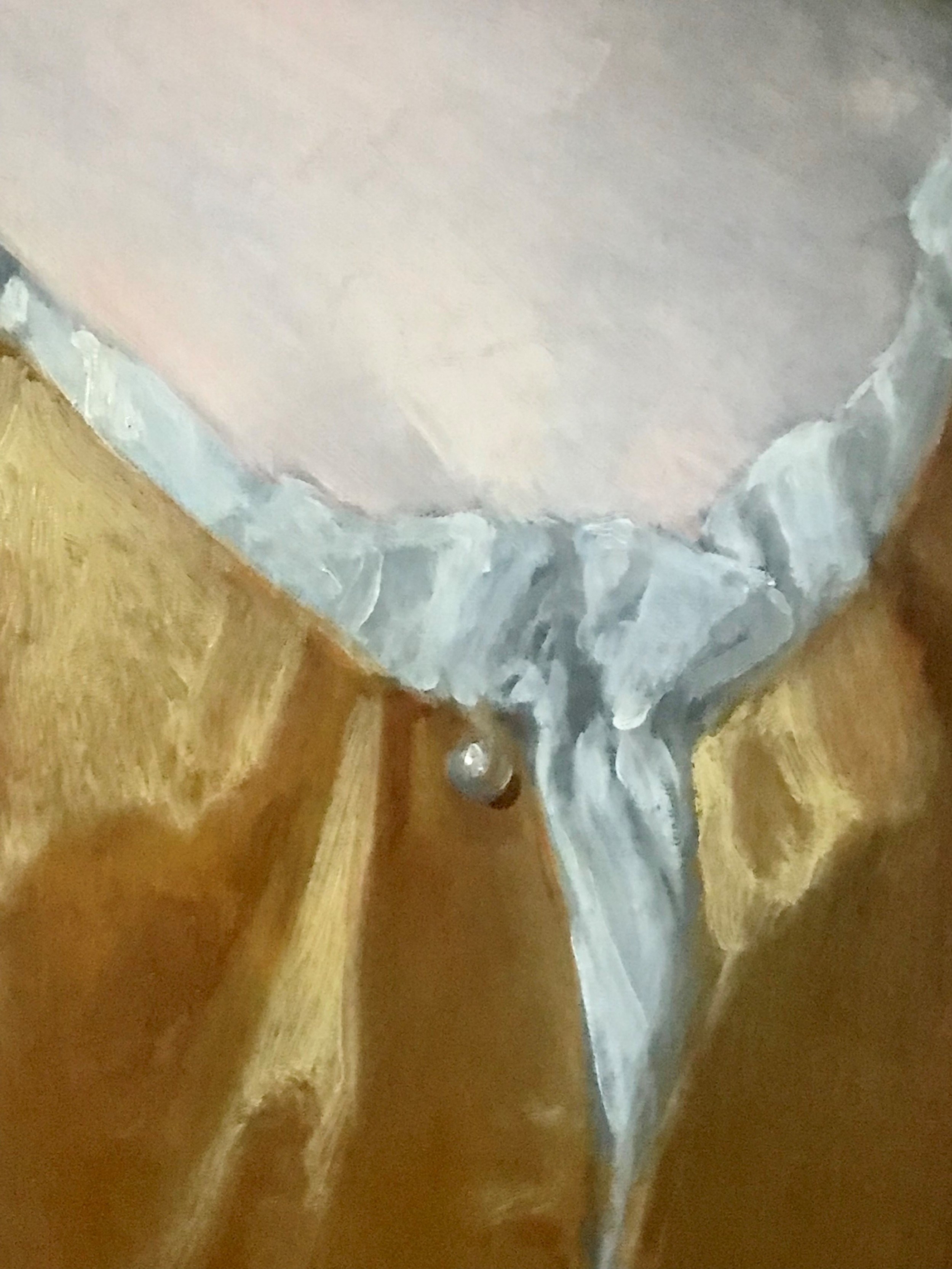
fig 3. Portrait of Elizabeth, Viscountess Dunbar 1710, by Sir Godfrey Kneller.

The painterly technique seen here is an excellent demonstration of Kneller’s style. The bold handling of the flesh tones is Kneller at his most emphatic, while the sizeable areas of grey ground we see are indicative of his method of painting quickly, developed by this stage in his career to cope with the many demands of a large circle of patrons. The same effect is used for the shadows in the face: rather than paint darker colours on top of the pink flesh tones, as most artists would have done, Kneller instead painted in the reverse order, using the ground layer for his dark shadows, and then painting the lighter colours on top. Often he worked with an almost dry brush in strong firm strokes. Here the flesh tones have been rapidly, almost roughly painted, with bold areas of impasto giving way to areas where almost no paint has been applied at all, a trick that allowed Kneller to use the blue-grey ground layer to show darker flesh tones.

fig 4. Portrait of Elizabeth, Viscountess Dunbar 1710, by Sir Godfrey Kneller.

Basically Kneller's style was Baroque but there were three essential aspects to it which are found in all his mature works: naturalism, classicism and a feeling for the handling of paint. In his feeling for paint Kneller was, curiously, anti-classical in his dislike of 'finish' .. or 'over working' a painting. Both he, and later Gainsborough, defended a 'rough' surface.

SIZE: 37 x 32 inches including the frame.

PROVENANCE: Heathcote Ball, Appleby Magna, 1987.

Collection of the late Dr Peter Wakely.

Height
94cm (37.01")
Width
81cm (31.89")
Depth
6.6cm (2.60")
Date of Manufacture

Roy Precious - Antiques & Fine Art has dated this piece to the 18th Century.

Reference Numbers
Sellingantiques Ref
SA853850
Dealers Internal Ref
9249
Roy Precious - Antiques & Fine Art
Sellingantiques verified Since Mar 2003

Roy and nadine precious: specialists in portraiture from the 16th to the 20th century. Established in 1972.

Dealer Profile

You can view the stock and full dealer information on the Roy Precious - Antiques & Fine Art Profile Page
PDF SHARE
SAVE
Portrait of Elizabeth, Viscountess Dunbar 1710, by Sir Godfrey Kneller.
1 / 6
Archive I Portrait of Elizabeth, Viscountess Dunbar 1710, by Sir Godfrey Kneller.
Portrait of Elizabeth, Viscountess Dunbar 1710, by Sir Godfrey Kneller.
Archive II Portrait of Elizabeth, Viscountess Dunbar 1710, by Sir Godfrey Kneller. View II
Archive III Portrait of Elizabeth, Viscountess Dunbar 1710, by Sir Godfrey Kneller. View III
Archive IV Portrait of Elizabeth, Viscountess Dunbar 1710, by Sir Godfrey Kneller. View IV
Archive V Portrait of Elizabeth, Viscountess Dunbar 1710, by Sir Godfrey Kneller. View V
Archive VI Portrait of Elizabeth, Viscountess Dunbar 1710, by Sir Godfrey Kneller. View VI
Enlarged Archival View
Location
Wiltshire
United Kingdom
Dealer Profile Page sellingantiques.co.uk/rp
Verified Since Mar 2003
Items For Sale 95
Items Sold 679
Roy Precious - Antiques & Fine Art
Verified Since Mar 2003
View Dealer Info
Location: Wiltshire, United Kingdom
Verified
Mar 2003
For Sale
95
Sold
679
Portrait of Elizabeth, Viscountess Dunbar 1710, by Sir Godfrey Kneller.
Ref: SA853850
Portrait of Elizabeth, Viscountess Dunbar 1710, by Sir Godfrey Kneller.
Detail View 2
Detail View 3
Detail View 4
Detail View 6
Detail View 7
Archival Detail
Every single antique dealer on our platform is individually approved by our internal team. We verify their professional trade history, ethical standards, and photographic quality to ensure a secure, high-standard buying environment. Upon joining, every dealer agrees to a strict 9-point code of conduct. While issues can occasionally arise, our dealers typically resolve them swiftly and directly with the buyer. In fact, since our founding in 2002, Sellingantiques has only had to step in to help resolve an issue on roughly five occasions—a true testament to the quality of our dealers and their dedication to your happiness.
Our dealers are highly experienced in packing and shipping fragile, high-value antiques. Because you are in direct contact with the dealer, you will be able to easily go through all available shipping and insurance options together to ensure your item arrives safely.
Antiques are the ultimate green purchase. By choosing historical pieces over newly manufactured goods, you completely eliminate the carbon footprint of modern mass production while preserving exceptional, timeless craftsmanship.
items
Add keywords to the filter
Price
£100
£250000
Era
Movements
Material
Origin
Stock Location
Freshness
Online Payments
Categories