33,168  PAGES BROWSED TODAY PAGES TODAY 70  ANTIQUES UPLOADED TODAY NEW ARRIVALS
Sort Order
Items Per Page
ID #SA853662
SOLD
Email
Save
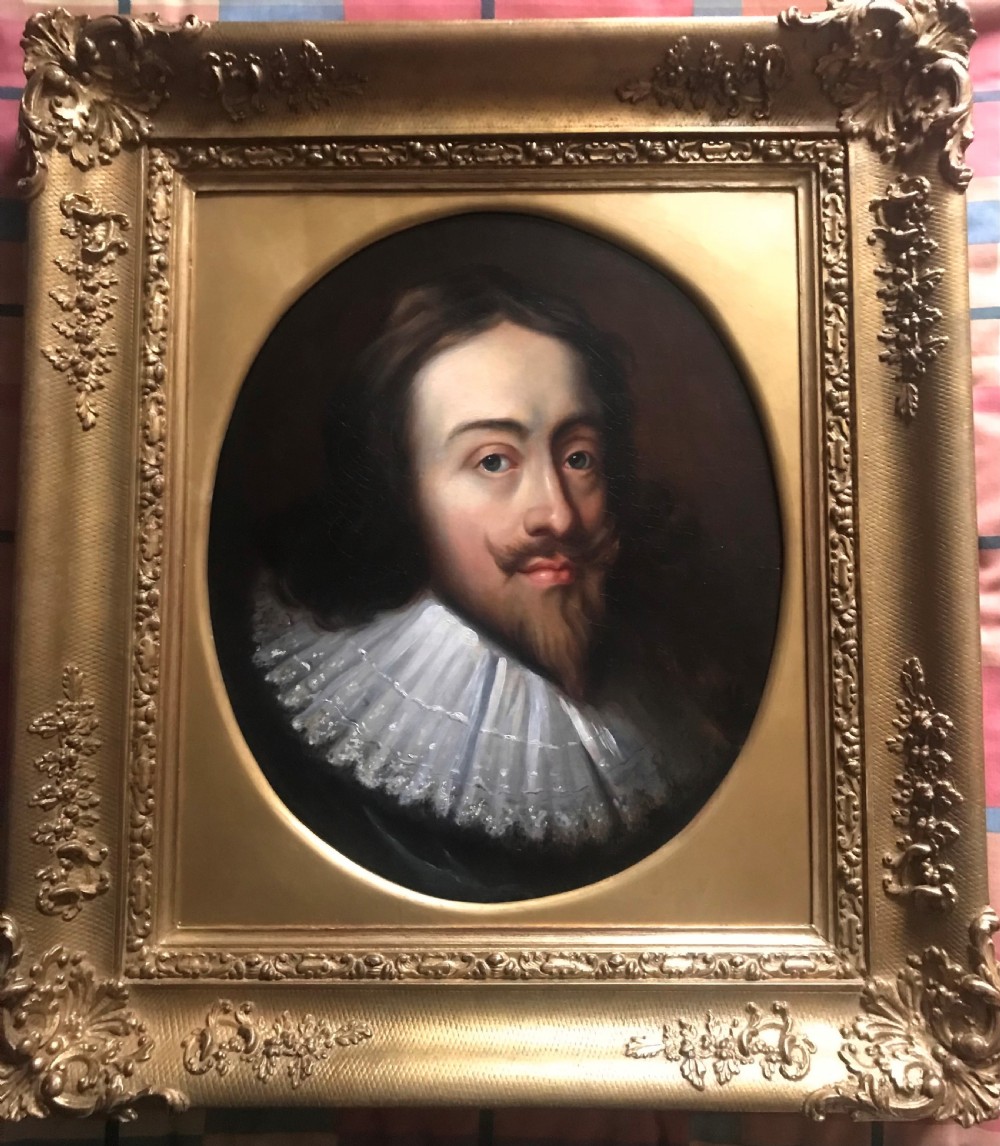
Early 19th Century. Portrait of King Charles I, After Van Dyck
Roy Precious - Antiques & Fine Art
sold SA853662
Sorry, but this item has been sold.
Roy Precious - Antiques & Fine Art

Roy Precious - Antiques & Fine Art

Sellingantiques Verified Since Mar 2003
View Dealers Stock Page
  • About Us
    Roy and nadine precious: specialists in portraiture from the 16th to the 20th century. Established in 1972.
Id #SA853662
PDF SHARE
SAVE

Early 19th Century. Portrait of King Charles I, After Van Dyck

19th century
Description

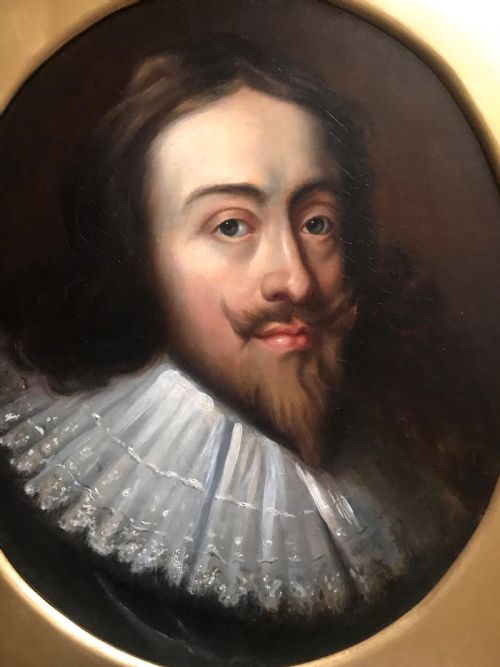
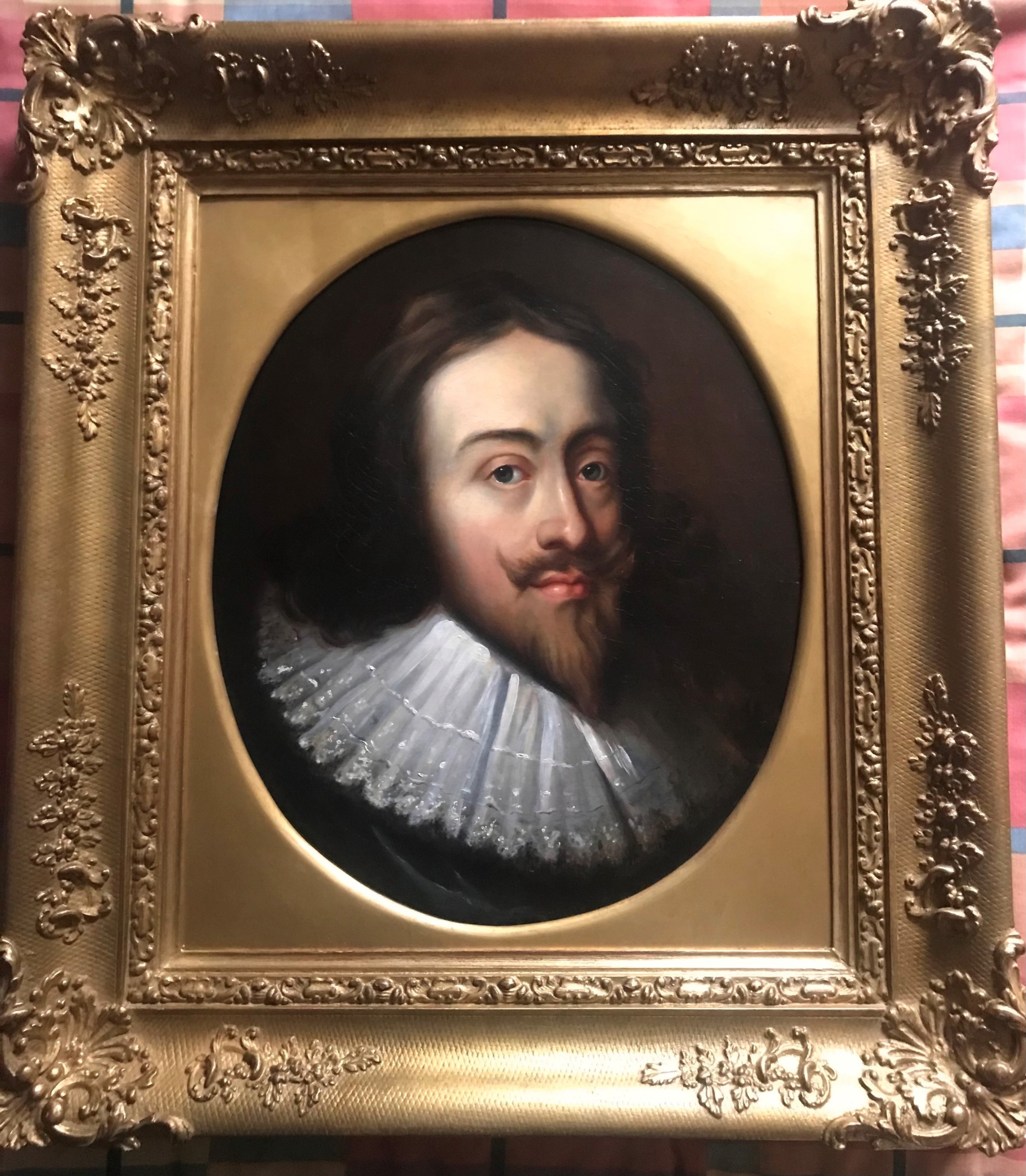
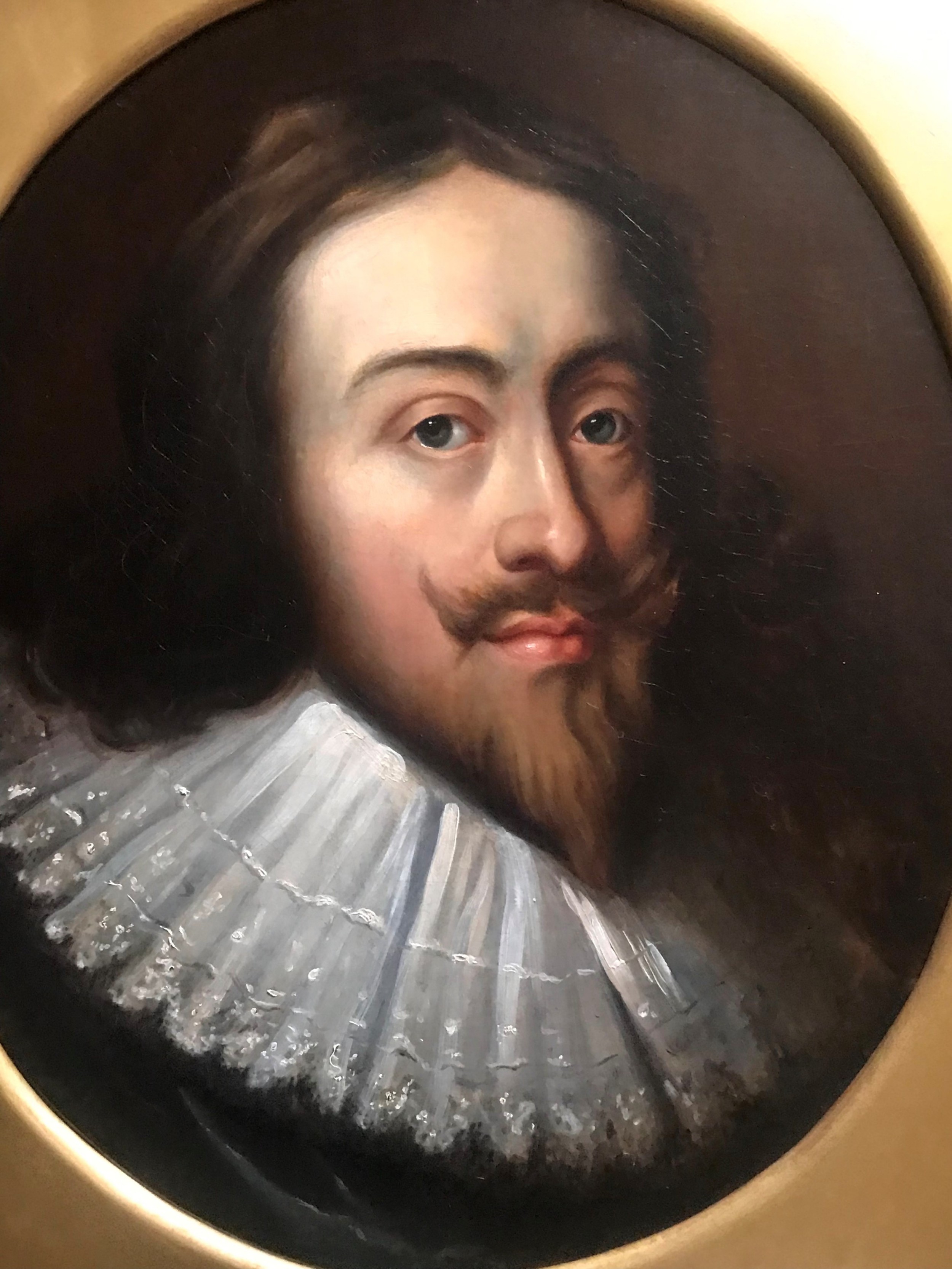
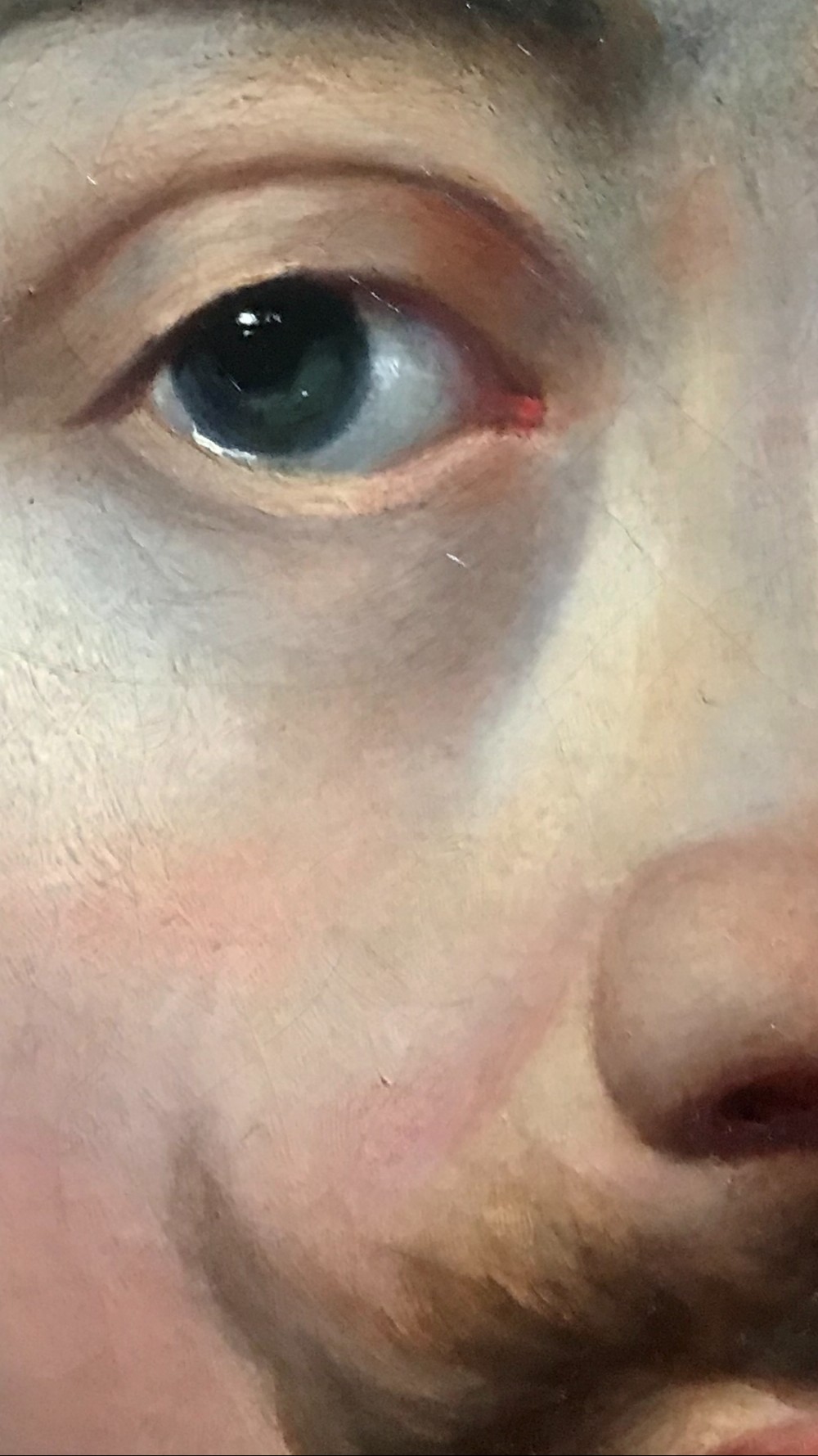
Oil on canvas in the original frame. This fine rendition of Van Dyke's portrait of the ill-fated monarch dates from c.1840 and is in excellent condition, as is the frame.

CHARLES I (19 November 1600 – 30 January 1649) was King of England, Scotland, and Ireland from 27 March 1625 until his execution in 1649. He was born into the House of Stuart as the second son of King James VI of Scotland, but after his father inherited the English throne in 1603 (as James I), he moved to England, where he spent much of the rest of his life. He became heir apparent to the three kingdoms of England, Scotland, and Ireland in 1612 on the death of his elder brother Henry Frederick, Prince of Wales. In 1625 he married the Bourbon princess Henrietta Maria of France.
After his succession in 1625, Charles quarrelled with the Parliament of England, which sought to curb his royal prerogative. Charles believed in the divine right of kings, and was determined to govern according to his own conscience. Many of his subjects opposed his policies, in particular the levying of taxes without parliamentary consent, and perceived his actions as those of a tyrannical absolute monarch. His religious policies, coupled with his marriage to a Roman Catholic, generated antipathy and mistrust from Reformed religious groups such as the English Puritans and Scottish Covenanters, who thought his views were too Catholic. His attempts to force the Church of Scotland to adopt high Anglican practices led to the Bishops' Wars, strengthened the position of the English and Scottish parliaments, and helped precipitate his own downfall.
From 1642, Charles fought the armies of the English and Scottish parliaments in the English Civil War. After his defeat in 1645, he surrendered to a Scottish force that eventually handed him over to the English Parliament (the "Long Parliament"). Charles refused to accept his captors' demands for a constitutional monarchy, and temporarily escaped captivity in November 1647. Re-imprisoned on the Isle of Wight, Charles forged an alliance with Scotland, but by the end of 1648 the Parliamentarian New Model Army had consolidated its control over England. Charles was tried, convicted, and executed for high treason in January 1649, after a show trial controlled by the Rump Parliament. The monarchy was abolished and the Commonwealth of England was established as a republic. The monarchy would be restored to Charles's son, Charles II, in 1660.
ANTHONY VAN DYKE 22 March 1599 – 9 December 1641) was a Flemish Baroque artist who became the leading court painter in England after success in the Southern Netherlands and Italy.

He is best known for his portraits of the aristocracy, most notably Charles I, and his family and associates. Van Dyck became the dominant influence on English portrait-painting for the next 150 years. His superb brushwork, apparently rather quickly painted, can usually be distinguished from the large areas painted by his many assistants. His portrait style changed considerably between the different countries he worked in, culminating in the relaxed elegance of his last English period. His influence extends into the modern period. . During his lifetime, Charles I granted him a knighthood, and he was buried in St Paul's Cathedral, an indication of his standing at the time of his death.

SIZE: 27 x 20 inches inc. frame.

PROVENANCE: Collection of the late Dr Peter Wakely.

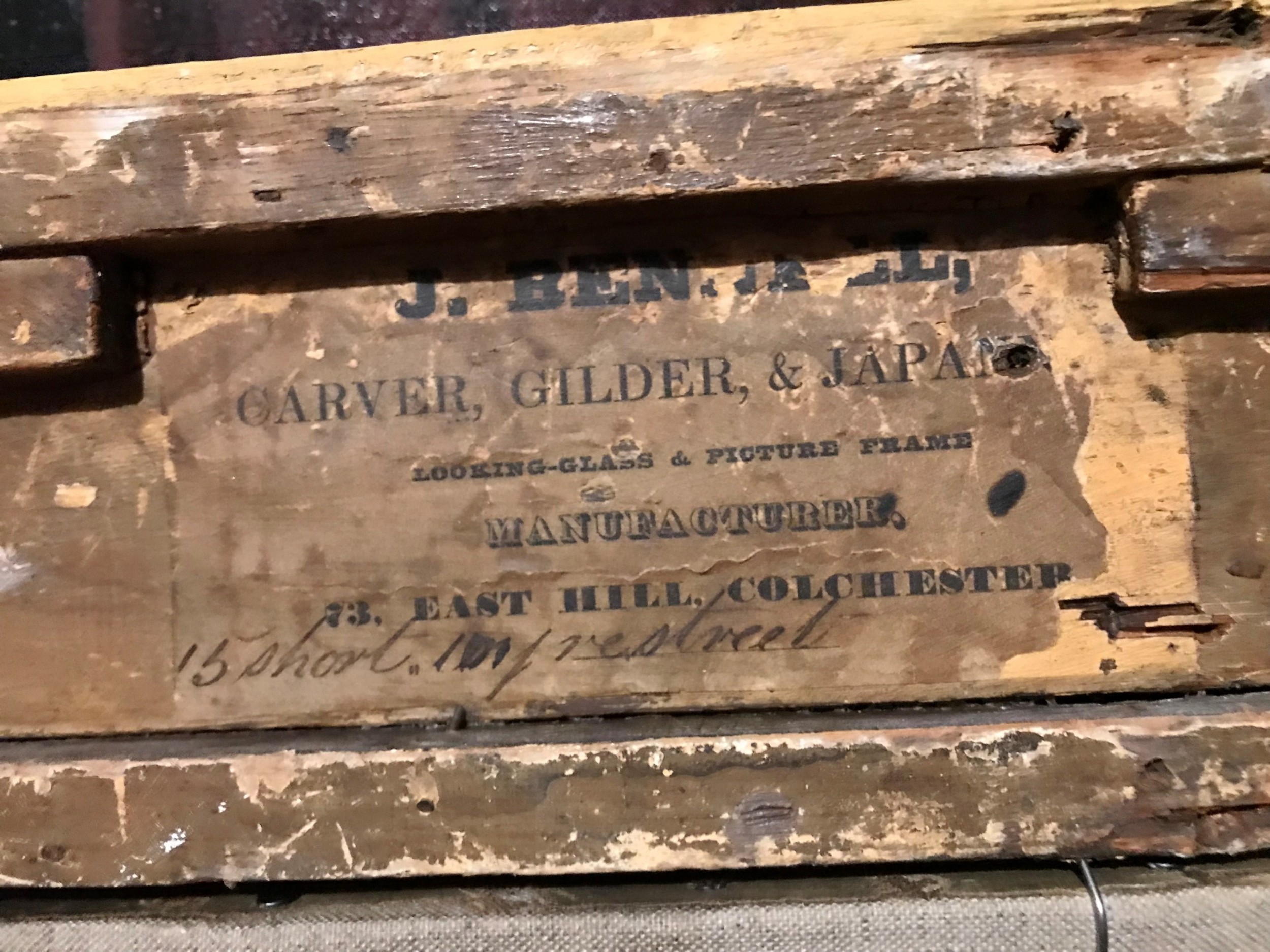
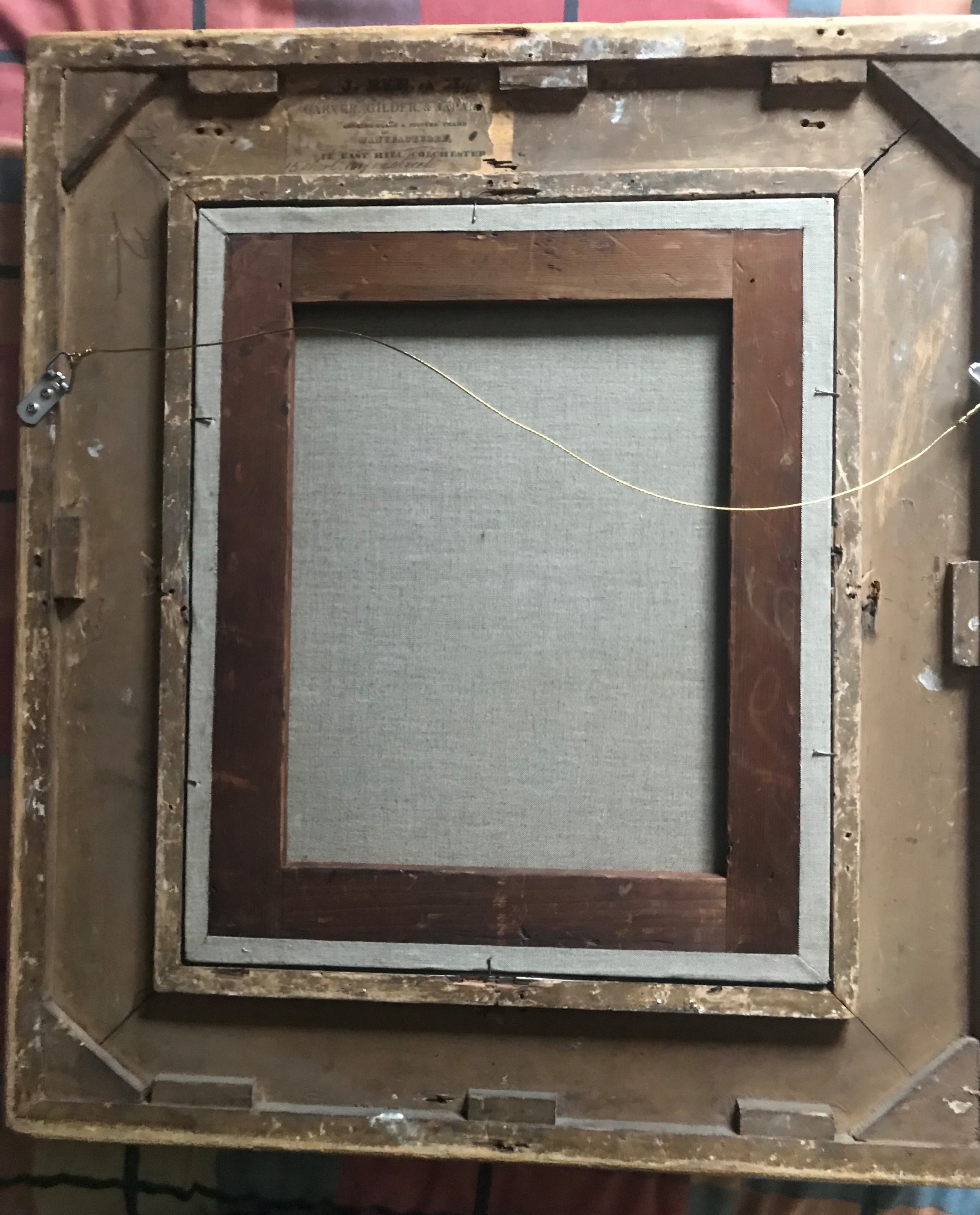
Verso; early 19th century trade label (image 5)

Physical Dimensions
Height
68.5cm (26.97")
Width
51cm (20.08")
Depth
8cm (3.15")
Declaration

Roy Precious - Antiques & Fine Art has dated this piece to the 19th Century.

Reference Numbers
Sellingantiques Reference
SA853662
Dealers Internal Reference
9250
Description
Oil on canvas in the original frame. This fine rendition of Van Dyke's portrait of the ill-fated monarch dates from c.1840 and is in excellent condition, as is the frame.
CHARLES I (19 November 1600 – 30 January 1649) was King of England, Scotland, and Ireland from 27 March 1625 until his execution in 1649.
Roy Precious - Antiques & Fine Art

He was born into the House of Stuart as the second son of King James VI of Scotland, but after his father inherited the English throne in 1603 (as James I), he moved to England, where he spent much of the rest of his life. He became heir apparent to the three kingdoms of England, Scotland, and Ireland in 1612 on the death of his elder brother Henry Frederick, Prince of Wales. In 1625 he married the Bourbon princess Henrietta Maria of France.

fig 1. Early 19th century. Portrait of King Charles I, After Van Dyck
fig 1. Early 19th Century. Portrait of King Charles I, After Van Dyck

After his succession in 1625, Charles quarrelled with the Parliament of England, which sought to curb his royal prerogative. Charles believed in the divine right of kings, and was determined to govern according to his own conscience. Many of his subjects opposed his policies, in particular the levying of taxes without parliamentary consent, and perceived his actions as those of a tyrannical absolute monarch. His religious policies, coupled with his marriage to a Roman Catholic, generated antipathy and mistrust from Reformed religious groups such as the English Puritans and Scottish Covenanters, who thought his views were too Catholic. His attempts to force the Church of Scotland to adopt high Anglican practices led to the Bishops' Wars, strengthened the position of the English and Scottish parliaments, and helped precipitate his own downfall.

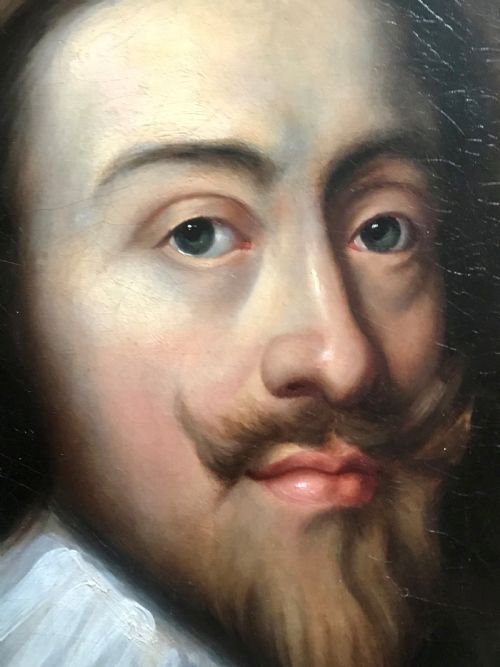
fig 2. Early 19th century. Portrait of King Charles I, After Van Dyck
fig 2. Early 19th Century. Portrait of King Charles I, After Van Dyck

From 1642, Charles fought the armies of the English and Scottish parliaments in the English Civil War. After his defeat in 1645, he surrendered to a Scottish force that eventually handed him over to the English Parliament (the "Long Parliament"). Charles refused to accept his captors' demands for a constitutional monarchy, and temporarily escaped captivity in November 1647. Re-imprisoned on the Isle of Wight, Charles forged an alliance with Scotland, but by the end of 1648 the Parliamentarian New Model Army had consolidated its control over England. Charles was tried, convicted, and executed for high treason in January 1649, after a show trial controlled by the Rump Parliament. The monarchy was abolished and the Commonwealth of England was established as a republic. The monarchy would be restored to Charles's son, Charles II, in 1660.

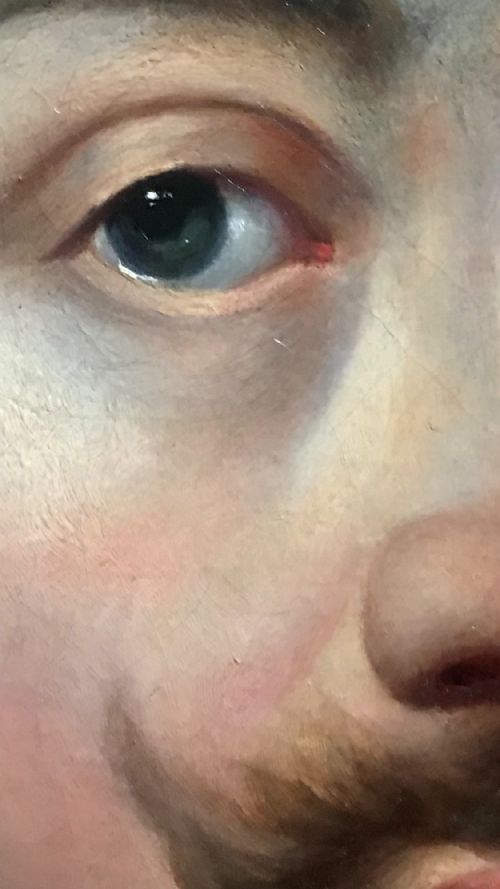
fig 3. Early 19th century. Portrait of King Charles I, After Van Dyck
fig 3. Early 19th Century. Portrait of King Charles I, After Van Dyck

ANTHONY VAN DYKE 22 March 1599 – 9 December 1641) was a Flemish Baroque artist who became the leading court painter in England after success in the Southern Netherlands and Italy.

He is best known for his portraits of the aristocracy, most notably Charles I, and his family and associates. Van Dyck became the dominant influence on English portrait-painting for the next 150 years. His superb brushwork, apparently rather quickly painted, can usually be distinguished from the large areas painted by his many assistants. His portrait style changed considerably between the different countries he worked in, culminating in the relaxed elegance of his last English period. His influence extends into the modern period. . During his lifetime, Charles I granted him a knighthood, and he was buried in St Paul's Cathedral, an indication of his standing at the time of his death.

SIZE: 27 x 20 inches inc. frame.

PROVENANCE: Collection of the late Dr Peter Wakely.

Verso; early 19th century trade label (image 5)

Height
68.5cm (26.97")
Width
51cm (20.08")
Depth
8cm (3.15")
Date of Manufacture

Roy Precious - Antiques & Fine Art has dated this piece to the 19th Century.

Reference Numbers
Sellingantiques Ref
SA853662
Dealers Internal Ref
9250
Roy Precious - Antiques & Fine Art
Sellingantiques verified Since Mar 2003

Roy and nadine precious: specialists in portraiture from the 16th to the 20th century. Established in 1972.

Dealer Profile

You can view the stock and full dealer information on the Roy Precious - Antiques & Fine Art Profile Page
PDF SHARE
SAVE
Early 19th century. Portrait of King Charles I, After Van Dyck
1 / 6
Archive I Early 19th century. Portrait of King Charles I, After Van Dyck
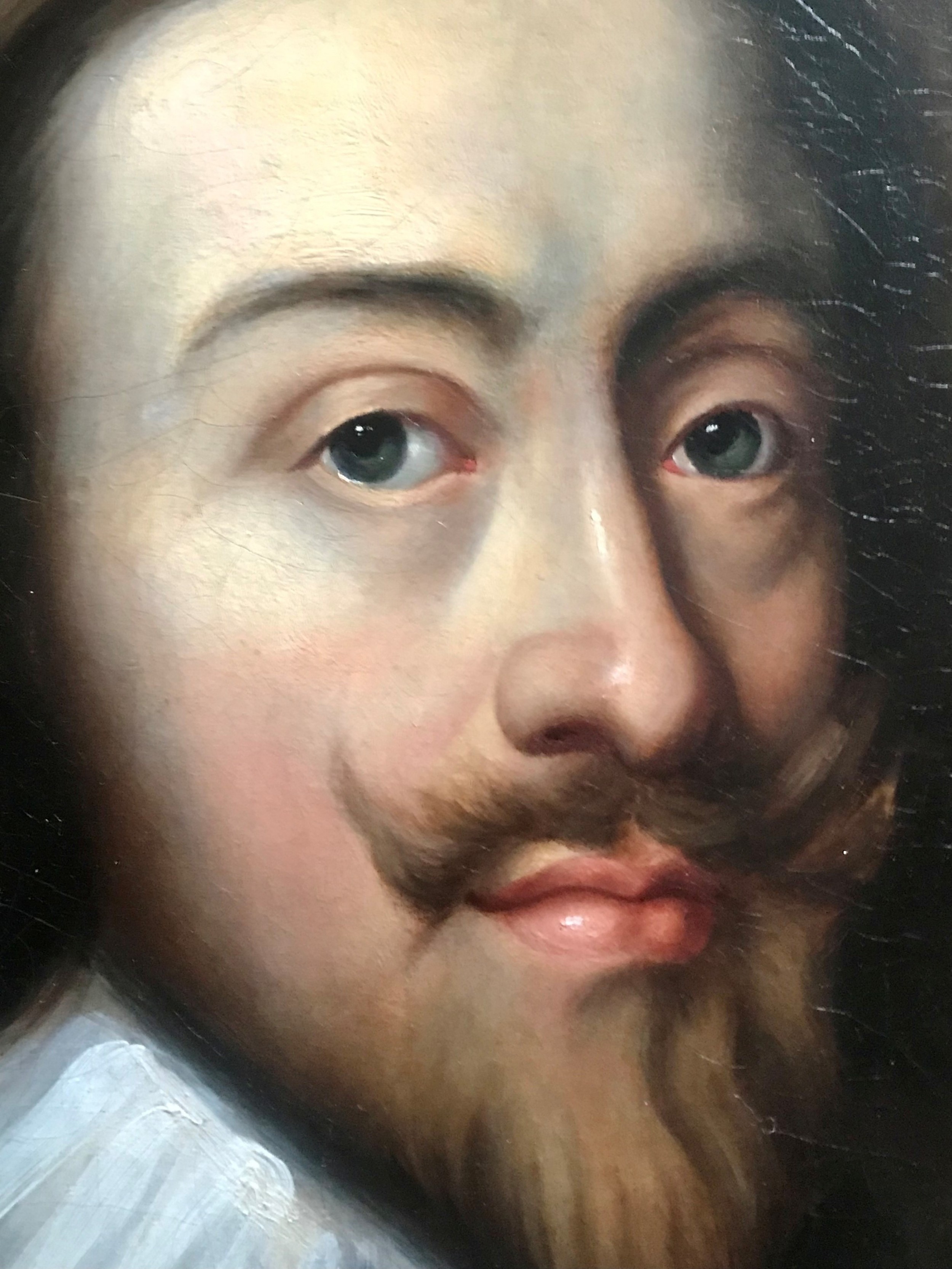
Early 19th Century. Portrait of King Charles I, After Van Dyck
Archive II Early 19th century. Portrait of King Charles I, After Van Dyck View II
Archive III Early 19th century. Portrait of King Charles I, After Van Dyck View III
Archive IV Early 19th century. Portrait of King Charles I, After Van Dyck View IV
Archive V Early 19th century. Portrait of King Charles I, After Van Dyck View V
Archive VI Early 19th century. Portrait of King Charles I, After Van Dyck View VI
Enlarged Archival View
Location
Wiltshire
United Kingdom
Dealer Profile Page sellingantiques.co.uk/rp
Verified Since Mar 2003
Items For Sale 95
Items Sold 679
Roy Precious - Antiques & Fine Art
Verified Since Mar 2003
View Dealer Info
Location: Wiltshire, United Kingdom
Verified
Mar 2003
For Sale
95
Sold
679
Early 19th century. Portrait of King Charles I, After Van Dyck
Ref: SA853662
Early 19th century. Portrait of King Charles I, After Van Dyck
Detail View 1
Detail View 2
Detail View 3
Detail View 4
Detail View 5
Archival Detail
Every single antique dealer on our platform is individually approved by our internal team. We verify their professional trade history, ethical standards, and photographic quality to ensure a secure, high-standard buying environment. Upon joining, every dealer agrees to a strict 9-point code of conduct. While issues can occasionally arise, our dealers typically resolve them swiftly and directly with the buyer. In fact, since our founding in 2002, Sellingantiques has only had to step in to help resolve an issue on roughly five occasions—a true testament to the quality of our dealers and their dedication to your happiness.
Our dealers are highly experienced in packing and shipping fragile, high-value antiques. Because you are in direct contact with the dealer, you will be able to easily go through all available shipping and insurance options together to ensure your item arrives safely.
Antiques are the ultimate green purchase. By choosing historical pieces over newly manufactured goods, you completely eliminate the carbon footprint of modern mass production while preserving exceptional, timeless craftsmanship.
items
Add keywords to the filter
Price
£100
£250000
Era
Movements
Material
Origin
Stock Location
Freshness
Online Payments
Categories