8,733  PAGES BROWSED TODAY PAGES TODAY 36  ANTIQUES UPLOADED TODAY NEW ARRIVALS
ID #SA837603
FOR SALE
£850
Email
Save
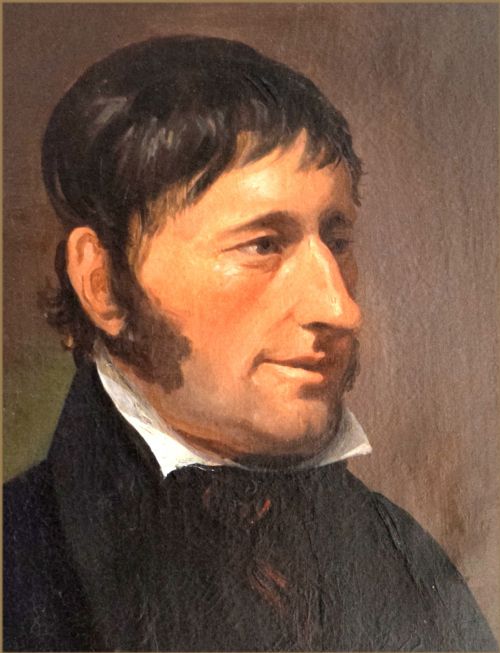
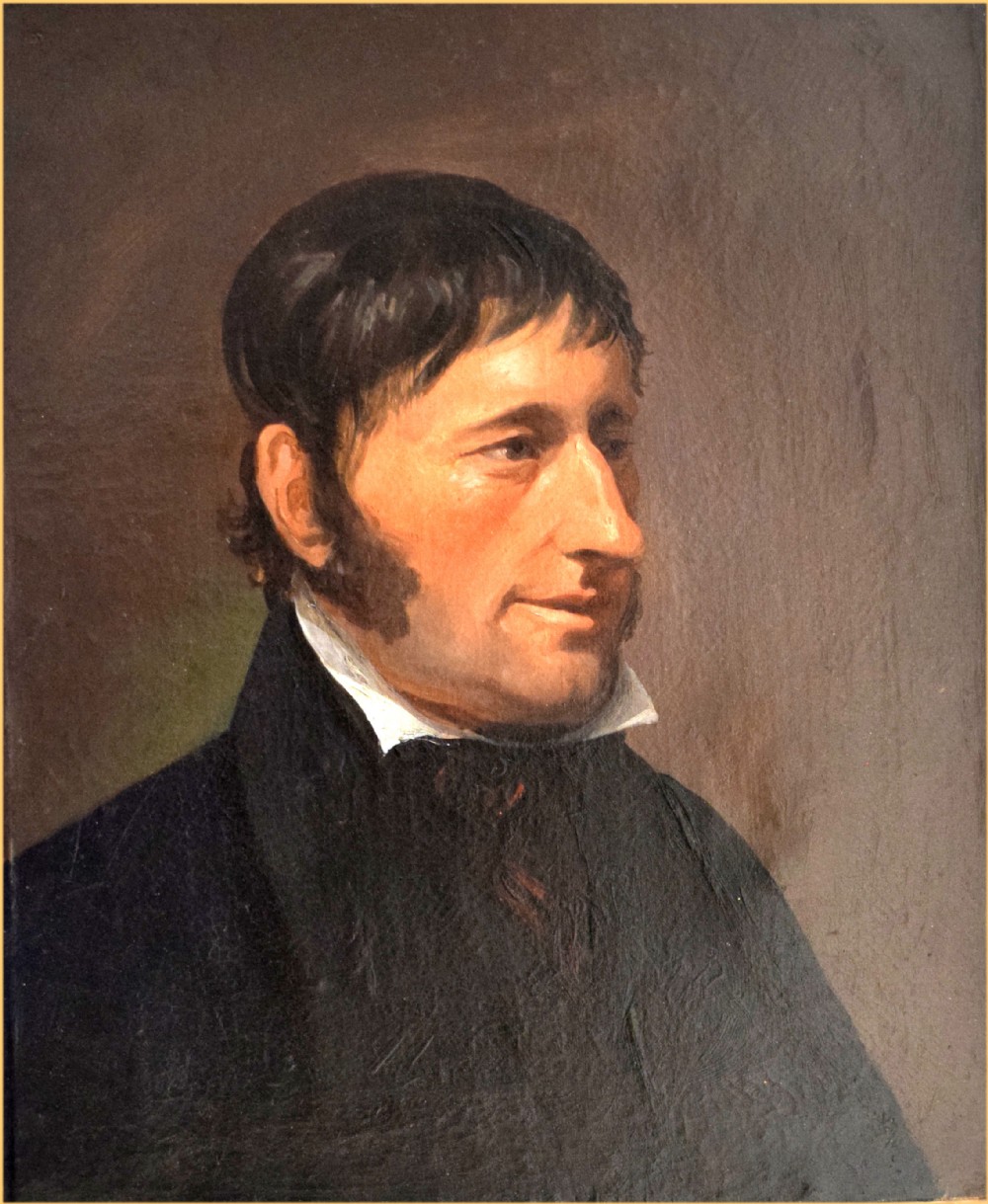
John Phillip, 1817–1867 Portrait of a Victorian Gentleman
Artware Fineart
for sale €995     $1,080
£850

Artware Fineart

Sellingantiques Verified Since Sep 2008
View Dealers Stock Page
Id #SA837603
PDF SHARE
SAVE

John Phillip, 1817–1867 Portrait of a Victorian Gentleman

19th century
For Sale by Artware Fineart
Description

John Phillip, 1817–1867

Portrait of a Victorian Gentleman

oil on canvas

36 x 28 cm.

John Phillip (19 April 1817–1867) was a Victorian era Scottish painter best known for his portrayals of Spanish life. He started painting these studies after a trip to Spain in 1851. He was nicknamed John 'Spanish' Phillip.
Born into a poor family in Aberdeen in Scotland, Phillip's artistic talent was recognised at an early age. Lord Panmure paid for Phillip to become the student of Thomas Musgrave Joy in London briefly in 1836. His education at the Royal Academy of Arts was paid for by Panmure.

While at the academy, Phillip became a member of The Clique, a group of aspirant artists organised by Richard Dadd. The Clique identified as followers of William Hogarth and David Wilkie. Phillip's own career was to follow that of fellow-Scot Wilkie very closely, beginning with carefully detailed paintings depicting the lives of Scottish crofters. He moved on to much more broadly painted scenes of Spanish life influenced by Bartolomé Esteban Murillo and Diego Velázquez.

Phillip's early works tended to depict pious Scots families. In 1851 he visited Spain after he was advised to travel to southern Europe for his health. Thereafter he concentrated on Spanish subjects. The first of these, The Letter Writer, Seville, displayed the influence of Pre-Raphaelitism, a movement he had previously opposed, along with most other members of The Clique, despite his friendship with Millais, one of its leaders. He was so influenced by his travels that he advised other artists to do the same. Some artists, such as Edwin Long, took this advice and were similarly inspired.

In the late 1850s and 1860s, Phillip's style became much broader and more painterly, in line with Millais's late work. Phillip's two most important paintings in these years were The Early Career of Murillo (1864) and La Gloria (1865, National Gallery of Scotland). The first depicted the young Murillo drawing his art from Spanish street-life; the second portrayed a Spanish wake for a dead child. Phillip was commissioned to paint the wedding in 1858 of Victoria, Princess Royal to Prince Frederick William of Prussia, later German Emperor Frederick III.

Phillip married Richard Dadd's sister. Like her brother she became insane. Phillip died of a stroke while visiting William Powell Frith in Kensington. Phillip's self-portrait, The Evil Eye, commissioned by his close friend Patrick Allan-Fraser, is in Hospitalfield House in Arbroath, along with portraits of other members of The Clique.

Physical Dimensions
Height
36cm (14.17")
Width
28cm (11.02")
Depth
2cm (0.79")
Declaration

Artware Fineart has dated this Victorian Gentleman Oil Portrait to the 19th Century.

Reference Numbers
Sellingantiques Reference
SA837603
Dealers Internal Reference
4139
Description
John Phillip, 1817–1867

Portrait of a Victorian Gentleman

oil on canvas

36 x 28 cm.

John Phillip (19 April 1817–1867) was a Victorian era Scottish painter best known for his portrayals of Spanish life.
Artware Fineart

He started painting these studies after a trip to Spain in 1851. He was nicknamed John 'Spanish' Phillip.

fig 1. A nineteenth-century oil portrait depicting a gentleman in three-quarter profile wearing a dark coat and high white collar against a dark brown backdrop.
fig 1. John Phillip, 1817–1867 Portrait of a Victorian Gentleman

Born into a poor family in Aberdeen in Scotland, Phillip's artistic talent was recognised at an early age. Lord Panmure paid for Phillip to become the student of Thomas Musgrave Joy in London briefly in 1836. His education at the Royal Academy of Arts was paid for by Panmure.

While at the academy, Phillip became a member of The Clique, a group of aspirant artists organised by Richard Dadd. The Clique identified as followers of William Hogarth and David Wilkie. Phillip's own career was to follow that of fellow-Scot Wilkie very closely, beginning with carefully detailed paintings depicting the lives of Scottish crofters. He moved on to much more broadly painted scenes of Spanish life influenced by Bartolomé Esteban Murillo and Diego Velázquez.

Phillip's early works tended to depict pious Scots families. In 1851 he visited Spain after he was advised to travel to southern Europe for his health. Thereafter he concentrated on Spanish subjects. The first of these, The Letter Writer, Seville, displayed the influence of Pre-Raphaelitism, a movement he had previously opposed, along with most other members of The Clique, despite his friendship with Millais, one of its leaders. He was so influenced by his travels that he advised other artists to do the same. Some artists, such as Edwin Long, took this advice and were similarly inspired.

In the late 1850s and 1860s, Phillip's style became much broader and more painterly, in line with Millais's late work. Phillip's two most important paintings in these years were The Early Career of Murillo (1864) and La Gloria (1865, National Gallery of Scotland). The first depicted the young Murillo drawing his art from Spanish street-life; the second portrayed a Spanish wake for a dead child. Phillip was commissioned to paint the wedding in 1858 of Victoria, Princess Royal to Prince Frederick William of Prussia, later German Emperor Frederick III.

Phillip married Richard Dadd's sister. Like her brother she became insane. Phillip died of a stroke while visiting William Powell Frith in Kensington. Phillip's self-portrait, The Evil Eye, commissioned by his close friend Patrick Allan-Fraser, is in Hospitalfield House in Arbroath, along with portraits of other members of The Clique.

Height
36cm (14.17")
Width
28cm (11.02")
Depth
2cm (0.79")
Date of Manufacture

Artware Fineart has dated this Victorian Gentleman Oil Portrait to the 19th Century.

Reference Numbers
Sellingantiques Ref
SA837603
Dealers Internal Ref
4139
Artware Fineart
Sellingantiques verified Since Sep 2008
Dealer Profile

You can view the stock and full dealer information on the Artware Fineart Profile Page
PDF SHARE
SAVE
A nineteenth-century oil portrait depicting a gentleman in three-quarter profile wearing a dark coat and high white collar against a dark brown backdrop.
1 / 2
Archive I A nineteenth-century oil portrait depicting a gentleman in three-quarter profile wearing a dark coat and high white collar against a dark brown backdrop.

John Phillip, 1817–1867 Portrait of a Victorian Gentleman
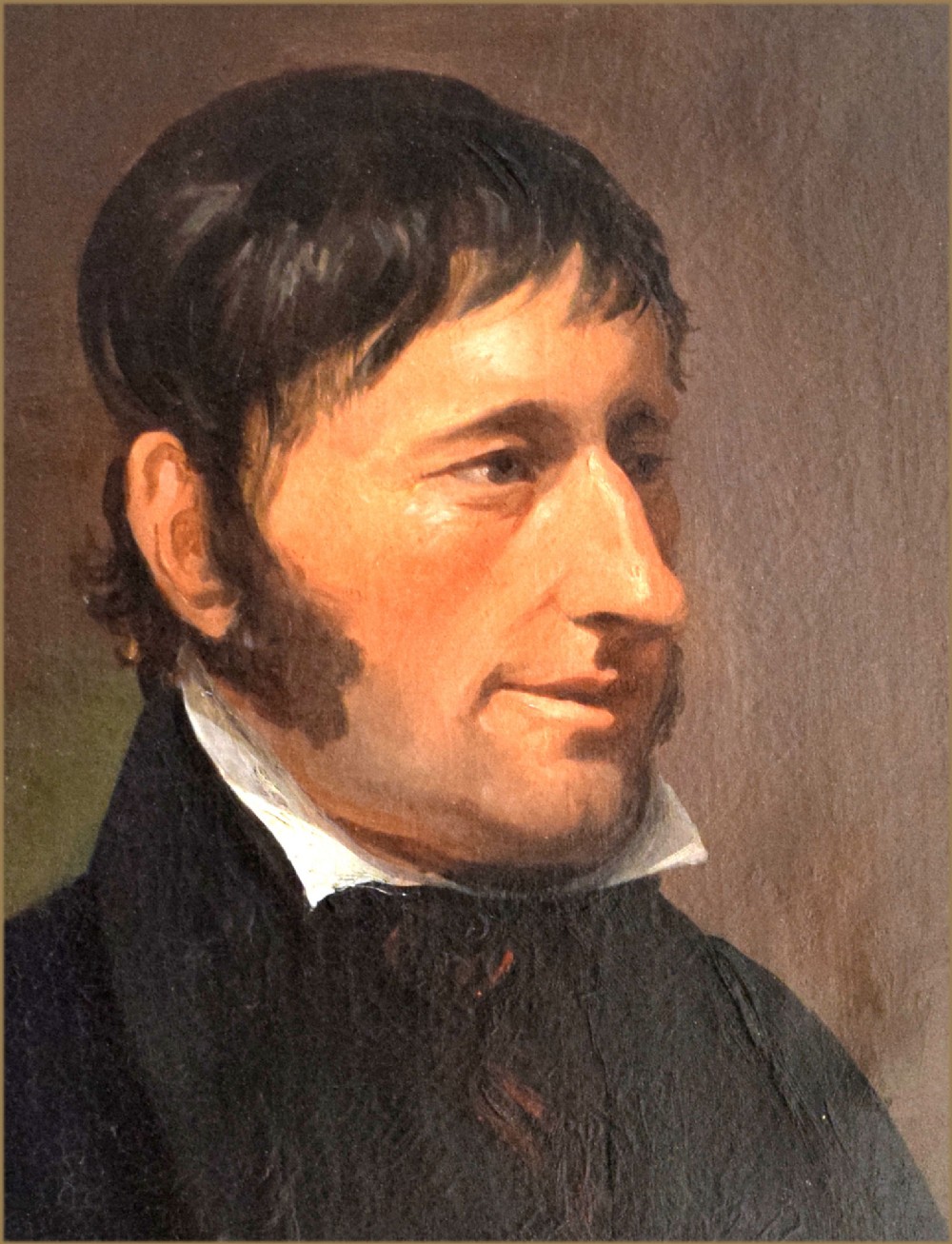
Archive II A nineteenth-century oil portrait depicting a gentleman in three-quarter profile wearing a dark coat and high white collar against a dark brown backdrop. View II
FURTHER BROWSING

Visitors also looked at these ⇣

Enlarged Archival View
Telephone 07958 699 645
Location
18 La Gare
51 Surrey Row
London
SE1 0BZ
United Kingdom
Verified Since Sep 2008
Items For Sale 243
Items Sold 223
Artware Fineart
Verified Since Sep 2008
View Dealer Info
Location: 18 La Gare , 51 Surrey Row , London , SE1 0BZ , United Kingdom
Verified
Sep 2008
For Sale
243
Sold
223
A nineteenth-century oil portrait depicting a gentleman in three-quarter profile wearing a dark coat and high white collar against a dark brown backdrop.
John Phillip, 1817–1867 Portrait of a Victorian Gentleman
Ref: SA837603
A nineteenth-century oil portrait depicting a gentleman in three-quarter profile wearing a dark coat and high white collar against a dark brown backdrop.
Detail View 1
Archival Detail
Every single antique dealer on our platform is individually approved by our internal team. We verify their professional trade history, ethical standards, and photographic quality to ensure a secure, high-standard buying environment. Upon joining, every dealer agrees to a strict 9-point code of conduct. While issues can occasionally arise, our dealers typically resolve them swiftly and directly with the buyer. In fact, since our founding in 2002, Sellingantiques has only had to step in to help resolve an issue on roughly five occasions—a true testament to the quality of our dealers and their dedication to your happiness.
Our dealers are highly experienced in packing and shipping fragile, high-value antiques. Because you are in direct contact with the dealer, you will be able to easily go through all available shipping and insurance options together to ensure your item arrives safely.
Antiques are the ultimate green purchase. By choosing historical pieces over newly manufactured goods, you completely eliminate the carbon footprint of modern mass production while preserving exceptional, timeless craftsmanship.

Victorian portraiture is characterized by realistic depictions of subjects, often focusing on social stature, formal dress, and detailed facial expressions. Influenced by both classical techniques and emerging photographic methods, artists utilised controlled lighting and somber background tones to emphasize the subjects presence.

Artisans typically applied natural oil-based pigments bound with linseed oil onto stretched flax canvas or wood panels. The surface was prepared with gesso grounds, and finished works were sealed with natural varnishes such as dammar to protect the paint layer.

Authentic period paintings display natural age signs, including craquelure across the paint surface, oxidisation of the stretcher wood, and aged canvas texture on the reverse. Inspection under ultraviolet light often reveals historic varnish layers or touch-ups.

Antique portraits create strong visual focus when set against dark, saturated wall paint or minimalist architectural spaces. They can be placed above mantelpieces, integrated into eclectic gallery walls, or paired with contemporary furniture to create balanced contrast.

Keep paintings away from direct sunlight, extreme temperature fluctuations, and high humidity to prevent canvas warping and paint cracking. Dust gentle surfaces using a soft brush, and consult a professional conservator for cleaning or varnish removal.
items
Add keywords to the filter
Price
£100
£250000
Era
Movements
Material
Origin
Stock Location
Freshness
Online Payments
Categories