8,734  PAGES BROWSED TODAY PAGES TODAY 13  ANTIQUES UPLOADED TODAY NEW ARRIVALS
ID #SA819389
SOLD
Email
Save
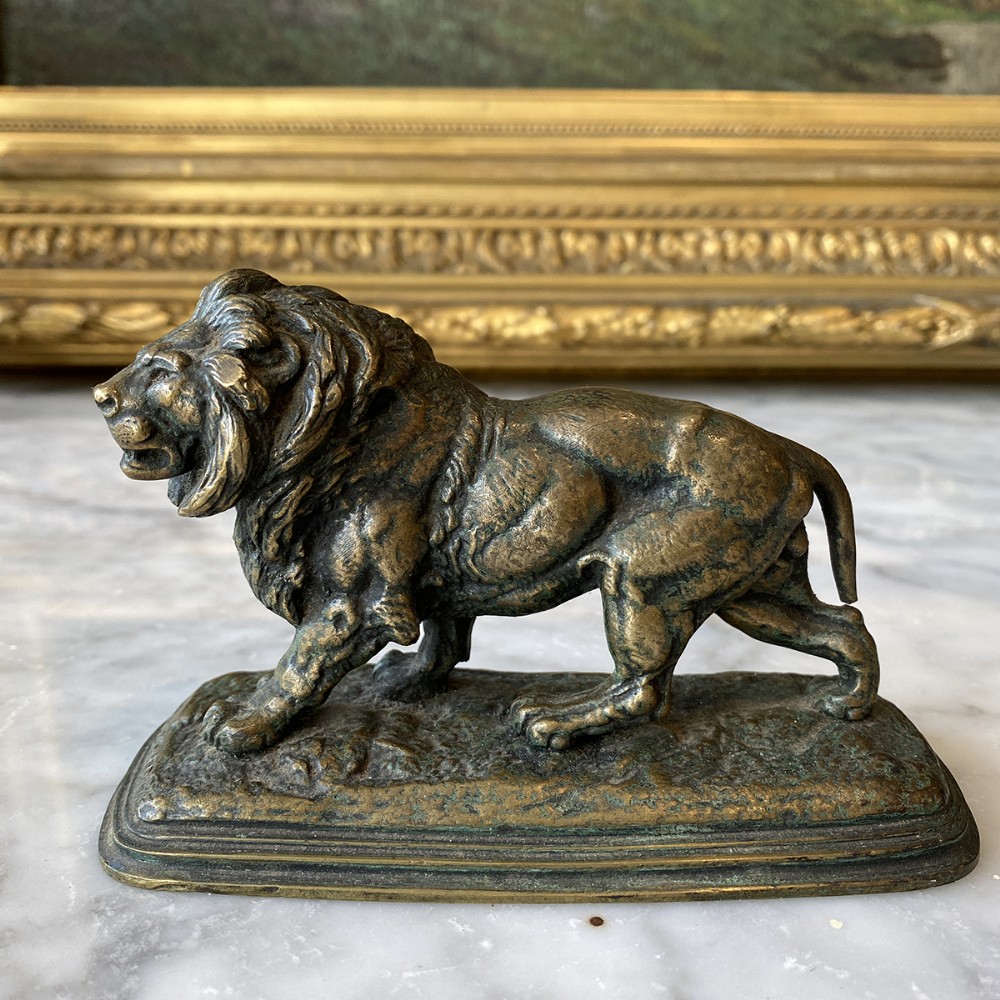
Bronze Sculpture of a Lion
Rue des Fontenelles
sold SA819389
Sorry, but this item has been sold.

Rue des Fontenelles

Sellingantiques Verified Since Mar 2015
View Dealers Stock Page
  • About Us
    Specialists in french antiiques, decorative objects and french and european paintings.
Id #SA819389
PDF SHARE
SAVE

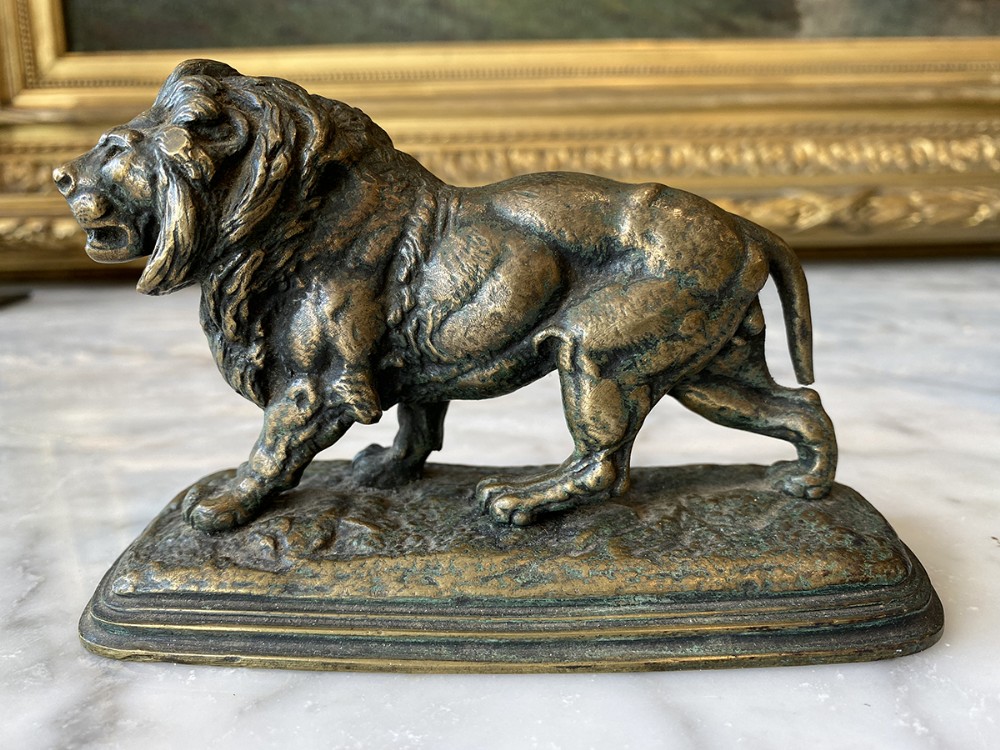
Bronze Sculpture of a Lion

19th century
Description

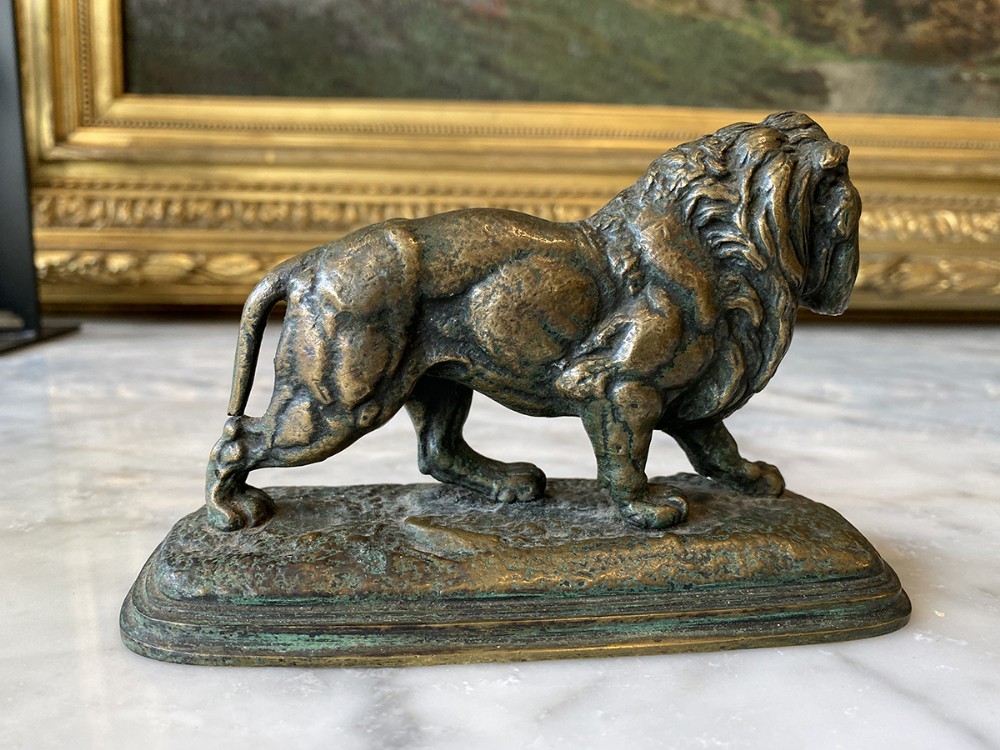
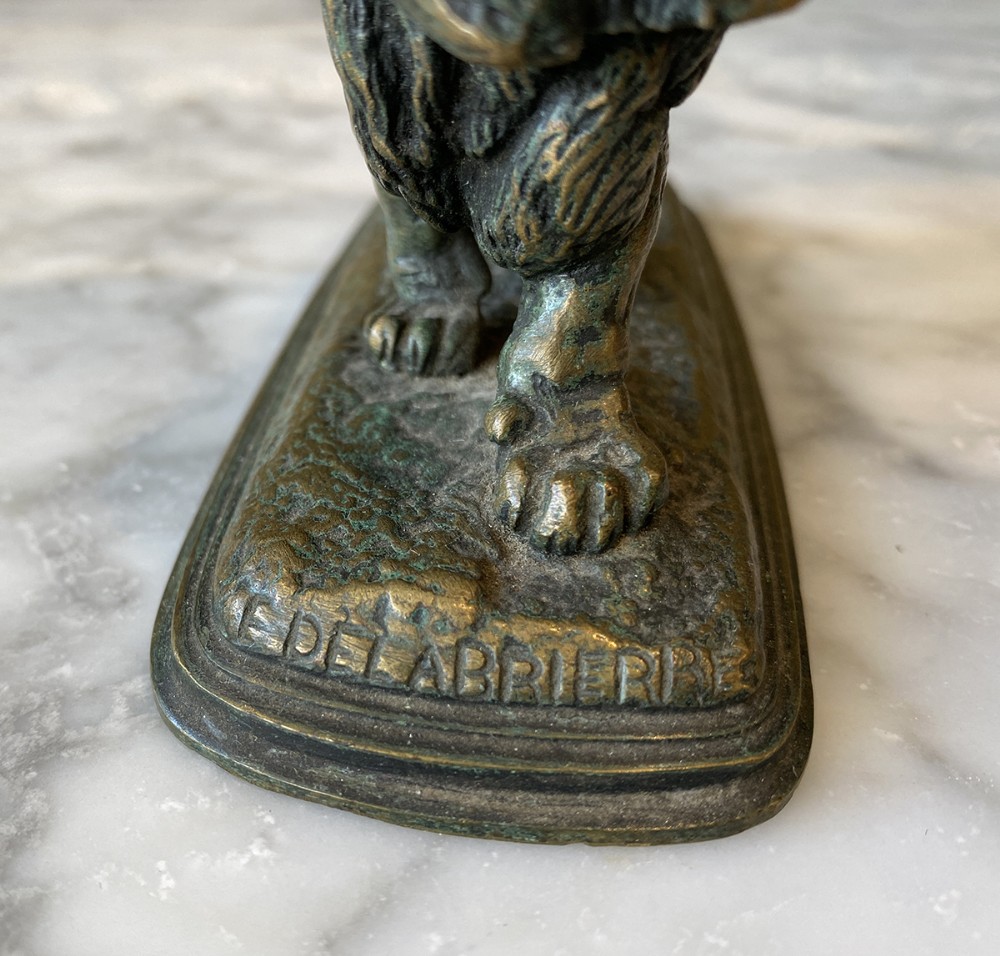
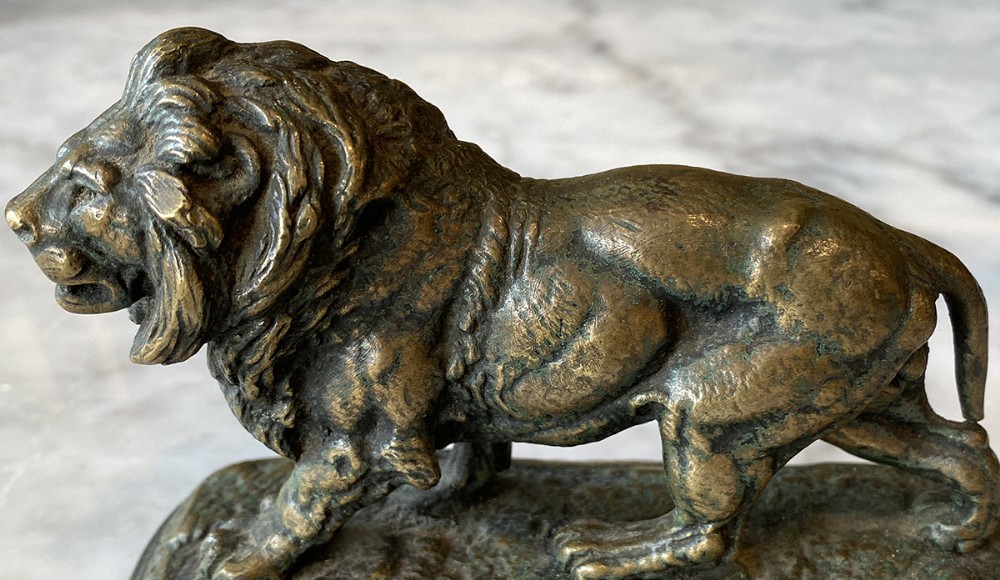
Bronze sculpture of a lion by the French sculptor Paul-Édouard Delabrierre (29 March 1829–1912).

Delabrierre was a French animal sculptor who worked in the mid-to-late 19th century and the early 20th century. He had 70 of his sculptures juried into the prestigious Salon art exhibition held annually in Paris. His monumental work called L'Equitation adorns the facade of the Louvre.
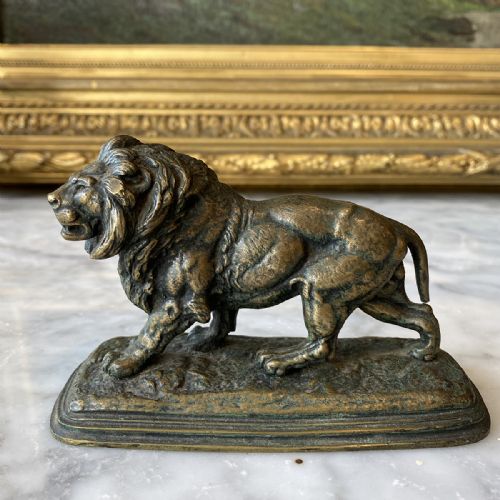
Delabrierre first studied painting under the direction of Jean-Baptiste Delestre but ultimately became a sculptor instead. Little is known of Delabrierre's life besides the work he left behind which exist in bronze, plaster, wax, and terracotta. He was an important member of the animalier school who exhibited at the Salon from 1848 through 1882. His first two exhibits were typical of the style of his work throughout his career. He submitted Greyhound Holding a Hare and Wounded Deer. Most of his works were comparatively small models, however his larger pieces often incorporated figures. His work varies in style and quality with some models directly influenced by Antoine-Louis Barye who was the father of the animalier school.
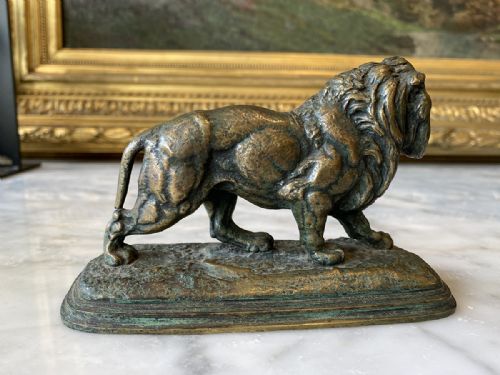
Delabrierre's more popular realist bronzes were of impeccable quality and place him in the top echelon of his school. The facade of the Louvre incorporates one of his largest groups, the monumental L 'Equitation, which depicts a horse and two putti, one of whom is aboard the horse. It was completed by Delabrièrre in 1857 and installed that same year. In the final two years of his exhibiting career Delabrièrre experimented with iron as a worthy material for the Salon, although that idea did not go over well with collectors who were accustomed to bronzes. The works that were done in cast iron were produced by the art foundry Durenne Val Osne under the direction of Pierre Louis Rouillard. A list of Delabrièrre's 70 works presented at the Salon can be found in the Dictionnaire des Sculpteurs by Stanislas Lami.
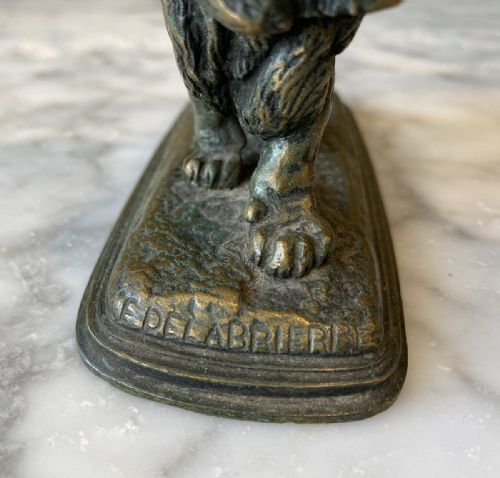
Versatility was one of his strengths. The range of animals he sculpted covers nearly every large mammal to be found in continental Europe. He also did a few lion and panther sculptures during his career, as well as some camel and bird pieces, but his favorite subjects seemed to be dogs and big cats. He exhibited his Javanese panther in plaster at the 1857 Salon as well as Tigre du Bengale at the 1865 Salon. His repertoire also included some pieces executed in the orientalist genre. Delabrièrre used both the sand casting method and the lost wax method to create his sculptures.

Bronzes by Delabrierre and fellow animalier and countryman Jules Moigniez were popular in Britain and the United States in the late 19th century.

Physical Dimensions
Height
9cm (3.54")
Width
14cm (5.51")
Depth
6cm (2.36")
Declaration

Rue des Fontenelles has dated this piece to the 19th Century.

Reference Numbers
Sellingantiques Reference
SA819389
Description
Bronze sculpture of a lion by the French sculptor Paul-Édouard Delabrierre (29 March 1829–1912).
Delabrierre was a French animal sculptor who worked in the mid-to-late 19th century and the early 20th century.
Rue des Fontenelles

He had 70 of his sculptures juried into the prestigious Salon art exhibition held annually in Paris. His monumental work called L'Equitation adorns the facade of the Louvre.

fig 1. Bronze Sculpture of a Lion

Delabrierre first studied painting under the direction of Jean-Baptiste Delestre but ultimately became a sculptor instead. Little is known of Delabrierre's life besides the work he left behind which exist in bronze, plaster, wax, and terracotta. He was an important member of the animalier school who exhibited at the Salon from 1848 through 1882. His first two exhibits were typical of the style of his work throughout his career. He submitted Greyhound Holding a Hare and Wounded Deer. Most of his works were comparatively small models, however his larger pieces often incorporated figures. His work varies in style and quality with some models directly influenced by Antoine-Louis Barye who was the father of the animalier school.

fig 2. Bronze Sculpture of a Lion

Delabrierre's more popular realist bronzes were of impeccable quality and place him in the top echelon of his school. The facade of the Louvre incorporates one of his largest groups, the monumental L 'Equitation, which depicts a horse and two putti, one of whom is aboard the horse. It was completed by Delabrièrre in 1857 and installed that same year. In the final two years of his exhibiting career Delabrièrre experimented with iron as a worthy material for the Salon, although that idea did not go over well with collectors who were accustomed to bronzes. The works that were done in cast iron were produced by the art foundry Durenne Val Osne under the direction of Pierre Louis Rouillard. A list of Delabrièrre's 70 works presented at the Salon can be found in the Dictionnaire des Sculpteurs by Stanislas Lami.

fig 3. Bronze Sculpture of a Lion

Versatility was one of his strengths. The range of animals he sculpted covers nearly every large mammal to be found in continental Europe. He also did a few lion and panther sculptures during his career, as well as some camel and bird pieces, but his favorite subjects seemed to be dogs and big cats. He exhibited his Javanese panther in plaster at the 1857 Salon as well as Tigre du Bengale at the 1865 Salon. His repertoire also included some pieces executed in the orientalist genre. Delabrièrre used both the sand casting method and the lost wax method to create his sculptures.

Bronzes by Delabrierre and fellow animalier and countryman Jules Moigniez were popular in Britain and the United States in the late 19th century.

Height
9cm (3.54")
Width
14cm (5.51")
Depth
6cm (2.36")
Date of Manufacture

Rue des Fontenelles has dated this piece to the 19th Century.

Reference Numbers
Sellingantiques Ref
SA819389
Rue des Fontenelles
Sellingantiques verified Since Mar 2015

Specialists in french antiiques, decorative objects and french and european paintings.

Dealer Profile

You can view the stock and full dealer information on the Rue des Fontenelles Profile Page
PDF SHARE
SAVE
Bronze Sculpture of a Lion
1 / 5
Archive I Bronze Sculpture of a Lion

Bronze Sculpture of a Lion

Archive II Bronze Sculpture of a Lion View II
Archive III Bronze Sculpture of a Lion View III
Archive IV Bronze Sculpture of a Lion View IV
Archive V Bronze Sculpture of a Lion View V
Enlarged Archival View
Location
Chagford
Devon
United Kingdom
Verified Since Mar 2015
Items For Sale 155
Items Sold 1,180
Rue des Fontenelles
Verified Since Mar 2015
View Dealer Info
Location: Chagford, Devon, United Kingdom
Verified
Mar 2015
For Sale
155
Sold
1,180
Bronze Sculpture of a Lion
Ref: SA819389
Bronze Sculpture of a Lion
Detail View 1
Detail View 2
Detail View 3
Detail View 4
Archival Detail
Every single antique dealer on our platform is individually approved by our internal team. We verify their professional trade history, ethical standards, and photographic quality to ensure a secure, high-standard buying environment. Upon joining, every dealer agrees to a strict 9-point code of conduct. While issues can occasionally arise, our dealers typically resolve them swiftly and directly with the buyer. In fact, since our founding in 2002, Sellingantiques has only had to step in to help resolve an issue on roughly five occasions—a true testament to the quality of our dealers and their dedication to your happiness.
Our dealers are highly experienced in packing and shipping fragile, high-value antiques. Because you are in direct contact with the dealer, you will be able to easily go through all available shipping and insurance options together to ensure your item arrives safely.
Antiques are the ultimate green purchase. By choosing historical pieces over newly manufactured goods, you completely eliminate the carbon footprint of modern mass production while preserving exceptional, timeless craftsmanship.
items
Add keywords to the filter
Price
£100
£250000
Era
Movements
Material
Origin
Stock Location
Freshness
Online Payments
Categories