Roy Precious - Antiques & Fine Art has dated this piece to the 17th Century.
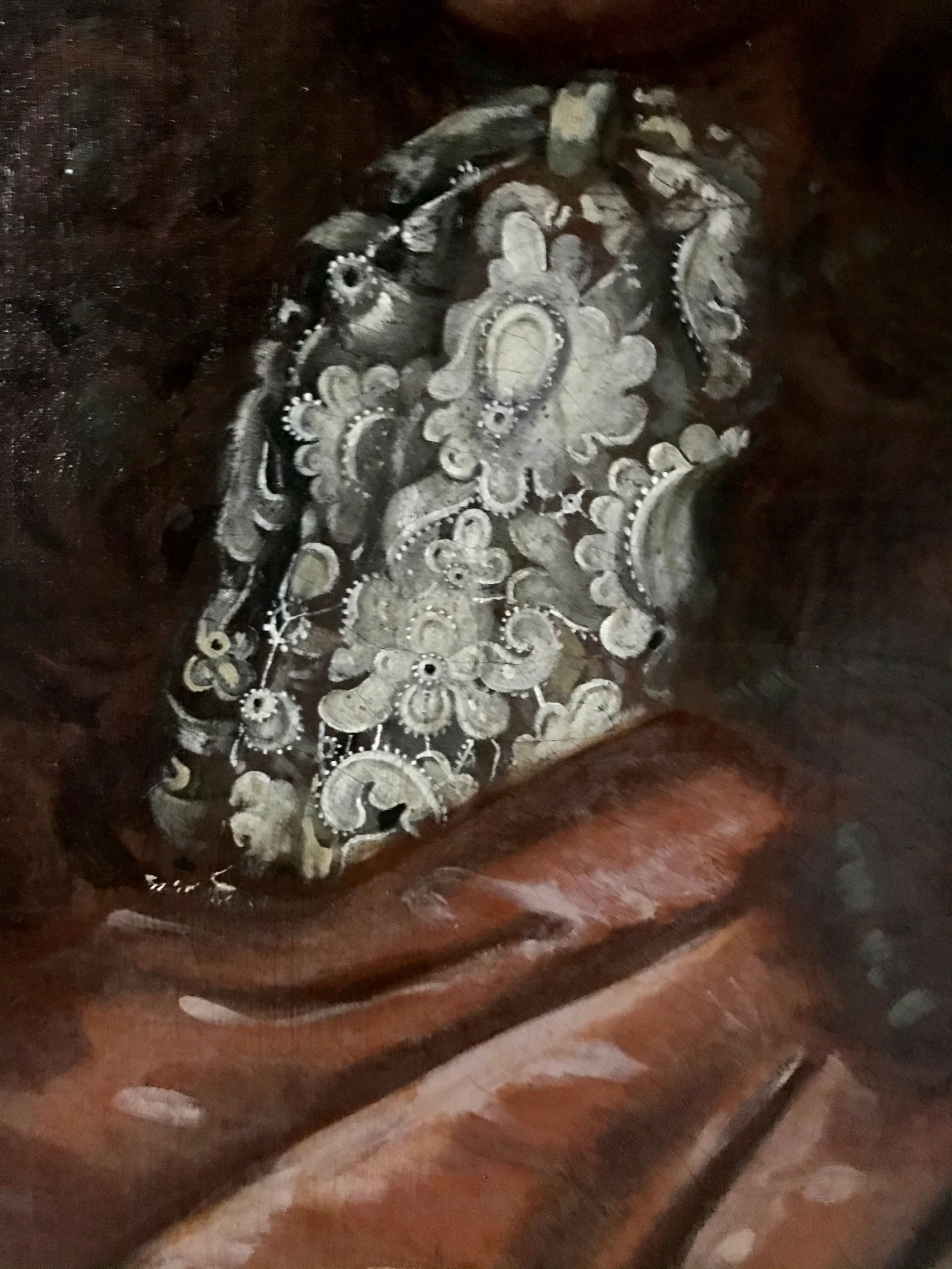
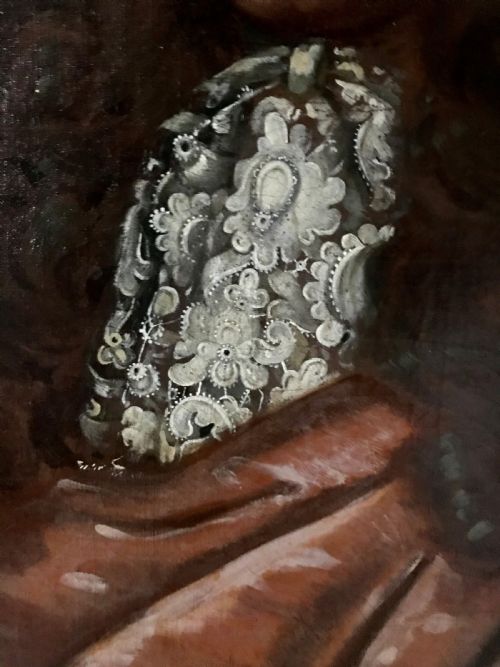
This portrait of Sir Henry Gough has a very direct feel, the sitter looking out with a level gaze; the pose and use of a silk wrap is typical of Greenhill's work and thus the work of artists who were very much influenced by him.
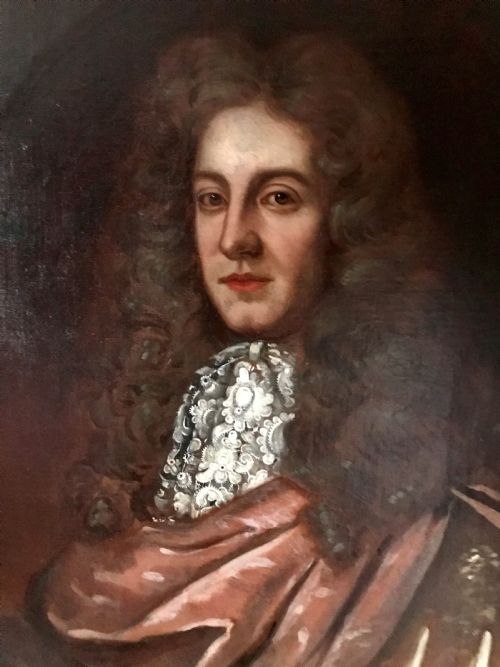
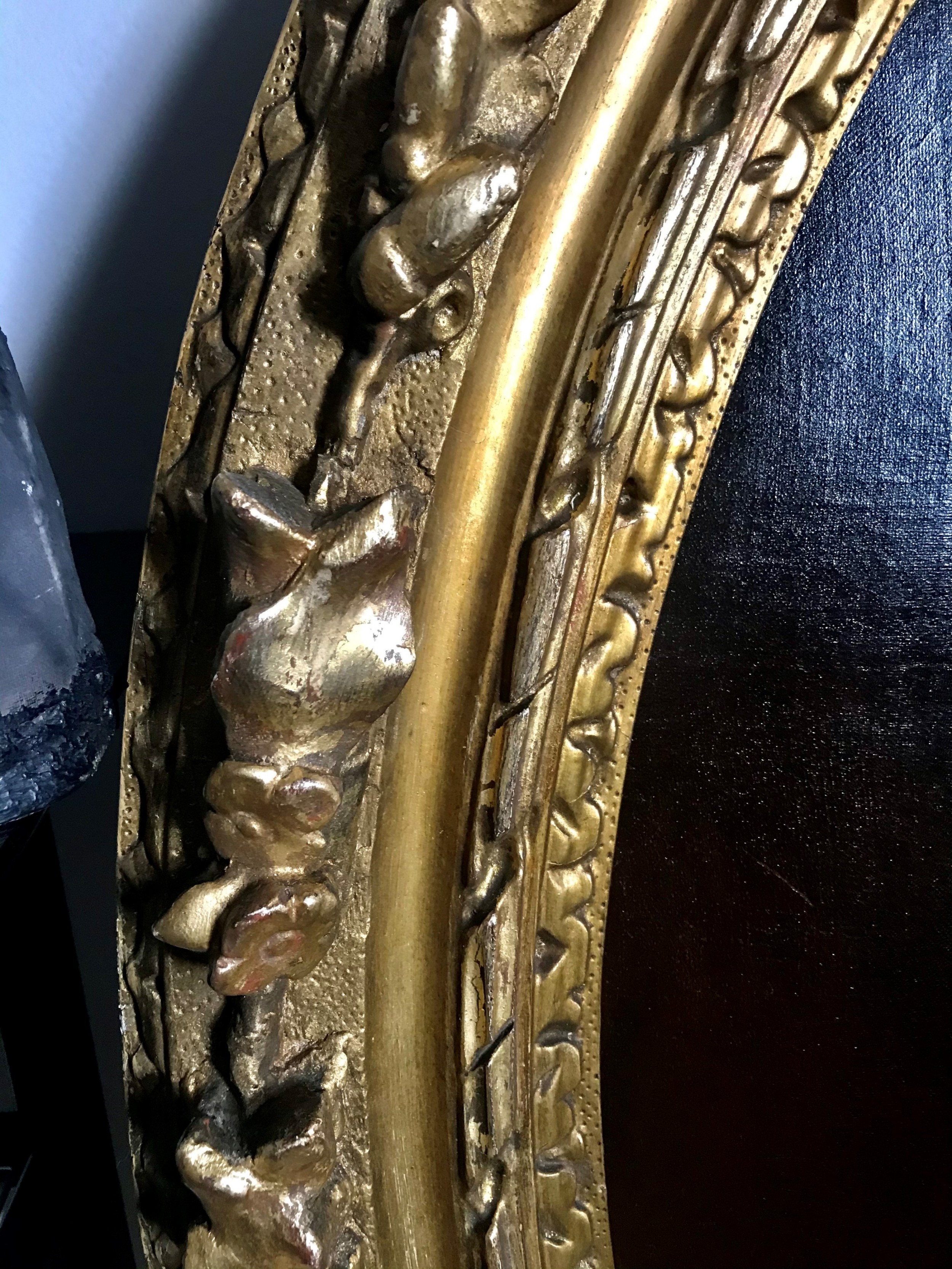
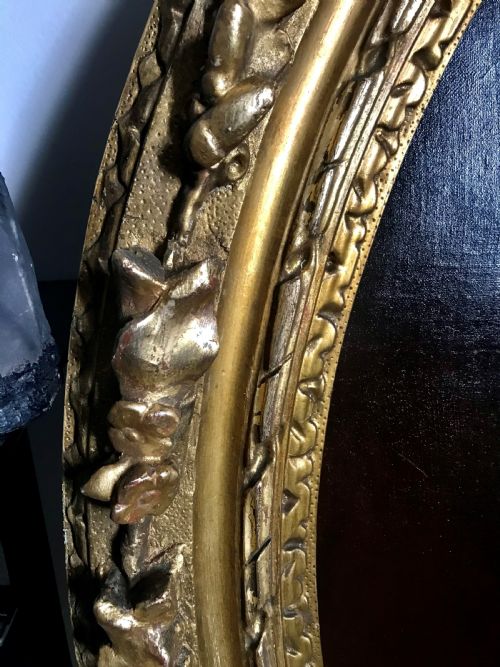
The frame is superb, almost certainly the original one, it is hand carved by a master craftsman ... a work of art in its own right.
Gough was the eldest son of John Gough (died 1665) of Old Fallings and his second wife, Bridget, the daughter of Sir John Astley of Woodeaton, Oxfordshire. He was the elder brother of Sir Richard Gough. He matriculated at Christ Church, Oxford, in 1666 and entered Middle Temple in 1667. He lived at Perry Hall in Staffordshire. He married Mary Littleton, the daughter of Sir Edward Littleton, 2nd Bt., of Pillaton Hall, Staffordshire in 1668.
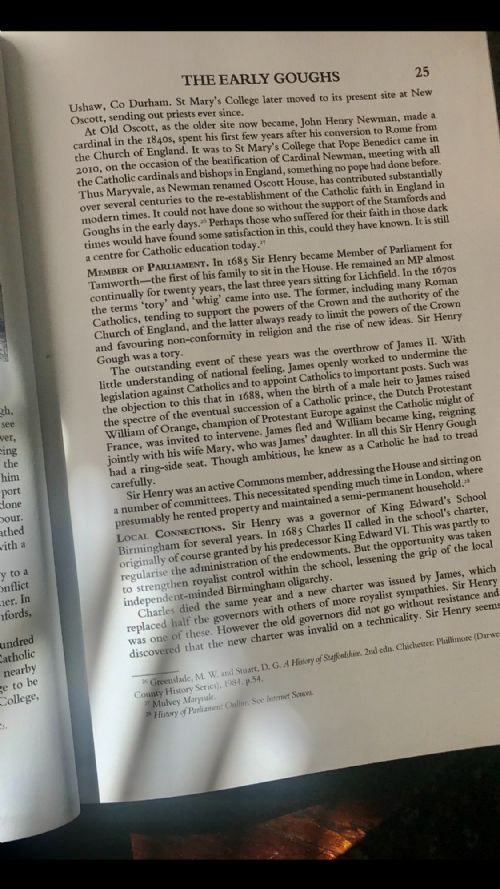
Gough was High Sheriff of Staffordshire for the year 1671 to 1672. In 1678, he was knighted for services his grandfather rendered to Charles I in 1642. He was elected as a Tory Member of Parliament for Tamworth in 1685, 1689 and 1699. In 1705, he was elected MP for Lichfield.
Gough died on 24 January 1724 and was buried at Bushbury. Only three of his eleven sons survived including Harry Gough (1681–1751).
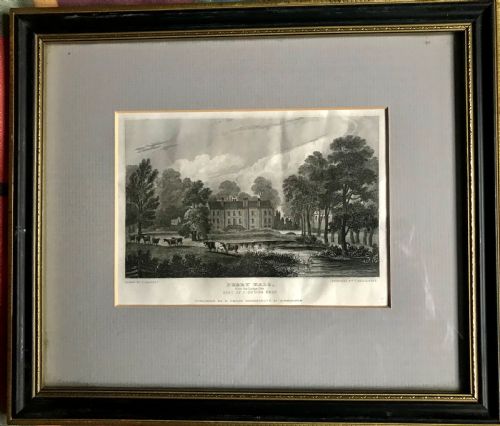
Perry Hall was demolished in 1927; its site has been in Birmingham since 1928, the house has gone, but its moat remains in Perry Park.
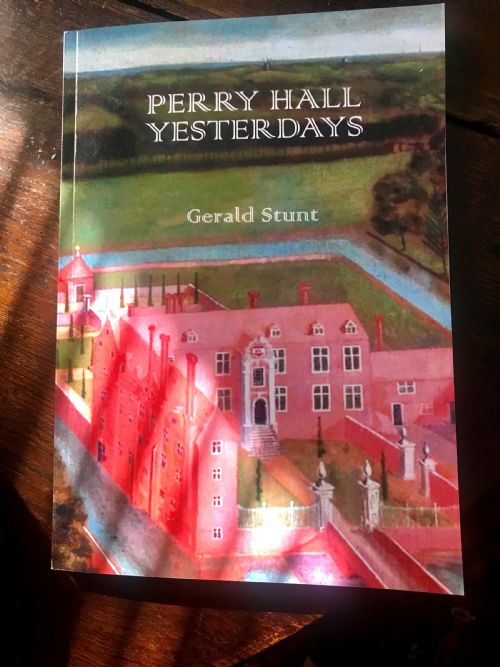
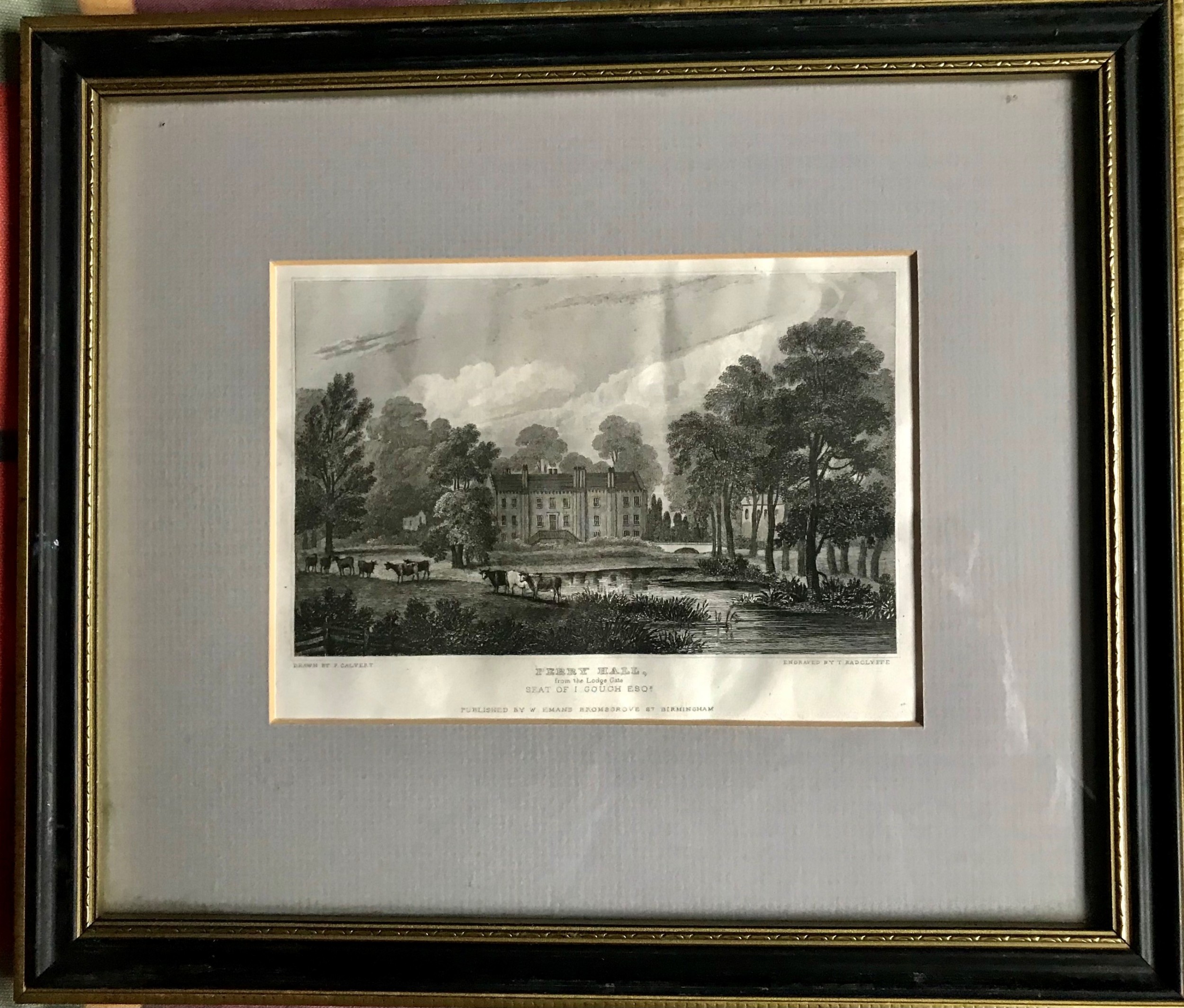
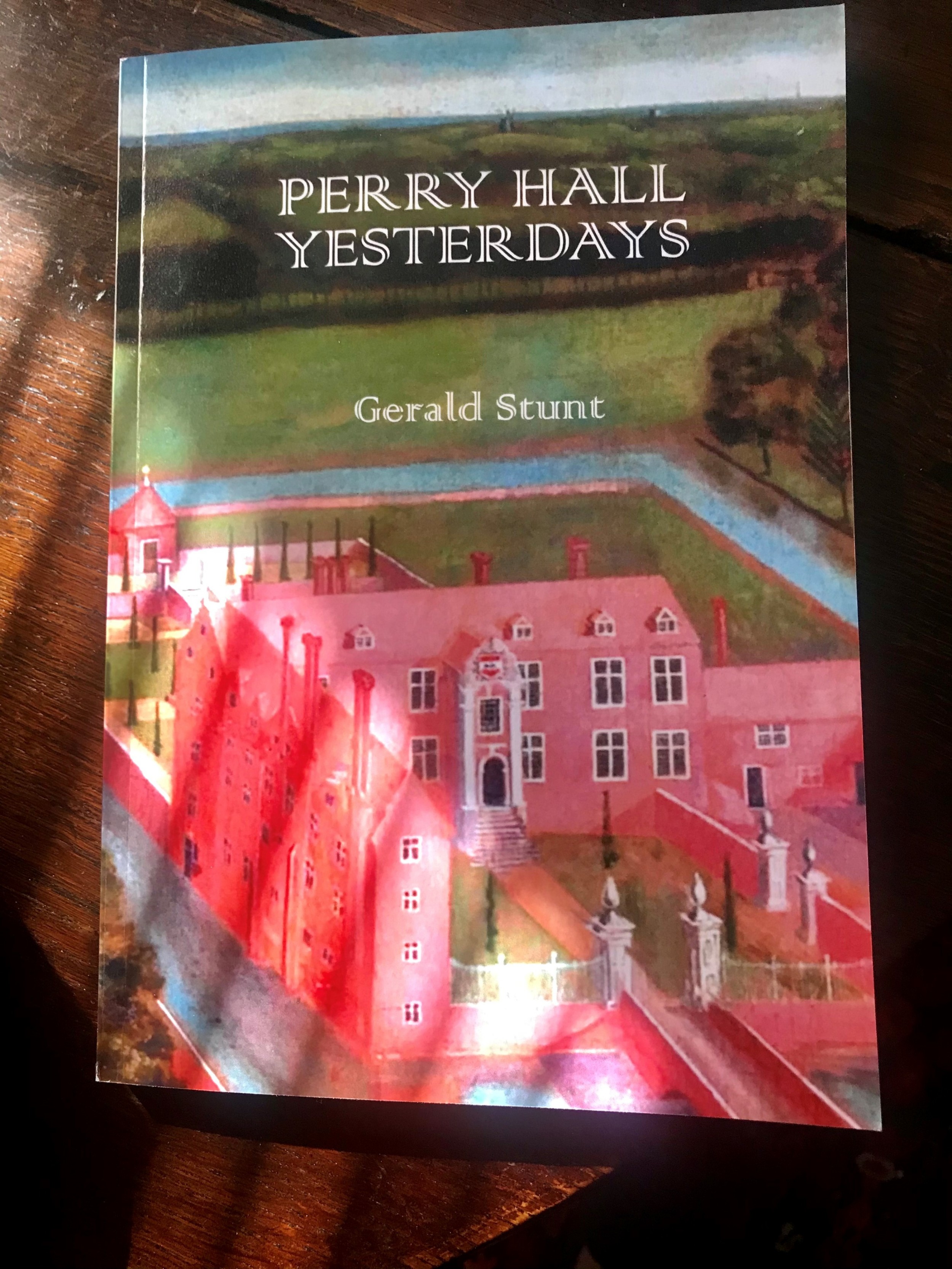
With this portrait comes a 19th century print of Perry Hall as it was then. (Image 5) and a book on Perry Hall and the Goughs, containing much more information on Sir Henry and his family. (Images 6 and 7).
JOHN GREENHILL (c.1644-1676), was an English born portrait painter whose initial training is unknown but who rivalled the leading London artists of the seventeenth century.
The Restoration of King Charles II (1630-85) stimulated an upheaval within the cultural sphere, in particular artistic patronage. Portrait painters such as Sir Peter Lely quickly found favour amongst the highest ranks of society, and as a result many continental artists migrated to England in a bid to win the patronage of the monarch, prosperous courtiers and powerful statesmen. Greenhill was amongst very few English artists able to compete with the popularity and skill of foreign artists and just one month before his premature death, he was still considered one of the most talented portrait painters of the age.
Of all the artists to emerge from the studio of Sir Peter Lely (1618-80) – the dominant artist in England in the late seventeenth century – John Greenhill was, as George Vertue noted, “the most excellent.” He is known to have joined Lely’s studio by 1662, but seems to have left fairly soon afterwards to establish his own practice. Vertue claimed that Lely was jealous of his pupil’s ability. He was commissioned to paint a number of leading figures of the court, including Anne, Duchess of York, and even the King. However, his dissolute lifestyle led to the end of promising career – he died barely into his thirties, after falling into a flooded gutter, drunk, in Long Acre, leaving a wife and young family behind.
SIZE: 37 x 32 x 2.75 inches including the frame.
PROVENANCE: By family descent.
Christie's, South Kensington, 11 May 1983, lot 230.
The Collection of Surgeon Vice Admiral Godfrey Milton-Thompson.
Roy Precious - Antiques & Fine Art has dated this piece to the 17th Century.
Roy and nadine precious: specialists in portraiture from the 16th to the 20th century. Established in 1972.
You can view the stock and full dealer information on the Roy Precious - Antiques & Fine Art Profile Page
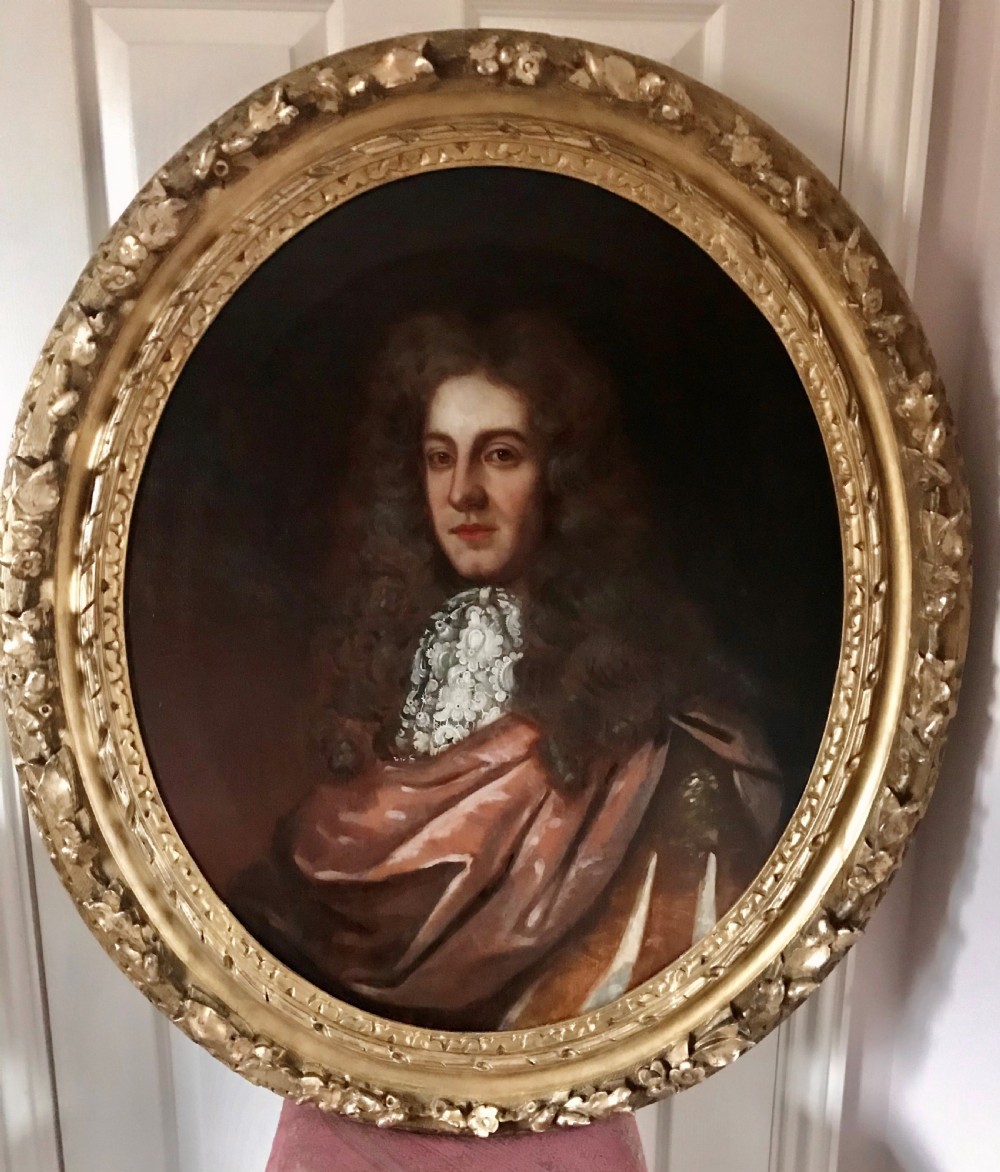

Portrait of Sir Henry Gough C.1675; Circle of John Greenhill.