35,991  PAGES BROWSED TODAY PAGES TODAY 192  ANTIQUES UPLOADED TODAY NEW ARRIVALS
Sort Order
Items Per Page
ID #SA756930
SOLD
Email
Save
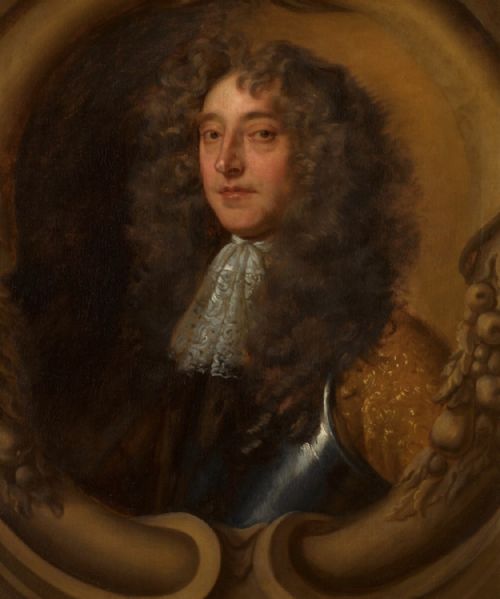
George Villiers, 4th Viscount Grandison C.1675, by Sir Peter Lely.
Roy Precious - Antiques & Fine Art
sold SA756930
Sorry, but this item has been sold.
Roy Precious - Antiques & Fine Art

Roy Precious - Antiques & Fine Art

Sellingantiques Verified Since Mar 2003
View Dealers Stock Page
  • About Us
    Roy and nadine precious: specialists in portraiture from the 16th to the 20th century. Established in 1972.
Id #SA756930
PDF SHARE
SAVE

George Villiers, 4th Viscount Grandison C.1675, by Sir Peter Lely.

17th century
Description

For years both the sitter and the artist of this superb portrait were unknown. Diligent research by the art historian Simon van Oostende revealed that the sitter is George Villiers, 4th Viscount Grandison and that the painting is an autograph work by King Charles II’s court portrait-painter Sir Peter Lely – subsequently confirmed by the Lely experts Diana Dethloff and Catharine MacLeod.

Most probably upon the sitter’s request, Lely modelled Lord Grandison’s portrait directly on the one he painted of King Charles II in circa 1675: shown half-length, turned a quarter to the left, wearing a polished breastplate over a gold-embroidered doublet with a lace cravat and heavily curled black full-bottomed wig.

This portrait of Charles II proved enormously popular and many versions of it, as well as mezzotint reproductions by Edward Luttrell and Abraham Blooteling. The prime, autograph version of this portrait is in the collection of the Duke of Grafton at Euston Hall (the first Duke was a natural son of Charles II and his mistress Barbara Villiers). A good version hangs in the National Portrait Gallery, coming from the collection of the Earls of Chesterfield.

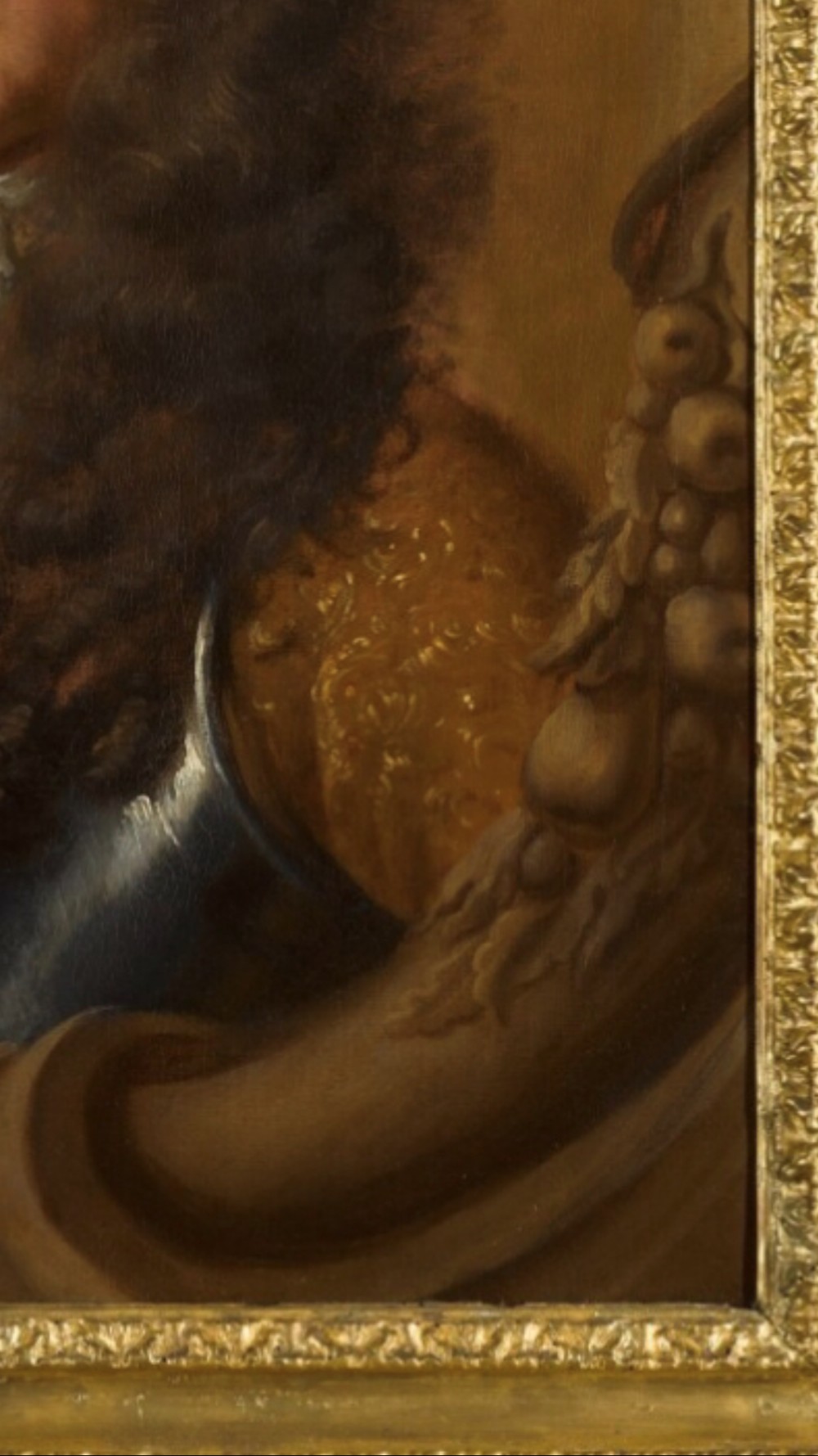
Lord Grandison’s portrait differs from King Charles’s portrait in the colour of the wig – Grandison’s is greyish brown rather than black – and the beautifully painted feigned sculpted oval frame decorated with pieces of fruit and leaves. Lely used a nearly identical feigned oval frame in his portrait of a gentleman in a brown coat and Mechlin lace cravat, sold at Christie’s London in 2007. Interestingly, at least two copies exist after Lely’s portrait of Viscount Grandison. The first one, a seemingly contemporary copy, is in the collection of the Earl of Jersey, who is descendant of the sitter.

The second one is attributed to Charles II’s friend and unofficial pupil Mary Beale and sold at Wilkinson’s Auctioneers, Doncaster, in 2017.

George Villiers was born in Dorset in 1618 as the fifth child and third son of Sir Edward Villiers (d. 1626) and Barbara St John.

On his father’s side George belonged to the famous Villiers family, a Leicestershire family of ancient yet relatively modest origins that had rapidly risen to prominence thanks to the influence of George’s eponymous uncle, King James I’s notorious favourite, whom he created Duke of Buckingham. It was undoubtedly on the latter’s recommendation that George’s father, Sir Edward Villiers, received a knighthood, held the function of English ambassador to Bohemia in 1620 and was appointed Lord President of the Irish province of Munster in 1625.

Not much is known about George’s private or professional life before the Restoration, despite for the fact that he was knighted at the age of 26 in 1644, most likely in recognition for his loyalty to the Royalist cause. In 1662, George was appointed Captain of the Yeomen of the Guard, the oldest of the royal body guards, and remained in that position until 1689, when he was removed from it by King William III. As Captain, George was the most senior figure in the Royal Household, which resulted in him walking immediately behind James II during his coronation procession in 1685.

From the diary of Samuel Pepys we learn that Lord Grandison also appears to have functioned as an intermediary for financial transactions between King Charles II and his notorious mistress Barbara Villiers, Lord Grandison’s niece.

George Villiers died on 16 December 1699.

SIR PETER LELY (1618 - 1680) was the most important portraitist in the reign of Charles ll, although he had painted portraits throughout the Commonwealth. As Principal Painter to the King, he painted everyone of importance and was greatly in demand.

SIZE:37 x 32 inches framed.

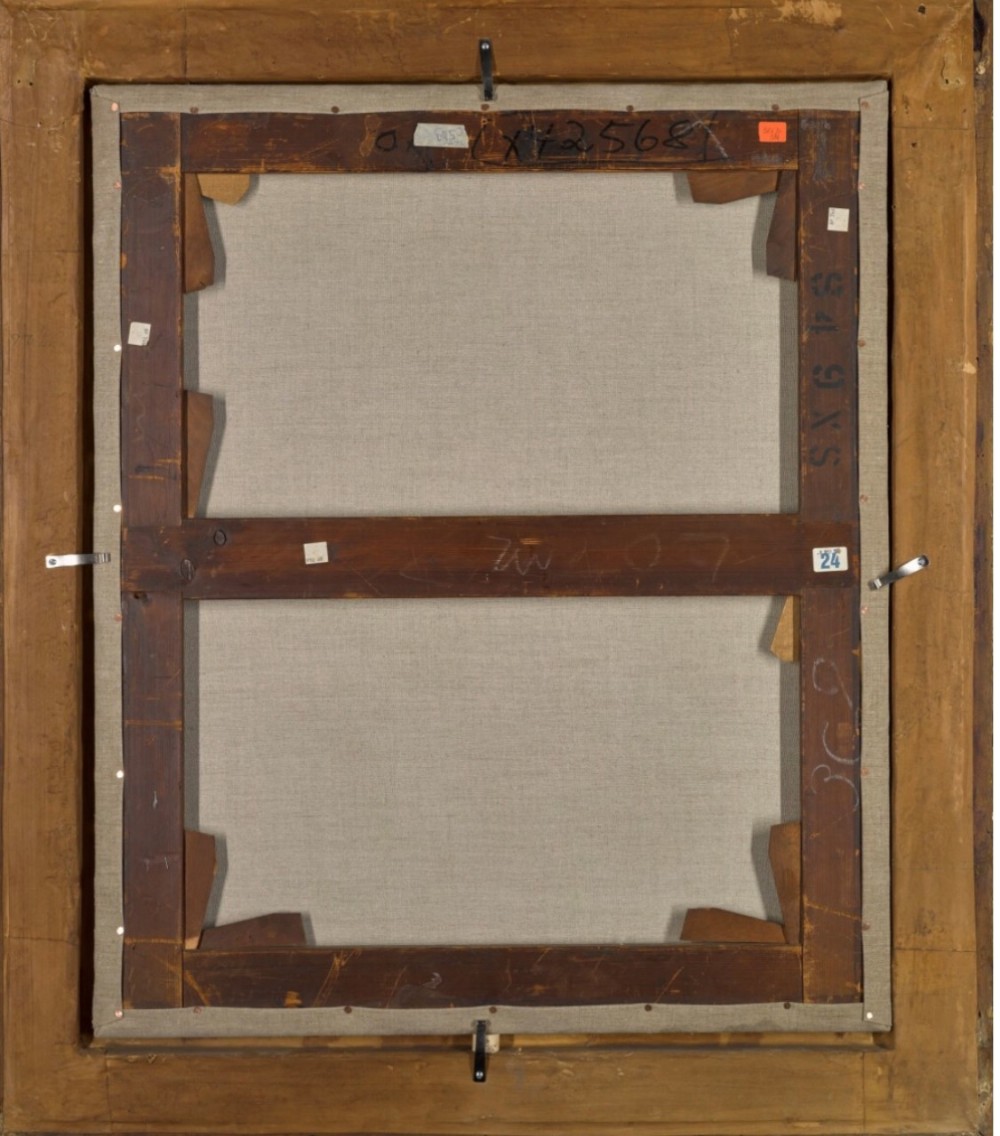
PROVENANCE: Probably Dromana House, Ireland

Christie’s, London, Anonymous Sale, 23 April 1976, Lot 67

Private Collection, London

Christie’s, Amsterdam, Anonymous Sale, 8 May 1995, Lot 24 (as Follower of Lely)

Private Collection, Holland.

Physical Dimensions
Height
94cm (37.01")
Width
81.3cm (32.01")
Depth
5cm (1.97")
Declaration

Roy Precious - Antiques & Fine Art has dated this piece to the 17th Century.
Reference Numbers
Sellingantiques Reference
SA756930
Dealers Internal Reference
9206
Description
For years both the sitter and the artist of this superb portrait were unknown. Diligent research by the art historian Simon van Oostende revealed that the sitter is George Villiers, 4th Viscount Grandison and that the painting is an autograph work by King Charles II’s court portrait-painter Sir Peter Lely – subsequently confirmed by the Lely experts Diana Dethloff and Catharine MacLeod.
fig 1. George Villiers, 4th Viscount Grandison c.1675, by Sir Peter Lely.
fig 1. George Villiers, 4th Viscount Grandison C.1675, by Sir Peter Lely.

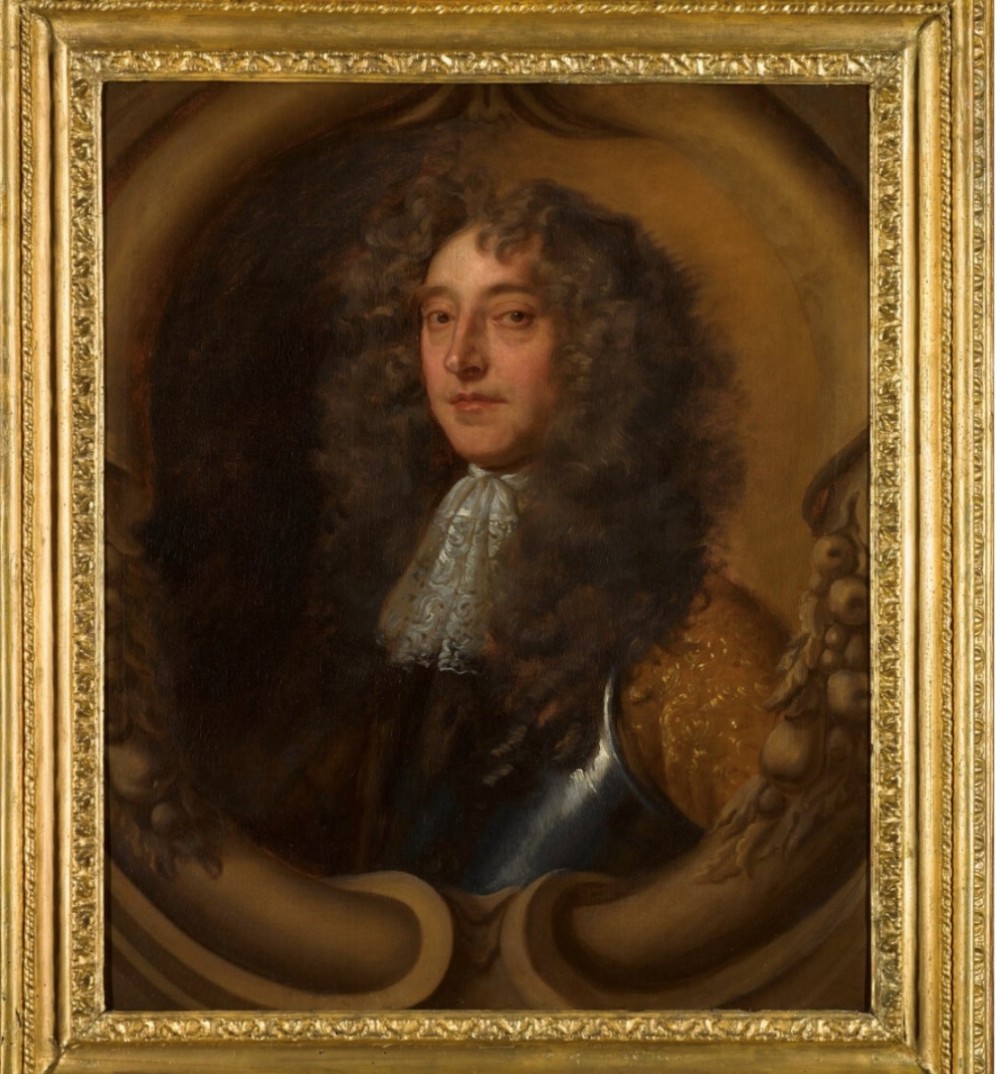
Most probably upon the sitter’s request, Lely modelled Lord Grandison’s portrait directly on the one he painted of King Charles II in circa 1675: shown half-length, turned a quarter to the left, wearing a polished breastplate over a gold-embroidered doublet with a lace cravat and heavily curled black full-bottomed wig.

This portrait of Charles II proved enormously popular and many versions of it, as well as mezzotint reproductions by Edward Luttrell and Abraham Blooteling.
Roy Precious - Antiques & Fine Art

The prime, autograph version of this portrait is in the collection of the Duke of Grafton at Euston Hall (the first Duke was a natural son of Charles II and his mistress Barbara Villiers). A good version hangs in the National Portrait Gallery, coming from the collection of the Earls of Chesterfield.
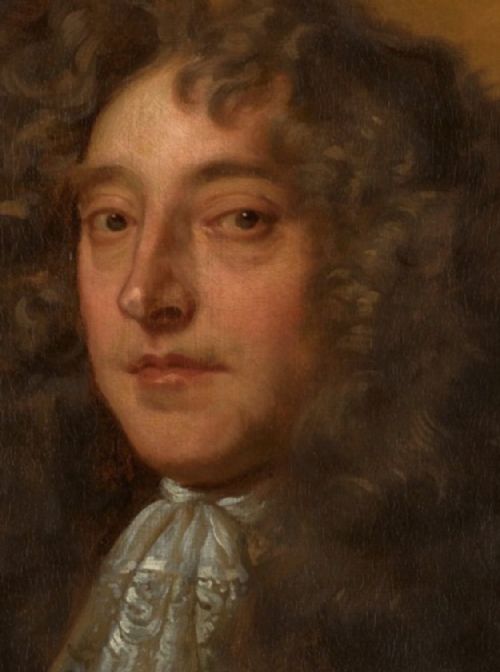
fig 2. George Villiers, 4th Viscount Grandison c.1675, by Sir Peter Lely.
fig 2. George Villiers, 4th Viscount Grandison C.1675, by Sir Peter Lely.

Lord Grandison’s portrait differs from King Charles’s portrait in the colour of the wig – Grandison’s is greyish brown rather than black – and the beautifully painted feigned sculpted oval frame decorated with pieces of fruit and leaves. Lely used a nearly identical feigned oval frame in his portrait of a gentleman in a brown coat and Mechlin lace cravat, sold at Christie’s London in 2007. Interestingly, at least two copies exist after Lely’s portrait of Viscount Grandison. The first one, a seemingly contemporary copy, is in the collection of the Earl of Jersey, who is descendant of the sitter.
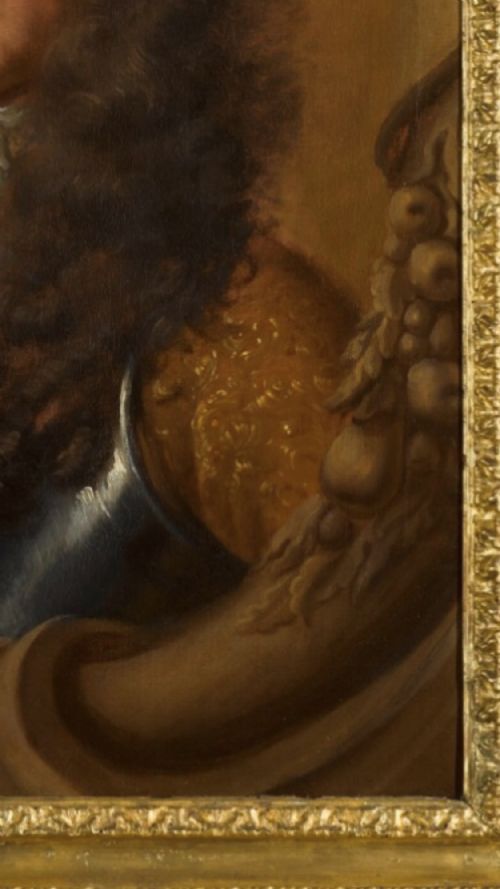
fig 3. George Villiers, 4th Viscount Grandison c.1675, by Sir Peter Lely.
fig 3. George Villiers, 4th Viscount Grandison C.1675, by Sir Peter Lely.

The second one is attributed to Charles II’s friend and unofficial pupil Mary Beale and sold at Wilkinson’s Auctioneers, Doncaster, in 2017.

George Villiers was born in Dorset in 1618 as the fifth child and third son of Sir Edward Villiers (d. 1626) and Barbara St John.
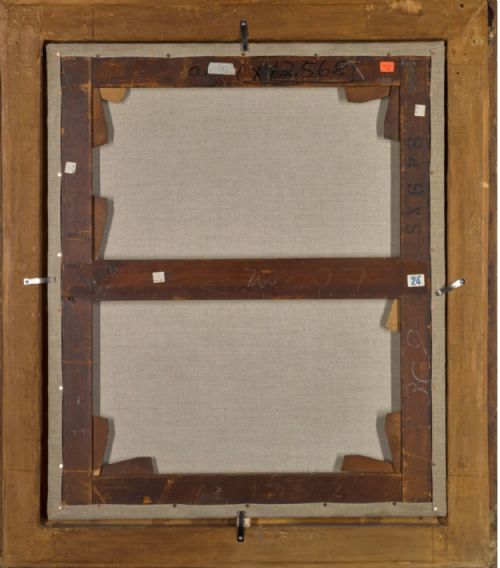
fig 4. George Villiers, 4th Viscount Grandison c.1675, by Sir Peter Lely.
fig 4. George Villiers, 4th Viscount Grandison C.1675, by Sir Peter Lely.

On his father’s side George belonged to the famous Villiers family, a Leicestershire family of ancient yet relatively modest origins that had rapidly risen to prominence thanks to the influence of George’s eponymous uncle, King James I’s notorious favourite, whom he created Duke of Buckingham. It was undoubtedly on the latter’s recommendation that George’s father, Sir Edward Villiers, received a knighthood, held the function of English ambassador to Bohemia in 1620 and was appointed Lord President of the Irish province of Munster in 1625.

Not much is known about George’s private or professional life before the Restoration, despite for the fact that he was knighted at the age of 26 in 1644, most likely in recognition for his loyalty to the Royalist cause. In 1662, George was appointed Captain of the Yeomen of the Guard, the oldest of the royal body guards, and remained in that position until 1689, when he was removed from it by King William III. As Captain, George was the most senior figure in the Royal Household, which resulted in him walking immediately behind James II during his coronation procession in 1685.

From the diary of Samuel Pepys we learn that Lord Grandison also appears to have functioned as an intermediary for financial transactions between King Charles II and his notorious mistress Barbara Villiers, Lord Grandison’s niece.

George Villiers died on 16 December 1699.

SIR PETER LELY (1618 - 1680) was the most important portraitist in the reign of Charles ll, although he had painted portraits throughout the Commonwealth. As Principal Painter to the King, he painted everyone of importance and was greatly in demand.

SIZE:37 x 32 inches framed.

PROVENANCE: Probably Dromana House, Ireland

Christie’s, London, Anonymous Sale, 23 April 1976, Lot 67

Private Collection, London

Christie’s, Amsterdam, Anonymous Sale, 8 May 1995, Lot 24 (as Follower of Lely)

Private Collection, Holland.

Height
94cm (37.01")
Width
81.3cm (32.01")
Depth
5cm (1.97")
Date of Manufacture

Roy Precious - Antiques & Fine Art has dated this piece to the 17th Century.

Reference Numbers
Sellingantiques Ref
SA756930
Dealers Internal Ref
9206
Roy Precious - Antiques & Fine Art
Sellingantiques verified Since Mar 2003

Roy and nadine precious: specialists in portraiture from the 16th to the 20th century. Established in 1972.

Dealer Profile

You can view the stock and full dealer information on the Roy Precious - Antiques & Fine Art Profile Page
PDF SHARE
SAVE
George Villiers, 4th Viscount Grandison c.1675, by Sir Peter Lely.
1 / 5
Archive I George Villiers, 4th Viscount Grandison c.1675, by Sir Peter Lely.

George Villiers, 4th Viscount Grandison C.1675, by Sir Peter Lely.

Archive II George Villiers, 4th Viscount Grandison c.1675, by Sir Peter Lely. View II
Archive III George Villiers, 4th Viscount Grandison c.1675, by Sir Peter Lely. View III
Archive IV George Villiers, 4th Viscount Grandison c.1675, by Sir Peter Lely. View IV
Archive V George Villiers, 4th Viscount Grandison c.1675, by Sir Peter Lely. View V
Enlarged Archival View
Location
Wiltshire
United Kingdom
Dealer Profile Page sellingantiques.co.uk/rp
Verified Since Mar 2003
Items For Sale 95
Items Sold 679
Roy Precious - Antiques & Fine Art
Verified Since Mar 2003
View Dealer Info
Location: Wiltshire, United Kingdom
Verified
Mar 2003
For Sale
95
Sold
679
George Villiers, 4th Viscount Grandison c.1675, by Sir Peter Lely.
Ref: SA756930
George Villiers, 4th Viscount Grandison c.1675, by Sir Peter Lely.
Detail View 1
Detail View 2
Detail View 3
Detail View 4
Archival Detail
Every single antique dealer on our platform is individually approved by our internal team. We verify their professional trade history, ethical standards, and photographic quality to ensure a secure, high-standard buying environment. Upon joining, every dealer agrees to a strict 9-point code of conduct. While issues can occasionally arise, our dealers typically resolve them swiftly and directly with the buyer. In fact, since our founding in 2002, Sellingantiques has only had to step in to help resolve an issue on roughly five occasions—a true testament to the quality of our dealers and their dedication to your happiness.
Our dealers are highly experienced in packing and shipping fragile, high-value antiques. Because you are in direct contact with the dealer, you will be able to easily go through all available shipping and insurance options together to ensure your item arrives safely.
Antiques are the ultimate green purchase. By choosing historical pieces over newly manufactured goods, you completely eliminate the carbon footprint of modern mass production while preserving exceptional, timeless craftsmanship.
items
Add keywords to the filter
Price
£100
£250000
Era
Movements
Material
Origin
Stock Location
Freshness
Online Payments
Categories